Common Travel Scams & How to Avoid Them: Outsmarting Tourist Cons
The joy of discovering new cultures and breathtaking landscapes is what makes travel so rewarding. Unfortunately, this enthusiasm can sometimes make travelers vulnerable targets for scams. From clever cons at popular tourist sites to seemingly helpful locals with ulterior motives, **travel scams** are a global phenomenon designed to separate you from your money or belongings.
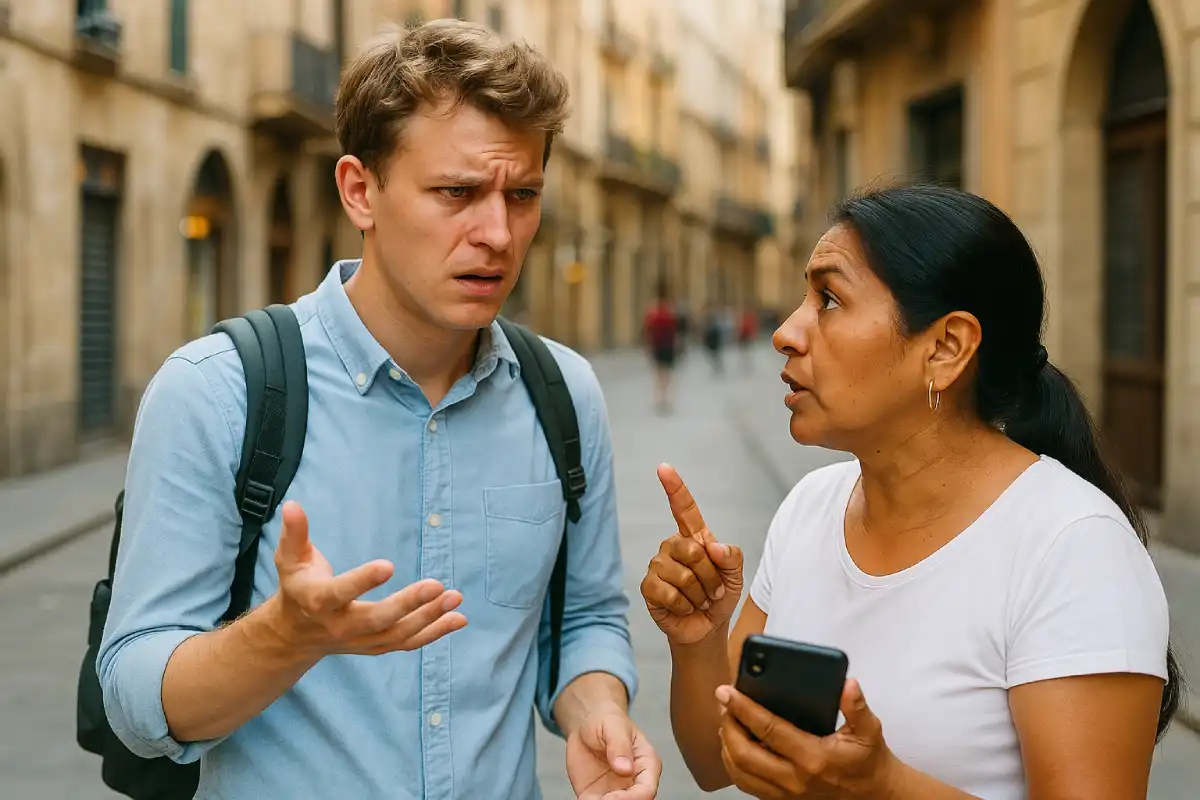
But don’t let this deter your adventures! Understanding how these schemes work is your first and best line of defense. This comprehensive guide will help you **recognize and outsmart popular scams that target tourists worldwide**. We’ll provide essential tips, real-life examples from seasoned travelers, and a block of frequently asked questions to empower you to enjoy a secure, stress-free, and scam-free journey. (Updated for 2025).
General Principles to Avoid Scams: Your Golden Rules
No matter where you go, these fundamental rules will serve you well:
1. Trust Your Gut Instinct 🧠
If something feels “too good to be true,” or a situation just feels “off,” it probably is a scam. Your intuition is your most valuable defense. Don’t worry about being rude; your safety and financial well-being are paramount.
2. Be Skeptical of Unsolicited Help & Offers 👀
Genuine locals are often friendly, but be wary of strangers who approach you out of nowhere, especially if they are overly friendly, insist on helping you, or try to steer you somewhere unexpected. Scammers thrive on distraction and your politeness.
3. Do Your Research 📚
Before you travel, and even before you head out for the day, research common scams specific to your destination. Knowledge is power. Knowing the typical cons helps you spot them instantly.
4. Protect Your Valuables 💰
Use anti-theft bags, keep wallets in front pockets, and avoid displaying large sums of cash, expensive jewelry, or high-end electronics. Minimize what you carry daily.
Experienced Traveler Insight: Liam, Long-Term Budget Traveler
“My rule of thumb is: if someone approaches me unprompted and immediately wants to ‘help’ or take me somewhere, my guard goes up 100%. Especially if they don’t seem to have a clear reason to be talking to me. I’ve dodged countless scams just by being politely dismissive and walking away. Your intuition is your best guide.”
Common Travel Scams & How to Spot Them
Here are some of the most prevalent scams you might encounter:
1. The “Friendly Local” / Fake Tour Guide Scam 🤝
- How it works: A friendly local approaches you, strikes up a conversation, and then insists on showing you a “secret” temple, a “special” shop, or an amazing viewpoint. They might tell you a famous landmark is “closed today” or “only for locals” and offer an alternative. You end up in a store (e.g., gem, rug, tailor) where you’re pressured into buying overpriced goods, and the “guide” gets a commission.
- How to avoid: Politely but firmly decline unsolicited offers. If a landmark is supposedly closed, verify it yourself (online or with official staff). Stick to reputable, pre-booked tours or official guides.
- Real-life example: “In Bangkok, I was approached by a well-dressed man who said the Grand Palace was closed for a ‘Buddhist holiday’ and offered to take me on a tuk-tuk tour of ‘other temples.’ Luckily, I’d read about this scam and knew the Palace rarely closes. I walked away and found it open just fine.” – Chloe, Solo Traveler
2. The “Spill” or “Bird Poop” Diversion Scam 💧
- How it works: Someone “accidentally” spills a drink or sauce on you, or points out “bird poop” on your clothing. While they profusely apologize and “help” you clean up, an accomplice pickpockets your wallet, phone, or bag.
- How to avoid: Immediately walk away from the person and clean yourself in a private, secure location (like a restroom inside a store). Do not allow them to “help” you. Secure your bag tightly before they get close.
3. The Broken Taxi Meter / Inflated Fare Scam 🚕
- How it works: A taxi driver claims their meter is “broken” or simply refuses to use it, then demands an exorbitant fixed price at the end of the ride, far exceeding the actual cost.
- How to avoid: Always confirm the price *before* getting into an unmarked taxi, or insist on the meter (and ensure it’s running correctly). Use reputable ride-sharing apps (Uber, Bolt, Grab) where fares are set beforehand. Research typical taxi fares for your route.
- Real-life example: “Landing in Rome, a taxi driver tried to charge me a flat €80 for a €40 ride. I stood my ground, showed him the official airport rate card on my phone, and threatened to call the police. He finally relented. Always know the official rates!” – Ben, Family Traveler
4. The “Free” Gift / Friendship Bracelet Scam 🎁
- How it works: Someone offers you a “free” item (a bracelet, a sprig of rosemary, a flower, a pigeon food packet). Once you accept or they tie it to your wrist, they aggressively demand payment.
- How to avoid: Do not accept anything offered to you by strangers in tourist areas. If they force it into your hand or onto you, drop it immediately and walk away, firmly saying “No!” or “No thank you!” Don’t engage in conversation.
5. ATM Skimming / Fake ATM Scam 🏧
- How it works: Criminals attach devices (skimmers) to legitimate ATMs to steal your card information, or they set up entirely fake ATMs designed to capture your data.
- How to avoid: Only use ATMs attached to established banks, ideally during business hours. Inspect the card slot and keypad for any unusual attachments or loose parts. Tug gently on the card reader. Always cover your hand when entering your PIN.
6. The Petition / Charity Scam 📝
- How it works: A person (or group) approaches you with a clipboard, asking you to sign a petition or donate to a (fake) charity, often for the deaf, blind, or children. While you’re distracted by the clipboard, an accomplice pickpockets you.
- How to avoid: Politely but firmly decline to sign anything or donate. Keep walking and avoid stopping to engage. Secure your bags close to your body.
7. Currency Exchange Scams 💱
- How it works: Someone offers to exchange money on the street at a “better” rate than official kiosks. This can involve sleight of hand (giving you less money than agreed), short-changing you, or giving you counterfeit currency.
- How to avoid: Only exchange money at official banks, reputable exchange bureaus, or by withdrawing from ATMs. Never exchange money on the street.
Staying Vigilant: Proactive Steps for a Scam-Free Trip
1. Research Before You Go & On the Go 📱
Before you even leave, read up on common scams in your destination. While traveling, use reliable sources (official tourism websites, reputable travel blogs, government advisories) to check for current warnings. A quick search for “[City Name] tourist scams” can be very enlightening.
2. Walk with Purpose & Awareness 🚶♀️
Even if you’re lost, avoid looking disoriented or overly absorbed in your phone. Walk with confidence. Be aware of who is around you, especially in crowded areas. Avoid making eye contact with persistent touts if you don’t wish to engage.
3. Keep Important Documents & Valuables Secure 🔒
Use a money belt or neck wallet for your passport, main cash stash, and backup credit cards. Only carry what cash you need for the day. Use anti-theft bags with lockable zippers. Never leave valuables unattended in public places.
4. Don’t Be Pressured 🛑
Scammers rely on creating a sense of urgency or obligation. Don’t let anyone rush you into a decision or a transaction. Take your time, think, and if necessary, walk away.
5. Use Official Channels 🏢
When booking tours, buying tickets, or seeking information, use official vendors, tourist information centers, or reputable websites/apps. Avoid unofficial touts or “pop-up” services.
Frequently Asked Questions About Travel Scams
How common are travel scams?
Unfortunately, travel scams are fairly common in popular tourist destinations worldwide. They range from petty annoyances to more sophisticated schemes. Being aware and prepared significantly reduces your chances of becoming a victim, allowing you to enjoy your trip without constant worry.
What should I do if I fall victim to a scam?
If you realize you’ve been scammed, first, don’t blame yourself. Report it to the local police, even if you think nothing will come of it – this creates a record, which can be useful for travel insurance claims. If financial details were compromised (e.g., credit card), contact your bank immediately to cancel cards and report fraud. Change any affected passwords.
Are street vendors always scams?
No, many street vendors are legitimate, honest people selling crafts, food, or services. The key is to distinguish between genuine vendors and those employing scam tactics. Be wary of those who aggressively approach you or try to give you something “for free.” Always agree on a price beforehand, and inspect goods carefully.
How can I tell if a taxi is legitimate?
Legitimate taxis usually have clear markings, official meters, and often a visible license or driver ID. In many airports, there are official taxi stands. If using a ride-sharing app, always confirm the driver’s name, car model, and license plate match the app before getting in. Avoid unmarked cars or individuals soliciting rides. When in doubt, ask your hotel or a reputable local for advice.
Should I carry a lot of cash to avoid card scams?
Carrying too much cash makes you vulnerable to theft. It’s best to use a combination of cash and credit/debit cards. Carry enough cash for your daily expenses, but keep the bulk of your funds diversified across different cards and stored securely (e.g., in a money belt or hotel safe). Regularly monitor your card statements for suspicious activity.
Are hotel or airport Wi-Fi networks safe for online banking?
Public Wi-Fi networks (including those at hotels or airports) are generally not secure for sensitive transactions like online banking. It’s highly recommended to use a Virtual Private Network (VPN) when connecting to public Wi-Fi. If you don’t have a VPN, use your mobile data for any financial transactions or accessing sensitive personal information.
Conclusion: Travel Smart, Travel Scam-Free
While the world is filled with incredible experiences, a small minority of individuals seek to exploit unsuspecting travelers. By understanding **common travel scams** and adopting a proactive mindset – one of awareness, skepticism, and preparedness – you empower yourself to navigate your adventures with confidence. Don’t let the fear of scams overshadow the excitement of travel. Instead, arm yourself with knowledge, trust your instincts, and enjoy a safe, authentic, and truly memorable journey!