Colombia on a Budget: Diverse Landscapes, Friendly Locals & Affordable Adventures
Colombia has shed its past reputation and emerged as a top-tier travel destination, captivating visitors with its vibrant culture, breathtaking natural beauty, and the warmth of its people. From the Caribbean beaches of Cartagena to the Andean peaks surrounding Bogotá and the lush coffee region, Colombia offers an incredible array of experiences that are still wonderfully budget-friendly. This ultimate guide will show you how to navigate this fascinating country without draining your wallet, ensuring an authentic and unforgettable adventure.
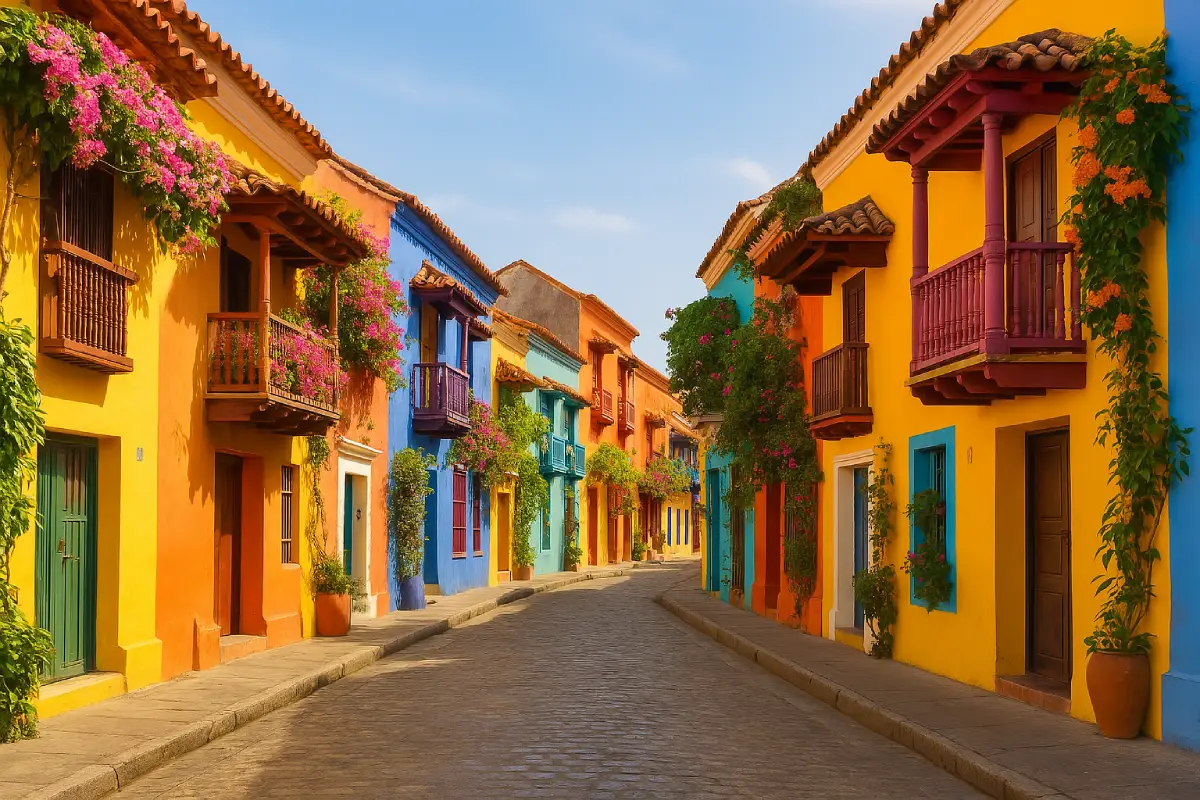
1. Cost of Accommodation: Finding Your Budget Haven
Accommodation in Colombia offers fantastic value, especially when compared to destinations in North America or Western Europe. Hostels are plentiful and of high quality, providing excellent opportunities to meet other travelers.
Hostel Dorms: The Backpacker’s Best Friend
Hostels are ubiquitous across Colombia, offering a range of amenities from basic dorms to boutique options with pools and bars. Prices vary by city, with major tourist hubs or coastal areas being slightly more expensive.
| Region/City Type | Typical Hostel Dorm Bed (per night, USD) | Notes |
|---|---|---|
| Major Cities (Bogotá, Medellín, Cartagena) | $10 – $20 | Cartagena’s Old Town might lean towards the higher end; Medellín and Bogotá offer great value. |
| Coffee Region (Salento, Filandia) | $8 – $15 | Generally very affordable in charming rural settings. |
| Caribbean Coast (Santa Marta, Palomino, Taganga) | $10 – $20 | Can fluctuate seasonally; Palomino often offers very basic, cheaper options. |
| Smaller Towns / Off-the-Beaten-Path | $7 – $12 | Excellent value, often simpler but authentic guesthouses. |
Private Rooms: For those seeking more privacy, a private room in a hostel or a basic guesthouse (hospedaje or hostal) typically costs between **$25 – $45 USD** per night. This is an excellent option for couples or travelers desiring personal space while still being budget-conscious.
2. Cost of Food: Savoring Colombia on a Shoestring
Colombian cuisine is delicious, diverse, and incredibly affordable, especially if you eat like a local.
- “Menu del Día” / “Almuerzo Corriente”: This is your ultimate budget meal. Available at countless local eateries, a “menu of the day” typically includes soup, a main course (meat/chicken/fish with rice, potatoes, and salad), and a small drink (like juice or soup). Prices range from **$3 – $7 USD**. This is a staple for locals and travelers alike.
- Street Food: Embrace the vibrant street food scene for quick, cheap, and tasty bites. Arepas (corn cakes, often with cheese or eggs), empanadas (fried pastries with savory fillings), and frutas frescas (fresh fruit) are widely available. Expect to pay **$0.50 – $2 USD** per item.
- Local Restaurants: For a sit-down dinner at a mid-range local restaurant, a main course might cost **$8 – $15 USD**.
- Supermarkets: Buying groceries and cooking at your accommodation is the cheapest option. A week’s worth of basic groceries for one person can be **$25 – $40 USD**, depending on your diet.
- Coffee: Colombia is famous for its coffee! A cup of local “tinto” (black coffee) from a street vendor or small cafe can be as cheap as **$0.50 – $1 USD**. A fancy latte at a trendier spot might be $2-4.
Traveler’s Budget Food Strategy:
“My routine in Colombia revolved around the ‘menu del día.’ For less than $5, I’d get a huge, delicious lunch. Then, I’d snack on street food for dinner and make my own breakfast at the hostel. I never felt deprived and kept my food budget low.” – Maria, a long-term traveler.
3. Cost of Public Transport: Navigating Colombia’s Roads
Getting around Colombia is surprisingly easy and very affordable, with buses being the primary mode of intercity transport.
- City Buses/TransMilenio (Bogotá): A single ride on a city bus usually costs **$0.70 – $1 USD**. In Bogotá, the TransMilenio (bus rapid transit) is efficient but can be crowded; a ride is about **$0.75**. Medellín’s Metro is clean, modern, and costs around **$0.80 – $1 USD** per ride.
- Intercity Buses: This is how most locals and backpackers travel long distances. Buses are comfortable, often equipped with Wi-Fi, and very affordable.
- Short journeys (e.g., Medellín to Guatapé): **$5 – $10 USD**
- Medium journeys (e.g., Bogotá to Salento): **$20 – $35 USD**
- Longer journeys (e.g., Medellín to Cartagena): **$40 – $70 USD** (often overnight, saving on accommodation).
- Taxis & Ride-Hailing Apps: In major cities, taxis are metered (ensure the meter is used!) or have fixed prices for popular routes. Ride-hailing apps like **Uber, Didi, or Cabify** are widely available, generally cheaper, and safer as they track your route and driver. A short ride usually costs **$2 – $5 USD**.
- Colectivos: In smaller towns or for specific routes, shared minivans or cars (colectivos) are a common and cheap option, often used for short distances or to fill seats quickly.
4. Dangers & Scams: Staying Safe & Savvy
Colombia has made incredible strides in safety, and violent crime against tourists is rare. However, like any popular travel destination, petty crime and specific scams target unsuspecting visitors. Awareness is key to a smooth trip.
Common Scams and Dangers:
- The “Friendly” Stranger/Distraction Scam: Someone might approach you, spill something on you, or engage you in conversation as a distraction while an accomplice pickpockets you. Politely decline help and keep walking.
- Fake Taxis/”Paseo Millonario” (Millionaire’s Ride): In larger cities, especially Bogotá and Medellín, rogue taxi drivers might pick you up, drive you to an unknown location, and rob you. **Always use ride-hailing apps (Uber, Didi, Cabify), or call a trusted taxi service through your accommodation.** Never hail a taxi directly from the street, especially at night or around bars/clubs.
- Drink Spiking (“Burundanga”): This is a serious concern, particularly in nightlife areas. Never leave your drink unattended, and do not accept drinks from strangers. Be extra vigilant in bars and clubs.
- Pickpocketing & Bag Snatching: Common in crowded areas (markets, public transport, tourist sites). Keep valuables secure in front pockets or a money belt. Be aware of phones being snatched while using them on the street.
- Fake Police/Plainclothes Officers: Very rare, but a scam where individuals impersonate police to “check” your money or passport. Legitimate police will rarely ask to see your cash. Ask to go to the nearest police station or call your embassy if you’re suspicious.
- Express Kidnapping: In rare cases, a taxi driver might drive you around to ATMs until you empty your account. This reinforces the need to use only trusted ride services.
Areas to Be Cautious / Avoid (General Guidance):
- Unfamiliar Neighborhoods at Night: Common sense applies. Stick to well-lit, busy areas, especially after dark. Ask your hostel/hotel staff about areas to avoid.
- Specific “Red-Light” Districts: These areas exist in major cities (e.g., parts of El Centro in Bogotá, certain zones in Medellín) and are often associated with higher crime rates. It’s generally best to avoid them entirely.
- Isolated or Rural Areas Without Local Guidance: While Colombia has stunning nature, venturing into very remote, untraveled areas without a local guide or prior research can pose risks. Stick to well-established tourist routes.
- Anywhere with Political Demonstrations: While mostly peaceful, demonstrations can turn volatile. Avoid large crowds and protests.
5. Tips for a Positive and Unforgettable Colombian Journey
Beyond staying safe and saving money, these tips will help you connect with Colombia’s heart and soul.
- Learn Basic Spanish: Even a few phrases (Hola, Gracias, Por favor, ¿Cuánto cuesta?) go a very long way. Colombians are generally patient and appreciative of the effort.
- Embrace the Local Culture: Say yes to trying new foods, dancing to salsa, and engaging in conversations with locals. Their warmth is legendary.
- Use Your Common Sense: The same precautions you’d take in any large city apply. Be aware of your surroundings, especially in crowded areas.
- Take Advantage of Free Walking Tours: Available in Bogotá, Medellín, and Cartagena, these tours are an excellent way to get acquainted with a city’s history and culture, led by knowledgeable local guides (remember to tip!).
- Download Offline Maps: Apps like Google Maps or Maps.me allow you to download maps of cities/regions, which are invaluable when you don’t have internet access.
- Get a Local SIM Card: Data is incredibly cheap. A local SIM (e.g., Claro, Tigo, Movistar) will make navigating, using ride-hailing apps, and staying connected much easier.
- Be Patient with Bureaucracy: Things might move a bit slower than you’re used to. Embrace the “tranquilo” attitude.
- Stay Hydrated & Protect from Sun: Especially on the coast or in high-altitude cities, drink plenty of water and use sunscreen.
- Venture Beyond the Main Tourist Spots: While Bogotá, Medellín, and Cartagena are must-sees, explore smaller towns like Salento, Minca, or Guatapé for different, equally rewarding experiences.
- Be Mindful of Altitude: Bogotá and other Andean cities are high altitude. Take it easy on your first day, drink plenty of water, and avoid strenuous activity if you feel lightheaded.
The Power of Connection:
“My most cherished memories from Colombia aren’t from famous landmarks, but from dancing salsa with locals in a Medellín barrio, sharing coffee with a farmer in Salento, or simply chatting with a shopkeeper in Cartagena. The people truly make Colombia special.” – Jessica, a cultural enthusiast.
6. Frequently Asked Questions About Budget Travel in Colombia
Still have questions about making your Colombian adventure affordable and smooth? Here are some common queries answered.
What’s a realistic daily budget for backpacking in Colombia?
For a comfortable backpacker budget, aim for $25 – $45 USD per day. This allows for hostel dorms, eating local food (Menu del Día), using public transport, and enjoying some budget-friendly activities. You can go lower if you strictly self-cater and minimize paid activities, or higher if you prefer private rooms and more restaurant meals.
Is it safe to travel solo in Colombia?
Yes, many solo travelers, including women, safely and happily explore Colombia. The key is to exercise common sense, be aware of your surroundings, trust your instincts, and stick to well-traveled routes and reputable transportation. Avoid walking alone at night in unfamiliar areas and be cautious in bars/clubs.
What currency does Colombia use?
Colombia uses the Colombian Peso (COP). While USD might be accepted in some highly touristy areas (like parts of Cartagena), it’s always best to pay in pesos. Exchange rates fluctuate, so check current rates before your trip.
Are credit cards widely accepted in Colombia?
Credit and debit cards are widely accepted in major cities, supermarkets, larger restaurants, and hotels. However, for street food, local markets, smaller shops, and buses, cash is king. Always carry a mix of small peso denominations.
Do I need travel insurance for Colombia?
Absolutely, yes. Travel insurance is highly recommended for Colombia. It covers medical emergencies (which can be expensive if you’re not a local), trip cancellations, lost luggage, and other unforeseen circumstances. It’s a small investment for peace of mind.
What’s the best way to avoid altitude sickness in Bogotá?
Bogotá is at a high altitude. Upon arrival, take it easy for the first 24-48 hours. Avoid strenuous activity, drink plenty of water (coca tea can also help), and limit alcohol. If symptoms are severe, seek medical attention.
Can I drink tap water in Colombia?
In major cities like Bogotá, Medellín, and most parts of the coffee region, tap water is generally considered safe to drink. However, in smaller towns, rural areas, and especially on the Caribbean coast, it’s safer to stick to bottled water or use a water filter bottle.