Budget-Friendly Adventures in Beijing: A 2025 Guide
Beijing is a city of epic scale and historical significance, where ancient dynasties meet a modern metropolis. This 2025 guide provides practical tips for budget-conscious travelers to experience the best of Beijing without overspending.
Navigating Beijing on a Shoestring Budget
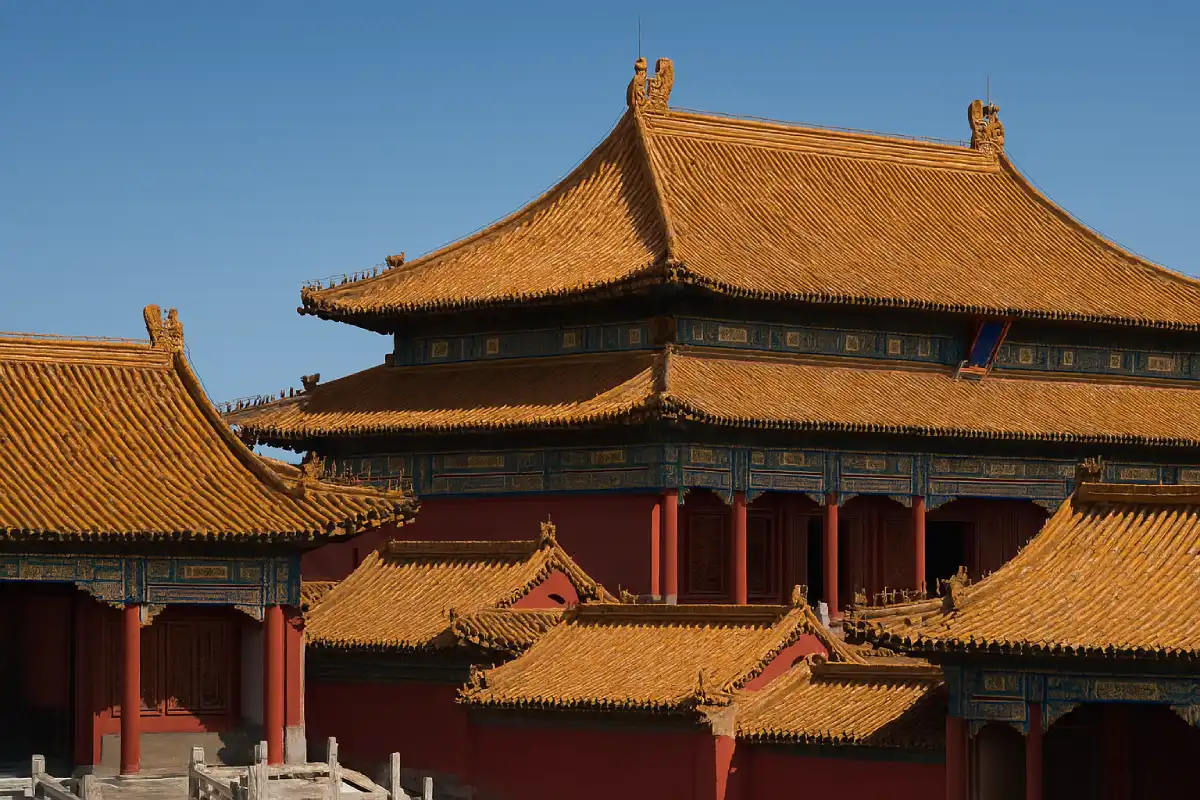
Beijing is a city of contrasts from the ancient grandeur of the Forbidden City to the bustling markets and sleek skyscrapers. While some aspects of the city are expensive, it is surprisingly easy to travel here on a budget. This guide is your go-to resource for making smart choices on accommodation, food, and transport, ensuring your Beijing adventure is both affordable and unforgettable. It’s time to discover the Forbidden City, the Great Wall, and everything in between, without breaking the bank.
1. The Cost of a Bed: Budget-Friendly Accommodation
Finding affordable lodging in Beijing is crucial for a budget trip. Hostels are your best bet, and their prices can vary significantly depending on the district. Staying outside the central tourist areas often provides better value and a more authentic experience.
Hostel & Budget Accommodation Prices by Area (Average per night for a dorm bed, August 2025)
| District | Description | Average Price (USD/night) | Pros for Budget Travelers |
|---|---|---|---|
| Dongcheng / Xicheng | Central districts, home to Forbidden City, Tiananmen Square, and many historical sites. | $25 – $50+ | Best location for sightseeing, vibrant nightlife, hutong alleyways. |
| Chaoyang | Modern business district with the Olympic Park and 798 Art Zone. | $20 – $40 | Good public transport access, modern amenities, trendy cafes. |
| Haidian | University district with a youthful vibe and many parks. | $15 – $30 | Excellent value, authentic student hangouts, and street food. |
| Near Great Wall (e.g., Gubeikou) | Hostels located far from the city, but close to a section of the Great Wall. | $15 – $35 | Perfect for multi-day hiking trips on the Great Wall, unique experience. |
Note: Prices are estimates for a dorm bed and are subject to significant fluctuation based on demand and season. Private rooms or budget hotels will be 2-3x more expensive.
Tips for Saving on Accommodation:
- Stay in Hutong Hostels: Many hostels in Dongcheng and Xicheng are located in traditional hutongs, offering a charming and authentic stay for a reasonable price.
- Book Early: Especially if you are traveling during major holidays like Golden Week (early October) or Chinese New Year, prices can skyrocket.
- Use Hostel Facilities: Look for hostels that offer free breakfast or have a communal kitchen to save on food costs.
2. Eating on a Dime: Beijing’s Budget Food Scene
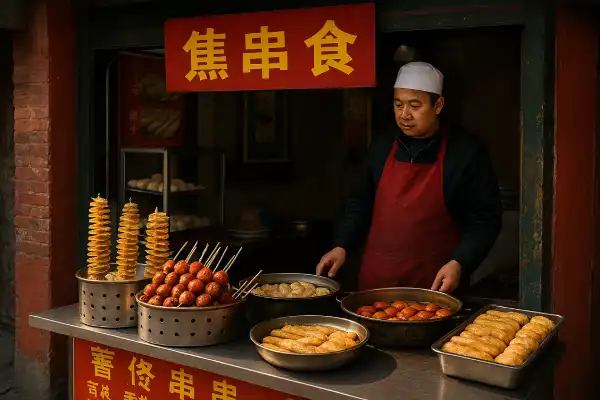
Eating well in Beijing is surprisingly cheap. You can find incredible food for a few dollars, especially if you stick to street food, local eateries, and small restaurants outside the main tourist areas.
Estimated Budget Food Costs (August 2025):
- Breakfast: ¥10 – ¥20 ($1.40 – $2.80) for a Jianbing (savory crepe) or Baozi (steamed buns) from a street vendor.
- Lunch: ¥20 – ¥40 ($2.80 – $5.60) for a bowl of noodles, dumplings, or a stir-fry from a small restaurant.
- Dinner: ¥30 – ¥60 ($4.20 – $8.40) for a satisfying meal at a local eatery, like a Peking Duck street food version.
- Daily Budget for Food: ¥80 – ¥150 ($11 – $21) if you stick to street food and local spots.
Budget Eating Tips:
- Street Food: Beijing’s street food is a must-try. Look for Jianbing, skewers, and other snacks from vendors.
- Local Cafeterias: Look for restaurants with a long line of locals. These places often serve delicious, authentic, and cheap food.
- Supermarkets: For snacks, drinks, and some ready-to-eat meals, supermarkets like Wumart or Jenny Lou’s are great options.
- Bring Your Own Water Bottle: Tap water is not drinkable. Carrying a reusable bottle and refilling it at your hostel is an easy way to save money and reduce plastic waste.
3. Getting Around: The Cost of Public Transit
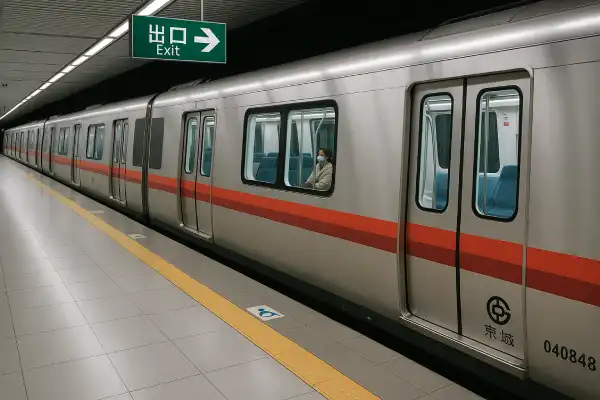
Beijing is a massive city, but its public transport system is incredibly efficient, extensive, and budget-friendly. The metro is your best friend for navigating the city quickly and affordably.
Fares (As of August 2025, subject to minor changes):
- Metro: Fares are distance-based, starting at ¥3 ($0.42) for the first 6 km and increasing by ¥1 for every 5-10 km after that.
- Yikatong Card: It is highly recommended to get a rechargeable Yikatong card. You can purchase it for a small deposit and top it up as you go. This saves you from buying single-journey tickets every time.
- Buses: Buses are even cheaper than the metro, often starting at ¥2 ($0.28). They can be a bit more challenging for non-Chinese speakers, but they offer a great way to see the city.
Tips for Transportation:
- Use the Metro: The metro is fast, reliable, and has clear English signage in all major stations.
- Use a VPN: To access Google Maps and other services, a VPN is essential. This will make navigating the public transport system much easier.
- Walk the Hutongs: The historic hutongs are best explored on foot. This is free and allows you to experience the authentic local life.
4. Staying Safe: Dangers, Scams, and Avoiding Trouble
Beijing is generally a very safe city, with violent crime being rare, especially against foreigners. The primary risks for tourists are related to scams and petty theft, which can be avoided with a little caution.
Common Dangers & Scams:
- The “Art Student” Scam: You might be approached by a seemingly friendly student who wants to practice English. They will eventually invite you to an “art exhibition” or “tea ceremony” and pressure you into buying overpriced art or tea. Politely decline and walk away.
- Fake Taxis: Only use official taxis (which have a meter and are clearly marked) or a ride-hailing app like DiDi. Unofficial drivers may overcharge you or take a longer route.
- Pickpocketing: Be mindful of your belongings in crowded areas like Tiananmen Square, subway stations, and markets. Keep your valuables secure.
- Counterfeit Currency: Be careful when receiving change from street vendors or small shops, as counterfeit bills are a known issue. Always check large banknotes.
Areas Where Caution is Advised:
- There are no truly “no-go” zones for tourists in Beijing. The city is generally safe. However, being cautious at night in less-lit alleys or very crowded tourist areas is always a good idea.
General Safety Advice:
- Stay Alert: Be aware of your surroundings, especially in busy tourist spots.
- Use a Money Belt: For your passport, credit cards, and cash, a money belt is a secure option.
- Emergency Numbers: Police 110, Ambulance 120, Fire 119.
5. Tips for a Positive & Unforgettable Beijing Trip
A little preparation and a flexible mindset can lead to an amazing experience in Beijing.
- Learn a Few Chinese Phrases: Knowing simple phrases like “nǐ hǎo” (hello) and “xièxie” (thank you) can go a long way.
- Use a VPN: To access Google, Facebook, Instagram, and other Western websites, a VPN is essential. Install it before you arrive.
- Download a Translation App: An app with offline translation capabilities can be a lifesaver for communicating with locals and reading menus.
- Visit the Great Wall Independently: You can take public transport to sections like Badaling or Mutianyu for a fraction of the cost of an organized tour.
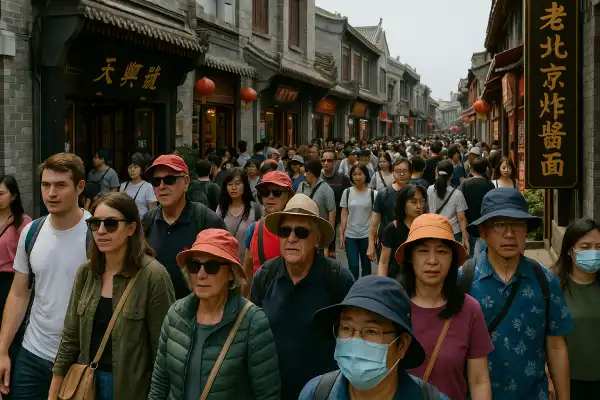
- Embrace the Local Culture: Don’t just stick to the main sights. Explore the hutongs, visit local markets, and try different foods to get a feel for the city’s true spirit.
6. Beijing Travel FAQs (August 2025)
Is Beijing safe for solo travelers?
Yes, Beijing is very safe for solo travelers. Violent crime is rare, and the city is heavily monitored. Just be aware of petty theft in crowded areas and be cautious of common tourist scams.
What is the best way to get from Beijing Capital Airport (PEK) to the city?
The Airport Express is the fastest way to get to the city. It takes about 20 minutes to reach Dongzhimen station. The cost is approximately ¥25 ($3.50).
Do I need a visa to travel to Beijing?
Most nationalities require a visa to enter mainland China. However, some countries are eligible for a 72-hour or 144-hour visa-free transit policy. Check the latest visa requirements well in advance of your trip.
How can I book tickets for attractions like the Forbidden City?
You should book tickets online in advance through official websites or WeChat mini-programs. Most major attractions require a passport for entry and often sell out days in advance, especially the Forbidden City.
Can I get around Beijing without speaking Chinese?
Yes, it is possible. Many signs in the metro and at major tourist sites are in English. However, having a translation app and learning a few basic phrases will greatly enhance your experience and help you when communicating with locals.
Your Beijing Adventure Awaits!
Beijing offers a journey through history, culture, and incredible food, all of which are accessible on a budget. With these tips, you’re prepared to explore its majestic temples, bustling markets, and the Great Wall itself, without the financial stress. Enjoy your adventure!
Start Planning Your Beijing Trip