Best winter cabins to rent in Europe
The perfect antidote to the post-holiday slump is a cozy retreat into Europe’s winter wilderness. From the dazzling Northern Lights visible from a glass igloo in Finnish Lapland to a rustic wooden lodge nestled in the Austrian Alps, renting a cabin offers a unique blend of privacy, adventure, and unparalleled coziness. Yet, the sheer number of options across the continent can be overwhelming.
Top European Destinations for a Magical Cabin Stay 🗺️
The experience is defined by the geography. European cabins offer vastly different atmospheres depending on the region.1. The Nordic Region: Lapland and Norway (Aurora Focus)
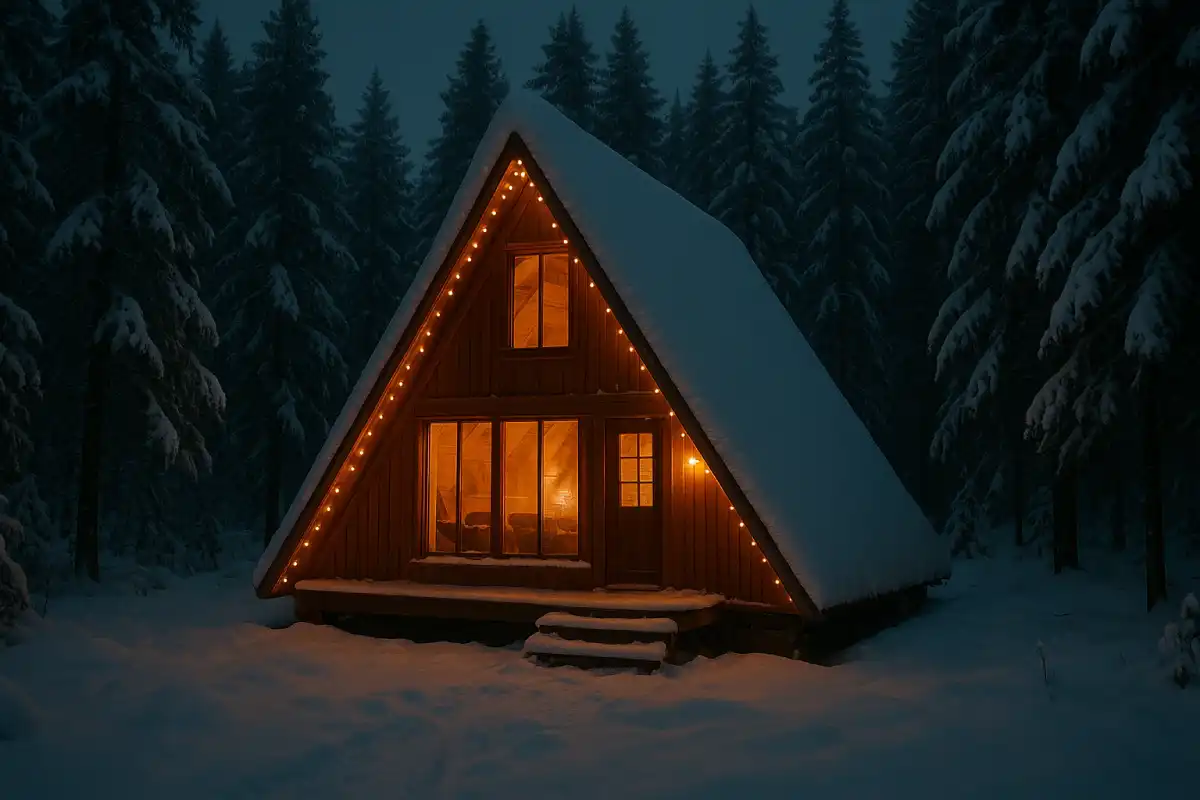
For those chasing the **Northern Lights (Aurora Borealis)**, Scandinavia is unmatched. Cabins here are typically modern, minimalist, and designed to maximize light and views.- **Finnish Lapland (e.g., Levi, Ruka):** Known for unique glass-roofed cabins and easy access to husky sledding and reindeer farms. Ideal for couples and families focused on classic winter activities.
- **Norwegian Fjords (e.g., Lofoten):** Offers dramatic, rugged landscapes. Cabins here often feature a coastal theme and are perfect for landscape photography enthusiasts.
2. The Alps: Austria, France, and Switzerland (Ski-In/Ski-Out)
Alpine cabins, often referred to as **chalets**, cater to skiers and snowboarders looking for slopeside convenience and group capacity.- **Austria (e.g., St. Anton, Kitzbühel):** Known for traditional wood architecture, robust heating, and proximity to excellent après-ski. Look for large, catered chalets for groups.
- **French Alps (e.g., Chamonix, Les Gets):** Popular for high-altitude snow reliability and **ski-in/ski-out** access. These are often luxury rentals with amenities like hot tubs and private chefs.
3. Eastern Europe: Poland and Romania (Value & Tradition)
For a beautiful, more budget-friendly winter escape, consider the Carpathian Mountains.- **Tatra Mountains (Poland/Slovakia):** Traditional mountain lodges offering incredible value. Expect rustic charm, fireplaces, and local cuisine.
- **Romania (Transylvania):** Offers unique cultural immersion with cabin rentals nestled near historic castles and dense, atmospheric forests.
Choosing the Perfect Cabin: Essential Amenities and Logistics 🔑
Beyond the location, the cabin’s features and surrounding infrastructure dictate the quality of your stay.1. Non-Negotiable Winter Amenities
Always scrutinize the listing for these crucial winter-specific features:- **Reliable Heat:** Confirm the primary heat source. Is it a cozy **wood-burning stove** or a powerful central heating system? If relying on wood, confirm a sufficient supply is included or accessible nearby.
- **Hot Tub/Sauna:** For true winter relaxation, a private outdoor **hot tub** or an indoor **sauna** is often cited as the top luxury feature worth the extra cost.
- **Mudroom/Drying Area:** Especially vital for ski trips or family outings, a dedicated space to hang wet gear, boots, and outerwear can prevent dampness from ruining your trip.
2. The Remote vs. Convenient Trade-Off
Decide if you prefer **total isolation** or **easy access** to services. A remote cabin ensures silence and dark skies for star-gazing, but requires meticulous planning for groceries and transport. A more accessible cabin near a village means quick trips to restaurants or medical services.Traveler Tip: Vetting the Remote Access
“If you are renting a truly remote log cabin, especially in Norway or Sweden, **ask the owner directly about road conditions in heavy snow**. Don’t assume a standard rental car will make it. Seasoned travelers on forums strongly advise confirming that the rental includes **four-wheel drive** or that the local access road is cleared daily by the property manager. Snow chains might even be necessary.” (Source: Winter Travel Forums)Booking Strategies for Value and Availability 💰
Securing the best cabin at the best price requires timing and knowledge of peak seasons.1. Timing is Everything
The European winter season generally runs from December to March, with specific peak periods driving up prices:- **Peak Season:** Christmas, New Year’s, and the mid-February half-term school break. Cabins for these dates often require booking **6 to 12 months in advance**.
- **Shoulder Season (Best Value):** Early December and late January are often quieter, offering lower rental rates, fewer crowds, and reliable snow coverage, especially at high altitudes.
2. Comparing Budget vs. Luxury Stays
Consider the total cost, not just the nightly rate. A luxury chalet might include utilities, daily cleaning, and a concierge, simplifying logistics. A budget-friendly Eastern European cabin might save on rental cost but require you to factor in higher heating bills, grocery trips, and self-cleaning time.Specialist Magazine Review: Heating Costs
“For off-grid cabins, particularly older structures, scrutinize the cancellation policy and check with the host about utility caps. Some rustic rentals pass on high heating costs directly to the renter, which can quickly negate any initial savings, especially if you plan to keep the cabin warm 24/7.” (Source: Independent Travel Magazine)Frequently Asked Questions About Renting European Winter Cabins
What is the best time of year to guarantee snow and/or see the Northern Lights?
For guaranteed heavy snow, the best time is **mid-January through mid-March** across most of Europe. For the Northern Lights, you need dark, clear skies, meaning the peak window is **late November to early April**, with the prime viewing time typically between 10 PM and 2 AM.
What is the difference between a ‘cabin,’ a ‘chalet,’ and a ‘lodge’ in Europe?
While the terms overlap, **chalet** typically refers to a wooden Alpine building often associated with skiing, offering multiple bedrooms and luxury amenities. A **cabin** (or *hytte* in Nordic regions) usually implies a smaller, more rustic, and isolated dwelling. A **lodge** is often a larger, more commercial building that may house multiple rental units or a common area.
Do I need special insurance when renting a remote winter cabin?
Yes, standard travel insurance often doesn’t cover all winter risks. Consider a policy that includes **winter sports coverage** (especially if you plan on skiing or snowmobiling) and, crucially, **trip interruption/cancellation coverage** for events like road closures due to heavy snowfall, which can prevent you from reaching the property.
Is it generally cheaper to rent a cabin than to stay in a hotel?
For groups or families, renting a cabin is almost always more cost-effective. The upfront rental price is typically offset by the huge savings on food, as the cabin’s kitchen allows you to prepare your own meals instead of eating out. Additionally, the per-person cost drops significantly when sharing a multi-bedroom cabin.
What are the key differences between Nordic (Scandinavia) and Alpine cabin rentals?
Nordic cabins prioritize **seclusion and view**, often featuring large windows, saunas, and proximity to cross-country skiing trails or Aurora viewing spots. Alpine chalets prioritize **proximity to downhill slopes**, often featuring immediate access to lifts, large communal living areas for groups, and robust heating systems suitable for high altitudes.