Best Sunscreens for Summer Travel
Packing for a summer getaway is an art, but choosing your sunscreen is a science. In 2026, the criteria for the "perfect" travel SPF have evolved. It’s no longer just about preventing a burn; it’s about environmental ethics, skin-biome compatibility, and travel-friendly formats that won’t leak in your carry-on. From the high-tech filters of Japanese milk sunscreens to the "reef-safe" mineral bars preferred by eco-conscious divers, we’ve analyzed reviews from Reddit’s SkincareAddiction, dermatologist awards, and travel magazine tests to find the best of the best.
1. The 2026 Gold Standard Picks
Expert travelers and dermatologists consistently point to a few standout products that balance high protection with an invisible finish.
- The All-Around Champion: La Roche-Posay Anthelios UVMune 400. Widely regarded as the most advanced filter on the market, it protects against ultra-long UVA rays that most sunscreens miss. It’s a favorite in travel forums for its “weightless” feel.
- The K-Beauty Cult Favorite: Beauty of Joseon Relief Sun. This rice and probiotic-based SPF has taken the world by storm. It feels like a light moisturizer, leaves zero white cast, and is perfect for long flights where your skin needs hydration.
- The Athletic Choice: Anessa Perfect UV Sunscreen Skincare Milk. A J-beauty staple that actually becomes *stronger* when it comes into contact with heat, sweat, or water. It’s the go-to for surfers and hikers.
2. Reef-Safe: Mandatory for Modern Travel
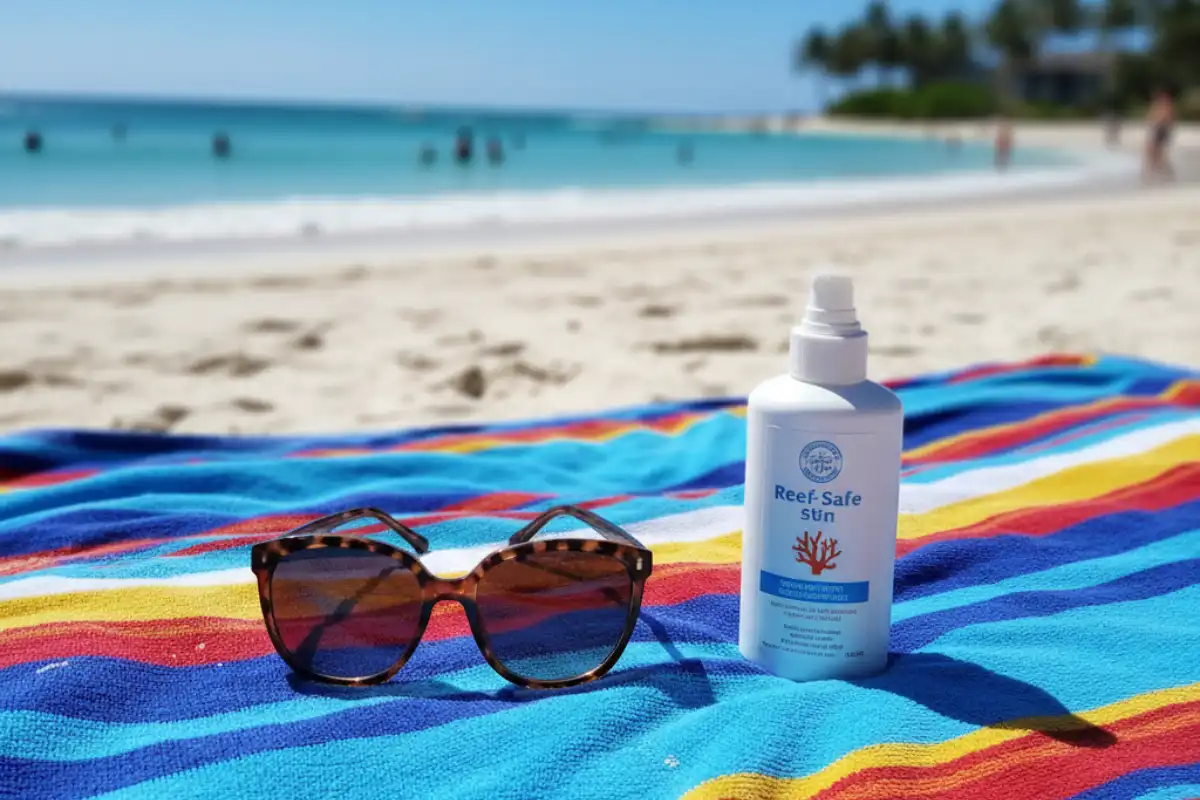
If your 2026 plans include Hawaii, Thailand, or the Caribbean, “reef-safe” isn’t a suggestion—it’s often the law. Many destinations have banned oxybenzone and octinoxate due to their impact on coral bleaching.
“I learned the hard way in Palau that they check your bag for non-mineral sunscreens. I now stick to brands like Thrive or Badger. They are zinc-based but modern formulas have finally fixed that ‘ghostly’ white look.” — Advice from a sustainable travel contributor.
Look for Non-Nano Zinc Oxide. These particles are large enough that they won’t be ingested by coral polyps, making them truly ocean-friendly.
3. Packing Hacks: Solids and TSA-Friendly SPF
Liquid limits are the bane of a traveler’s existence. In 2026, savvy packers are switching formats to maximize their bag space.
- SPF Sticks: Brands like Shiseido and Abib offer clear sticks that are perfect for reapplication on the go. Since they are solid, they don’t count toward your liquid allowance.
- Powder Sunscreen: Colorescience Sunforgettable is a brush-on powder that’s great for protecting your scalp and resetting your makeup without the grease.
- The “Pump Transfer” Myth: Don’t transfer sunscreen into smaller clear bottles. UV filters are light-sensitive, and many travel bottles aren’t opaque enough to keep the formula stable. Buy factory-sealed travel sizes or sticks instead.
Frequently Asked Questions: Summer SPF Travel
Is SPF 50 really that much better than SPF 30?
SPF 30 blocks about 97% of UVB rays, while SPF 50 blocks about 98%. While the difference seems small, for travelers in high-UV areas (equator-bound), that 1% extra protection and the typically more robust formulas of SPF 50 are worth it.
Can I use my sunscreen from last summer?
Check the expiration date. Most sunscreens are designed to last three years, but if it was left in a hot car or on a hot beach, the active chemicals can break down much faster. If the texture has changed or it smells “off,” toss it.
What is the difference between PA++++ and SPF?
SPF measures protection against UVB (burning) rays. The PA system (common in Asian sunscreens) measures protection against UVA (aging and deep tissue damage) rays. For travel, you want both: at least SPF 30 and PA+++ or “Broad Spectrum.”
Does “Water Resistant” mean I don’t need to reapply?
No. “Water resistant” usually only protects you for 40 or 80 minutes of swimming or sweating. You must reapply immediately after towel-drying, as the friction of the towel removes most of the protective film.
Can I use body sunscreen on my face?
Technically yes, but body sunscreens are often thicker and contain oils that can clog facial pores or sting your eyes. If you’re prone to breakouts or have sensitive skin, a dedicated facial SPF is a better investment for a comfortable trip.
Conclusion: Glow Safely Under the Sun 🌍
The best sunscreen for your 2026 summer travel is the one you will actually wear every day. By choosing a formula that fits your destination’s environmental laws and your own skin’s needs, you can enjoy the sun without the shadow of damage. Pack light, reapply often, and make those summer memories last longer than your tan.