Best places to see the Northern Lights
The **Aurora Borealis**, or Northern Lights, is one of the world's most spectacular natural phenomena, a display of solar particles interacting with the Earth's magnetic field. While the lights are unpredictable, choosing the right destination one situated within or close to the **Auroral Oval** significantly increases your chances of a successful sighting.
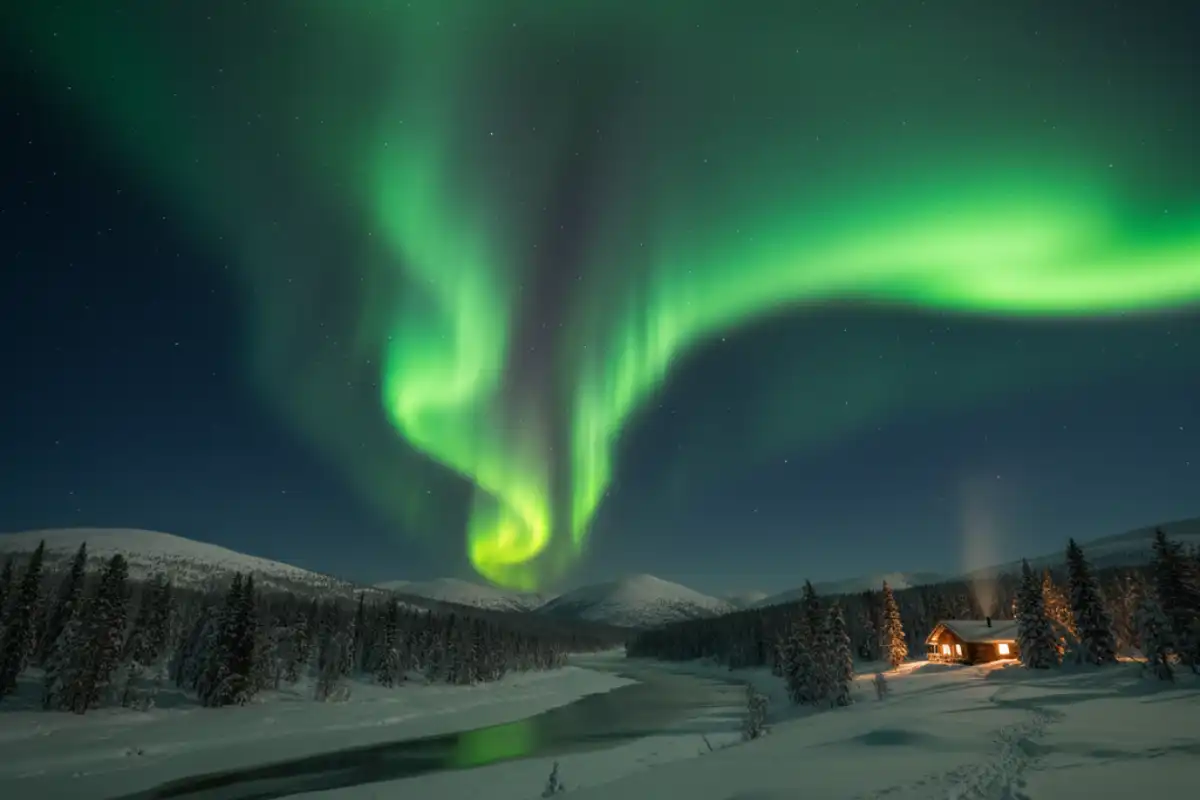
Premier Destinations for Consistent Viewing
1. Tromsø, Norway: The Urban Gateway to the Arctic
Located deep within the Auroral Oval, Tromsø is often hailed as the “Gateway to the Arctic.” Its infrastructure is excellent, combining accessibility with prime viewing opportunities.
- **Why Tromsø?** Its coastal location means the climate is milder than inland Arctic spots. It offers a wide variety of organized chase tours (bus, boat, snowmobile) to find clear patches of sky.
- **Traveler Review:** “Tromsø was perfect for a first-time Aurora hunter. The city itself is vibrant, and the tours were highly professional. We saw the lights on a fjord cruise, which gave us an unobstructed view over the water absolutely incredible.” (Source: Nordic Travel Blog)
2. Abisko National Park, Sweden: The Blue Hole
Abisko is famous for the **”Blue Hole,”** a patch of sky over the Torneträsk lake that remains frequently clear even when surrounding areas are overcast. This unique meteorological phenomenon offers one of the highest statistical chances of viewing the Aurora.
- **The Highlight:** The **Aurora Sky Station**, accessible by chairlift, offers an elevated viewing platform far from light pollution.
- **Accommodation:** Focused on wilderness experiences, ideal for those seeking solitude and dedicated viewing time.
3. Yellowknife, Northwest Territories, Canada: Inland Stability
Yellowknife offers a distinct environment: far inland, meaning the weather is extremely cold, but the skies are typically drier and clearer than coastal areas. The flat, expansive terrain offers an enormous, uninterrupted view of the entire horizon.
- **Key Feature:** Known for its high Aurora occurrence rate and dedicated viewing facilities, including indigenous-run camps and heated teepees.
Unique and Off-the-Beaten-Path Spots 🗺️
1. Iceland: Volcanic Backdrop
While often cloudy, Iceland’s accessibility and stunning landscapes make it a popular choice. The entire country is positioned beneath the Auroral Oval.
- **The Experience:** Combining a hunt for the Northern Lights with soaking in geothermal hot springs or exploring black sand beaches. The key is flexibility you may need to drive far from Reykjavik to escape cloud cover and light pollution.
2. Rovaniemi/Lapland, Finland: Comfort and Culture
Finland offers a magical winter experience focused on culture and comfort. Rovaniemi (Santa’s official home) and Saariselkä provide opportunities to stay in **heated glass igloos** designed specifically for in-bed Aurora viewing.
- **Tip from a Photographer:** “For the best photos in Finland, move away from the tourist centers. Find a remote spot near a frozen lake. The flat, reflective surface of the frozen snow and ice adds a stunning element to the light pillars.” (Source: Polar Photography Journal)
Maximize Your Chances: Timing and Prep ⏰
Sighting the Aurora is a blend of luck, location, and preparation.
- **Best Time of Year:** **September to April** are the best months, as they offer the longest hours of darkness. The peak season is often considered **January to March**.
- **Best Time of Day:** The lights are typically most active between **10:00 PM and 3:00 AM** local time.
- **Solar Activity:** Check Aurora forecasts (like the Kp-Index) before you go, but remember, even a low Kp can produce a visible show under a clear, dark sky.
- **Avoid the Full Moon:** Plan your trip around the New Moon to ensure maximum darkness, making fainter Auroras more visible.
Frequently Asked Questions About Northern Lights Travel
What is the most affordable country for Aurora hunting?
Generally, **Finland** (especially if staying in hostels or self-catering cabins outside of high-end resorts) or certain remote areas of **Canada** can be more affordable than Norway or Iceland, which have higher costs of living and dining.
How many days should I book to ensure a sighting?
For a high-probability location like Tromsø or Abisko, booking **4 to 7 nights** is generally recommended. This allows for weather variability (clouds) and increases your chances significantly compared to a short weekend trip.
Do I need a special camera to capture the lights?
To capture the brilliant colors seen in photos, yes. You need a camera capable of **manual settings (M mode)**, a wide-angle lens with a low aperture (f/2.8 or lower), and a **sturdy tripod** for long-exposure shots (10–25 seconds).
Is the Aurora visible in the summer months?
The Aurora is still active during the summer, but due to the phenomenon of the **Midnight Sun** (24 hours of daylight above the Arctic Circle), the sky is too bright for the lights to be seen from late May to early August.
What is the difference between the Auroral Oval and the Arctic Circle?
The **Arctic Circle** is a geographical line (latitude $66^\circ 33’\text{ N}$). The **Auroral Oval** is the dynamic, magnetic ring around the geomagnetic North Pole where the lights are most intense and frequently seen. All the best viewing spots lie within or just under this oval, which is not fixed to the Arctic Circle.
Conclusion: Chasing the Lights is the Adventure ✨
Choosing the best place to see the Northern Lights is about balancing logistical ease with statistical probability. Whether you opt for the clear, cold skies of Yellowknife, the coastal comfort of Tromsø, or the dedicated viewing infrastructure of Abisko, preparation is key. By traveling during the darkest months, staying for at least five nights, and preparing for the cold, you maximize your chances of witnessing this breathtaking spectacle.