Best places for snowmobiling in North America
Snowmobiling offers a thrilling way to experience the vast, silent beauty of the North American winter landscape, reaching remote areas inaccessible by other means. The continent boasts diverse terrain suitable for every level of rider, from expertly groomed, multi-state trail systems to challenging, deep-powder mountain playgrounds.
The U.S. Heavyweights: Mountain Powder and Deep Snow 🇺🇸
The Rocky Mountain states are famous for deep, light snow (powder) and extensive public land access, ideal for experienced riders.
1. Wyoming: Jackson Hole and Togwotee Pass
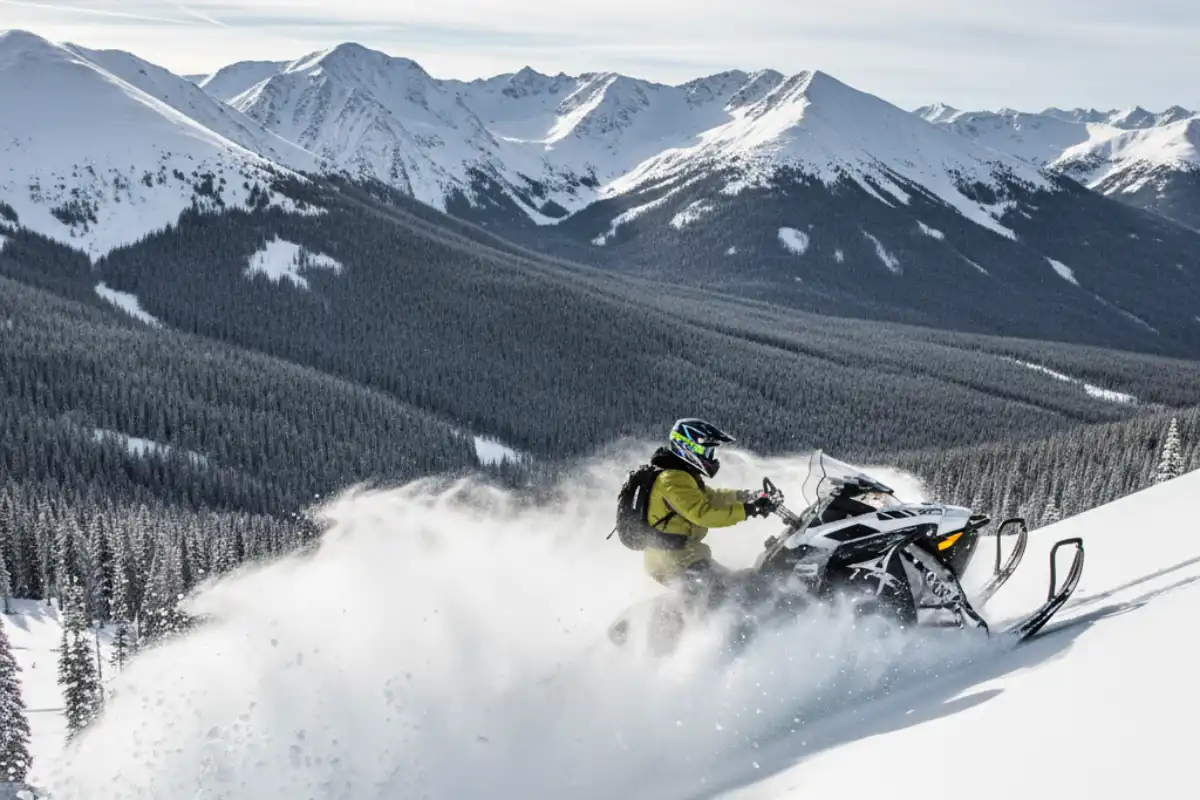
Wyoming is often considered the capital of mountain snowmobiling. Togwotee Pass, located northeast of Jackson, receives staggering amounts of snow and offers some of the most dramatic, high-altitude riding in the world.
- **Terrain:** Open meadows, extreme vertical climbs, and access to the Bridger-Teton National Forest.
- **Traveler Review:** “Togwotee is the real deal. If you can ride here, you can ride anywhere. The views of the Tetons are unreal, but you need a powerful mountain sled and **MUST carry avalanche gear**. Don’t venture off-trail without training.” (Source: Mountain Snowmobiling Forum)
2. Michigan: The Upper Peninsula (UP)
A stark contrast to the mountains, Michigan’s UP offers the most extensive and well-maintained **groomed trail network** in the world, with over 3,000 miles of interconnected trails.
- **Terrain:** Flat, forested trails and lakeside paths, perfect for long-distance touring and beginner/intermediate riders.
- **Highlight:** The Keweenaw Peninsula, which receives the most consistent lake-effect snow.
Canada’s Premier Snowmobile Havens 🇨🇦
Canada provides vast, untouched wilderness, often managed by dedicated local snowmobile associations.
1. Quebec: The Trans-Quebec Trail System (TQ)
Quebec is a touring paradise, boasting over 33,000 kilometers of groomed and marked trails (the TQ network). The provincial government and local clubs invest heavily in maintenance, making riding predictable and comfortable.
- **Experience:** Trailside lodging, dining, and fuel stops are integrated into the system, allowing for multi-day, hotel-to-hotel touring.
- **Travel Guide Quote:** “Quebec offers the European model of snowmobiling you rarely have to worry about trail conditions or getting lost. It’s ideal for couples or groups who want high-mileage touring without the high-stakes risk of the backcountry.” (Source: Snowmobile Tourism Magazine)
2. British Columbia: Revelstoke and Golden
Located in the heart of the Canadian Rockies, these areas are world-renowned for their deep, stable snowpack and access to massive alpine bowls and mountain features. This is the destination for high-octane mountain riding.
- **Terrain:** High-elevation, steep, and challenging. These areas are heavily regulated for safety due to avalanche risk.
- **Requirement:** Advanced riding skills and mandatory avalanche safety training (AST Level 1).
Safety and Logistics for Travelers 🗺️
- **Rentals:** Look for established outfitters who offer modern sleds and provide safety gear (helmets, beacon, probe, shovel) as part of the rental package, especially in mountain areas.
- **Permits:** Most states and provinces require a **trail permit** (often called a registration fee or sticker) to use the groomed trails. Always purchase this, as the fees fund the trail maintenance.
- **The Buddy System:** Never ride alone, especially in the backcountry. Stick to a group of three or more and communicate your route plan clearly to someone staying behind.
Safety Bulletin: Avalanche Awareness is Non-Negotiable
“If your trip involves riding off-trail in the mountains of Wyoming, Utah, or B.C., a snowmobile helmet is simply not enough. Your group must be equipped with working **avalanche transceivers (beacons)**, shovels, and probes. Check the **local avalanche forecast** daily (e.g., Avalanche.org) and take an introductory avalanche safety course before your trip.”
Frequently Asked Questions About Snowmobiling
Do I need prior experience to snowmobile?
Not for guided tours or basic trail riding. Many outfitters offer beginner-friendly snowmobiles and tours on smooth trails. However, riding in mountain backcountry requires significant prior experience, physical fitness, and specific training.
What is the best time of year for snowmobiling?
The peak season is typically **mid-January through late February**. This period offers the deepest, most consistent snowpack and the coldest temperatures, which keep the trails firm. March can be excellent but often involves warmer temperatures and softer conditions.
Is it possible to rent the necessary cold-weather gear?
Yes. Most quality rental operations include the mandatory helmet and often offer specialized, insulated snowmobile suits, boots, and gloves for a daily fee. This is highly recommended, as street clothes are inadequate for the cold and wind chill at high speeds.
How fast can snowmobiles go on the trails?
Modern snowmobiles are capable of speeds well over 100 mph (160 km/h). However, speed limits on groomed trails are strictly enforced and typically range from 35 mph (55 km/h) to 50 mph (80 km/h) for safety and trail preservation. The backcountry has no official speed limit, but terrain dictates speed.
Which destination is best for a first-time snowmobiling trip?
For first-timers seeking safety and ease, a state like **Michigan (UP)** or a region with highly organized trail systems like **Quebec** is ideal. These areas minimize risk and allow focus on learning the controls and enjoying the scenery.
Conclusion: Powering Through the Winter Wilderness 🏁
Snowmobiling in North America offers two distinct adventures: the serene, long-distance touring of the vast trail systems or the adrenaline-fueled challenges of mountain backcountry. By matching your experience level to the destination, ensuring your group is equipped with the right gear, and respecting the immense power of the cold wilderness, you unlock an unforgettable way to experience the continent’s most dramatic winter landscapes.