Best Museums in Warsaw for WWII History
Warsaw is a city with a harrowing past, one that is deeply intertwined with the events of World War II. For history enthusiasts, the city offers some of the most powerful and moving museums in Europe. This 2025 guide highlights the best museums to understand Warsaw's WWII history, along with essential tips on budget, food, transport, and safety to ensure a respectful and rewarding trip.
A City Reborn: Understanding Warsaw’s Past
Warsaw’s history is a story of destruction and remarkable resilience. In the aftermath of World War II, the city was almost completely leveled. The museums dedicated to this period are not just collections of artifacts; they are emotional journeys that honor the sacrifice and spirit of the Polish people. This guide will help you navigate these important sites and provide practical advice for your visit.
The Top Museums for WWII History
A visit to these museums is essential for understanding Warsaw’s modern identity.
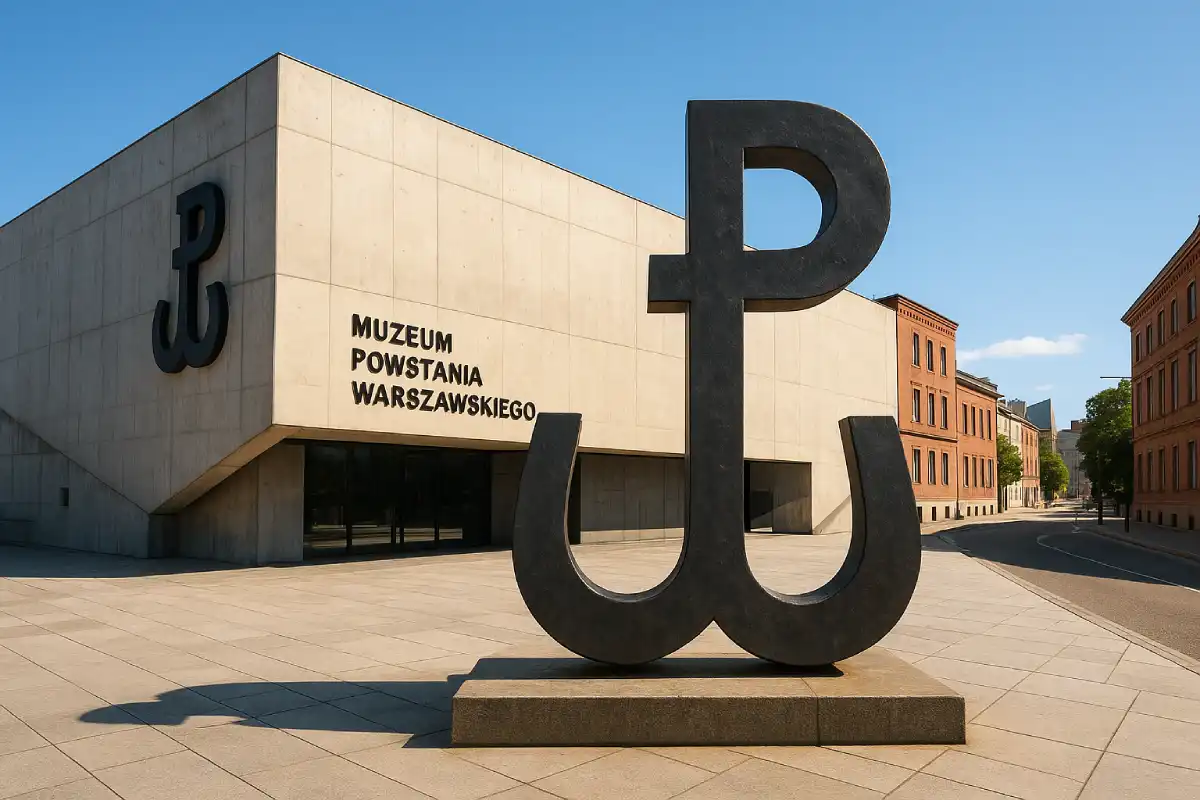
1. Warsaw Rising Museum (Muzeum Powstania Warszawskiego)
- Why it’s essential: This is arguably the most impactful museum in Warsaw. It is a tribute to the heroes of the 1944 Warsaw Uprising, a 63-day struggle to liberate the city from Nazi German occupation. The museum is a multi-sensory experience with interactive exhibits, personal accounts, and powerful displays.
- Cost: Standard ticket is around 25 PLN ($6.50 USD). Free on Sundays.
- Pro Tip: Allocate at least 3-4 hours for your visit. It’s an emotionally heavy experience, and rushing through it diminishes its impact.
2. POLIN Museum of the History of Polish Jews (Muzeum Historii Żydów Polskich)
- Why it’s essential: Located on the site of the former Warsaw Ghetto, this museum tells the story of Polish Jews from the Middle Ages to the present day. The exhibition on WWII and the Holocaust is particularly moving, documenting the persecution and destruction of Jewish life in Poland.
- Cost: Standard ticket is around 30 PLN ($7.80 USD). Free on Thursdays.
- Pro Tip: The building itself is an architectural masterpiece. The exhibits are incredibly detailed, so plan for a full half-day visit.
3. Museum of the History of Warsaw (Muzeum Warszawy)
- Why it’s essential: Located in the Old Town Market Square, this museum provides a broader historical context for the city. It has a dedicated section on WWII that shows the destruction of the city and its painstaking reconstruction.
- Cost: Standard ticket is around 20 PLN ($5.20 USD). Free on Thursdays.
1. The Cost of a Bed: Budget-Friendly Accommodation
Warsaw is a very affordable city, and finding budget accommodation is easy. Hostels offer excellent value and are often centrally located, allowing you to save on transport costs.
Hostel & Budget Accommodation Prices by Area (Average per night for a dorm bed, August 2025)
| Area | Description | Average Price (USD/night) | Pros for Budget Travelers |
|---|---|---|---|
| Śródmieście (City Center) | The central district, home to the Palace of Culture and Science. | $12 – $25 | Central, excellent transport links, walkable to many sights. |
| Old Town (Stare Miasto) | The historic heart of Warsaw, beautifully reconstructed. | $15 – $30 | Picturesque and charming, close to the Royal Castle, but more touristy. |
| Praga-Północ | An artsy, formerly industrial neighborhood across the Vistula River. | $10 – $20 | Excellent value, a hip and bohemian vibe, but requires transport to the city center. |
Note: Prices are estimates for a dorm bed and are subject to significant fluctuation based on season and demand. Private rooms will be 2-3x more expensive.
Tips for Saving on Accommodation:
- Stay in Praga: If you are comfortable with a short commute, Praga offers a unique and more affordable experience with a growing hostel scene.
- Book Early: Poland is a popular travel destination, especially in the summer. Booking your accommodation several months in advance will save you money.
2. Eating on a Dime: Warsaw’s Budget Food Scene
Polish food is hearty, delicious, and very budget-friendly. You can find cheap and filling meals at local eateries known as “bar mleczny” (milk bars).

Estimated Budget Food Costs (August 2025):
- Breakfast: 15 – 25 PLN ($4 – $6.50 USD) for coffee and a pastry.
- Lunch: 20 – 40 PLN ($5.20 – $10.40 USD) for a meal at a “bar mleczny” or a quick-service restaurant.
- Dinner: 30 – 60 PLN ($7.80 – $15.60 USD) for a meal at a traditional Polish restaurant.
- Daily Budget for Food: 60 – 100 PLN ($15.60 – $26 USD) if you stick to budget-friendly options.
Budget Eating Tips:
- Go to a “Bar Mleczny”: These are cafeteria-style restaurants that serve traditional Polish food at incredibly low prices. They are a must-try for any budget traveler.
- Try Street Food: “Zapiekanka” (a baked baguette with toppings) and “obwarzanki” (a type of bagel) are delicious and cheap street snacks.
- Buy from a “Piekarnia”: Bakeries are everywhere and offer a variety of fresh, cheap bread and pastries.
3. Getting Around: The Cost of Public Transit
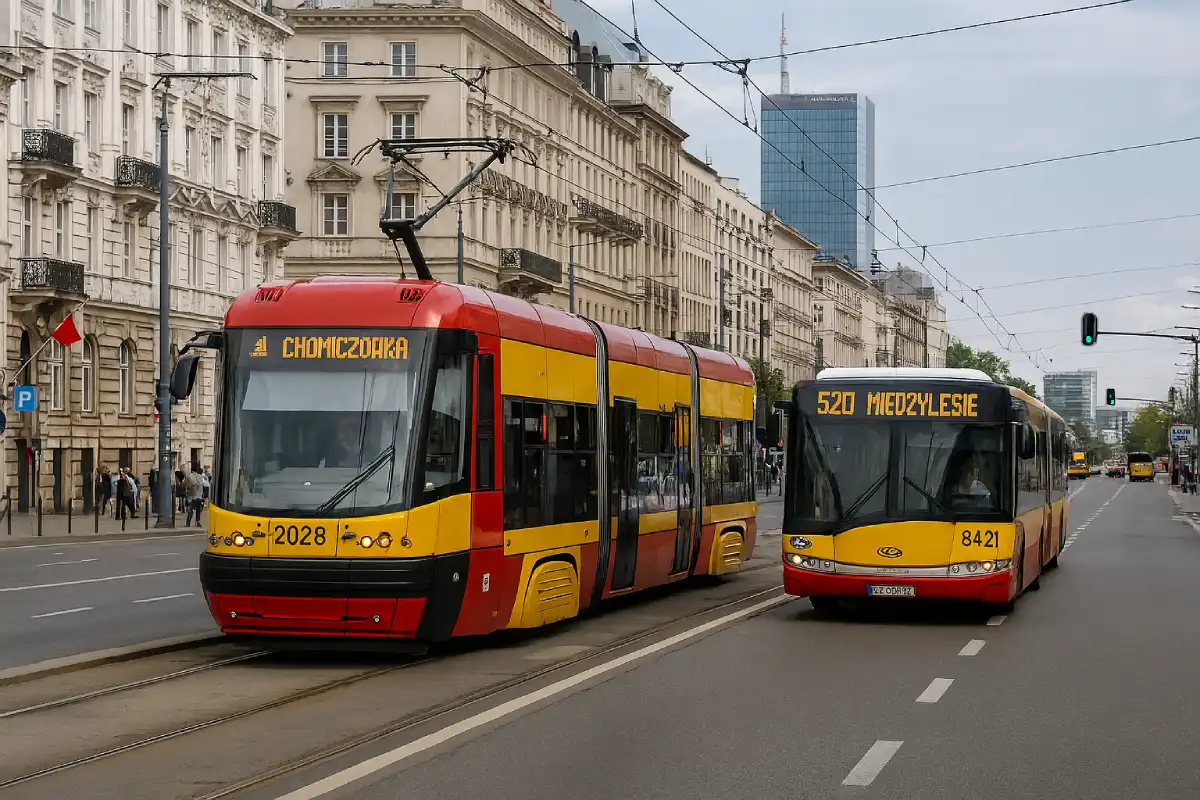
Warsaw has an excellent public transport system, including buses, trams, and a metro. It is efficient, clean, and very affordable. A single ticket can be used for all modes of transport within a specific time frame.
Fares (As of August 2025, subject to minor changes):
- Single Ticket (75 minutes): 4.40 PLN ($1.15 USD). This ticket allows unlimited transfers within 75 minutes of validation.
- 24-Hour Pass: 15 PLN ($3.90 USD). This is a great value if you plan to use public transport frequently.
- Weekend Pass: 24 PLN ($6.20 USD). Valid from 7 PM on Friday until 8 AM on Monday.
Tips for Transportation:
- Use the Metro: It is the fastest way to get around the city, especially between the Old Town and the modern city center.
- Validate Your Ticket: You must validate your ticket in the machines on buses and trams, or at the metro turnstiles. Plainclothes inspectors regularly check for validated tickets.
- Walk in the Center: The Old Town and the main tourist areas are very walkable, so you may not need public transport as much as you think.
4. Staying Safe: Dangers, Scams, and Areas to Avoid
Warsaw is considered one of the safest major cities in Europe. However, like any big city, it has its issues, and a bit of caution can go a long way.
Common Dangers & Scams:
- Petty Theft: Pickpocketing is the most common crime, especially in crowded tourist areas, on public transport, and at busy markets. Keep your belongings secure.
- Taxi Scams: Unlicensed taxis may try to overcharge you. Always use a reputable taxi company or a ride-hailing app like Uber, Bolt, or Free Now.
- Fake Police: A scam where someone poses as a police officer and asks to see your money or documents. Legitimate police will always be in uniform and will not demand cash on the street.
Areas to Be Cautious Of:
- Central Train Stations (at night): Like in many cities, the area around the main train stations (Warszawa Centralna) can be a bit sketchy after dark.
- Nightlife Districts: While generally safe, be aware of your surroundings in nightlife districts like Praga after a few drinks.
General Safety Advice:
- Keep Your Valuables Secure: Use a cross-body bag or a money belt, and be extra careful in crowded places.
- Learn a Few Polish Phrases: Knowing phrases like “Dzień dobry” (Good day) and “Dziękuję” (Thank you) will be appreciated by locals.
- Trust Your Gut: If a situation feels off, remove yourself from it.
- Emergency Numbers: Police 112, Ambulance 112.
5. Ensuring a Positive & Unforgettable Warsaw Trip
A positive attitude and a willingness to explore will make your trip to Warsaw truly memorable.
- Walk the Royal Route: This historic route connects the Royal Castle in the Old Town with the Wilanów Palace. It’s a great way to see many of the city’s landmarks on foot.
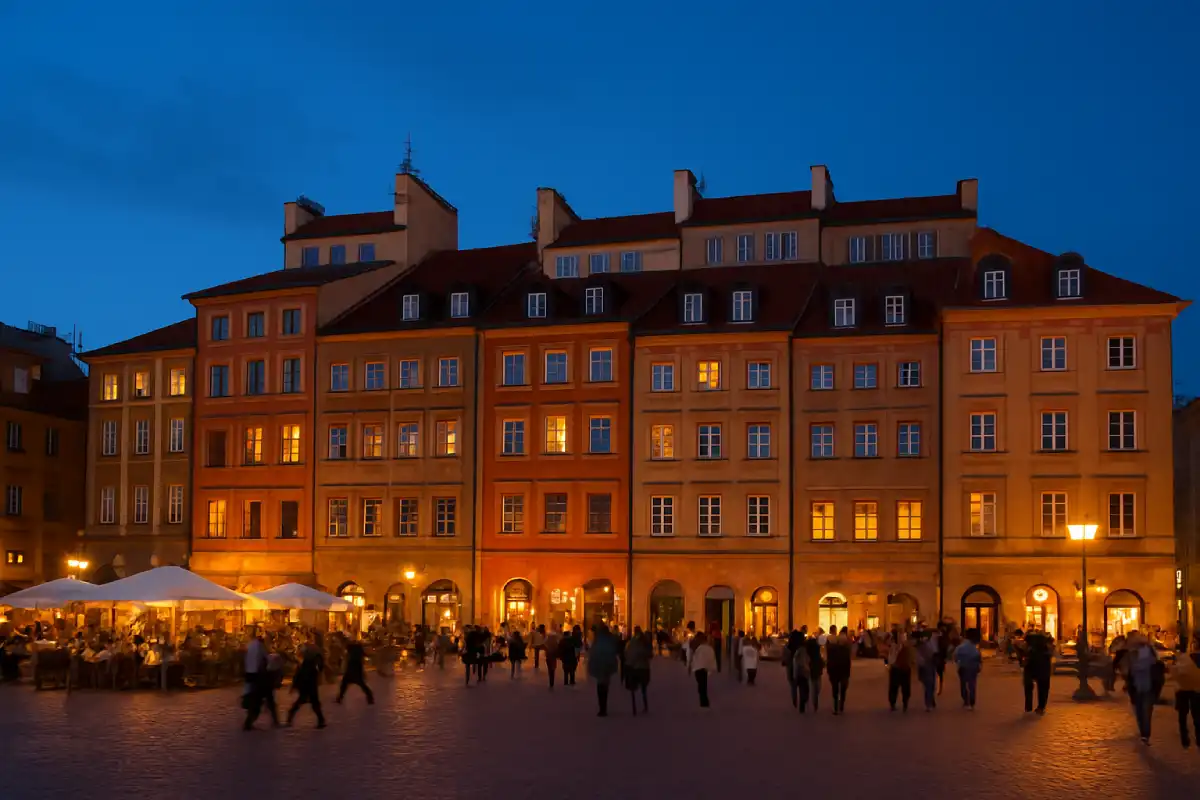
- Visit the Old Town: The Old Town was completely rebuilt after the war. Walking through it is a testament to the city’s indomitable spirit.
- Pay Attention to Memorials: You will see many memorials and plaques throughout the city. Take a moment to read them and reflect on their meaning.
- Go Beyond the Museums: To truly understand the history, visit sites like the Umschlagplatz Memorial and the remnants of the Ghetto Wall.
- Be Respectful: When visiting historical sites, particularly those related to the Holocaust or the Uprising, maintain a respectful and quiet demeanor.
6. Warsaw Travel FAQs (August 2025)
Is Warsaw an expensive city for tourists?
No, Warsaw is one of the most affordable capital cities in Europe. You can find cheap accommodation, food, and transport, making it an excellent destination for budget travelers.
What is the currency in Poland?
The currency is the Polish Złoty (PLN). While many places accept credit cards, it’s a good idea to have some cash for small purchases, street food, and local markets.
Is it easy to get around using public transport?
Yes, Warsaw’s public transport system is very efficient and easy to use. The metro and trams connect all the main areas of the city. Make sure to validate your ticket as soon as you board.
What is the best way to get from the airport to downtown Warsaw?
The most convenient way is by train (S2 or S3) from Chopin Airport (WAW) directly to Warszawa Centralna. A taxi or ride-hailing app is also a good option and is very affordable compared to other major European cities.
What should I know about visiting the WWII museums?
Be prepared for an emotionally challenging experience. These museums are not just about facts; they are about personal stories and immense tragedy. Dress comfortably and give yourself plenty of time to fully absorb the exhibits.
Your Warsaw History Journey Awaits!
Visiting Warsaw’s WWII museums is a profound and essential experience. With these practical tips on hand, you can explore the city’s history with respect, confidence, and a deep appreciation for its enduring spirit. Enjoy your trip to this incredible capital!
Start Planning Your Warsaw Trip