Best Destinations for Stargazing and Night Sky Photography
In an age dominated by artificial light, finding a truly dark sky is an increasingly rare and precious experience. For astrophotographers and stargazing enthusiasts, escaping **light pollution** is the ultimate quest. The sheer spectacle of the Milky Way arching across the sky or the vibrant dance of the Aurora Borealis is unparalleled. Fortunately, organizations like the **International Dark-Sky Association (IDA)** have certified locations around the globe that offer pristine viewing conditions. This guide will take you on a journey to the **best destinations for stargazing and night sky photography**, providing you with traveler-tested tips, gear advice from professional photographers, and a roadmap to planning your perfect celestial trip.
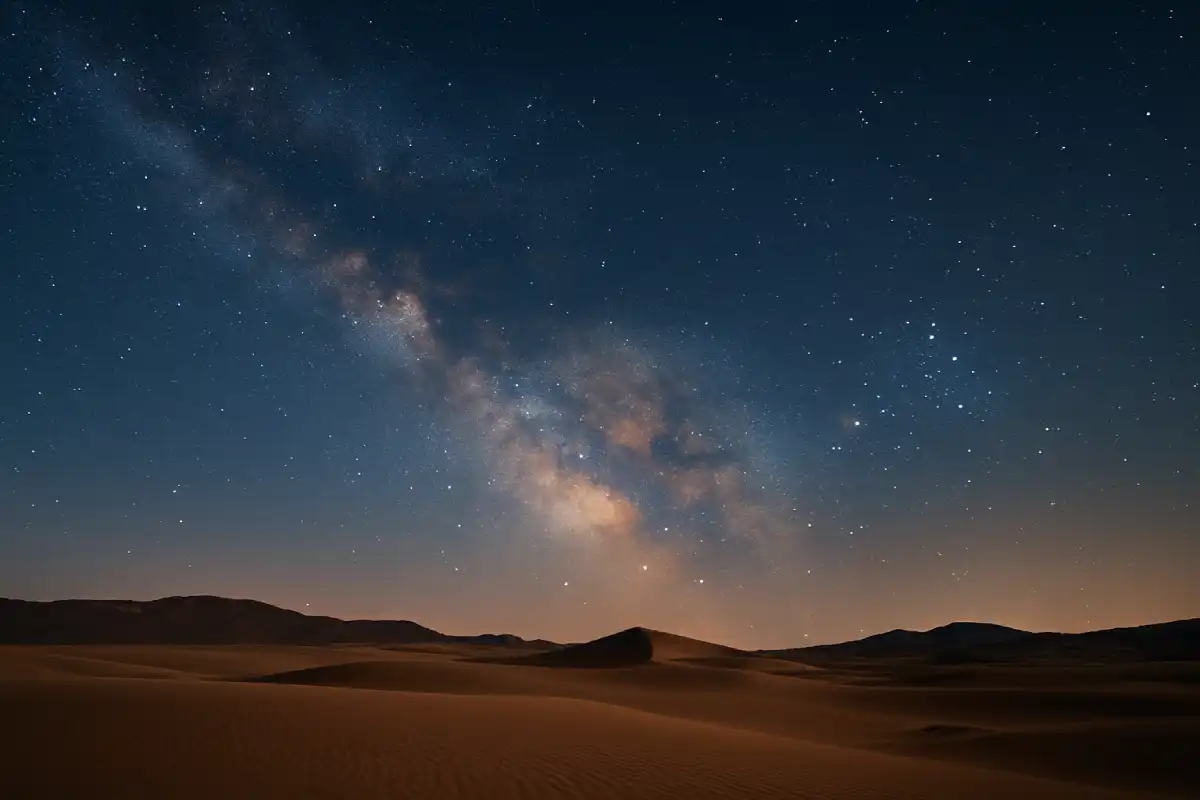
The World’s Darkest and Most Accessible Skies ✨
These locations are revered by astronomers and photographers for their exceptionally dark, clear, and stable viewing conditions.
1. IDA International Dark Sky Reserves & Parks 🔭
Certified Dark Sky Reserves are legally protected areas ensuring minimal light pollution. They are the gold standard for viewing.
- **Aoraki Mackenzie International Dark Sky Reserve, New Zealand:** Located in the South Island, this reserve offers some of the clearest, darkest skies on Earth. It’s especially popular for viewing the **Southern Cross** and the spectacular Magellanic Clouds, which are visible only from the Southern Hemisphere.
- **Galloway Forest Park, Scotland, UK:** As the UK’s first Dark Sky Park, Galloway is highly accessible to European travelers. While not as pitch-black as desert locations, it offers impressive views of the Milky Way core and is excellent for temperate-zone constellations.
2. Prime High-Altitude and Desert Locations 🏜️
High altitude and dry, arid climates mean less atmospheric distortion and less cloud cover.
- **Atacama Desert, Chile:** Home to some of the world’s most powerful professional observatories, the Atacama’s altitude and dry air make it a celestial dream. Stargazing tours are plentiful, and the skies are reliably clear almost every night of the year.
- **Death Valley National Park, USA:** Recognized as a Gold Tier International Dark Sky Park, Death Valley’s immense size and remote location ensure virtually no light pollution. The low elevation offers a vast, 360-degree horizon perfect for framing landscape astrophotos.
Astrophotographer’s Secret: Ken, from a Specialized Gear Review Site
“Don’t just chase the famous spots. The real secret to a great night sky photo is timing your trip for the **New Moon**. The moonlight completely washes out the faint details of the Milky Way. Plan your visit for the week leading up to or following the New Moon for the deepest, darkest images.”
The Quest for the Aurora Borealis 🟢
Chasing the Northern Lights requires a different set of logistics, focusing on high-latitude areas and reliable solar activity forecasts.
1. The Arctic Circle Essentials ❄️
The best viewing is generally found between 65° and 72° N latitude, known as the Aurora Oval.
- **Tromsø, Norway:** Often called the “Gateway to the Arctic,” Tromsø offers excellent infrastructure, reliable tours, and a slightly warmer climate than other spots, thanks to the Gulf Stream.
- **Yellowknife, Northwest Territories, Canada:** Famous for its consistently clear nights and being directly under the Auroral Oval, Yellowknife is one of the most reliable places globally to see the lights.
2. Essential Gear for Aurora Photography 📸
Shooting the Northern Lights requires patience and cold-weather preparation. **Always use a tripod** long exposures are a necessity. Use a wide-angle lens with a wide aperture (f/2.8 or faster) to capture the faint light. Layers of warm clothing, including thermal gloves and toe warmers, are non-negotiable for spending hours in freezing temperatures.
Aurora Chaser’s Advice: Lena, Travel Writer for an Arctic Magazine
“Forget the camera for the first hour. Just watch. Then, when you’re ready to shoot, always frame the lights with something interesting in the foreground a frozen lake, a cabin, or a silhouette of a friend. It gives the photo depth and scale, which is key to a compelling Aurora image.”
Frequently Asked Questions About Night Sky Travel
What is the best type of gear for a beginner night sky photographer?
Start with a basic DSLR or mirrorless camera that allows manual mode controls (M). You need a sturdy **tripod** (essential for long exposures) and a **wide-angle lens** (24mm or wider) with a fast aperture (f/4.0 or lower). Don’t forget a headlamp that has a red light setting red light preserves your night vision.
What is ‘light pollution’ and why is it so bad for stargazing?
Light pollution is artificial light that illuminates the night sky, primarily from cities. It creates a ‘skyglow’ that washes out the fainter celestial objects, making it impossible to see the Milky Way or subtle nebulae. To see the true beauty of the cosmos, you must travel at least 50-100 miles away from major metropolitan areas.
How can I check the sky darkness of a location before booking?
Use the **Bortle Scale**. It’s a nine-level scale that measures night sky brightness. Class 1 is the darkest (ideal for professional viewing), and Class 9 is inner-city sky. You can use online tools like the Dark Site Finder or Light Pollution Maps to check the Bortle rating of any potential travel spot. Aim for Class 3 or lower.
When is the best time of year to photograph the Milky Way?
The “Milky Way season” typically runs from **March through October** in the Northern Hemisphere, with the core being highest in the sky from June to August. In the Southern Hemisphere, the core is visible year-round, but best seen during the winter months (June to August) when nights are longest.
Do I need to join a tour, or can I find a spot on my own?
For certified parks and reserves, you can often find great viewing spots on your own. However, joining a local tour is highly recommended, especially in remote areas. Guides know the best, safest locations, can provide equipment (telescopes), and are experts at reading local weather and solar activity forecasts, saving you time and frustration.
Conclusion: The Universe Awaits
The pursuit of the perfect dark sky is a journey that connects us to the vastness of the universe. It’s a rewarding quest that requires planning, the right timing, and respect for the environment. By utilizing resources like the IDA and taking advice from the global community of astrophotographers, you can trade the city glow for the cosmic sparkle. Whether you are seeking the awe-inspiring Milky Way or the ethereal glow of the Northern Lights, these destinations offer the clearest views of the night sky, ready for you to witness and capture their magic.