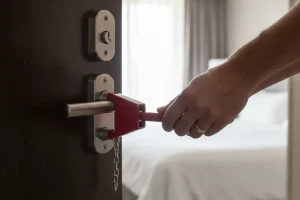
Basic Survival Skills Every Traveler Should Know
We rely heavily on technology for travel: GPS for navigation, banking apps for currency, and constant connectivity for emergencies. Yet, what happens when the battery dies, the signal drops, or a sudden, unexpected crisis hits whether it's a vehicle breakdown in a remote area or a natural disaster in a busy city? Every traveler, regardless of their itinerary, should possess a foundational set of **basic survival skills**. These aren't just for wilderness explorers; they are crucial for maintaining **safety, resourcefulness, and psychological composure** when your predictable plans fall apart.
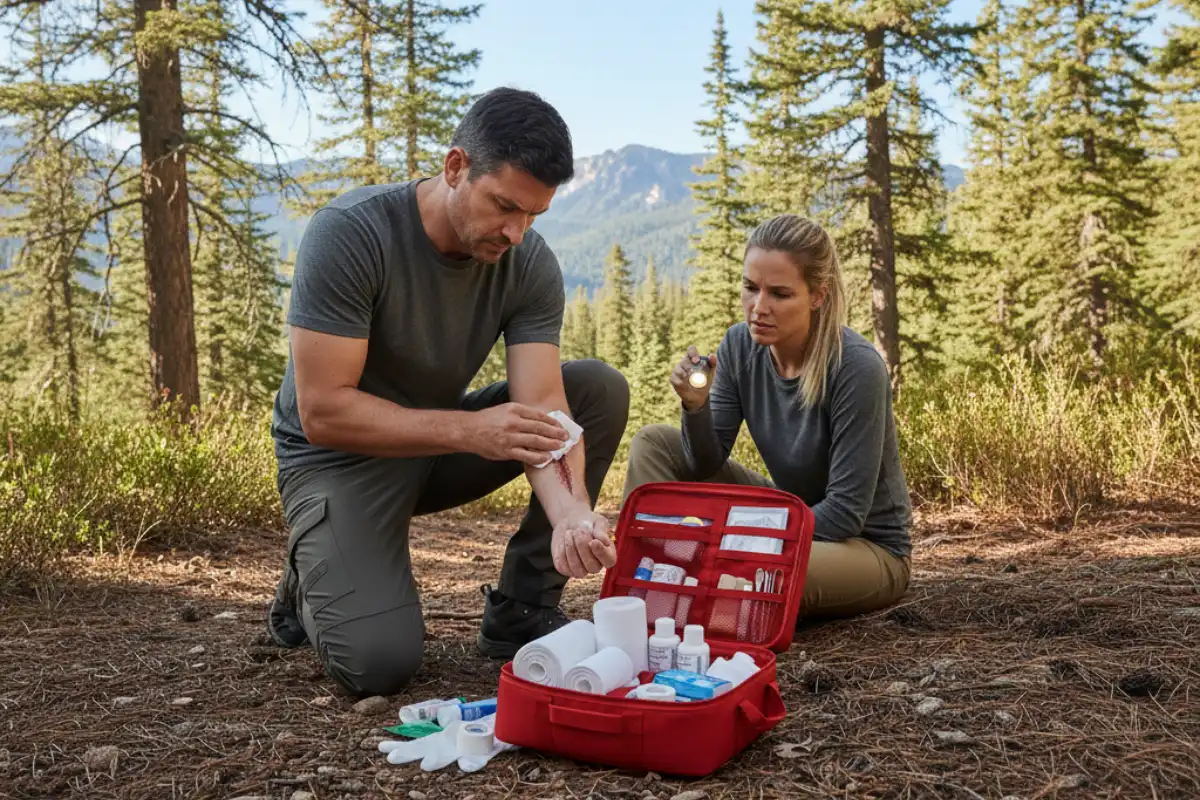
The Rule of Threes and Priorities: Stay Calm, Stay Alive 🧠
In any survival situation, stress is your greatest enemy. Knowing the “Rule of Threes” helps you prioritize actions to maximize your time for rescue or self-extraction.
1. The Immediate Priorities
The “Rule of Threes” dictates that a human can survive:
- **3 Minutes** without air (address severe bleeding or airway obstruction).
- **3 Hours** without shelter in extreme conditions (get warm/dry, or cool/shaded).
- **3 Days** without water (finding water is a top priority after shelter).
- **3 Weeks** without food (food is the lowest priority).
2. Stay Put and Signal
If you are lost or stranded, **stay near your vehicle or initial position**. It is far easier for rescuers to find a stationary object than a moving person. If you can signal, do so: use a reflective mirror, a bright piece of fabric, or three quick bursts of sound (whistle or horn) for universally recognized distress signal.
Search and Rescue Expert’s Advice: Capt. Helen Davies, Retired SAR Officer
“The single most important survival tool a traveler can carry is a **good whistle**. It requires minimal energy, can be heard over greater distances than the human voice, and its sound is instantly recognized as a sign of distress. Attach it to your backpack strap or keychain and use it to signal for help.”
Frequently Asked Questions About Traveler Survival Skills
What three non-tech items are most essential for emergency travel preparedness?
The three most essential non-tech items are: 1) A **quality, loud whistle** for signaling distress. 2) A **water purification straw/tablets** for accessing clean drinking water. 3) A **laminated card** with the emergency numbers (police, ambulance, fire, embassy) of the country you are visiting, plus key medical data.
If I’m lost in a city, what is the best way to regain my bearings without a phone?
Look for major landmarks or public transport signs (like subway station names). Most importantly, find a recognizable building like a police station, hospital, or major hotel. Staff at these locations are trained to assist travelers and can call a taxi or help you locate a physical map.
Should I carry a large knife for survival?
It’s generally not recommended for international travel due to customs and airline restrictions. A better tool is a **multi-tool** with a functional locking blade, saw, and pliers. It is highly versatile, less threatening, and usually easier to carry legally. Check local knife laws thoroughly before packing one.
What is the best way to deal with an unexpected natural disaster (e.g., earthquake)?
If indoors, **Drop, Cover, and Hold On** under sturdy furniture. If outdoors, move to an open area away from buildings, utility lines, and trees. Always follow local official instructions immediately, as different disasters require different responses (e.g., higher ground for tsunamis).
How important is a basic knowledge of local language phrases in an emergency?
Extremely important. Knowing phrases like “Help,” “Police,” “Doctor,” “Water,” and “I am lost” (and the numbers 1-10) can be life-saving. It shows respect and enables immediate, crucial communication, which is often far faster than trying to find a translator app or person.
Conclusion: Empowering Yourself Through Knowledge
Survival skills are not about paranoia; they are about **empowerment**. By preparing for the improbable whether a remote breakdown or an urban emergency you invest in your ability to manage stress and make sound decisions under pressure. Take the time to learn basic first aid, understand how to find and purify water, and practice navigating without relying on your phone. These skills transform you from a potential victim into a capable problem-solver, ensuring that no matter where your travels take you, you have the inner resources to protect yourself and turn a crisis into a story of resilience.