Zanzibar Spice Island Beaches Escape
Zanzibar, the legendary archipelago off the coast of Tanzania, remains an intoxicating blend of Swahili culture, aromatic spice plantations, and some of the world's most breathtaking turquoise waters. As of July 2026, the island has embraced "High-Value, Low-Impact" tourism, focusing on marine conservation and cultural heritage. Whether you are wandering through the limestone-carved alleys of Stone Town or lounging on the powdery white sands of Nungwi, Zanzibar offers a sensory escape like no other. This guide integrates recent traveler insights and ecological reports to help you navigate the tides, the tastes, and the timeless beauty of the Spice Island.
1. Island Lodging: Stone Town Heritage vs. Beachfront Bliss (July 2026)
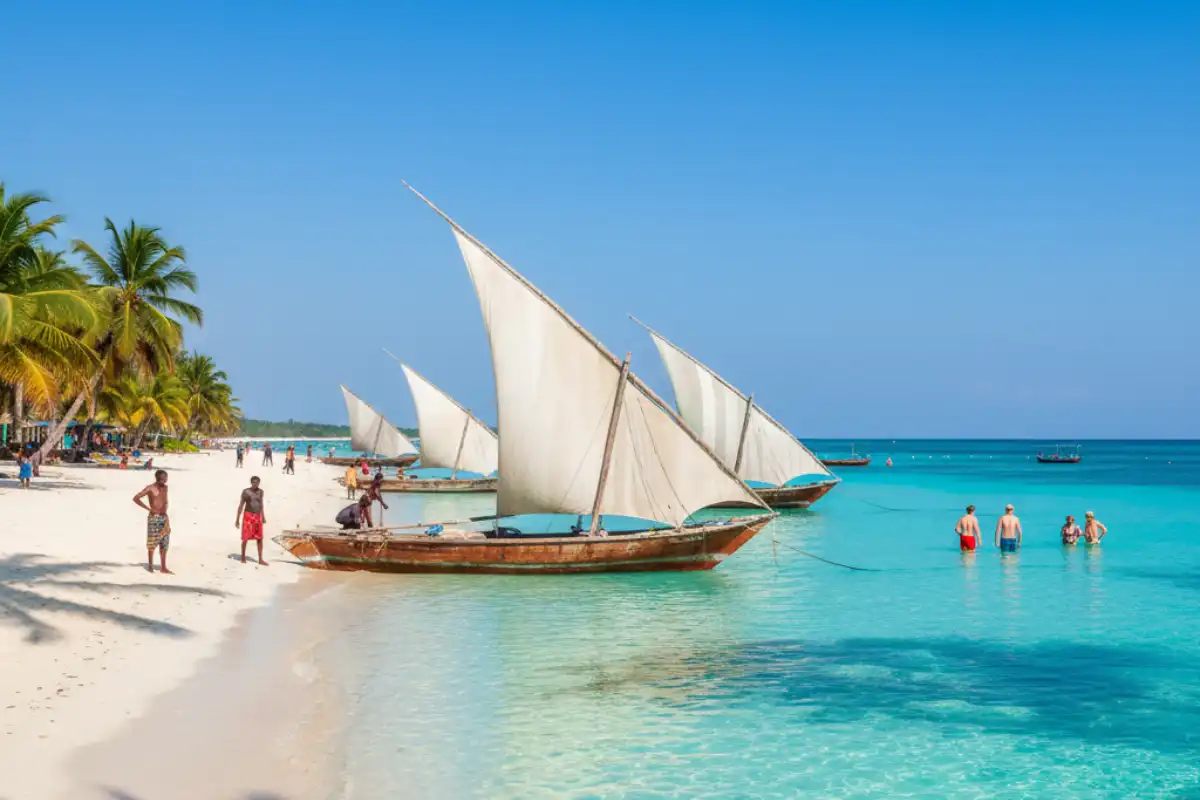
In Zanzibar, where you stay defines your experience. Most travelers split their time between the historical “soul” of Stone Town and the tropical “paradise” of the coast. In July, the island is in its dry season, offering the most comfortable temperatures for exploration.
Estimated Lodging Prices by Area (Average per night, July 2026) – All Prices in USD ($)
| Location | Description | Average Price (USD/night) | Traveler Profile |
|---|---|---|---|
| **Stone Town** | Historic boutique hotels with carved doors and rooftop views. | **$120 – $280** (Heritage Hotel) | History buffs and culture seekers. |
| **Nungwi / Kendwa** | The lively north. Swimming is possible 24/7 (non-tidal). | **$200 – $550** (Luxury Resort) | Couples and social travelers. |
| **Paje / Jambiani** | The kite-surfing hub. Laid back, eco-friendly bungalows. | **$90 – $180** (Eco-Lodge) | **Ultimate Value Hack:** Best for backpackers and digital nomads. |
2. Gastronomy: The Spice Mix of Africa, Arabia, and India
Zanzibari cuisine is a vibrant testament to its history as a trade hub. In 2026, the “Farm-to-Plate” movement has taken off, with many restaurants in Stone Town sourcing ingredients directly from community spice farms.
Estimated Food & Drink Expenses (July 2026)
- **Forodhani Gardens Street Food:** $10 – $15 (Try the “Zanzibar Pizza” and freshly pressed sugarcane juice).
- **Rooftop Dinner in Stone Town:** $35 – $60 (Sunset views paired with Swahili fish curry and pilau rice).
- **The Rock Restaurant Experience:** $80 – $130 per person (One of the world’s most famous dining spots, perched on a coral outcrop).
- **Fresh Coconut (Madafu):** $1 – $2 (The ultimate island hydration).
- **Estimated Daily Budget for Food:** $40 – $80.
3. Island Adventures: Spices, Sunsets, and Giant Tortoises
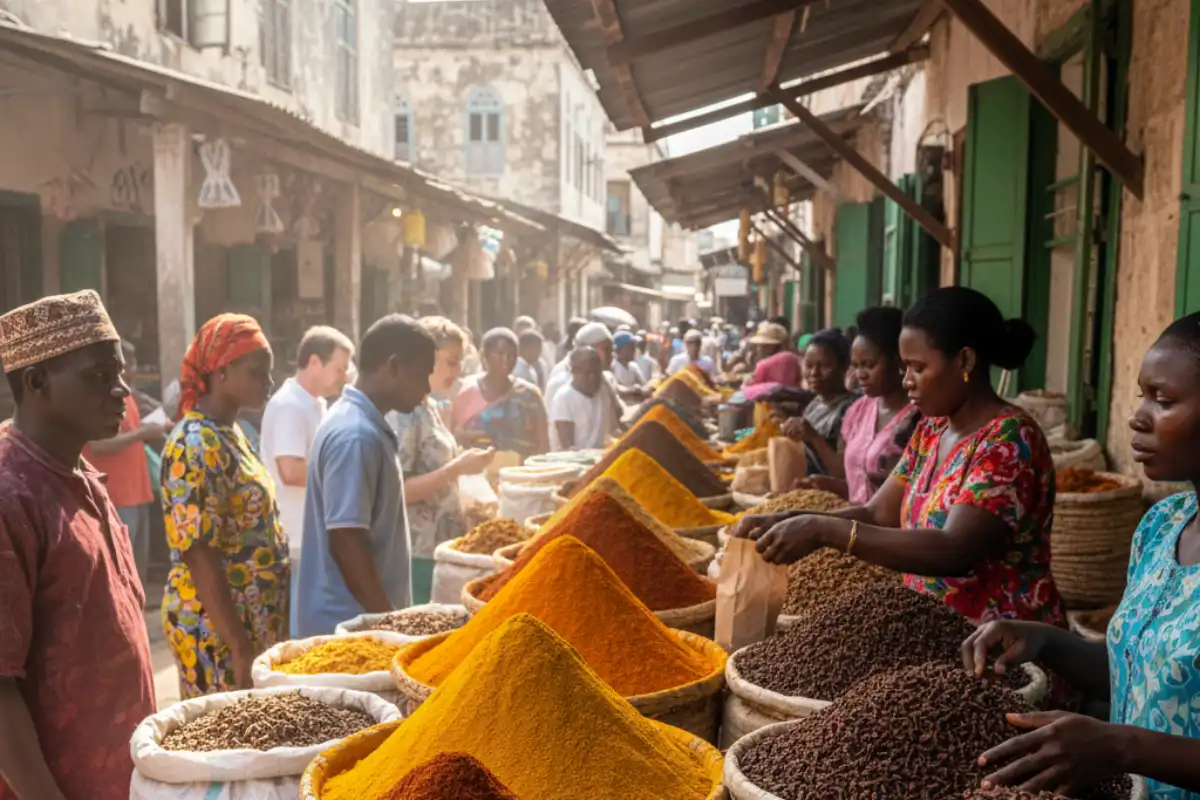
Zanzibar offers much more than just sand. The island’s interior is a lush garden of cloves, nutmeg, and cinnamon, while the surrounding reefs are teeming with marine life.
- **Prison Island (Changuu):** **$15 – $25**. (Visit the giant Aldabra tortoises and snorkel in the surrounding reef).
- **Stone Town Walking Tour:** **$20 – $35**. (Navigate the UNESCO World Heritage site with a local guide to find the best hidden history).
- **Safari Blue (Full Day):** **$70 – $100**. (A classic dhow sailing trip involving snorkeling, sandbanks, and a seafood barbecue).
- **Jozani Chwaka Bay National Park:** **$12**. (Home to the rare Red Colobus monkeys found nowhere else on Earth).
4. Navigating the Archipelago: Taxis and Dalla-Dallas
Transport in Zanzibar has improved in 2026 with better-paved roads, but travel times can still be slow due to the island’s relaxed pace of life.
Essential Transport for Tourists:
- **Private Taxi (Airport to North Coast):** **$40 – $60**. The most reliable way to travel with luggage.
- **Dalla-Dalla (Shared Minibus):** **$1 – $3**. (Extremely cheap and authentic, but very crowded and slow).
- **Scooter Rental:** **$25 – $35 per day**. (Great for exploring the East Coast, but requires a local permit).
- **Private Boat Hire:** **$50 – $150**. (The best way to reach secluded sandbanks at your own leisure).
5. Safety, Culture, and Tropical Awareness (2026)
Zanzibar is a predominantly Muslim society with a gentle, welcoming culture. Respecting local norms ensures a smoother and more meaningful journey.
Key Considerations for July Travelers:
- **Dress Code:** While swimwear is fine on the beach, you should cover your shoulders and knees when walking in Stone Town or through local villages.
- **The Tides:** On the East Coast (Paje/Jambiani), the tide goes out for hundreds of meters. Swimming is only possible during high tide. Check a tide app daily!
- **Health:** Malaria is present. In 2026, most travelers use high-quality repellents and consult their doctors regarding prophylactics before arrival.
Be a savvy traveler with these local tips:
- **”Papasi” (Beach Boys):** Local touts may be persistent in offering tours or goods. A polite but firm “Hapana asante” (No thank you) is usually enough.
- **Sea Urchins:** When walking in the tidal flats, wear water shoes. The coral is full of sharp urchins that can ruin a holiday.
- **Photography:** Always ask for permission before taking photos of locals, especially in Stone Town.
6. Insider Tips for the Ultimate Zanzibar Escape
- **Dhow Sunset Cruise:** Don’t miss a sunset sail on a traditional dhow. The view of the shoreline as the sky turns purple is unforgettable.
- **Lunch at Emerson Spice:** One of the most famous rooftops in Stone Town. Book days in advance for their legendary secret menu.
- **Kite Surfing in Paje:** July brings the “Kusi” winds, making it the perfect time for both beginners and pros to hit the waves.
- **Visit the Mnarani Turtle Sanctuary:** Located in Nungwi, this community-led project helps rehabilitate injured sea turtles.
7. Zanzibar Spice Island: Frequently Asked Questions
Is July a good time to visit Zanzibar?
Yes! July is part of the long dry season. The weather is cool (25°C to 28°C) and the humidity is low, making it the peak time for beach holidays and safaris.
Do I need a visa for Zanzibar?
Most nationalities require a Tanzanian tourist visa ($50 – $100). In 2026, the e-visa system is the most efficient way to apply before you travel.
Which side of the island has the best beaches?
The **North (Nungwi/Kendwa)** is best for all-day swimming. The **East (Paje)** is best for water sports and those who love dramatic tidal changes and reef walking.
Is Zanzibar safe for solo female travelers?
Generally, yes. By dressing modestly and avoiding walking on remote beaches alone at night, solo women find Zanzibar to be a hospitable and safe destination.
What currency should I use?
The Tanzanian Shilling (TZS) is the local currency. However, US Dollars (printed after 2006) are widely accepted for tours and hotels. In 2026, card payments are common in resorts but rare in markets.
Ready to breathe in the scent of cloves and feel the softest sand on earth between your toes? Your Zanzibari escape is waiting for you this July!
Book Your Spice Island Retreat