How to avoid food poisoning while traveling
Nothing ruins a dream vacation faster than a bout of food poisoning. Whether it's the dreaded "Delhi Belly" or "Montezuma's Revenge," foodborne illnesses affect nearly 30% to 70% of travelers depending on the destination. In 2026, as global travel reaches new peaks, understanding the local food ecosystem is your best defense against bacteria, parasites, and viruses. We’ve gathered insights from Lonely Planet food critics, medical advice from the CDC, and real-life "gut-saving" hacks from the Nomadic Matt community and travel forums to ensure your culinary adventures remain memorable for the right reasons.
1. Street Food: The “High Turnover” Secret
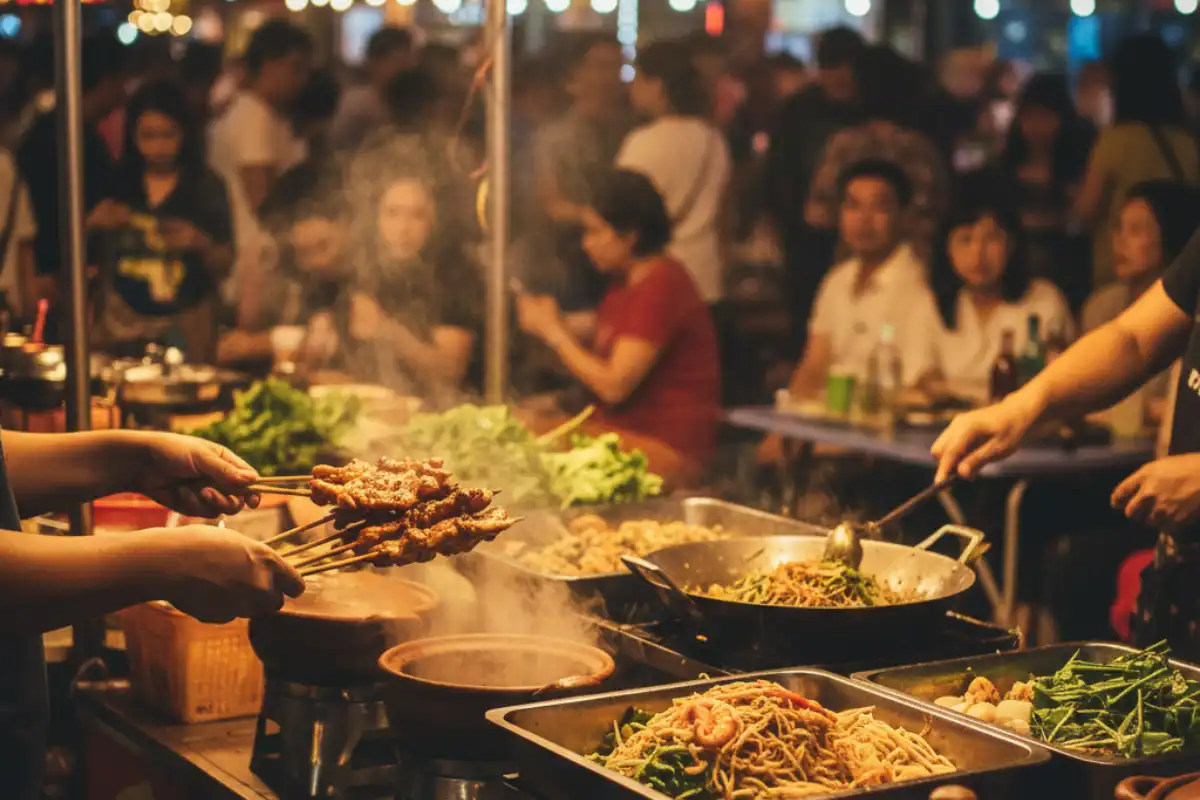
Many travelers fear street food, but it can actually be safer than hotel buffets. Why? Because you can see it being cooked right in front of you.
- The Crowd Factor: Always pick the stall with the longest line of locals. A high turnover means the food hasn’t been sitting out in the sun; it’s being cooked and served immediately.
- Watch the Hands: Check if the person handling the money is also handling the food. In 2026, the best vendors use gloves or have a dedicated person for transactions to prevent cross-contamination.
- Searing Heat: Ensure your food is “piping hot.” Heat kills most pathogens. Avoid anything lukewarm or pre-cooked and sitting in trays.
“I spent six months backpacking through Southeast Asia and never got sick. My golden rule? If I didn’t see the steam coming off the plate, I didn’t eat it. And I always avoided the ‘western’ salads in local joints — they’re usually washed in tap water.” — Member of a popular digital nomad community.
2. The Liquid Trap: Water, Ice, and Salads
Contaminated water is the most common vehicle for travel illnesses. It’s not just about what you drink, but what your food is washed in.
| Item | The Risk | The Safe Alternative |
|---|---|---|
| Tap Water | High bacterial count/parasites | Bottled or filtered water |
| Ice Cubes | Often made from tap water | Drinks without ice (“sin hielo”) |
| Fresh Salads | Washed in local tap water | Cooked vegetables or peeled fruit |
| Raw Seafood | Vibrio and other toxins | Grilled or fried fish |
3. Smart Habits: The “Peel It, Cook It, or Forget It” Rule
The old colonial-era adage still holds weight in 2026. If you want to explore exotic markets safely, follow these protocols:
- Fruit Selection: Stick to fruits with thick skins that you peel yourself (bananas, mangoes, pineapples). Avoid pre-sliced fruit platters often found in markets.
- The Buffet Warning: Be extremely cautious with lukewarm buffets. Bacteria thrive between 5°C and 60°C. If the food isn’t being kept strictly hot or cold, it’s a breeding ground for trouble.
- Sanitize Constantly: Carry a high-alcohol hand sanitizer and use it *after* touching menus and *before* touching your food. Menus are often the filthiest items in a restaurant.
Travel Food Safety: Frequently Asked Questions
Is it safe to brush my teeth with tap water?
In countries where the water isn’t potable, it’s safer to use bottled water for brushing. It’s easy to accidentally swallow a small amount of tap water, which can be enough to cause an upset stomach.
Should I take probiotics before my trip?
Many travelers find that starting a probiotic regimen two weeks before travel helps “prime” their gut. While not a guarantee, a healthy microbiome can sometimes help your body fight off minor pathogens more effectively.
What should I do if I actually get food poisoning?
Stay hydrated! Use Oral Rehydration Salts (ORS) rather than just plain water to replace lost electrolytes. Avoid Imodium if you have a fever or bloody stools, as it can “trap” the infection inside. Seek medical help if you can’t keep fluids down for 24 hours.
Is it safer to eat at expensive restaurants?
Not necessarily. Price does not equal hygiene. Large, expensive restaurants often have complex supply chains and large batches of food sitting in the kitchen. A busy street stall with a simple, high-turnover menu can often be lower risk.
Are “western” foods safer than local dishes?
Actually, no. In many developing regions, local chefs are masters of their local ingredients but may not have the proper equipment (like reliable refrigeration) to handle western ingredients like mayonnaise or dairy safely. Stick to what the locals eat.
Conclusion: Taste the World, Respect Your Gut 🍲
Food is the heartbeat of travel, and avoiding it entirely would be a tragedy. By using common sense, hygiene best practices, and a “heat-first” mindset, you can drastically reduce your risks. Don’t be afraid to try that spicy taco or that aromatic curry just make sure it’s served hot and with a smile. Happy (and safe) eating!