How to travel safely with a baby
Traveling with an infant can feel like a logistical military operation. In 2026, while technology and airline policies have become more "family-forward," the core challenges of sanitation, safety, and transit security remain paramount. Whether it's your baby's first flight or a cross-country road trip, the goal is to move from "surviving" the trip to actually enjoying it. We’ve analyzed thousands of posts from Mumsnet, What to Expect forums, and interviewed pediatric travel specialists to bring you this comprehensive security and safety blueprint.
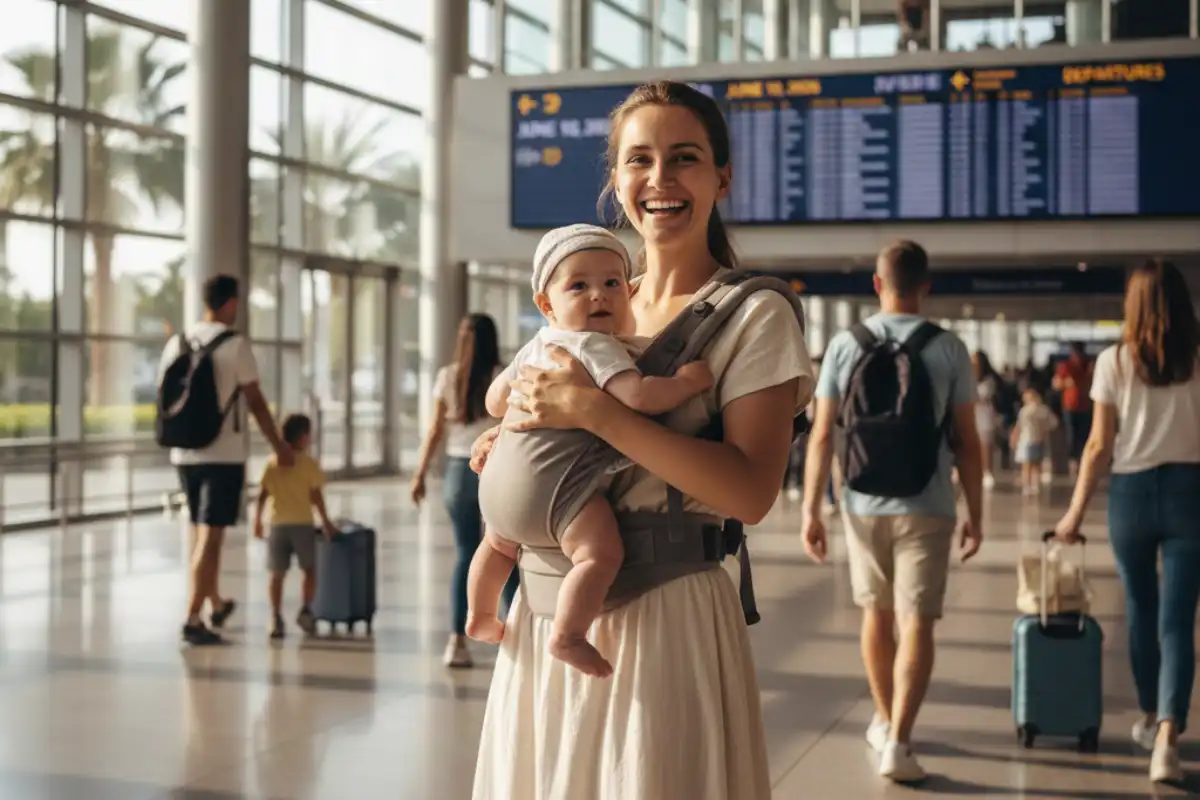
1. Air Travel: Beyond the Bassinet
Airlines offer various “lap child” options, but for maximum safety, experts recommend a different approach.
- The FAA Recommendation: While infants under two can fly for free on your lap, the FAA and AAP strongly recommend purchasing a separate seat and using an FAA-approved car seat. In the event of severe turbulence, a lap-held child is nearly impossible to secure.
- The Pressure Hack: To prevent ear pain during takeoff and landing, ensure your baby is sucking on a bottle, pacifier, or breastfeeding. This helps equalize the pressure in their small ear canals.
- Sanitary “Bubble”: Airplane tray tables are notorious for bacteria. In 2026, many parents use disposable placemats or silicone covers to create a clean surface for toys and snacks.
“I never travel without a roll of blue painter’s tape. It’s the ultimate baby-proofing tool for hotel rooms. You can tape over outlets, secure loose cords, and even keep drawers shut without leaving any sticky residue behind.” — Top tip from a viral thread on r/Parenting.
2. Creating a Safe Haven: Hotel & Rental Tips
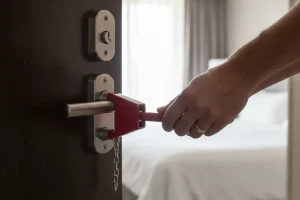
A hotel room that looks safe to an adult is a playground of hazards for a crawling baby. Your first 15 minutes in a new room should be a “security sweep.”
| The Hazard | The 2026 Solution |
|---|---|
| Low-level outlets | Travel-sized outlet covers or painter’s tape. |
| Crib Safety | Request a crib in advance, but bring your own tight-fitting sheet. |
| Blind Cords | Tie them high out of reach to prevent strangulation risks. |
| Sanitation | Use UV-C wands or high-alcohol wipes on remotes and handles. |
3. Health and Medical Preparedness
In a foreign country or even a different state, finding the right infant care can be stressful. Preparation starts before you leave your driveway.
- The Digital Medical File: Keep a PDF on your phone containing your baby’s vaccination records, weight (for dosage calculations), and a list of any allergies.
- Local “ER” Recon: Before arriving, locate the nearest pediatric emergency room. Not all hospitals are equipped for infant-specific emergencies.
- Water Safety: If traveling to a region with non-potable water, remember that even “washed” toys or pacifiers can carry bacteria. Use bottled water for everything that touches the baby’s mouth.
Traveling with a Baby: FAQ
At what age is it safe for a baby to fly?
Most pediatricians suggest waiting until the baby is at least 3 to 6 months old. This allows their immune system to develop and ensures they have received their first rounds of essential vaccinations before being exposed to the recycled air of a cabin.
Can I bring baby milk/formula through airport security?
Yes. In 2026, most international security agencies (like TSA) allow “reasonable quantities” of breast milk, formula, and baby food to exceed the standard liquid limits. Be prepared to keep them in a separate bag for additional screening.
How do I keep my baby safe from the sun while traveling?
Babies under 6 months should be kept out of direct sunlight. Use UPF 50+ clothing, wide-brimmed hats, and stroller UV covers. For babies over 6 months, apply a mineral-based sunscreen (zinc oxide or titanium dioxide) which is less irritating to sensitive skin.
Is it safe to use a hotel-provided crib?
Check for a “JPMA” certification sticker. Inspect the crib for loose screws, sharp edges, or gaps wider than a soda can. If it looks ancient or unstable, ask for another or use a portable “Pack ‘n Play” you brought from home.
How can I manage a baby’s sleep schedule across time zones?
Try to move the baby’s schedule by 15-30 minutes each day for a week leading up to the trip. Once you arrive, maximize sunlight exposure during the day to help reset their circadian rhythm, but prioritize “safe sleep” environments over strictly following the clock.
Conclusion: Adventure is Possible 🌟
Traveling with a baby doesn’t mean the end of your wandering years; it’s just the beginning of a new chapter. By prioritizing safety over convenience and maintaining a flexible mindset, you can navigate the world securely. Remember: the most important “gear” you can bring is your own calm presence. Safe travels!