Winter wine tasting destinations
While the summer harvest attracts crowds to sun-drenched patios, winter offers the true wine enthusiast a more **intimate, authentic, and focused** tasting experience. The bustling activity of crush season is over, giving way to the quiet solitude of the vineyard and the cozy, barrel-scented warmth of the cellar.
Cold Climate Specialists: Ice Wine Hunters 🧊
For a truly unique winter experience, seek out regions specializing in Ice Wine (Eiswein), a sweet dessert wine made from grapes frozen while still on the vine.
1. Niagara-on-the-Lake, Ontario (Canada)
Canada is the world’s largest producer of Ice Wine. Niagara offers a structured, glamorous winter experience, often hosting a dedicated **Icewine Festival** in January.
- **The Experience:** Visitors can tour vineyards coated in snow, watch (or participate in) the tricky, late-night harvest when temperatures drop to -8C or lower, and taste the liquid gold alongside savory Canadian pairings.
2. Rhinegau, Germany and Wachau, Austria
These European regions are the birthplace of *Eiswein*. Winter visitors are rewarded with traditional, centuries-old cellars, often family-run, where tastings are held beneath vaulted stone ceilings, offering deep historical context.
Sommelier Tip: The Off-Season Advantage
“Travel during January or February (outside of major holidays). You’ll find the winemakers themselves, not just seasonal staff, conducting your tasting. They are more relaxed and willing to share details on barrel aging, fermentation techniques, and future releases—a level of access impossible during harvest season.” (Source: Wine Travel Magazine)
Cozy Cellar Escapes for Red Wine Lovers ❤️
Other major wine regions focus on creating the perfect warm atmosphere for savoring full-bodied reds.
1. Bordeaux and Burgundy, France
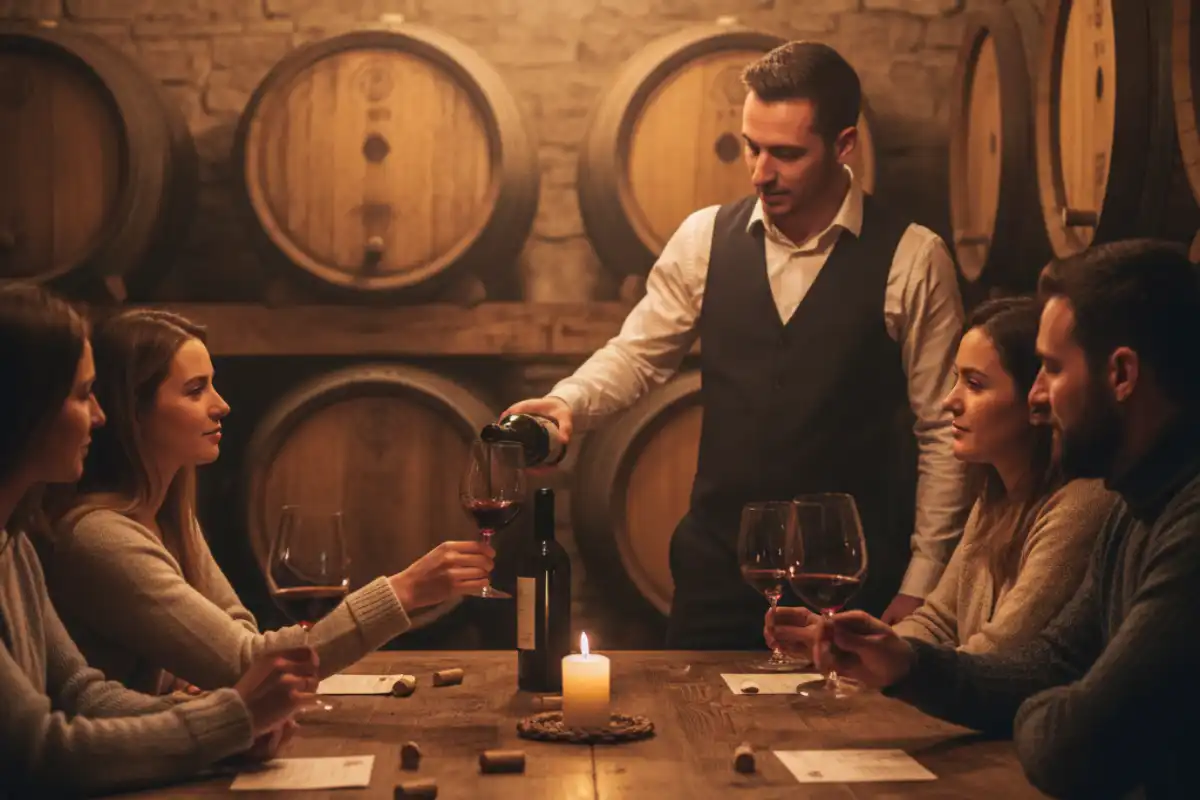
While the vines are dormant, the focus shifts to the cellar. Tastings here often involve sampling wine straight from the barrel, focusing on the development of powerful Cabernet and Pinot Noir.
- **The Vibe:** Fewer tourists mean easier booking for chateaux tours, and the region’s hotels often offer substantial price drops.
2. Napa and Sonoma Valleys, California (USA)
The California valleys offer a mild winter climate, with the benefit of clear, crisp days perfect for viewing the dormant, misty vineyards. Many wineries host events with roaring fireplaces and deep leather couches.
- **The Focus:** Barrel tastings and structured food pairings. You can often find special winter releases of heavier red blends.
- **Traveler Review:** “We visited Sonoma in early December and had almost every tasting room to ourselves. We received personalized attention, and one winery even had a massive stone fireplace where they were serving hot chocolate alongside the Zinfandel. It felt incredibly luxurious and quiet.” (Source: California Wine Blog)
Key Aspects of the Winter Wine Trip 🥂
- **Less Crowding:** Fewer people mean no fighting for a spot at the bar and better service.
- **Reduced Cost:** Accommodation and flights to wine country can be significantly cheaper from November through February.
- **Warming Offerings:** Many wineries, especially in colder climates, offer unique winter beverages like **Glühwein (Mulled Wine)**, hot spiced cider, or fortified wines (Port, Sherry) to warm visitors.
Frequently Asked Questions About Winter Wine Tasting
What is the best time of winter to visit for wine tasting?
Late **January to mid-February** is ideal. This avoids the major holiday rush (Thanksgiving/Christmas) and the early winter rush of people seeking deals, ensuring maximum tranquility and attention from the staff.
Do I need to make reservations in winter?
While crowds are smaller, it’s still highly recommended, especially at smaller, family-run estates. Many operate on reduced hours or by appointment only during the off-season, so booking ahead prevents disappointment.
Is the scenery disappointing since the vines are dormant?
Not at all it’s simply different. Instead of green leaves, you get the dramatic, skeletal structure of the vines, often dusted with snow or mist, which offers a beautiful, peaceful, and almost stark contrast to the busy summer look.
What is the difference between Ice Wine and late-harvest wine?
Both are sweet, but **Ice Wine** must be harvested when the grapes are frozen solid on the vine (usually below -7C). This concentrates the sugars and acidity more intensely than a simple late-harvest wine, which is just picked when the grapes are very ripe.
How should I dress for a winter wine tour?
Dress in **layers**. Wineries can be cold in the vineyard and cellar, but indoor tasting rooms are often well-heated. Wear warm, waterproof boots for outdoor walking, and bring a coat you can easily shed once you are inside the warm tasting room.
Conclusion: Taste the Quiet Season 🌟
Choosing a winter wine tasting escape is a sophisticated choice. It moves the focus from the vineyard’s exterior beauty to the **depth of the cellar and the intimacy of the experience**. Whether you’re chasing the rare sweetness of Canadian Ice Wine or savoring a robust Cabernet by a California fireplace, the off-season offers unparalleled access, lower prices, and a tranquil atmosphere perfect for connecting deeply with the world of wine.