Winter Gear for Kids: Staying Warm, Dry, and Happy in the Snow
Keeping children warm, dry, and happy during winter travel or outdoor play is critical, but challenging. Kids move more, fall more, and lack the fine motor skills to adjust complicated layers. Therefore, their gear must be **simple, durable, and highly effective**. The most important investment for children's winter wear is the outer shell and the layering system, which prevents the common cycle of getting sweaty, then wet, then cold.
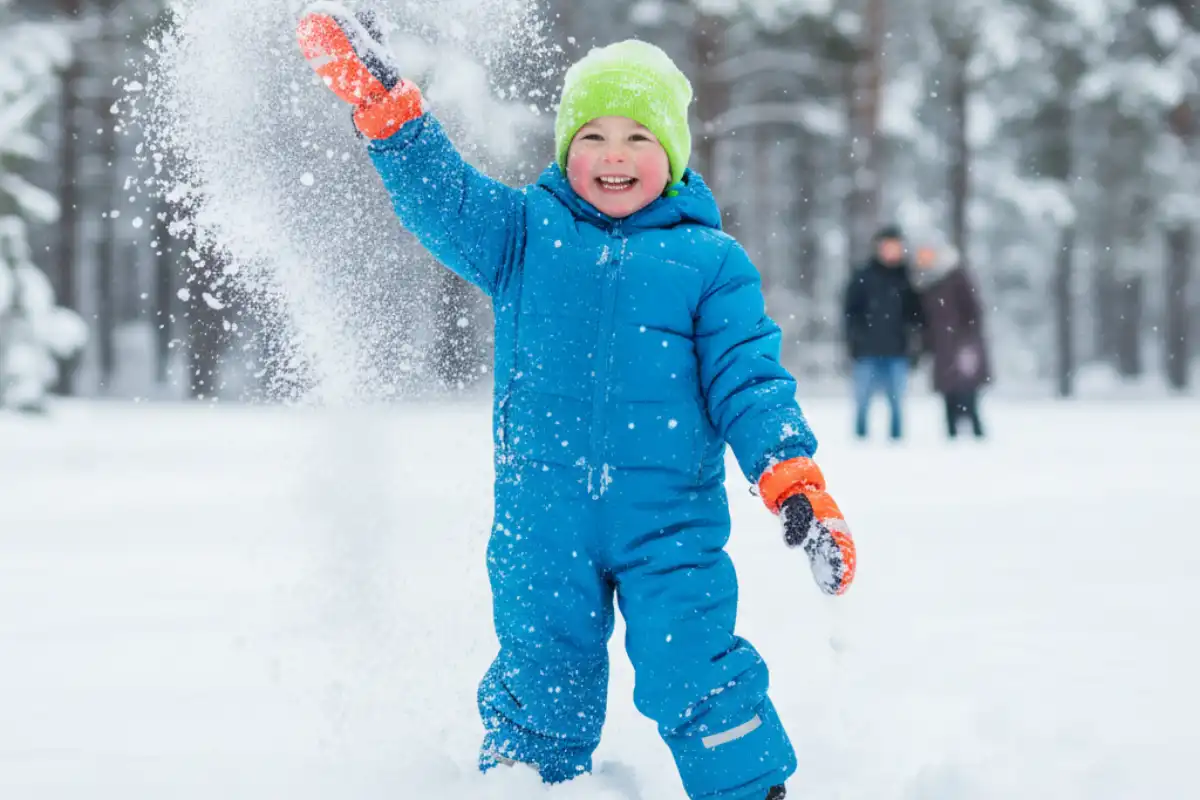
The Three-Layer System: Made Easy for Kids
This system is the foundation of effective cold-weather dressing. Never substitute quantity for quality.
1. Base Layer: Managing Moisture
The layer worn closest to the skin should wick away sweat. **Avoid cotton**, which retains moisture and leads to chilling.
- **Material Choice:** **Merino Wool** or high-quality synthetic polyester. Merino wool is highly recommended for its natural odor resistance, making it ideal for multi-day wear during travel.
- **Parent Tip:** “The best money I spent was on a couple of merino wool onesies for my toddler. They stop him getting chilly when he inevitably falls asleep in the stroller, and they don’t itch or get smelly, so I can pack less.” (Source: Family Travel Magazine)
2. Mid-Layer: Insulating Warmth
This provides bulk and insulation. It traps body heat without being too restrictive.
- **Material Choice:** Fleece or lightweight, compressible synthetic puffer jackets/vests. This layer should be easy to zip on and off.
3. Outer Layer: Waterproofing and Windproofing
The most expensive and most crucial layer. It must be completely waterproof and windproof to protect against snow, slush, and windchill.
- **Essential Features:** Look for waterproof ratings. For younger children (toddlers), a **one-piece snowsuit** is best as it prevents snow from getting between the jacket and pants when they inevitably tumble.
- **Wearer Focus:** Ensure snow pants have **internal boot gaiters** to seal out snow.
Critical Accessories: The Gloves and Boots Challenge
The hands and feet are the first to get cold, and the hardest to keep dry.
1. Boots: Waterproof and Oversized
- **Feature Focus:** Boots must be **rated for cold temperatures** (e.g., -20°C or lower) and 100% waterproof. Look for a deep, rugged tread for traction on ice.
- **Sizing:** Buy slightly oversized boots to accommodate thick winter socks and allow for necessary air circulation the trapped air is what keeps the foot warm.
2. Gloves: Mittens Are Better
Mittens are significantly warmer than gloves because they allow fingers to share heat. For children under 7, mittens are almost always the better choice.
- **Essential Feature:** Look for **long cuffs** that go up the forearm and have straps or clips to attach to the jacket sleeves. This prevents the “lost mitten” saga and stops snow from getting in.
Pediatrician’s Gear Advice: The Head and Neck
“Children lose a disproportionately high amount of heat through their heads. A hat is mandatory. However, choose a **balaclava** over a simple hat and scarf combination. It covers the head, neck, and face without loose ends that can snag, offering complete protection and simplifying the dressing process for parents.” (Source: Pediatric Health Magazine)
Cost Management and Durability
- **Hand-Me-Down Potential:** Choose neutral colors and durable brands. High-quality winter gear retains its value and can be easily passed down or resold, offsetting the initial investment.
- **Growth Spurt Solutions:** Some brands feature **extendable sleeves and cuffs**, allowing the garment to be lengthened by several centimeters. This adds an extra season of wear, which is invaluable given how fast children grow.
Frequently Asked Questions About Kids’ Winter Gear
How many layers should my child wear for general snow play?
The standard three-layer system is sufficient for most conditions: 1) Thermal base layer (Merino/Synthetic), 2) Fleece mid-layer, and 3) Waterproof/windproof outer shell. Adjust the thickness of the mid-layer based on temperature, but never compromise the outer shell.
Is a one-piece snowsuit better than a two-piece jacket/pants set?
For toddlers and very young children who spend a lot of time on the ground, a **one-piece suit** is superior because it completely seals out snow at the waist. For older children who need more bathroom access and flexibility, a two-piece set is usually preferred.
How do I prevent my child’s feet from getting cold inside their boots?
Ensure the boots are the correct size (slightly large), use only **wool or synthetic socks** (never cotton), and ensure the socks are not bunched up. If the boot is too tight due to too many socks, circulation is cut off, and the feet will quickly get cold.
What is the best way to dry kids’ wet gear overnight while traveling?
If you lack a drying room, use a hair dryer to dry the insides of boots and gloves briefly (but carefully, to avoid melting!). Place gear near a radiator (not directly on it) or use portable, electric boot dryers, which are compact and highly effective.
Should I buy waterproof or water-resistant gloves?
Always buy **waterproof** gloves or mittens with a robust membrane. Children spend a significant amount of time touching and playing in wet snow. Water-resistant gear will quickly become saturated, leading to cold hands and frustration.
Conclusion: Investing in Winter Joy ❄️
Equipping children for winter is an investment in their comfort, safety, and enjoyment. By focusing on the essential three-layer system, prioritizing absolute waterproofing in boots and outerwear, and selecting accessories designed for ease of use (like mittens and balaclavas), parents can ensure their kids stay warm and dry for hours of happy play. Choose quality over quantity, and your family will be ready to embrace the magic of the cold season.