Winter food tours in Europe
Europe in winter is a hidden culinary gem. While summer travel focuses on light, seasonal produce, the colder months unlock a world of rich, hearty, and intensely comforting cuisine: think melted Alpine cheeses, slow-braised stews, and hot, spiced beverages. A **winter food tour** is arguably the best way to explore a city's culture, offering warmth, intimate local insights, and a chance to avoid the peak season crowds.
Top Culinary Destinations for Winter Tours 🌍
The “best” winter tours focus on destinations where the cold air enhances the culinary experience, either through tradition or festive markets.
1. Italy: Emilia-Romagna (The Culinary Heartland)
While often enjoyed year-round, cities like **Bologna** and **Modena** are perfect in winter. Tours here dive deep into the production of high-quality, cold-weather staples that define Italian gastronomy:
- **Must-Try:** Hand-rolled pasta (like tortellini in broth), rich tagliatelle al ragù, balsamic vinegar, and Parmigiano Reggiano.
- **Tour Focus:** Market visits (like the Mercato Centrale in Florence), hands-on pasta-making classes, and deli sampling (cured meats).
2. Central Europe: Prague & Krakow (Hearty Comfort)
For those seeking warmth and powerful flavors, Central and Eastern European cuisine excels in winter. These tours are fantastic for budget-conscious foodies and history lovers.
- **Prague, Czech Republic:** Focuses on rich, heavy dishes and world-famous beer. **Goulash** served in a bread bowl is a winter icon.
- **Krakow, Poland:** Offers deeply comforting traditional foods like **Pierogi** (dumplings) and **Bigos** (hunter’s stew), often paired with strong Polish vodkas perfect for the cold.
3. The Alps: Switzerland & France (Cheese & Wine)
Alpine destinations offer tours centered around communal, heat-generating dishes that are intrinsically linked to the mountain environment.
- **Swiss Alps:** Tours highlight the perfect combination of **Cheese Fondue** and **Raclette**, often paired with local Swiss wine in a cozy wooden chalet atmosphere.
- **French Alps (e.g., Savoie):** Look for specialties like **Tartiflette** (potatoes, reblochon cheese, and lardons) and robust mountain charcuterie.
Expert Traveler Advice for Winter Food Tours 📝
Insights from food bloggers and forum users can significantly improve your tour experience and help you select the best provider.
Forum Insight: Book for the Experience, Not Just the Food
“I did a food and wine tour in Seville, and the best part was the guide’s knowledge of local history and how it shaped the cuisine. Look for tours that focus on **smaller, family-run establishments** where the guide has a genuine connection. It makes the tasting more intimate. Also, **book early**, especially if your tour involves Christmas markets, as guides get booked up quickly in December.” (Source: Traveler Forums)
Key Tips from Seasoned Food Tourists:
- **Pace Yourself:** Most European food tours offer enough food to be considered a full meal (or two). Travelers consistently recommend eating only a very light breakfast and trying not to finish every sample to avoid feeling overwhelmed halfway through the 3-4 hour tour.
- **Schedule Smart:** Booking your food tour for the **beginning of your trip** (Day 1 or 2) is highly recommended. The local guide can provide invaluable, non-tourist-trap recommendations for restaurants and markets for the rest of your stay.
- **Check the Walking Distance:** Winter tours mean cold exposure. Verify that the tour is mostly indoors or that the stops are close together. Wear **comfortable, waterproof shoes** you’ll be standing and walking more than you realize.
- **Dietary Needs:** Even if you aren’t allergic, always tell the guide upfront about foods you simply do not like (e.g., offal, seafood). One traveler noted: “In a small, private setting, let the guide know immediately. They are almost always happy to offer an alternative, ensuring no food is wasted.”
Maximizing the Winter Element: Seasonal Specials 🎄
Winter tours offer unique access to seasonal foods and festive traditions that are unavailable during other times of the year.
1. The Christmas Market Connection (November – December)
If your trip falls before Christmas, many food tours integrate stops at local **Christmas Markets**. These are culinary goldmines for warming street food and drink:
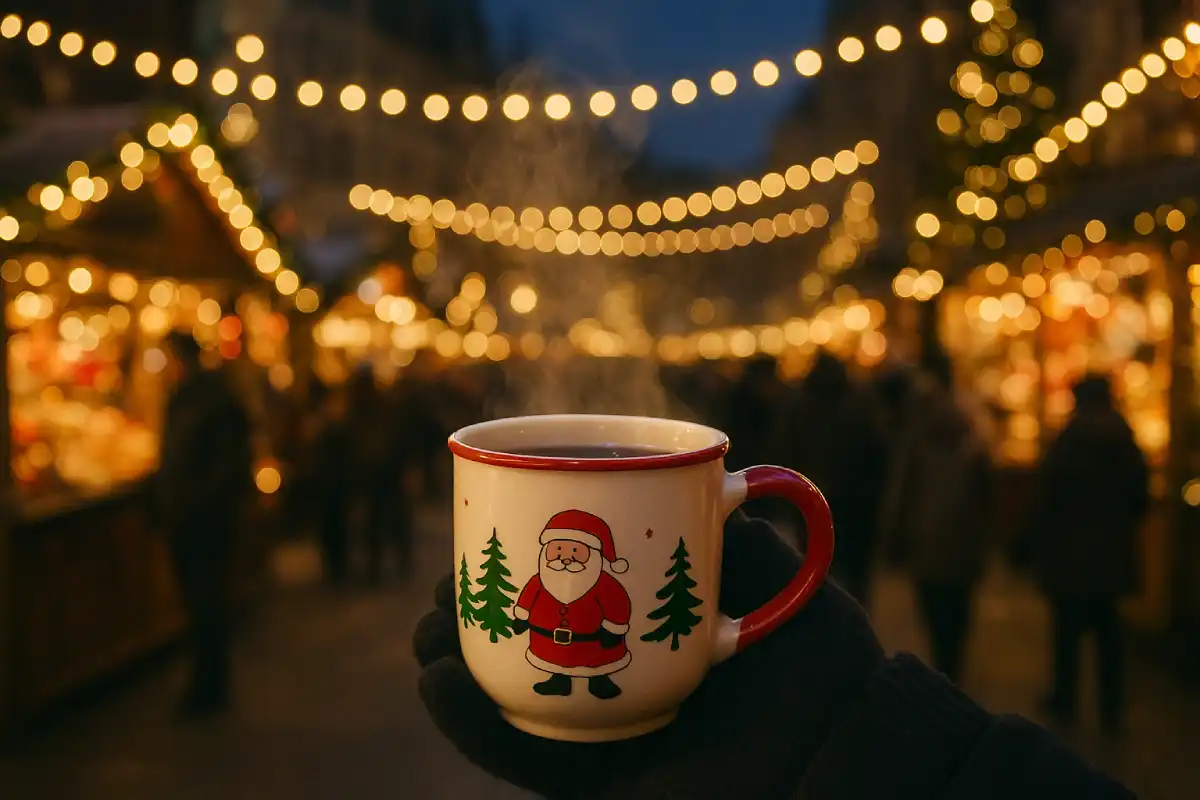
- **Glühwein/Vin Chaud:** Hot spiced wine (Germany/France), often served in a souvenir mug.
- **Roasted Chestnuts:** A classic winter street food, especially prevalent in Portugal and Italy.
- **Sausages and Doughnuts:** Hearty grilled sausages, and sweets like **Pączki** (Polish doughnuts) or **Kürtőskalács** (Hungarian chimney cake).
2. Post-Holiday Warmth (January – March)
Tours after the Christmas rush often focus on indoor culinary crafts and high-value dining without the festive crowds. January and February are ideal for:
- **Truffle Season:** Southern Europe (Italy, France, Slovenia) celebrates truffle season. Look for tours that incorporate truffle hunting or truffle-heavy tasting menus.
- **Cooking Classes:** The International Kitchen notes that winter is perfect for hands-on classes (like pasta or baking) in less-crowded settings, allowing for more personalized attention.
- **Thick Hot Chocolate:** Notably in Spain (paired with **churros**) or Bologna, where the hot chocolate is thick, dense, and intensely rich a meal in itself.
Frequently Asked Questions About European Winter Food Tours
Are food tours still enjoyable when the weather is very cold?
Yes, absolutely. Unlike summer tours that focus heavily on outdoor street food, winter food tours lean into **cozy, indoor experiences**. Stops often include small, warm taverns, private shops, and cooking class venues. The food itself is usually hearty, hot, and includes warming drinks like Glühwein or rich hot chocolate, specifically designed to combat the cold.
Is it rude to not finish the food or drink samples on the tour?
It is generally **not rude** to leave a small amount of food or wine, as guides understand the sheer volume of tastings. Seasoned travelers advise accepting only half a pour of wine if you are a lightweight, or simply asking for water instead. The best etiquette is to **avoid food waste** by politely communicating any strong dislikes or dietary restrictions to your guide at the beginning.
What is the difference between a food tour and a cooking class?
A **food tour** is a guided tasting experience that focuses on the **city’s culture, history, and local vendors**, requiring mostly walking and eating. A **cooking class** is a stationary, hands-on instructional event where you learn to **prepare regional dishes**. Both are excellent winter activities, but the tour is better for city orientation, while the class is better for skill development.
Should I book a tour in a major city or a smaller town?
For first-time visitors in winter, a **major city (Rome, Madrid, Prague)** is often better as more indoor attractions and high-quality restaurants remain open. Smaller towns, especially in tourist regions, may have limited services in the low season (Jan/Feb). Always verify the tour’s availability and the list of confirmed stops for those slower months.
How far in advance should I book a winter food tour?
For tours during the **Christmas period (Nov 20 – Dec 31)**, you should book **2–4 months in advance** as guides are at peak demand. For general winter tours (January–March), booking **4–6 weeks ahead** is sufficient to secure your preferred date and time, and sometimes allows you to take advantage of low-season pricing.
Conclusion: Your Winter Feast Awaits ♨️
Embracing a winter food tour in Europe means trading the crowds for coziness and summer salads for satisfying, soulful dishes. By selecting a destination known for its hearty winter fare from the pasta valleys of Italy to the festive markets of Germany and applying smart traveler advice, you’ll not only taste the best of Europe but also gain intimate access to the local culture. Go hungry, dress warmly, and prepare to discover a side of European cuisine that truly shines when the snow falls.