Where to Find the Best Filipino Food in Manila
Manila, the sprawling capital of the Philippines, is a city built on Spanish colonial history, modern commerce, and, most importantly, incredibly rich and varied cuisine. For the first-time visitor in 2025, finding authentic Filipino food from savory *Adobo* to the crunchy delight of *Lechon* is a key part of the experience. The Philippines is one of Southeast Asia's most budget-friendly destinations. This guide will take you on a culinary tour, provide essential budget tips on cheap accommodation and local food spots, and offer crucial advice on transport and safety in this bustling metropolis.
Finding the Flavor: Where to Eat Filipino Food on a Budget
Filipino cuisine is a delightful mix of sweet, sour, and savory. To find the best food without breaking the bank, skip the malls and head to local joints.
Must-Try Dishes & Where to Find Them:
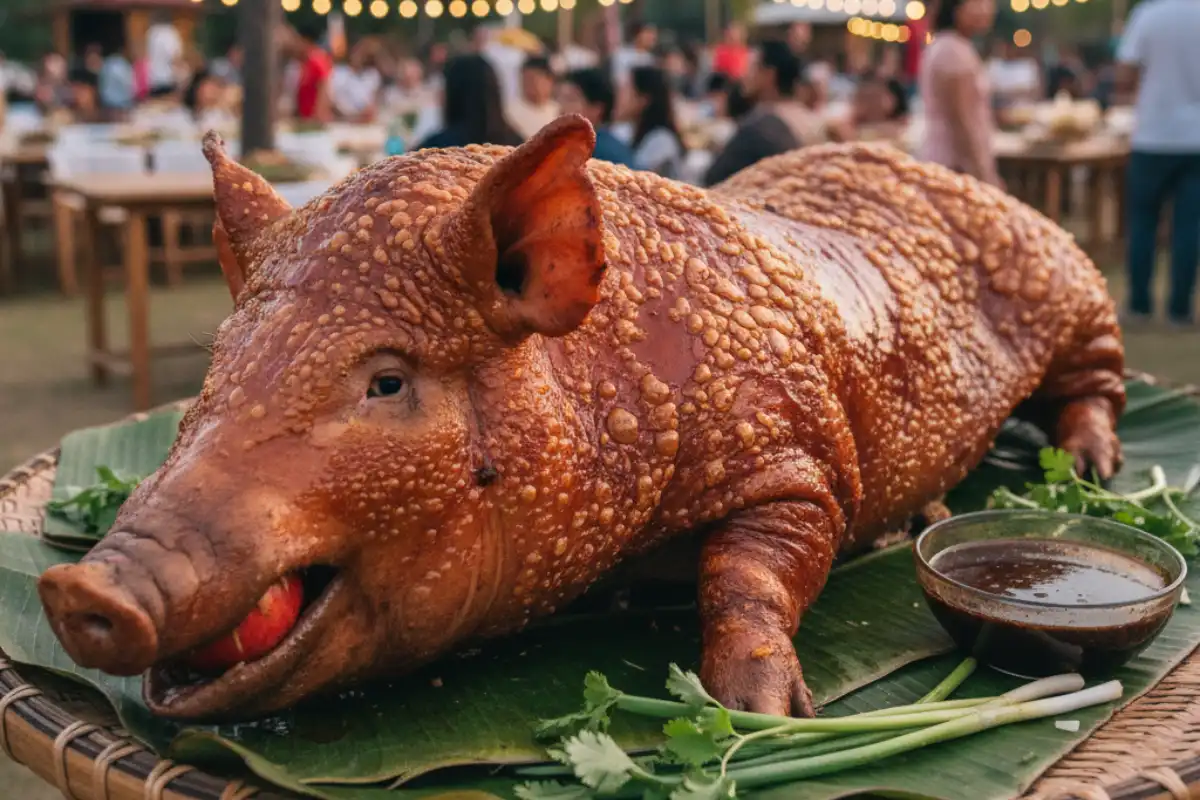
- Lechon (Roasted Pig): Head to **La Loma, Quezon City**, often called the ‘Lechon Capital’ of Manila. Here, you can buy it by the kilo, not just the whole pig, from street vendors for cheap.
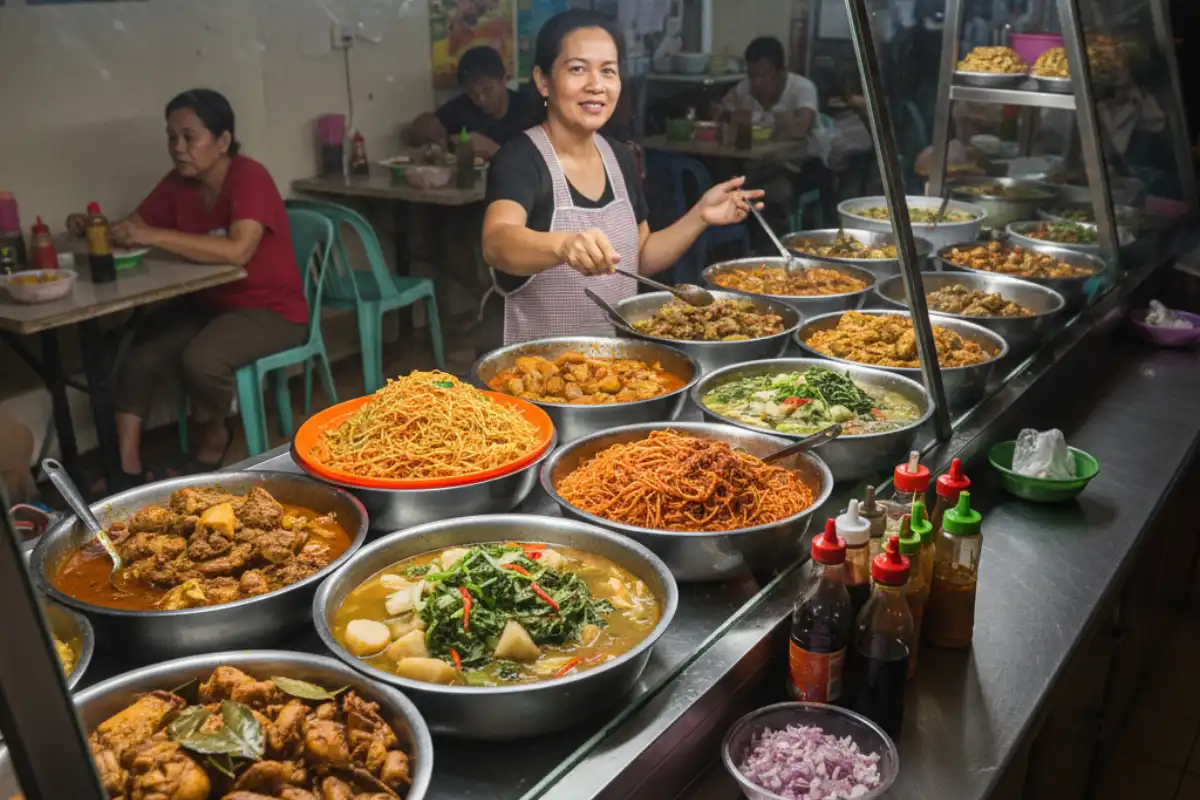
- Adobo (Meat in Soy Sauce & Vinegar): Found everywhere, but look for small *carinderias* (local cafeteria-style eateries) where you can pick it out from the display.
- Kare-Kare (Peanut Stew): Found in established local restaurants. Look for places in **Malate** or **Makati** that offer daily specials.
- Tapsilog (Breakfast Tapa, Rice, Egg): This all-day breakfast is best found in 24-hour *Tapsilogan* stalls.
- Street BBQ & Isaw (Grilled Intestines): Found on the streets of **Maginhawa Street (Quezon City)** and **BF Homes (Parañaque)** in the evenings the ultimate budget delight.
1. The Cost of a Bed: Budget-Friendly Accommodation
Manila is composed of multiple cities (Metro Manila), and choosing a strategic district is key to staying safe and minimizing transport costs. Hostels provide excellent value.
Hostel & Budget Accommodation Prices by Area (Average per night for a dorm bed, October 2025)
| Area | Description | Average Price (USD/night) | Pros for Budget Travelers |
|---|---|---|---|
| Makati (Poblacion) | Hipster hub with great nightlife, many hostels, and centralized location. | $12 – $20+ | Best balance of safety, nightlife, and accessibility. |
| Malate / Ermita (City of Manila) | Closer to historical sites (Intramuros, Rizal Park), older district. | $10 – $18 | Cheaper, best for sightseeing, requires more vigilance at night. |
| Quezon City (QC) | Largest city, more local, excellent food scene, farther from the airport. | $8 – $15 | Lowest prices, most authentic local food and shopping experience. |
Note: Prices are estimates for a quality dorm bed. Private budget rooms can start around $25-$35 USD.
Tips for Saving on Accommodation:
- Stay in Poblacion, Makati: While slightly higher priced than Malate, the proximity to restaurants and safety makes it the best overall value for backpackers.
- Check for Freebies: Many hostels include free breakfast, which should always be prioritized.
2. Budget Food Costs: Eat Like a Local
Filipino food is inherently cheap. The best way to save is by eating at *carinderias* and sticking to street food.
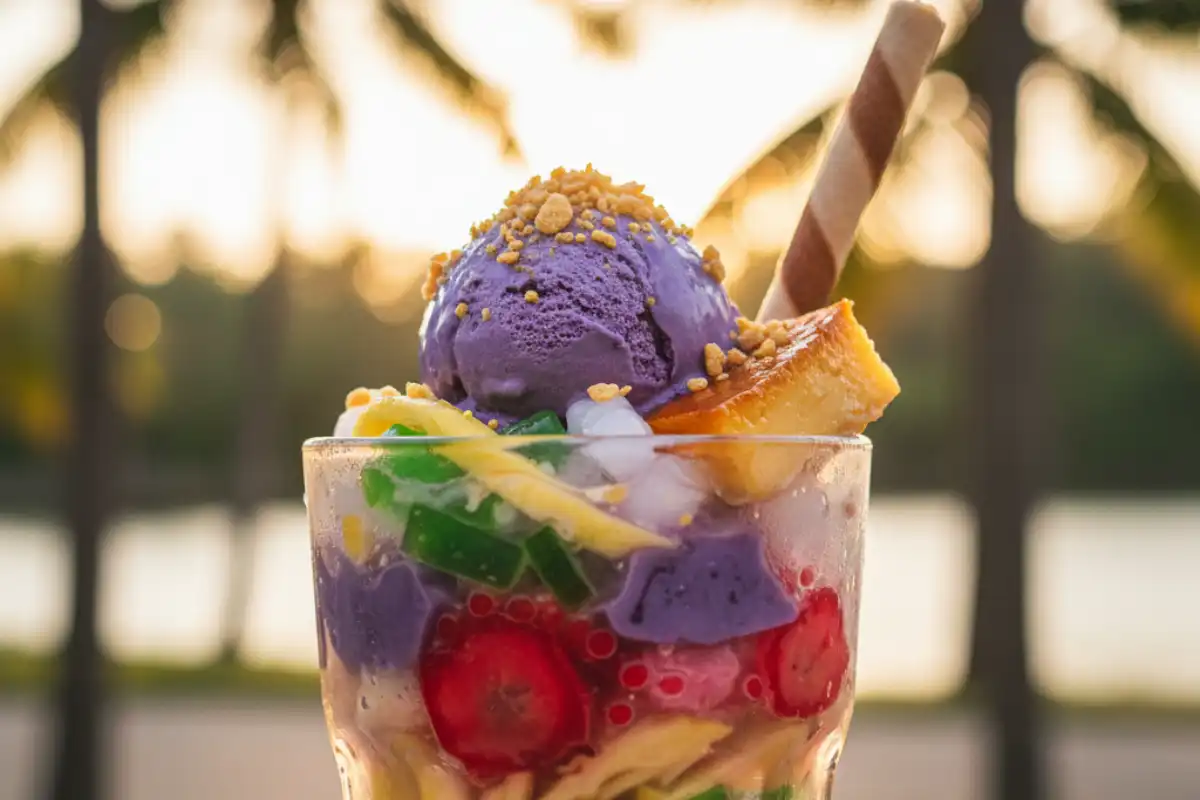
Estimated Budget Food Costs (October 2025):
- Breakfast (Tapsilog): 80 – 150 PHP ($1.40 – $2.60 USD) at a local *Tapsilogan*.
- Lunch at Carinderia: 100 – 200 PHP ($1.75 – $3.50 USD) for rice and two generous servings of meat/veg.
- Dinner (Street BBQ/Fast Food): 150 – 300 PHP ($2.60 – $5.20 USD) for a filling meal.
- Daily Budget for Food: 300 – 500 PHP ($5.20 – $8.70 USD) is sufficient for a comfortable, food-focused day.
Budget Eating Tips:
- Embrace the Carinderia: These small, family-run eateries are the heart of budget eating. Point at what you want, and they’ll serve it with rice.
- Try Local Fast Food: Jollibee is the local legend. While not authentic, it’s a cheap, fun cultural experience.
- Ask for *Pares*: A filling, slow-cooked beef stew often sold late into the night for very cheap prices.
3. Getting Around: The Cost of Public Transit
Manila’s traffic is legendary. While the LRT/MRT system is cheap, it doesn’t cover all areas, meaning you will rely on unique local transport options.
Fares (As of October 2025, subject to minor changes):
- LRT/MRT Single Journey: 15 – 30 PHP ($0.26 – $0.52 USD).
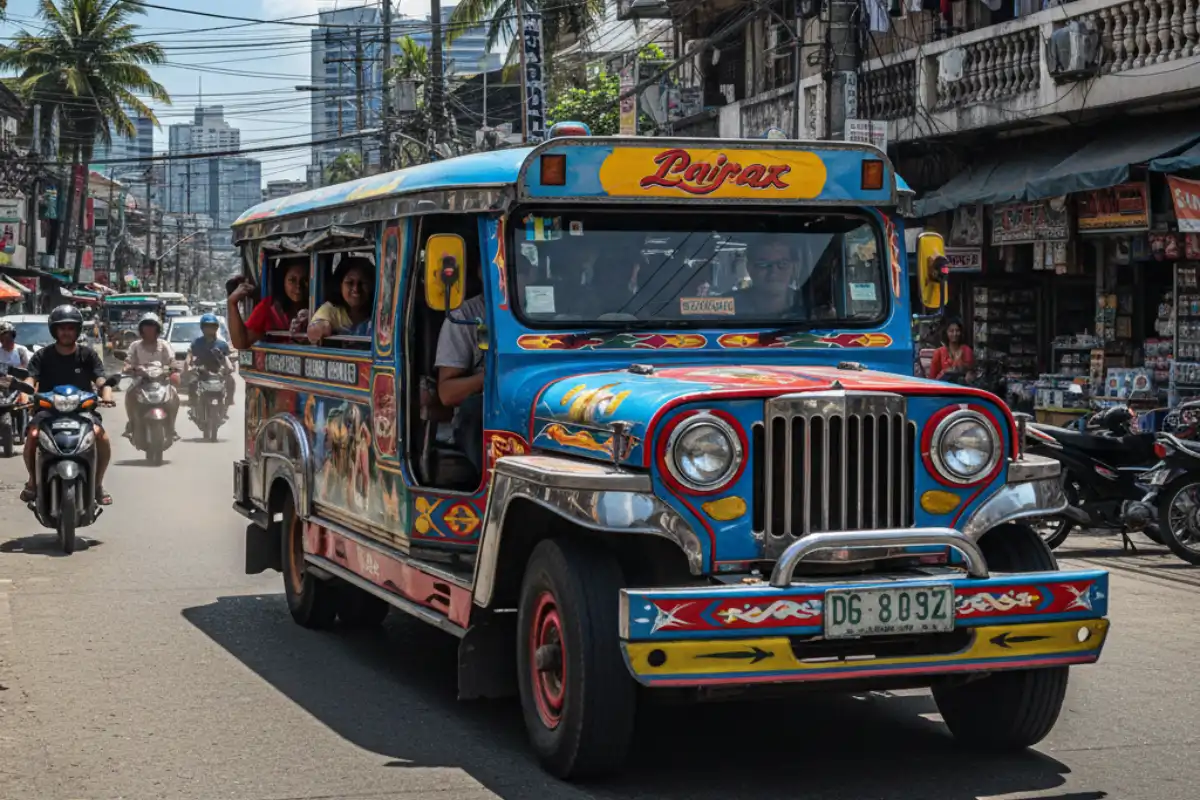
- Jeepney: **The cheapest option.** The base fare is around 13-15 PHP ($0.23 – $0.26 USD) and increases slightly with distance. They follow fixed, but complex, routes.
- Tricycle: Motorbike with a sidecar, best for short distances off main roads. Negotiate the price (typically 50-100 PHP) before getting in.
- Ride-Sharing (Grab): **Recommended for safety and comfort.** Grab is affordable and provides transparent, fixed pricing. A short ride across a district might cost 150-250 PHP ($2.60 – $4.40 USD).
Tips for Transportation:
- Use Grab: For first-timers, Grab is the most secure and reliable way to travel, minimizing scams and confusion.
- Use the LRT/MRT Off-Peak: The train system is heavily crowded during rush hours, especially the morning and evening commutes.
- Know Your Jeepney Route: Jeepneys are fun but confusing. Ask your hostel staff for the exact route names and directions before boarding.
4. Staying Safe: Dangers, Scams, and Areas to Avoid
Manila is a developing mega-city, and safety requires vigilance. The main concerns are petty crime, traffic, and certain scams.
Common Dangers & Scams:
- Pickpocketing & Bag Snatching: **The biggest threat.** Be extremely careful in crowded public spaces, on crowded Jeepneys, and at markets (Divisoria, Quiapo). Keep bags slung across your body and be aware of “snatchers” on motorbikes.
- “Fixed Price” Taxis/Tricycles: Non-metered taxis or tricycles will always overcharge tourists. **Insist on the meter** or, better yet, **use Grab.**
- ATM Skimming: Only use ATMs inside banks or major shopping malls, and avoid standalone ATMs on the street.
Areas to Be Cautious Of:
- Tondo & Sampaloc: Generally poorer, denser residential areas with higher crime rates. Tourists should avoid these districts unless accompanied by a local guide.
- Quiapo & Divisoria Markets: Essential to experience local commerce, but these areas are very crowded and notorious for pickpockets and thieves. Do not wear jewelry or carry expensive electronics.
General Safety Advice:
- Never Walk Alone at Night: Use Grab or a taxi after dark, especially if walking through smaller, non-main roads.
- Dress Down: The Philippines is casual. Flashing expensive jewelry or designer items will make you a target.
- Emergency Numbers: Police 117 or 911 (Nationwide Emergency Hotline).
5. Ensuring a Positive & Unforgettable Manila Trip
Filipinos are famous for their warmth and hospitality. Embrace the chaos and the kindness for a positive experience.
- Learn a Few Phrases: Saying “Thank you” (*Salamat*) and “Hello” (*Kumusta*) goes a very long way. English is widely spoken, but Filipino is appreciated.
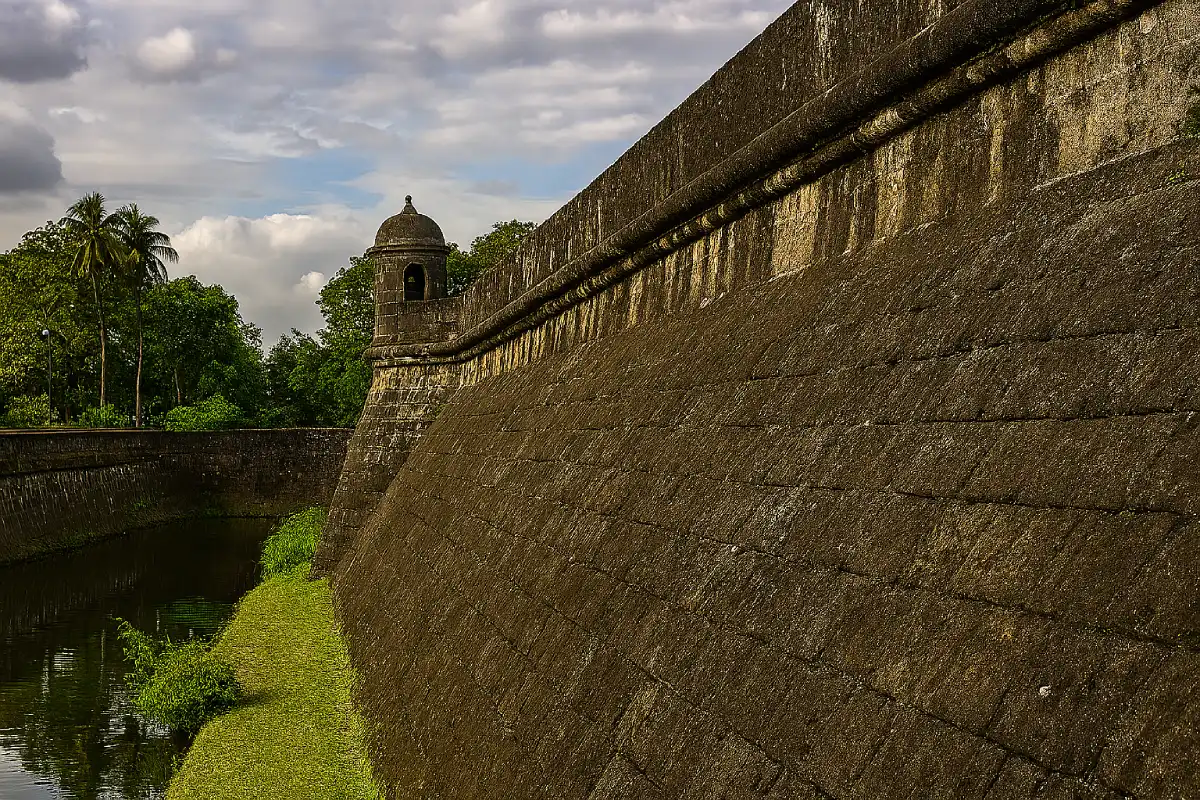
- Take a Tour of Intramuros: The Walled City is the historical heart of Manila. Rent a bamboo bike (*Bambike*) or take a walking tour for an immersive look at the colonial past.
- Be Patient with Traffic: Manila traffic is a fact of life. Build delays into your itinerary and remember that your journey might take twice as long as Google Maps predicts.
- Try All the Fruits: The Philippines has fantastic, affordable tropical fruit. Don’t leave without trying fresh mangoes or *calamansi* (miniature lime).
6. Manila Travel FAQs (October 2025)
What is the currency in the Philippines?
The currency is the Philippine Peso (PHP). You will need cash for all street food, markets, Jeepneys, and Tricycles.
Is it safe to drink tap water in Manila?
No, it is generally recommended that tourists only drink bottled water. Use bottled water even for brushing your teeth to be extra safe.
What is the best way to get from Manila Airport (NAIA) to the city center?
The most reliable way is by using a ride-sharing app like Grab. Avoid white airport taxis unless they agree to use the meter. Budget-conscious travelers can take the UBE Express bus.
What is *Balut*? Should I try it?
*Balut* is a developing duck embryo boiled in the shell. It’s a famous street food challenge. Yes, you should try it if you are feeling adventurous it’s an essential Filipino experience!
Is tipping customary in Manila?
Tipping is appreciated but not strictly required. In high-end restaurants, a 10% service charge is often included. For casual dining, rounding up the bill or leaving spare change is polite.
Taste the True Philippines!
Manila is a vibrant city ready to be explored. Follow these tips to keep your stomach full and your wallet happy!
Book Your Manila Food Tour