What to Eat in Tbilisi: A Georgian Food Lover’s Guide
Tbilisi, the dynamic capital of Georgia, is a city where ancient history meets modern charm, and its soul is defined by its legendary cuisine. Famous for Khachapuri, Khinkali, and world-class wine, Tbilisi offers an unforgettable gastronomic journey that is surprisingly affordable. This essential 2025 guide provides practical tips for first-time visitors to maximize their food adventures while managing costs, covering budget accommodation, transport, and crucial safety advice.
A Feast for the Senses: Tbilisi’s Culture and Cuisine
Tbilisi’s Old Town, with its winding streets and colorful balconies, is the perfect backdrop for exploring Georgia’s famed culture of hospitality (Supra). The city’s affordability makes it an ideal destination for budget travelers eager to dive into the national dishes. From the therapeutic Sulfur Baths to the stunning views from Narikala Fortress, Tbilisi blends adventure and culinary delight seamlessly.
Tbilisi’s Essential Culinary & Cultural Sights
Iconic Experiences:
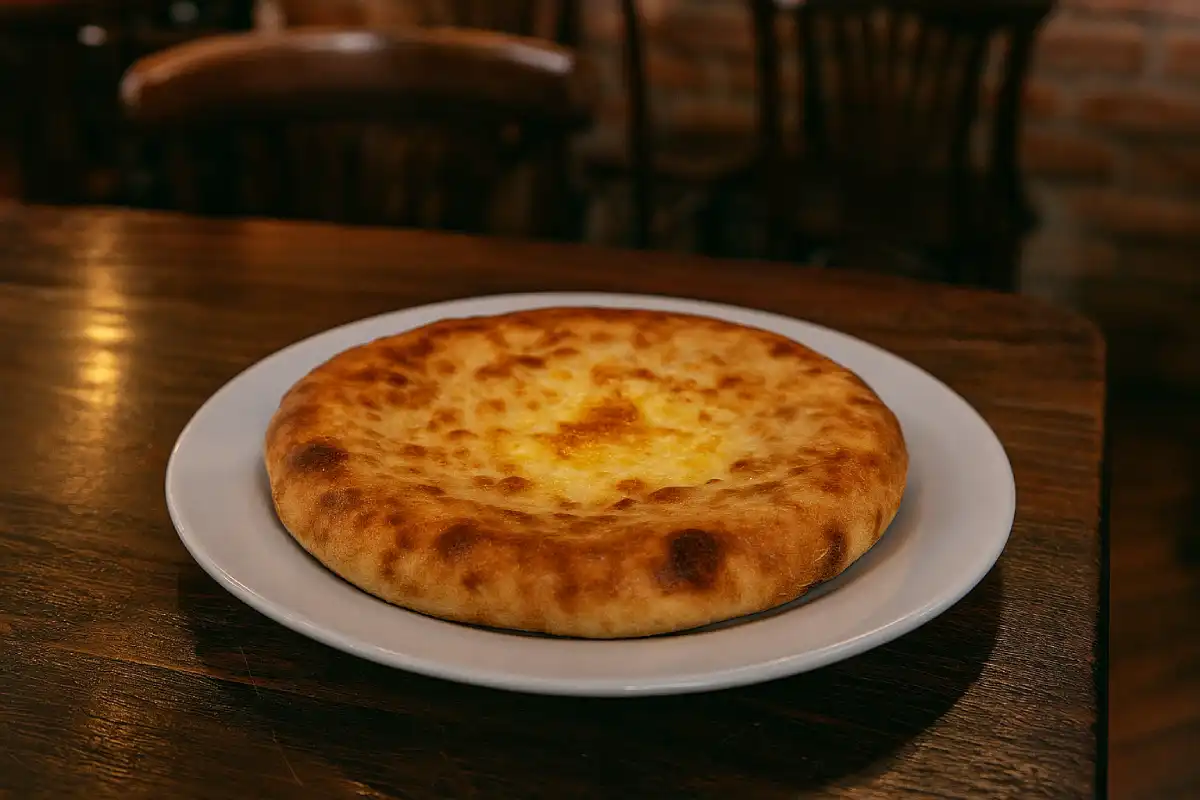
- Taste Khinkali & Khachapuri: Seek out a local *Sakhachapure* or *Sakhinkale* (specialist shops) for the most authentic and cheapest experience.
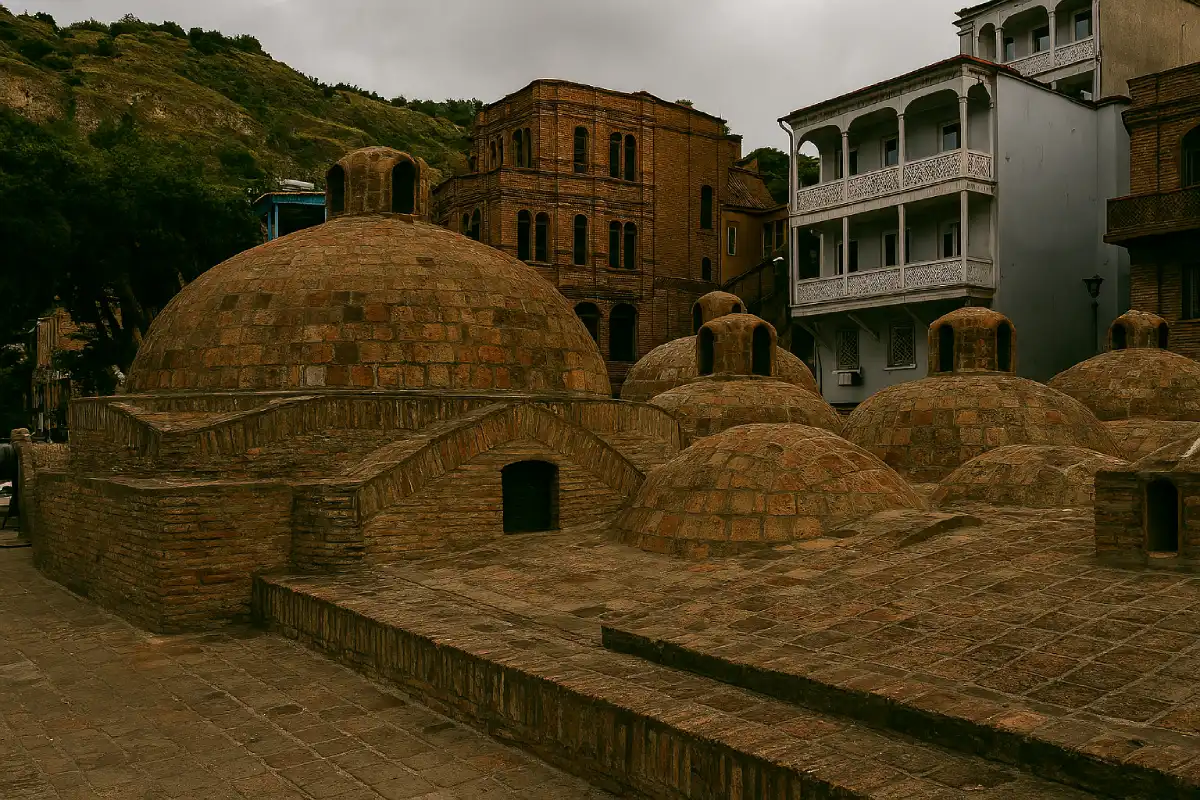
- Wander the Old Town (Dzveli Tbilisi): Explore the Sololaki district’s ornate architecture and the historic Abanotubani sulfur bath area.
- Take the Ropeway to Narikala Fortress: Get a panoramic view of the city, the Mtkvari River, and the Mother of Georgia statue.
- Visit the Dry Bridge Market: A fascinating open-air market for antiques, local art, and charming Soviet-era trinkets.
Budget-Friendly Tip: Tbilisi is incredibly walkable. Plan a route from Freedom Square, through the Old Town, and across the Peace Bridge all free activities that capture the city’s essence.
1. The Cost of a Bed: Budget-Friendly Accommodation
Accommodation in Tbilisi is generally inexpensive, especially compared to other European capitals. Hostels are plentiful and offer fantastic opportunities to meet other travelers, often including kitchen access to help you save money on meals.
Hostel & Budget Accommodation Prices by Area (Average per night for a dorm bed, October 2025)
| Area | Description | Average Price (USD/night) | Pros for Budget Travelers |
|---|---|---|---|
| Old Town (Sololaki/Abanotubani) | Historic center, closest to tourist sites, bustling nightlife. | $10 – $18 | Unbeatable location, but prices are the highest here. |
| Vera / Rustaveli (Central & Hip) | Central districts near the main avenue, modern cafes, and metro. | $8 – $15 | Excellent balance of location and value; vibrant atmosphere. |
| Didube / Isani (Transport Hubs) | Further out, near bus/metro stations for regional travel. | $7 – $12 | Cheapest prices, direct metro access to the center (15 min). |
Note: Prices are estimated for a standard dorm bed. Georgia Lari (GEL) to USD conversion rates may fluctuate.
Tips for Saving on Accommodation:
- Choose Guest Houses: In the Old Town, private guest houses often provide a more authentic experience and great value compared to large hotels.
- Utilize Kitchens: Pick a hostel with a well-equipped kitchen to prepare breakfast and light meals.
2. Eating on a Dime: Tbilisi’s Budget Food Scene
Georgian food is hearty, delicious, and incredibly cheap, especially when eating like a local. The key to staying on budget is to focus on street food and specialist eateries rather than tourist restaurants.
Estimated Budget Food Costs (October 2025):
- Khachapuri (Street Vendor): 5 – 10 GEL ($1.80 – $3.70 USD) for a filling, fresh Imeruli or Penovani (layered pastry) Khachapuri.
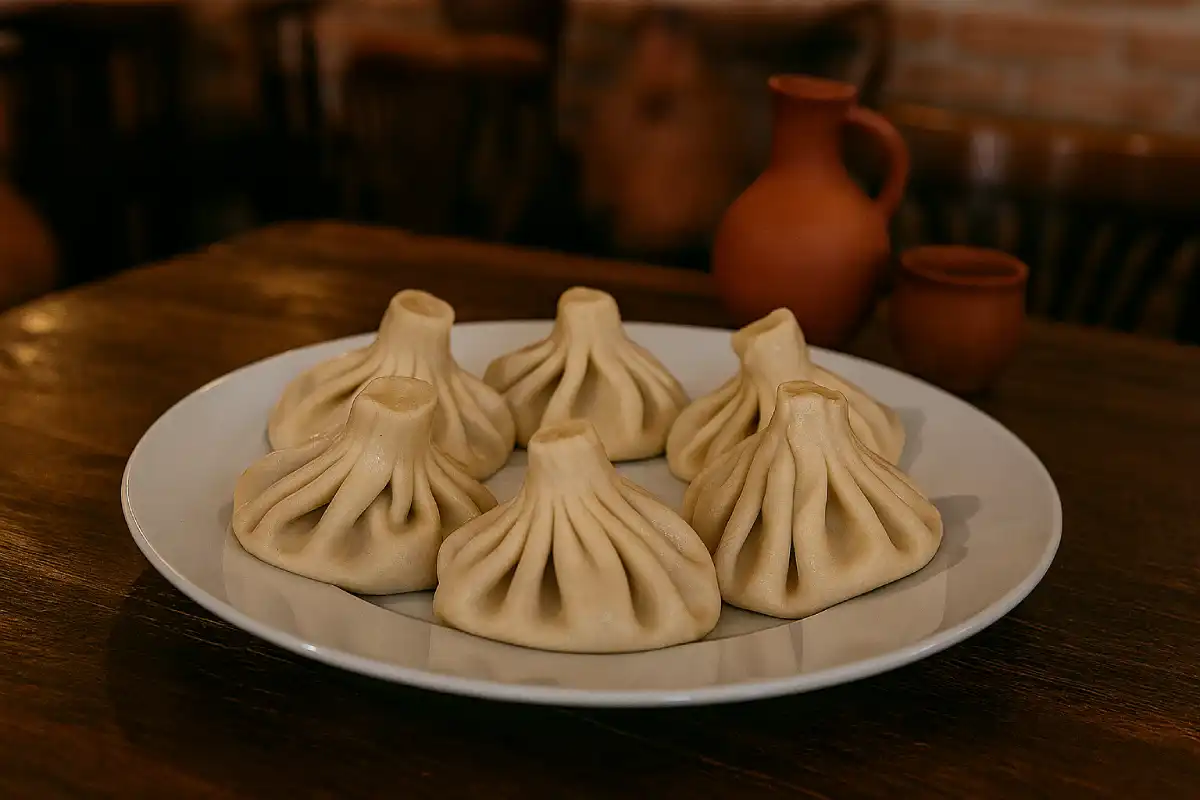
- Khinkali (per piece): 0.70 – 1.50 GEL ($0.25 – $0.55 USD) at a local *Sakhinkale* (eat 5-7 for a full meal).
- Dinner (Inexpensive Restaurant): 25 – 45 GEL ($9 – $17 USD) for a full meal including a glass of local wine.
- Daily Budget for Food: 40 – 75 GEL ($15 – $28 USD) is more than sufficient for a diverse and satisfying culinary journey.
Budget Eating Tips:
- Find a *Sakhinkale*: These specialized dumpling houses offer the best price and quality for Khinkali. Order by the piece.
- Shop at AgroHub: This supermarket offers a great selection of fresh, local products and prepared foods for budget breakfasts and lunches.
- Lunch Specials: Look for *dghis meniu* (daily menu) deals at restaurants, often offering a two-course meal for a fixed, low price.
3. Getting Around: The Cost of Public Transit
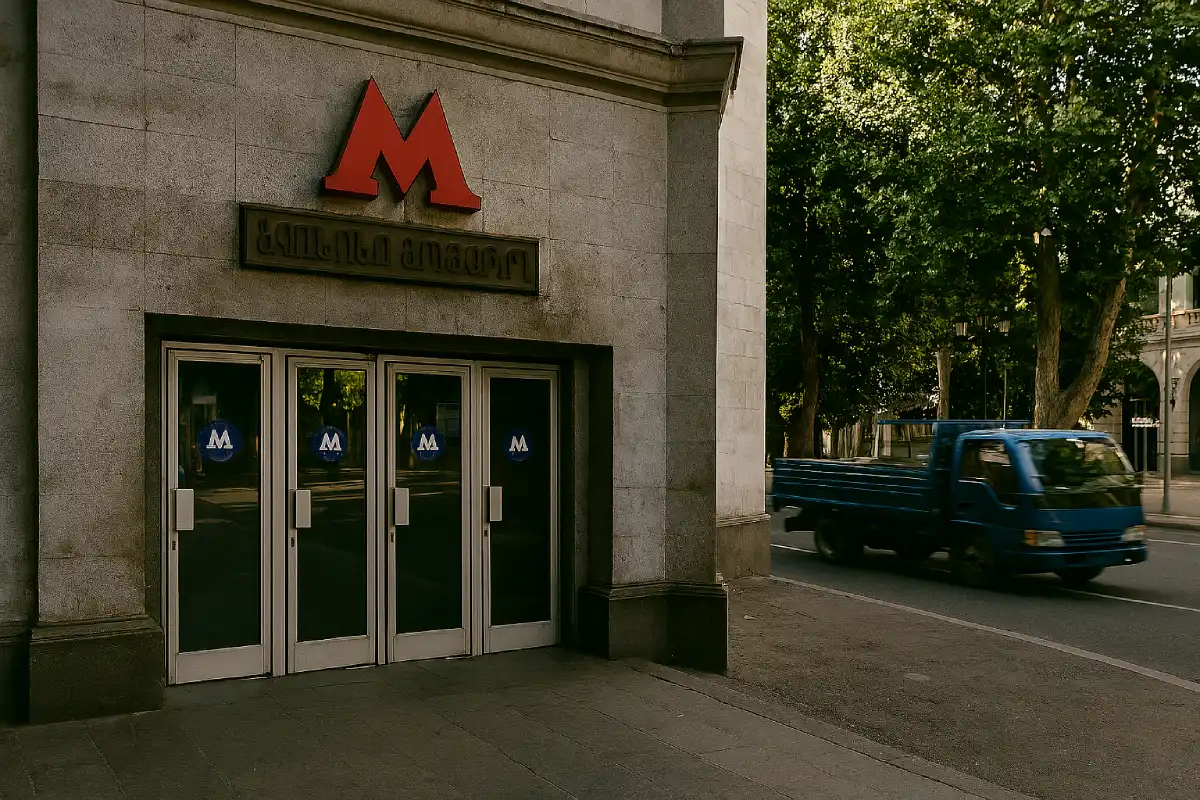
Tbilisi’s public transportation, including the metro, buses, and marshrutkas (minibuses), is reliable and extremely cheap. The city is manageable on foot, but the metro is essential for covering distances and avoiding Tbilisi’s sometimes chaotic traffic.
Fares (As of October 2025, estimated):
- Single Ride (Metro/Bus): Approximately **1 GEL** ($0.37 USD). Note: This fare usually includes a transfer period (e.g., 90 minutes of free transfers).
- Payment: You **must** purchase a **Metromani Card** (Tbilisi Transport Card) for a small fee (around 2 GEL). You cannot pay the cheapest fare with cash; the card is necessary for the metro and is highly recommended for buses.
- Marshrutka (Minibus): Fares are slightly higher, typically **1.50 GEL**, and often paid directly to the driver with cash.
Tips for Transportation:
- Get the Metromani Card Immediately: Purchase the card at any metro station upon arrival. It works for the metro, buses, and the cable car.
- Use Ride-Sharing Apps: For longer or late-night trips, **Bolt** and **Yandex Go** are affordable and reliable. Never use unmetered street taxis.
4. Staying Safe: Dangers, Scams, and Areas to Avoid
Georgia is consistently ranked as one of the safest countries in the world, and Tbilisi is generally a very safe city for tourists. However, as with any major capital, awareness is key to avoiding petty issues.
Common Tourist Scams & Dangers:
- Taxi Overcharging: The number one complaint. Unofficial taxi drivers will quote vastly inflated prices. **Always use Bolt or Yandex Go** with fixed fares.
- Petty Crime: Pickpocketing can occur in the highly crowded tourist areas of the Old Town, especially around Freedom Square or on packed marshrutkas. Keep your bags zipped and valuables out of sight.
- Currency Exchange Scams: Only exchange money at official banks or licensed exchange offices, not on the street, where rates or counting may be rigged.
Areas to Be Cautious Of:
- Didube Bus Station Area at Night: While safe during the day, the area around the main bus/metro station can be sketchy after dark. Be highly vigilant of your belongings here.
- Stray Dogs: Tbilisi has many stray dogs (distinguishable by a colored tag in their ear, indicating they are vaccinated and sterilized). They are usually friendly, but avoid petting or feeding them, especially in packs.
General Safety Advice:
- Driving: Georgian drivers can be aggressive. Use extreme caution when crossing streets, even at designated crosswalks.
- Emergency Numbers: Police/Ambulance/Fire 112.
5. Ensuring a Positive & Unforgettable Tbilisi Trip
Embracing Georgian hospitality and culture is the best way to guarantee a memorable trip. Tbilisi is a city that loves its guests.
- Learn a Few Georgian Phrases: Georgians deeply appreciate attempts to speak their language. Even a simple *Gamarjoba* (Hello) and *Madloba* (Thank you) will go a long way.
- Accept the Hospitality: If offered food or wine by a local, it is a sign of respect accepting a small amount is considered polite, even if you are full.
- Drink the Wine: Georgia is the birthplace of wine. Skip the expensive imports and enjoy the phenomenal, affordable local varieties, especially the traditional *Qvevri* (amphora) wines.
- Drink the Tap Water: Tbilisi’s tap water is high quality and safe to drink. Bring a reusable bottle to save money and plastic waste.
6. Tbilisi Travel FAQs (October 2025)
What is the currency in Georgia and what is the best way to pay?
The currency is the **Georgian Lari (GEL)**. Cards are accepted in most restaurants, shops, and hotels. However, cash (GEL) is needed for small bakeries, local markets, and marshrutkas.
Is the tap water safe to drink in Tbilisi?
Yes, Tbilisi’s tap water is sourced from clean mountain springs and is considered safe and excellent quality throughout the city.
What is the Metromani Card and do I need one?
The Metromani Card is the reusable public transport card. Yes, you need one to ride the metro and city buses, as the cheapest fare is only accessible using the card.
How do I get from Tbilisi International Airport (TBS) to the city center cheaply?
The cheapest way is the Bus #337 (formerly #37). It runs 24/7 and costs 1 GEL (using the Metromani Card). It takes about 40-60 minutes to reach Freedom Square.
Is it necessary to tip in Tbilisi restaurants?
A 10-18% service charge is often automatically included in the bill. If it is included, no further tip is required. If not, a 10% tip for good service is appreciated.
Your Georgian Feast Begins Now!
Tbilisi promises a trip rich in flavor, history, and warmth. Armed with these budget and safety essentials, you are fully prepared to explore this captivating city and enjoy the incredible, affordable food that defines it.
Book Your Tbilisi Food Tour