Transportation Safety
Safe choices for flights, taxis, public transport, and navigating unfamiliar roads.
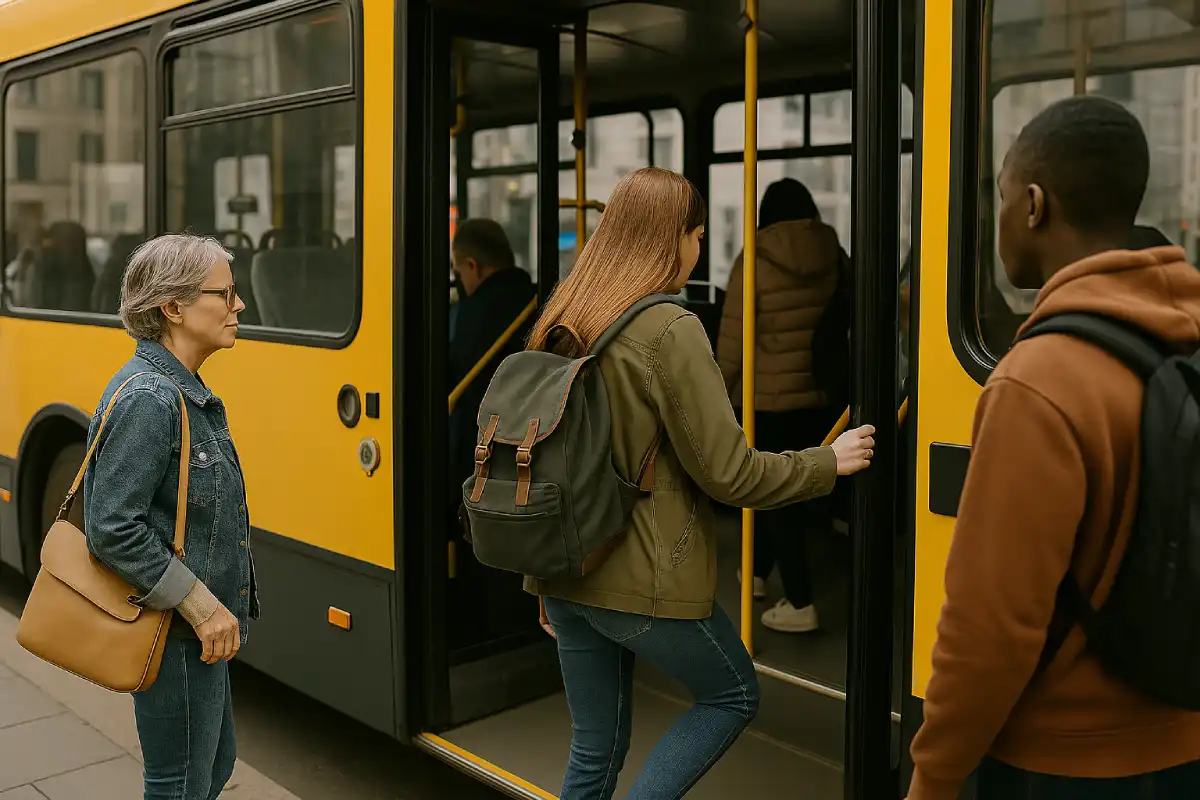
Getting from point A to point B is an inescapable part of any journey. Whether it’s a transatlantic flight, a local bus ride, or navigating unfamiliar streets, transportation is an integral part of your travel experience. While generally safe, overlooking basic safety precautions can lead to lost belongings, missed connections, or even more serious incidents.
Mastering transportation safety isn’t about fear; it’s about making smart, informed choices that enhance your peace of mind and keep your trip running smoothly. This guide will provide essential tips for navigating flights, taxis, public transport, and foreign roads safely, ensuring your focus remains on the adventure, not the worries. (Updated for 2025).
General Principles for Transportation Safety
No matter your mode of transport, these core principles apply:
- Research in Advance: Before you even arrive, know the typical and safest transportation options from airports/train stations, and within cities. Read recent traveler reviews.
- Stay Alert, Not Distracted: While on the move, avoid being overly engrossed in your phone, music, or maps. Pay attention to your surroundings, especially your belongings.
- Secure Your Valuables: Keep passports, wallets, and phones in secure, hard-to-access places (e.g., inside zippered pockets, anti-theft bags worn in front).
- Trust Your Instincts: If a situation or person feels off, it probably is. Don’t hesitate to remove yourself.
Taxi Rides & Ride-Sharing Safety
First and last impressions of a city often happen in a taxi. Make them safe ones:
- Use Reputable Services: Stick to official airport taxis, hotel-recommended services, or well-known ride-sharing apps (Uber, Bolt, Grab, etc.) in countries where they operate reliably. Avoid unmarked cars offering unsolicited rides.
- Confirm Destination & Price: Before getting in, state your destination clearly and confirm the approximate fare or ensure the meter is used. If using an app, confirm the driver’s name, car model, and license plate match what’s shown on your app.
- Share Your Journey: Many ride-sharing apps allow you to share your live location with a trusted contact. Use this feature.
- Keep Valuables Hidden: Don’t leave phones or wallets visible on the seat.
- Sit in the Back: If traveling solo, sitting in the back seat diagonally opposite the driver is often the safest position.
Experienced Traveler Insight: Sarah, Solo Female Traveler
“When I’m in a new city, especially arriving late, I pre-book a reputable airport transfer or use a ride-sharing app. I refuse to get into an unmarked taxi or one that’s trying to hustle me. And I always share my live ride details with my sister back home, even if it’s just a 10-minute trip. Better safe than sorry.”
Public Transport: Buses, Trains & Subways
Public transport is a fantastic way to experience local life, but demands awareness:
- Research Routes & Schedules: Know your stops and where you’re going to avoid looking lost. Use apps like Google Maps for real-time navigation.
- Be Mindful of Pickpockets: Crowded buses, trains, and subway platforms are prime locations for pickpockets. Keep bags tightly secured, preferably on your front, and valuables in internal zippered pockets.
- Avoid Rush Hour Crowds: If possible, travel during off-peak hours to avoid overly packed vehicles where personal space is minimal.
- Stay Aware at Stations: Keep your distance from aggressive touts or beggars. Don’t fall for “help” with your bags that turns into a demand for payment.
- Choose Wisely at Night: After dark, consider taxis or ride-shares over isolated public transport if routes aren’t well-lit or heavily used.
Frequently Asked Questions About Transportation Safety
Is it safe to use ride-sharing apps like Uber/Bolt/Grab in foreign countries?
Generally, yes, these apps are often safer than traditional taxis in many countries because they offer accountability (driver tracking, ratings, passenger support), cashless payments, and pre-set fares. However, always confirm the driver’s name, car model, and license plate match the app, and use the “share my ride” feature. In some regions, local alternatives might be more prevalent or reliable; research this beforehand.
How can I protect my luggage on buses/trains?
If your luggage is stored in an overhead rack or a separate compartment, use a cable lock to secure it to the rack or to another piece of luggage. For long journeys, keep essentials and valuables (passports, electronics, medication) in a small bag with you. Avoid placing bags near the exit doors, where they can be easily snatched.
What should I do if a taxi driver seems to be taking a longer route?
Have your own map (e.g., Google Maps on your phone) open and follow the route. If you notice a significant deviation, politely ask the driver why they are going that way. If they don’t provide a reasonable explanation or you feel uncomfortable, state firmly that you want to go the most direct route. If using a ride-sharing app, the route is usually tracked, and you can report issues later.
Is it safe to take overnight trains or buses?
Overnight transport can be safe and convenient, but requires extra precautions. Secure your luggage with locks, and keep valuables on your person (e.g., money belt). Avoid sleeping with your phone or wallet exposed. For trains, consider booking a sleeper compartment if available for added security. Research the specific route and company’s safety reputation beforehand.
How can I avoid being targeted by pickpockets on public transport?
Wear your backpack on your front in crowded areas. Keep wallets in a front, zippered pocket. Use anti-theft bags with slash-proof material and lockable zippers. Avoid looking distracted by your phone or maps. Be aware of anyone trying to get unusually close or create a diversion (like the ‘spill’ scam).
What if I’m offered a ride by a stranger?
Unless it’s an official, reputable taxi, ride-share, or a trusted pre-arranged service, never accept rides from strangers. Politely but firmly decline. It’s safer to wait for official transport or walk to a more populated area if you feel uneasy.
Conclusion: Navigate Confidently, Travel Freely
Transportation is often the gateway to incredible travel experiences. By adopting a proactive and aware approach to your movements, you’re not just avoiding potential risks; you’re empowering yourself to navigate foreign landscapes with confidence and ease. From the moment you step into an airport to the last bus ride of your trip, making smart safety choices ensures that your journey remains seamless, secure, and truly unforgettable. Travel smart, and enjoy the ride!