Traditional winter dishes in Scandinavia
Scandinavia’s winter cuisine is a direct reflection of its long, dark, and cold history. Born out of necessity relying on preserved meats, stored root vegetables, and calorie-dense fats these traditional dishes have become synonymous with comfort, celebration, and the spirit of *hygge* (Danish coziness) or *koselig* (Norwegian snugness).
The Hearty Main Courses: Meat and Potatoes (and Cabbage!)
Scandinavians rely on robust flavors and long cooking times to create deeply satisfying winter meals.
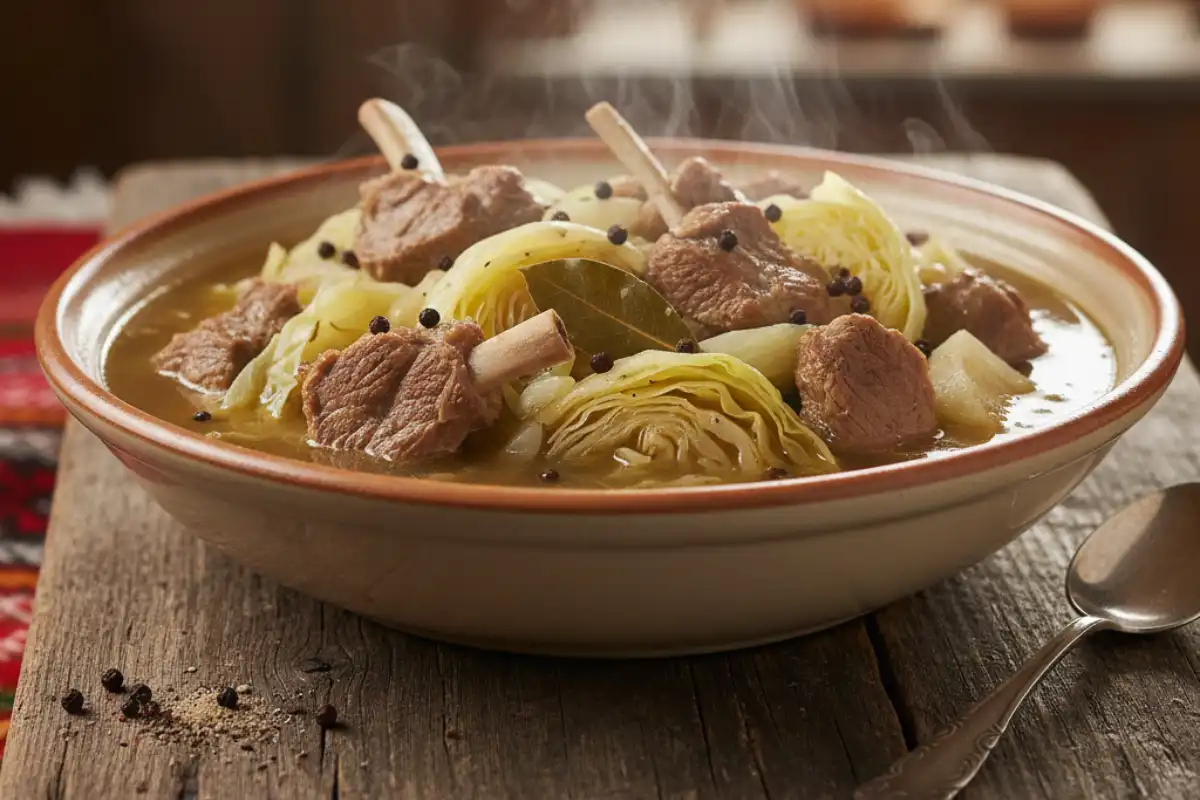
1. Fårikål (Norway): Mutton and Cabbage Stew
Considered the national dish of Norway, *Fårikål* is a simple but deeply flavorful stew. It consists of large chunks of mutton or lamb, simmered for hours with cabbage, whole peppercorns, and often served only with potatoes.
- **The Experience:** It is a communal, uncomplicated dish, traditionally served in the autumn and deep winter months. The long cooking time breaks down the fat in the meat, creating a rich, savory broth.
2. Julefrokost Classics (Denmark): The Festive Lunch
Danish Christmas lunch (*Julefrokost*) often extends into the core winter period and features iconic preserved meats and fish.
- **Flæskesvær:** Crispy pork rinds, a common salty, satisfying winter snack.
- **Leverpostej:** A rich, hearty liver pâté, often served warm on rye bread (*rugbrød*) and topped with bacon and mushrooms.
3. Lutefisk (Sweden and Norway): The Controversial Cod
A dish that inspires strong opinions, *Lutefisk* is dried white fish (usually cod) that has been treated with lye (a strong alkali). It is highly traditional, especially in coastal regions and for holiday gatherings.
- **The Preparation:** It is rehydrated to a jelly-like consistency, then baked or boiled, and often served with butter, white sauce, bacon, and mashed green peas.
Sweet Treats and Warming Drinks 🍪☕
Winter holidays bring a focus on rich, spiced baked goods and traditional beverages.
1. Gløgg (All Scandinavia): Spiced Mulled Wine
The Nordic version of mulled wine, *Gløgg* is essential for warming up on a cold day. It’s usually red wine heated with spices like cinnamon, cardamom, cloves, and orange peel, often fortified with spirits like aquavit or vodka.
- **Serving Tradition:** Always served with raisins and blanched almonds in the cup, which are spooned out after drinking.
2. Risgrøt / Risgrynsgröt (Norway/Sweden): Rice Porridge
A creamy, hot rice porridge, traditionally served for lunch or dessert, especially on Christmas Eve.
- **The Surprise:** A single almond is often hidden in the pot. Whoever finds the almond receives a small prize, or, traditionally, is destined for good luck in the coming year.
Food Critic Tip: Embrace the Authenticity
“When trying traditional Scandinavian winter food, especially dishes like *Lutefisk* or *Surströmming* (fermented herring), don’t expect delicate flavors; expect history. These dishes tell a story of preservation and survival. Seek out local, family-run establishments rather than modern restaurants for the most authentic and often the best versions.” (Source: Nordic Food Magazine)
Frequently Asked Questions About Scandinavian Winter Cuisine
What is the difference between Swedish and Norwegian meatballs?
Swedish meatballs (*Köttbullar*) traditionally contain a mix of ground beef and pork, and are known for their distinctive, slightly sweet, creamy brown sauce (often containing lingonberry jam). Norwegian meatballs (*Kjøttkaker*) are usually larger, made mostly with beef, and served with a darker gravy and mashed peas.
Is reindeer meat common in traditional winter dishes?
Yes. Reindeer (*reinsdyr* or *renkött*) is a staple in Northern Scandinavia, especially in Finnish and Sami culture. It is prized for its lean, flavorful meat and is often served as dried jerky, stewed in cream sauces, or grilled.
What is Aquavit and how is it consumed?
Aquavit (or Akvavit) is a Scandinavian spirit flavored primarily with caraway or dill. It is traditionally consumed straight, chilled, and often accompanies rich winter meals, particularly pork and smoked fish dishes, as a digestif.
Are there good vegetarian options in traditional winter Scandinavian food?
Historically, traditional winter cuisine heavily relies on preserved meat and fish. However, many side dishes like boiled potatoes, root vegetables, and fermented cabbage (*surkål*) are vegetable-based. Modern Scandinavian restaurants now offer excellent vegetarian adaptations of classic dishes like mushroom *Köttbullar* and root vegetable roasts.
Where does the characteristic sour flavor come from in Nordic cooking?
The sourness comes from the tradition of **fermentation** and **preservation** (e.g., fermented fish, pickled vegetables), as well as the liberal use of sour berries like lingonberries and cloudberries, which balance the richness of the heavy winter meats and sauces.
Conclusion: Comfort on a Cold Plate 🇸🇪🇳🇴🇩🇰
Scandinavian winter dishes are much more than sustenance; they are a culinary map of the region’s heritage. They offer a powerful antidote to the cold, emphasizing warmth, community, and the skillful utilization of limited resources. To truly experience the magic of the Nordic winter, set aside the delicate, modern New Nordic cuisine for a night and embrace the deep, comforting flavors of these timeless traditional classics.