Top Things to Do in Ulaanbaatar: Monasteries, Modern Art & Budget Tips
Ulaanbaatar (UB), the capital of Mongolia, is a captivating city where nomadic heritage meets rapid urbanization. As the cultural, political, and commercial heart of the country, UB is often the starting point for exploring the vast Mongolian steppes. The city offers a unique blend of Buddhist monasteries, Soviet-era architecture, and vibrant modern art. While Mongolia is generally a budget-friendly destination, smart planning in the capital is key. This 2025 guide provides essential tips on how to experience Ulaanbaatar on a budget, covering affordable accommodation, cheap food, transport, and critical safety advice.
A City of Contrasts
UB is a city that buzzes with energy, standing as a vital link between the urban world and the traditional nomadic lifestyle. The city center is compact and walkable, making it easy to explore the main attractions. From shopping for cashmere to visiting the iconic Genghis Khan Square, there’s a lot to discover. The following sections will guide you through the city’s highlights while providing key budget-saving strategies.
Top Things to Do in Ulaanbaatar
Culture & History:
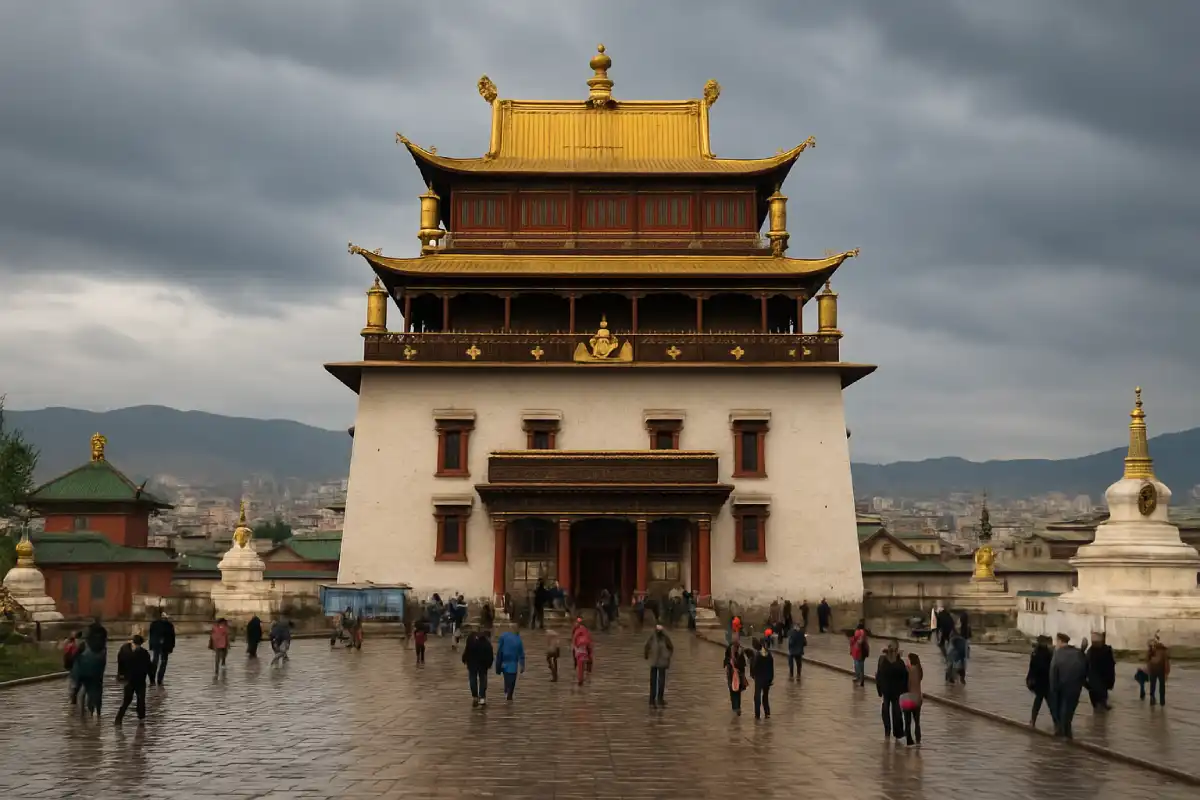
- Gandantegchinlen Monastery: A large and important Mongolian Buddhist monastery. It’s a peaceful place to witness the daily routines of monks and see the impressive 26.5m Avalokiteshvara statue.
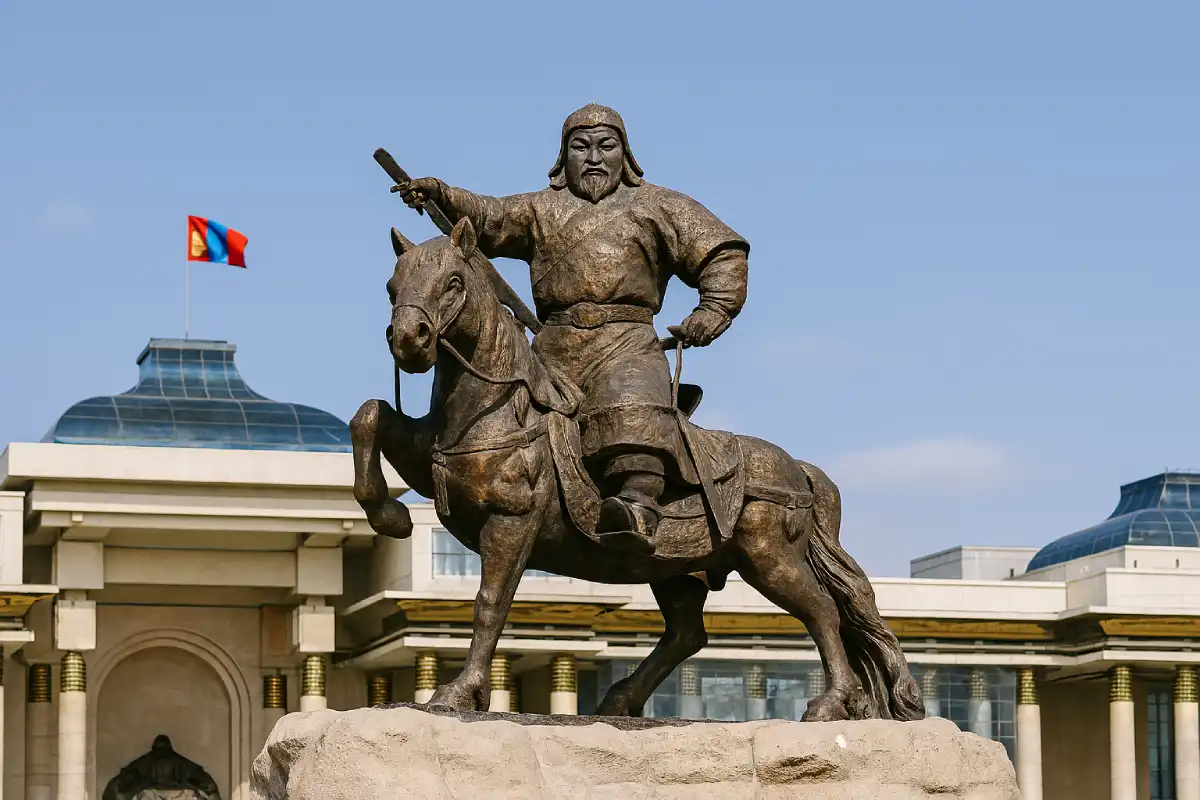
- Genghis Khan Square (Sükhbaatar Square): The central square, featuring a massive statue of Genghis Khan and surrounded by key government buildings, the State Opera House, and the Mongolian Stock Exchange.
- National Museum of Mongolia: Essential for understanding the country’s rich history, from the Stone Age to the modern democratic era.
- Zaisan Memorial: Located on a hill south of the city, this memorial offers the best panoramic view of Ulaanbaatar, especially beautiful at sunset.
Budget-Friendly Tip: Admission fees to museums and temples are generally low. Many of the city’s highlights, such as the central square and the Zaisan Memorial, are free to visit.
1. The Cost of a Bed: Budget-Friendly Accommodation
Hostels in Ulaanbaatar are the best budget option, offering low prices and often acting as a hub for organizing tours to the countryside. Most budget accommodations are centrally located, which saves money on public transport.
Hostel & Budget Accommodation Prices by Area (Average per night for a dorm bed, October 2025)
| Area | Description | Average Price (USD/night) | Pros for Budget Travelers |
|---|---|---|---|
| Central District (Around Peace Avenue) | The most convenient location, close to all major sights, restaurants, and transport links. | $8 – $15+ | Best for first-time visitors and sightseeing on foot. |
| Baga Toiruu (Near the State Department Store) | Slightly quieter, with many small shops, cafes, and easy access to the central area. | $8 – $12 | Good value, excellent amenities, and still very central. |
| Residential Areas (e.g., Near Govi Cashmere) | Further from the absolute center, offering a more local experience. | $6 – $10 | Cheapest rates, requiring a short bus ride or a longer walk to the main square. |
Note: Prices are estimates for a dorm bed. Prices are generally stable, but may rise during the Naadam festival (July).
Tips for Saving on Accommodation:
- Stay in Hostels with Kitchens: Cooking your own meals is essential for budget travel in Ulaanbaatar.
- Book Early for Naadam: If traveling in July, book several months in advance as prices and availability drastically change.
2. Eating on a Dime: Ulaanbaatar’s Budget Food Scene
Mongolian cuisine is meat-heavy, with simple but hearty dishes. Street food, canteens, and local restaurants offer incredibly low prices, making food costs manageable even for the tightest budget.
Estimated Budget Food Costs (October 2025):
- Breakfast: 3,000 – 6,000 MNT ($0.90 – $1.80 USD) for a pastry and tea/coffee.
- Lunch (Local Canteen): 6,000 – 12,000 MNT ($1.80 – $3.50 USD) for a bowl of *tsuivan* (noodles) or a local dish.
- Dinner (Restaurant): 15,000 – 25,000 MNT ($4.50 – $7.50 USD) for a meal at a casual restaurant.
- Daily Budget for Food: 15,000 – 35,000 MNT ($4.50 – $10.50 USD) is a very comfortable budget if you focus on local eats.
Budget Eating Tips:
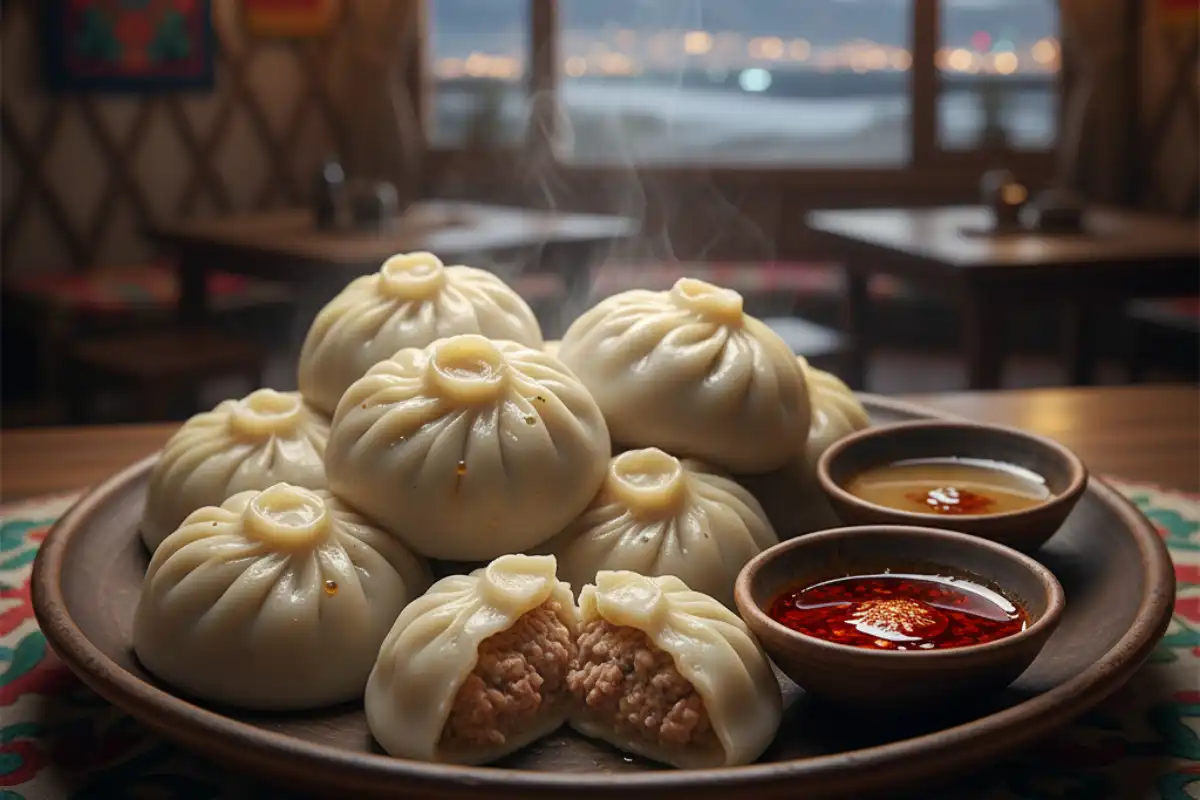
- Try *Buuz* and *Khushuur*: These are Mongolia’s famous steamed or fried meat dumplings, which are cheap, filling, and found everywhere.
- Visit a Canteen (*Guanz*): These local, self-service canteens offer the best value for traditional food. Look for places with long lines of locals.
- Shop at Supermarkets: Markets and stores like E-Mart or Mercury Market are good for basics, water, and snacks.
3. Getting Around: The Cost of Public Transit
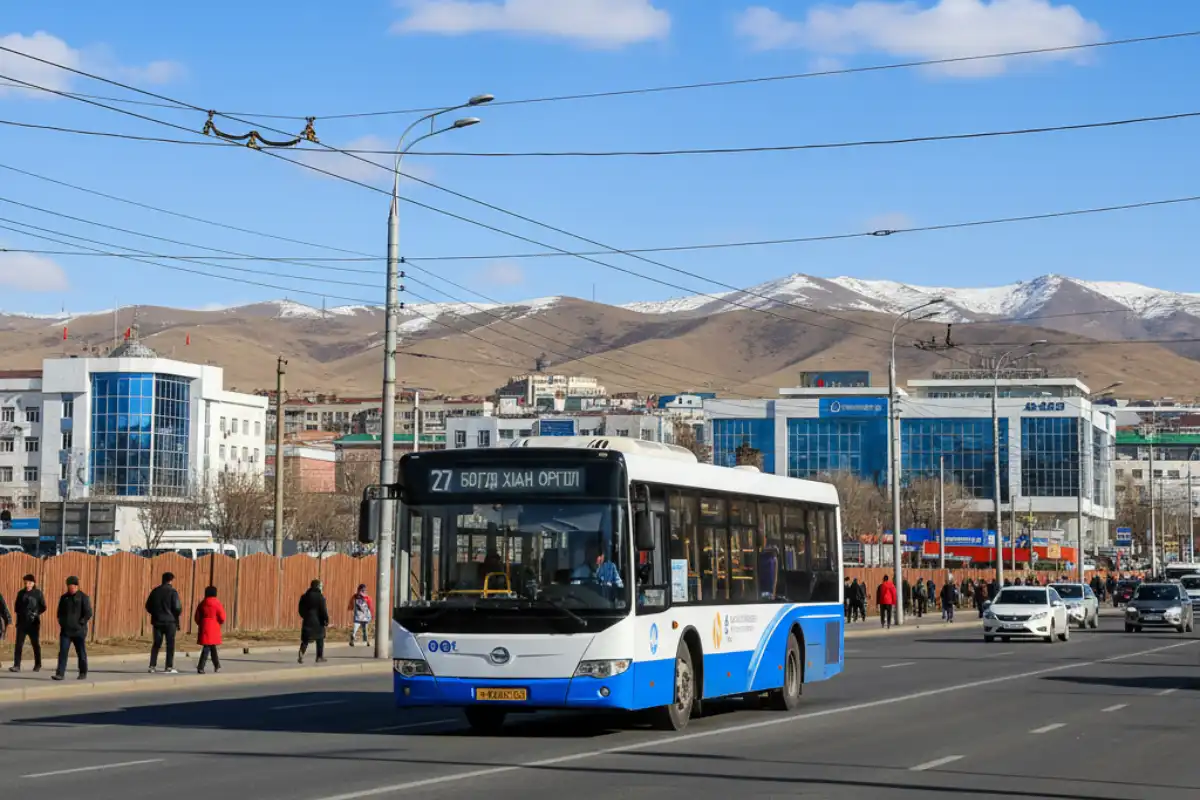
Ulaanbaatar’s public transport consists mainly of buses and trolleybuses. The city center is walkable, but buses are essential for reaching areas like the Zaisan Memorial or the Gandan Monastery. Due to heavy traffic, travel times can be slow.
Fares (As of October 2025, subject to minor changes):
- Single Bus Ticket: 600 MNT (approx. $0.18 USD). This requires a contactless **U-Money Card**.
- U-Money Card: A rechargeable transit card. The card itself costs around 3,000 MNT ($0.90 USD). This is essential, as cash payments are often not accepted or are double the price.
- Shared Taxis/Ride-Sharing: Apps like **InDriver** or **UB Cab** are very affordable for getting around the city quickly and are often preferred over buses due to traffic. A ride across the central area costs around 5,000-10,000 MNT ($1.50 – $3.00 USD).
Tips for Transportation:
- Get a U-Money Card: Buy and top up this card at most bus stops or convenience stores immediately upon arrival if you plan to use the bus.
- Use Ride-Sharing Apps: For safety and convenience, especially at night, use ride-sharing apps. They are transparent and cheap.
4. Staying Safe: Dangers, Scams, and Areas to Avoid
Ulaanbaatar is a relatively safe capital, but tourists should be aware of a few specific risks, mainly centered around pickpocketing and opportunistic theft.
Common Dangers & Scams:
- Pickpocketing: **The most common threat.** Be extremely vigilant in crowded areas: the Central Market (Narantuul Market), the State Department Store (СЭТ), on crowded buses, and around Genghis Khan Square. Thieves often work in teams.
- Fake Taxis: If you hail a taxi on the street, agree on the price *before* you get in, as drivers may try to overcharge. Use ride-sharing apps instead to avoid this entirely.
- Mugging: While rare, it can happen in poorly lit areas or on the outskirts of the city late at night.
Areas to Be Cautious Of:
- Narantuul Market (“Black Market”): A famous place to shop, but notorious for pickpockets. Leave all valuables in your hostel and only carry enough cash for your purchases.
- The “Ger” Districts: The sprawling informal settlements outside the city center. These areas lack basic infrastructure and are best avoided by tourists unless traveling with a local guide.
General Safety Advice:
- Dress Appropriately: Do not flash expensive jewelry or electronics. Keep cameras and phones secure.
- Security on Buses: When on a crowded bus, hold your bag in front of you and be aware of people pressing up against you.
- Emergency Numbers: Police 102, Ambulance 103, Fire 101.
5. Ensuring a Positive & Unforgettable Ulaanbaatar Trip
Ulaanbaatar is a welcoming city that serves as a launchpad for the rest of Mongolia. Embrace the local culture for the best experience.
- Take a Free Walking Tour: These are highly recommended to understand the city’s complex history, from the Mongol Empire to the Soviet influence.
- Visit the State Department Store (СЭТ): Great for window shopping, stocking up on supplies for trips, and buying affordable cashmere products.
- Embrace the Culture: When visiting monasteries, always walk clockwise (the direction of prayer). Dress modestly and remove hats when entering temples.
- Plan a Ger Camp Trip: Ulaanbaatar is the perfect place to organize a multi-day trip to a Ger (yurt) camp in the countryside. Hostels are usually the best places to find affordable group tours.
6. Ulaanbaatar Travel FAQs (October 2025)
What is the currency in Mongolia?
The currency is the Mongolian Tögrög or Tugrik (MNT). Cash is essential for local markets and outside the city, but major hotels and restaurants in UB accept credit cards.
How can I get from Chinggis Khaan International Airport (UBN) to the city center?
The most reliable and affordable way is the public airport bus (around 10,000 MNT) or by pre-booking a taxi/using a ride-sharing app (InDriver) for around 30,000-45,000 MNT.
Is Ulaanbaatar a walkable city?
The main central area (Peace Avenue and the squares) is highly walkable. However, to reach further sights like the Zaisan Memorial, you will need to use public transport or a taxi.
Do I need to speak Mongolian to visit Ulaanbaatar?
No. English is widely spoken in tourist-focused businesses, hotels, and hostels. Learning a few basic Mongolian phrases, however, will be greatly appreciated by locals.
What is the famous local drink I should try?
You should try *Airag* (fermented mare’s milk), a traditional and slightly alcoholic drink. You will find it more often outside of UB, but some traditional restaurants in the city offer it. Also try the traditional milk tea (*suutei tsai*).
Your Mongolian Adventure Awaits!
Ulaanbaatar is the perfect blend of city life and nomadic tradition. With these budget and safety tips, you’re ready to explore this unique capital and beyond!
Start Planning Your Ulaanbaatar Trip