Top ski resorts in the Alps for beginners
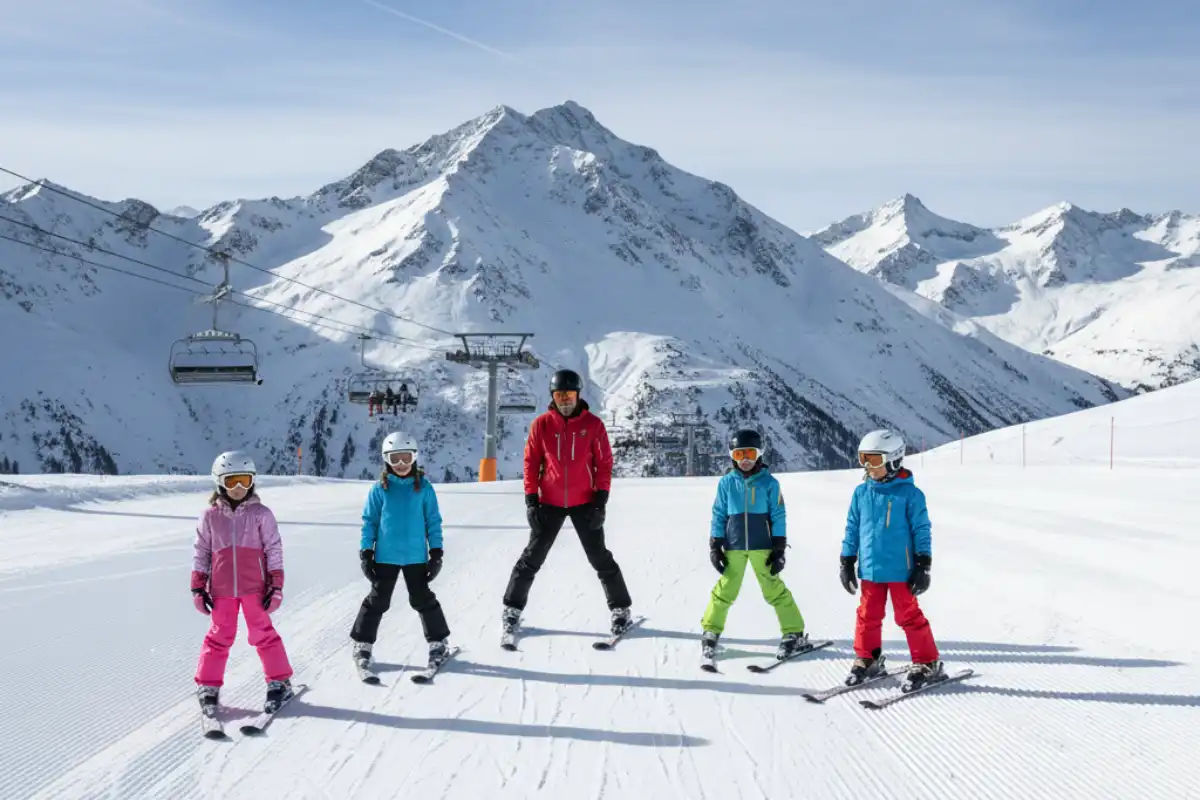
Choosing the first ski resort is the most critical decision for any aspiring skier or snowboarder. While the Alps are famous for challenging, steep terrain, many resorts are ideally designed for novices, prioritizing safety, dedicated learning zones, high-quality ski instruction, and seamless progression. For beginners, the best resorts offer wide, gentle slopes (usually classified as blue or green runs) that are accessible via easy-to-use lifts and are located close to the main village.
Critical Factors for Beginner Resorts 🔑
A great resort for beginners must excel in these three areas:
1. Nursery Slopes and Dedicated Zones
A true beginner needs a large, **flat, designated area** with gentle gradients. Look for resorts with:
- **Magic Carpets and Drag Lifts:** Easy conveyor belt or rope lifts that eliminate the challenge of traditional chairlifts.
- **Beginner-Specific Passes:** Resorts that offer cheaper passes covering only the lower, learning-area lifts can save significant money.
2. High-Quality Ski Schools and English Speaking
Instruction is non-negotiable for first-timers. The best schools offer high instructor-to-student ratios and are known for their patient, multi-lingual staff.
3. Progression Terrain (Wide Blue Runs)
After a couple of days on the nursery slopes, beginners need access to **wide, quiet blue runs** that are not shared with fast, expert skiers. The key is gradient gentle enough to practice turns without picking up too much speed.
Top Alpine Destinations for New Skiers 🎯
France: Les Gets (Portes du Soleil)
- **Why it’s Great:** Les Gets boasts an exceptional, easily accessible beginner area right above the village. The **”Pérrières” zone** and the large “Plateau du Mont Chéry” area offer wide, gentle blue runs perfect for building confidence.
- **Ski School:** Home to excellent branches of the École du Ski Français (ESF) with strong English-speaking instruction.
- **Review:** “I learned in Les Gets, and the progression was perfect. After two days on the magic carpets, the **’Boule de Gomme’** blue run was wide and uncrowded enough that I never felt intimidated by faster skiers. The slopes are generally very well-groomed.” (Source: Ski Review Forum)
Austria: Mayrhofen (Zillertal Valley)
- **Why it’s Great:** While the resort is known for its advanced ‘Harakiri’ run, the **Penken and Ahorn mountains** offer fantastic beginner areas. Ahorn, in particular, has a dedicated, calm plateau accessible via a massive, easy-to-use gondola, perfect for practicing.
- **Vibe:** Offers a great balance of traditional Austrian charm (après-ski) with modern lift infrastructure.
Italy: La Thuile (Aosta Valley)
- **Why it’s Great:** Tends to be **more affordable** than French or Swiss counterparts. La Thuile offers a fantastic network of long, cruisy blue runs that crisscross the mountain, allowing beginners to travel considerable distances without hitting anything steep or challenging.
- **The Benefit:** Its link to the French resort of La Rosière (via a gentle crossing) provides immense, easy terrain variety for those progressing quickly.
- **Journalist Insight:** “Italian resorts, like La Thuile, often offer a more laid-back learning experience. The ski pass prices are competitive, and the culture is geared more towards long, leisurely lunches than rushing up the slopes ideal for beginners needing a break.” (Source: Ski Travel Expert Column)
Money-Saving and Logistics Advice 💰
Skiing is expensive, but beginners can employ strategies to cut costs.
- **The Six-Day Lesson Discount:** Booking a full week of lessons (usually 5 or 6 half-days) is significantly cheaper than booking lessons piecemeal. It also ensures consistent learning.
- **The Mid-Week Advantage:** Avoid peak periods (Christmas, Easter, half-term school holidays). Prices for accommodation and lifts are lowest in **mid-January** and **mid-March**.
- **Gear Rental:** Rent equipment in the resort for the first trip. Beginners are constantly adjusting boots and settings, making on-site rental convenient. Once you are committed, buy your own.
Safety Tip: The Importance of the ‘Slow Zone’
“As a beginner, never feel pressured to take a fast lift or join a group on a run you don’t feel ready for. Reputable resorts clearly mark slow zones stay in them! If you fall on a steep run, it’s demoralizing and potentially dangerous. The goal is to finish the week feeling competent, not bruised.” (Source: Professional Ski Instructor Interview)
Frequently Asked Questions for Alpine Beginners
How many days of lessons do I need to be able to ski blue runs?
Most beginners can master the basic snowplough turn and stop within **3 to 4 days** of daily instruction. By the end of a week (5-6 days), most physically fit adults can comfortably and safely navigate groomed blue runs.
Should I start on skis or a snowboard?
**Skis** are generally easier to learn initially, as the motion is more natural (one foot per ski) and learning to stop (the snowplough) is quick. **Snowboarding** has a steeper initial learning curve (learning to balance on the edge) but progression to advanced levels can sometimes be faster once the basics are mastered.
What does the color coding of Alpine slopes mean?
The standard system is: **Green** (easiest, usually very short nursery slopes), **Blue** (easy, wide, gentle gradient ideal for practicing after a few lessons), **Red** (intermediate, steeper and sometimes narrower), and **Black** (expert, very steep, and potentially moguled or icy).
Do I need to buy my own ski jacket and pants?
For a first trip, it’s advisable to **rent or borrow** the outer layers (jacket and pants). They must be waterproof and insulated. Focus your investment on essential personal items that cannot be rented: **thermal base layers** (wool or synthetic) and **high-quality ski socks**.
Will the cold be a problem for a beginner?
You may feel the cold more because you spend more time standing or riding slow lifts compared to fast experts. The solution is **layering** (especially neck warmers and good gloves/mittens) and ensuring your boots fit correctly, as tight boots restrict circulation and cause cold feet.
Conclusion: Start Strong, Finish Confident 💪
A first-time ski holiday should be focused entirely on a supportive, safe learning environment. By choosing an Alpine resort known for its dedicated beginner terrain, excellent ski schools, and gentle progression routes like Les Gets, Mayrhofen, or La Thuile you set the stage for a positive and successful entry into the world of skiing. Confidence, not speed, is the goal for your first week.