Top Places to Visit in Islamabad: From Faisal Mosque to Daman-e-Koh
Islamabad, Pakistan’s architecturally planned capital, is a striking contrast to the chaos of South Asia. Nestled against the picturesque Margalla Hills, the city offers a blend of modern infrastructure and natural beauty, making it an increasingly popular destination for travelers. This 2025 budget guide focuses on the city's top attractions like the monumental Faisal Mosque and the panoramic Daman-e-Koh view point while providing essential, up-to-date information on affordable accommodation, local dining, public transit costs, and crucial safety and security tips.

Top Spots: Faith, Nature, and History
Islamabad is divided into numbered and lettered sectors, making navigation straightforward. The major sights are spread out, but all are accessible.
Essential Islamabad Attractions:
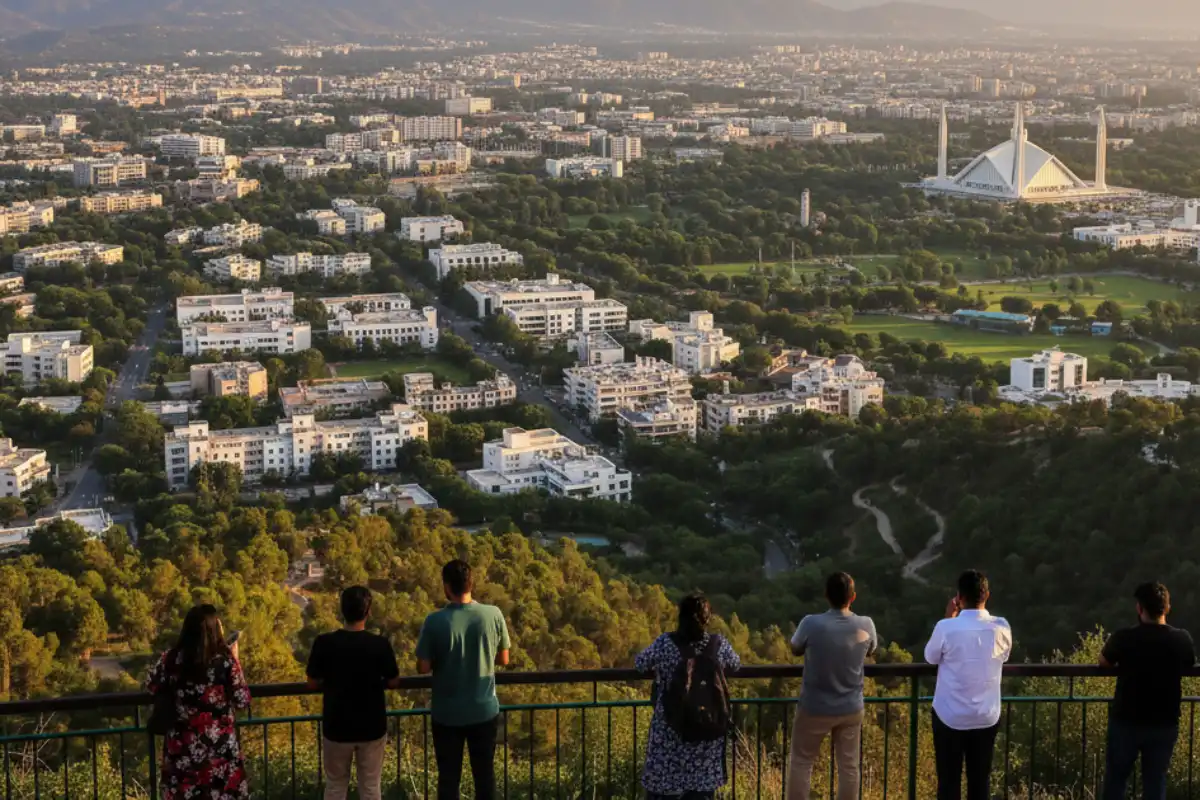
- Faisal Mosque: The largest mosque in Pakistan and a breathtaking example of modern Islamic architecture, gifted by King Faisal of Saudi Arabia. **(Free entry)**.
- Daman-e-Koh: A viewing point in the Margalla Hills National Park that offers panoramic views of the entire city. Perfect for a sunset visit. **(Small parking/entry fee)**.
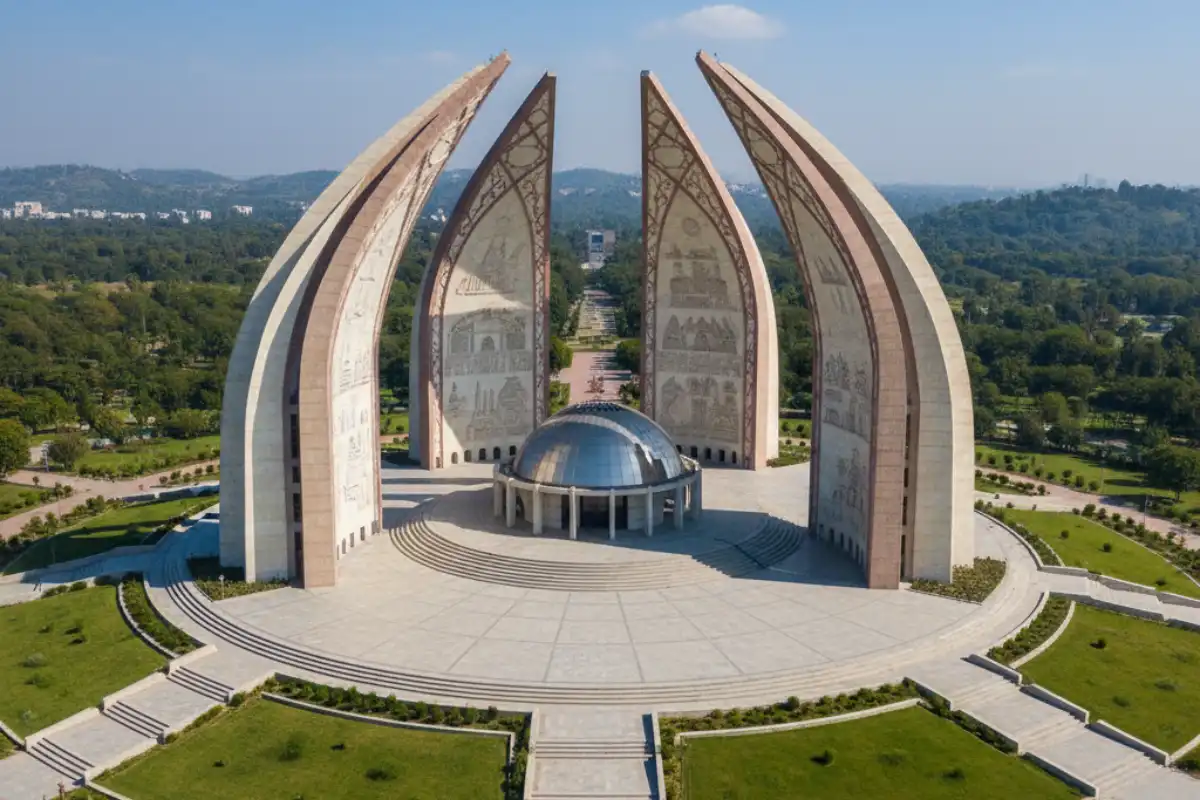
- Pakistan Monument and Museum: A beautiful, petal-shaped monument symbolizing the four provinces and three territories of Pakistan. The adjacent museum offers a rich history lesson. **(Monument: Free; Museum: Small fee)**.
- Rawal Lake: A large, artificial reservoir ideal for boating, bird-watching, and lakeside picnics. Located near the eastern side of the city.
- Saidpur Village: A charming, historical village showcasing a blend of Mughal, Hindu, and Sikh heritage, now featuring local restaurants and art galleries.
1. The Cost of a Bed: Budget-Friendly Accommodation (2025)
Islamabad’s accommodation is generally geared towards middle to high-end travelers, but the city has seen a rise in quality, budget-friendly hostels and guesthouses, particularly in the G and F sectors, which are centrally located and safe.
Hostel & Budget Accommodation Prices by Area (Average per night for a dorm bed, October 2025)
| Area / Sector | Description | Average Price (USD/night) | Pros for Budget Travelers |
|---|---|---|---|
| F-6 / F-7 (Markaz) | Premium sectors with shopping markets (Jinnah Super, Kohsar Market); safe and central. | $15 – $25+ | Best access to high-quality amenities and dining. |
| G-6 / G-7 (Blue Area Vicinity) | Closer to government buildings and the business district; more established guesthouses. | $12 – $20 | Good central location, proximity to the Metro Bus network. |
| E-11 / Outskirts | Newer, slightly further out, but often home to dedicated, modern hostels. | $8 – $15 | Lowest prices, often includes free breakfast (check Hostelworld listings). |
Note: $1 USD ≈ 280-300 PKR (estimated for Oct 2025, subject to fluctuation). Many dorm beds hover around 2,500 – 4,500 PKR.
Tips for Saving on Accommodation:
- Look for ‘Guesthouses’: Many budget hostels are officially registered as guesthouses. These often offer private budget rooms for only slightly more than a dorm bed.
- Prioritize Free Breakfast: Many highly-rated hostels include a decent Pakistani breakfast (Paratha, egg, chai), which saves a significant amount on daily food expenses.
2. Budget Food Costs: Taste Pakistan on a Dime
Pakistani cuisine is hearty, flavorful, and incredibly budget-friendly, especially when eating at local joints (*Dhabas*) or food streets.
Estimated Budget Food Costs (October 2025):
- Breakfast (Paratha & Chai): 100 – 200 PKR ($0.35 – $0.70 USD) at a roadside *Dhaba*.
- Lunch (Dhal/Vegetable Curry with Roti): 250 – 400 PKR ($0.90 – $1.40 USD) for a filling, local meal.
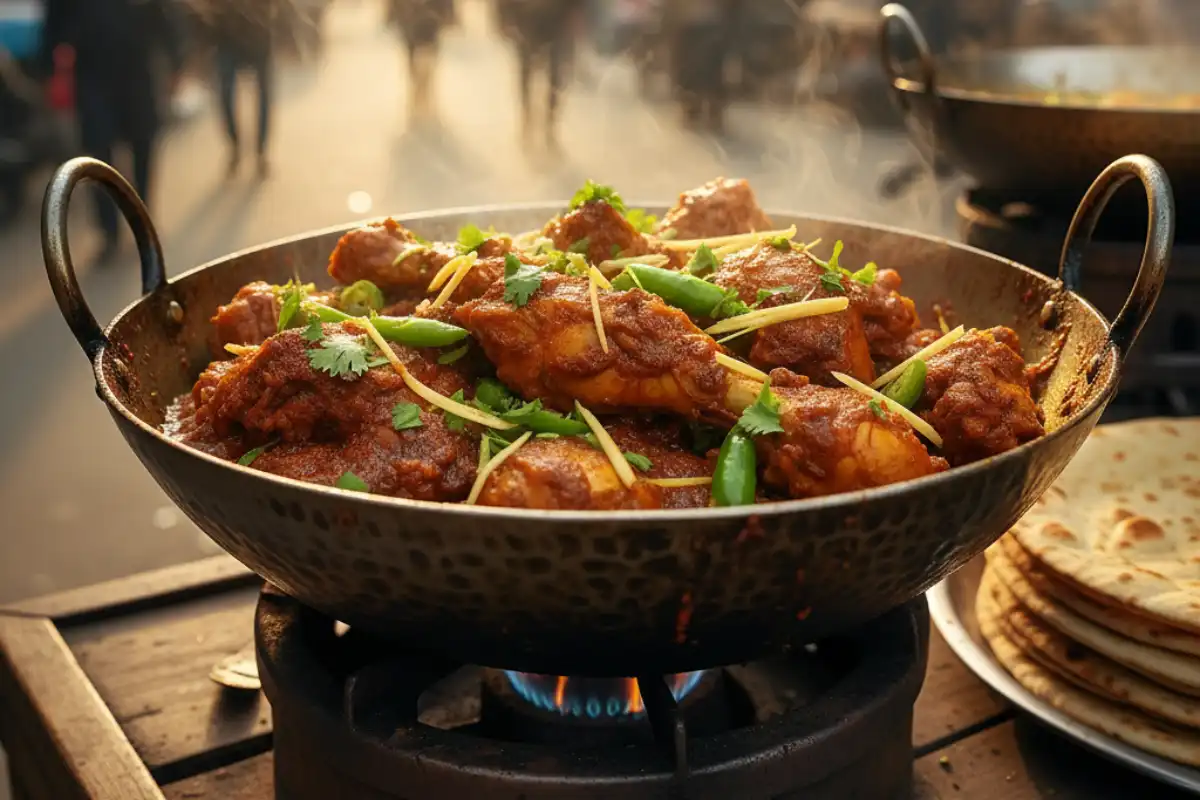
- Dinner (Chicken Karahi/BBQ Skewers at a local spot): 600 – 1000 PKR ($2.10 – $3.50 USD) for a generous, high-quality dish (shared with 1-2 people).
- Daily Budget for Food: 800 – 1500 PKR ($2.80 – $5.20 USD) is more than enough for a budget traveler focused on local dining.
Budget Eating Tips:
- Explore the Markaz (Markets): Every sector (F-6 Markaz, F-7 Markaz, G-9 Markaz) has a central market area with numerous cheap local eateries.
- Try *Samosas* and *Pakoras*: These delicious, deep-fried snacks are available everywhere for 20-50 PKR each.
- The “Secret” Food Street: For amazing evening BBQ and tandoori food, look for local joints near the F-10 and G-10 sectors.
3. Getting Around: The Cost of Public Transit
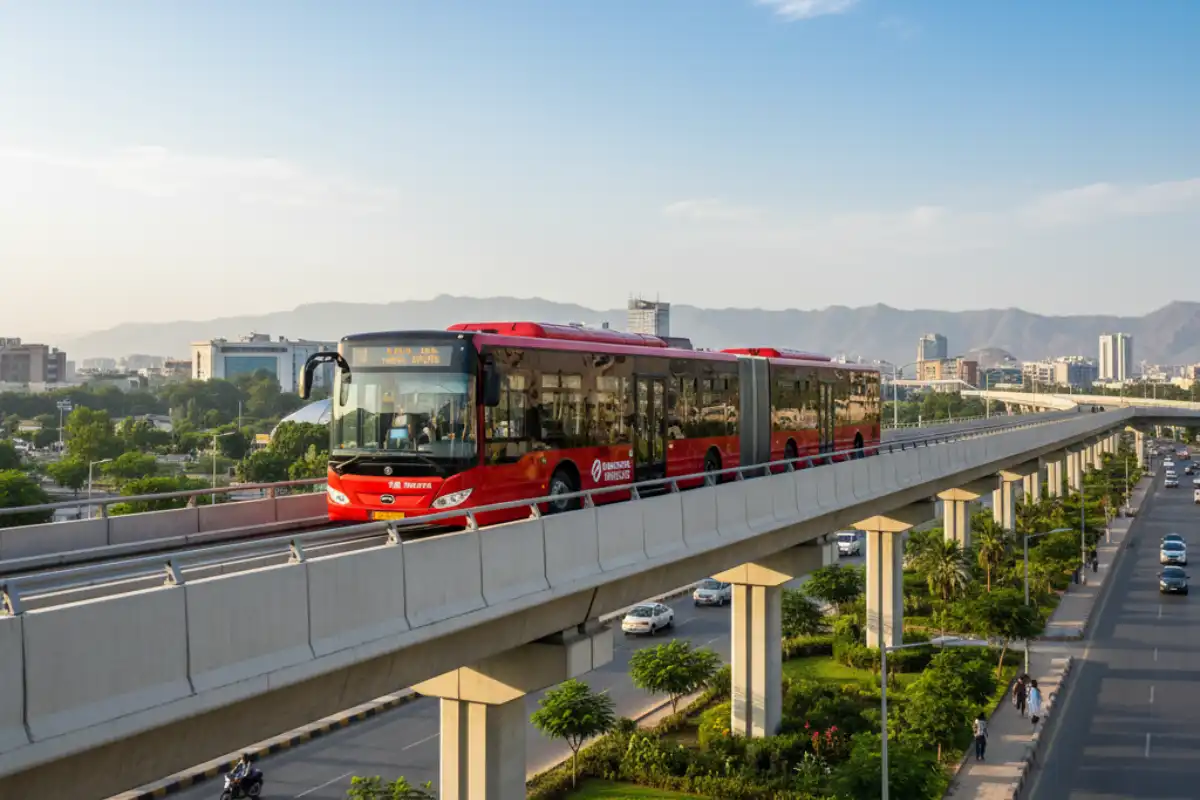
Islamabad is one of the few cities in Pakistan with a modern, air-conditioned public transport system, making it ideal for budget travelers.
Fares (As of October 2025):
- Metro Bus (Blue/Green/Orange/Red Lines): **The budget essential.** The fare for most routes was raised to a fixed **100 PKR ($0.35 USD)** per trip in May 2025. This covers long distances, including the route to Rawalpindi and the airport.
- Ride-Sharing (Careem/Indrive): **Recommended for convenience and safety.** While not public transit, ride-sharing is very affordable. A short trip might cost 300-600 PKR ($1.00 – $2.10 USD). Use it for non-Metro destinations like Daman-e-Koh.
- Local Taxis/Rickshaws: Less common in Islamabad than in other cities. Always negotiate the fare *before* getting in, as meters are often ‘broken.’
Tips for Transportation:
- Utilize the Metro: The Metro Bus system is clean, secure, and efficient. Use it to connect key sectors, the airport (via Orange Line), and the neighboring city of Rawalpindi.
- Download Ride-Sharing Apps: For places not on the Metro route (like the Margalla Hills), Careem or Indrive offers fixed, transparent fares, minimizing the risk of overcharging.
4. Staying Safe: Security, Scams, and Areas of Caution
While global advisories often place Pakistan at a high warning level, Islamabad is generally the most secure major city. However, visitors must remain vigilant about security and political events.
Common Security & Scams:
- The Security Environment: Security is high, with numerous checkpoints. Carry photocopies of your passport and visa at all times. Foreigners are advised to maintain a low profile.
- “Lost Family/Need Money” Scam: This is a common social deception where individuals claim to be stranded or require money for a sudden emergency. Be polite but firm in declining.
- Online & ATM Scams: **The most common financial threat.** Only use ATMs located *inside* reputable bank branches or major shopping malls. Be wary of online money transfer requests.
- Unlicensed Guides/Touts: Around major sites (Faisal Mosque), be cautious of overly friendly individuals offering unauthorized tours or requiring a ‘small payment’ to enter. Official entry to major attractions is free or clearly marked.
Areas to Be Cautious Of:
- Rawalpindi’s Old City: While Rawalpindi is worth visiting, the older, densely populated inner city areas require heightened vigilance, particularly at night, due to crowds and petty crime.
- Political Rally Areas: Political protests and demonstrations occur occasionally, often around the Red Zone (Diplomatic Enclave) or major avenues. Check local news and avoid large, unplanned public gatherings, as roads can be closed quickly.
General Safety Advice:
- Dress Conservatively: Always dress respectfully (covering knees and shoulders) to avoid unwanted attention and respect local culture. Women should consider carrying a scarf.
- Avoid Solo Travel at Night: Use ride-sharing services after dark, even for short distances.
- Carry Local Cash: While cards are accepted in malls, almost all small shops, buses, and market stalls require Pakistani Rupees (PKR) cash.
5. Ensuring a Positive & Rewarding Islamabad Journey
Islamabad is clean, green, and the gateway to Northern Pakistan. Embrace the natural beauty and the kindness of its people.
- Hike the Margalla Trails: Start your day early and hike one of the marked trails (Trail 3, 5, or 6) for stunning views and a break from city life. Trail 3 is the most popular starting point.
- Savor the Chai: Pakistan has a famous tea culture. Take a break at a local tea stall for a cup of sweet *Doodh Patti* (milk tea) it’s a social necessity.
- Engage Respectfully: Pakistani people are known for their hospitality and curiosity toward foreigners. Be prepared for friendly questions and photo requests, especially outside of major tourist hubs.
- Visit Rawalpindi: Take the Metro Bus to Rawalpindi to experience the contrast of Islamabad’s planned quietness with the vibrant, chaotic heart of a traditional South Asian city.
6. Islamabad Travel FAQs (October 2025)
What is the currency and should I use cash or card?
The currency is the Pakistani Rupee (PKR). Cash is essential for all budget travel, including the Metro Bus, local food stalls, and small purchases. Use a card only at major malls and international hotels.
Is it easy to communicate in English?
Yes, English is widely spoken and understood, especially in government, business, tourism, and among educated youth. Basic communication will not be an issue.
Can I use the Metro Bus to get to the airport?
Yes, the Orange Line Metro Bus connects the Pakistan International Airlines (PIA) office in G-9 with Islamabad International Airport (IIAP). The fare is the standard 100 PKR per person.
What is the weather like in October?
October marks the end of the hot season and the start of pleasant weather. Expect warm, sunny days with temperatures generally ranging from 20°C to 30°C, making it an excellent time for sightseeing.
Is Islamabad safe for female solo travelers?
Islamabad is considered safer than other Pakistani cities, but solo female travelers should exercise caution. Always dress conservatively, avoid traveling alone at night, and use reputable ride-sharing apps (like Careem or Indrive) for all transport.
Start Your Pakistani Adventure!
Islamabad is a gateway to one of the world’s most spectacular regions. Plan your trip wisely and prepare to be amazed by the hospitality and beauty!
Plan Your Islamabad Itinerary