Top 5 Day Trips from Tehran: Mountains, Villages, and History
Tehran, Iran's vibrant capital, is a spectacular base for exploring mountain retreats, centuries-old villages, and crucial historical sites. This 2025 budget guide focuses on the **Top 5 Day Trips** that are easily accessible and affordable from hiking the stunning **Alborz Mountains** to visiting the iconic **Abyaneh Village**. We provide essential, up-to-date information on budget accommodation, cheap local dining, public transit costs, and crucial safety advice to ensure your Iranian adventure is both enriching and economical.
Top 5 Tehran Day Trips: Escape the City Chaos
Tehran offers excellent access to diverse natural and cultural sights. Here are the top five trips that balance history, nature, and budget-friendliness:
Must-See Day Trips from Tehran:
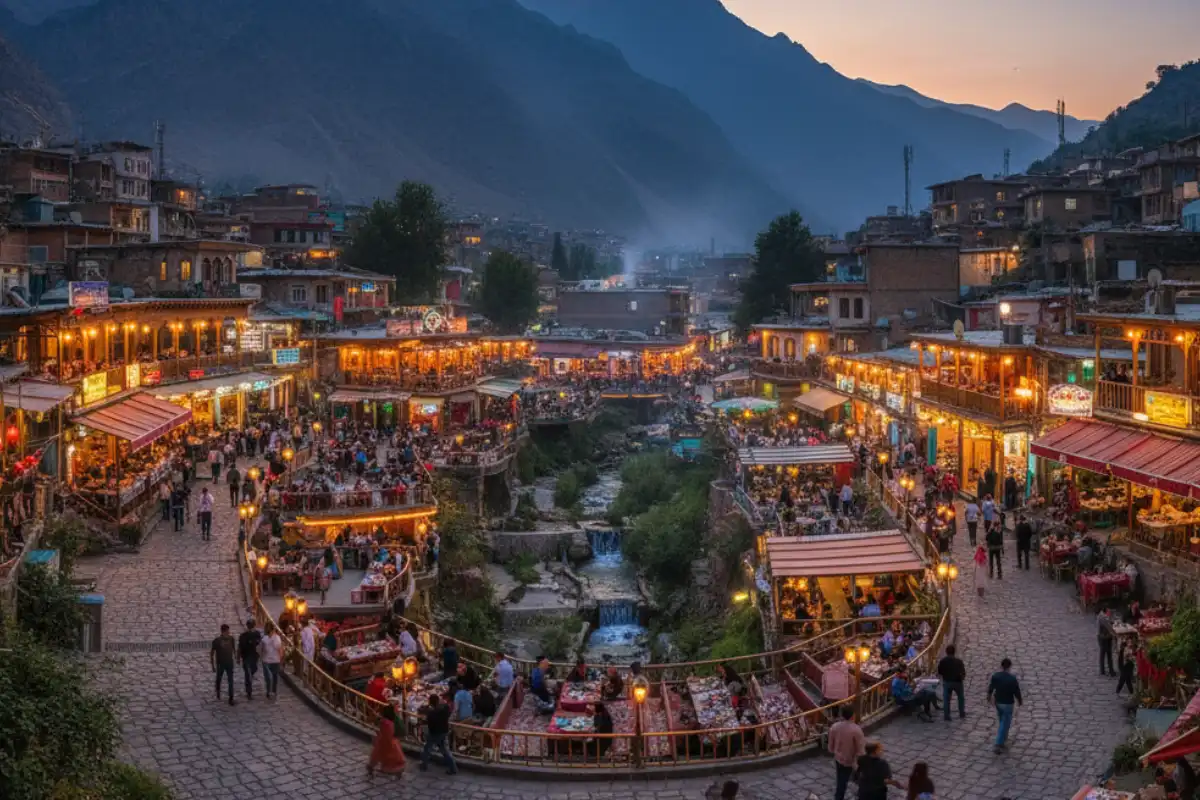
- 1. Darband & Tochal (Mountain Hiking): The closest and most popular retreat. Darband offers a lively, stepped walkway with abundant tea houses. **Tochal** provides a long cable car ride up the Alborz mountain range for skiing or high-altitude views. (Easy access by Metro/Taxi).
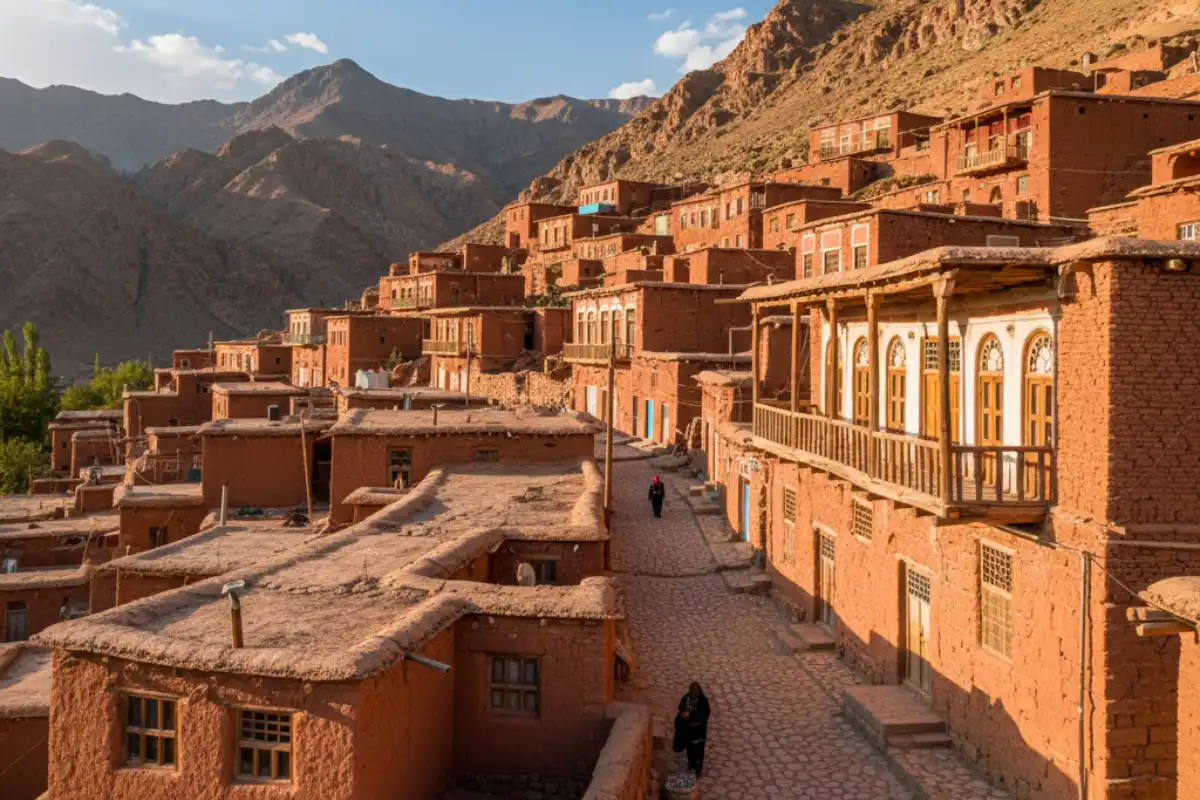
- 2. Abyaneh Village (Ancient History): Known as the ‘Red Village’ for its distinctively colored houses. This 1,500-year-old stepped village offers a deep dive into traditional Iranian life and architecture. (Requires bus/shared taxi).
- 3. Masouleh Village (Stepped Architecture): While a longer journey, this stunning tiered village in Gilan Province is famous for its houses built into the mountain, where the roof of one house is the courtyard of the one above. (Requires long-distance bus/private hire).
- 4. Qom & Kashan (Spiritual & Oasis Cities): Qom is Iran’s holy city, home to the magnificent shrine of Fatimah Masumeh. Pair it with nearby **Kashan**, an oasis city known for its beautiful traditional houses (e.g., Tabatabaei House) and Fin Garden. (Easy access by bus/train).
- 5. Dizin Ski Resort (Nature & Altitude): Even outside of winter, Dizin offers incredible mountain scenery and high-altitude hiking/views via the cable car, showcasing the rugged beauty of the Alborz. (Requires shared taxi or private hire).
1. The Cost of a Bed: Budget Accommodation in Tehran (2025)
Finding budget accommodation in Tehran means focusing on hostels and traditional guesthouses (*Mosaferkhaneh*). Prices are relatively stable, with US dollar-denominated prices being an estimate due to local currency fluctuations (Rial/Toman).
Hostel & Budget Accommodation Prices by Area (Average per night for a dorm bed, October 2025)
| Area / Neighborhood | Description | Average Price (USD/night) | Pros for Budget Travelers |
|---|---|---|---|
| Central/Bazaar Area | Close to the Grand Bazaar, Golestan Palace, and Metro Line 1. Bustling, historic, and convenient. | $6 – $12 | Best prices, close to major sights and transport hubs. |
| Northern Tehran (Tajrish/Shemiran) | Upscale, cooler climate, near Darband and Tochal, excellent cafes. Further from the city center, but great for day trips. | $10 – $18+ | Proximity to mountain day trips, higher quality hostels/amenities. |
| City Center (Haft-e Tir/Enghelab) | Good balance, well-connected by Metro Line 4 and 3, popular with students and close to universities. | $8 – $15 | Excellent transport links, good mid-range prices. |
Note: $1 USD ≈ 50,000 – 60,000 Toman (estimated for Oct 2025, highly subject to local fluctuation and the unofficial street rate). Always pay in Rial/Toman or Euros/USD as accepted.
Tips for Saving on Accommodation:
- Stay Central: Areas near the Metro Line 1 (like Panzdah-e Khordad or Imam Khomeini Square) offer the cheapest local guesthouses.
- Use Local Booking Sites: International sites may list higher prices or limited options. Booking directly or asking a local hostel for recommendations can unlock better deals.
2. Budget Food Costs: Affordable Iranian Feasts
Eating affordably in Tehran is easy. Stick to local, fast food, and kebab joints for delicious, filling meals that won’t strain your wallet. The local currency is officially the Iranian Rial (IRR), but prices are commonly quoted in **Toman** (1 Toman = 10 Rials).
Estimated Budget Food Costs (October 2025):
- Breakfast (Naan & Cheese/Tea): 50,000 – 100,000 Toman ($1 – $2 USD) at a local bakery (*Naanvai*) or tea house (*Chai Khaneh*).
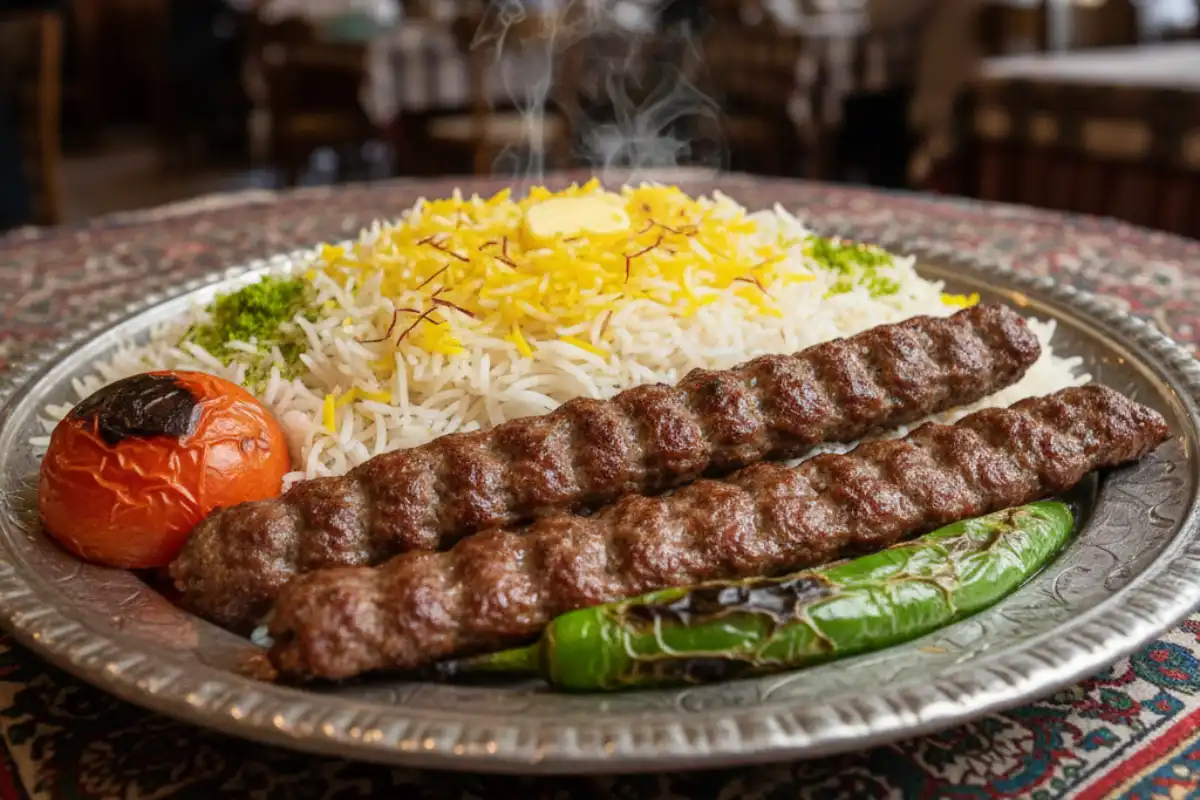
- Lunch (*Dizi* or Kebab/Rice): 150,000 – 300,000 Toman ($3 – $6 USD) for a hearty, filling meal at a traditional restaurant.
- Street Food (Falafel/Samosa): 30,000 – 70,000 Toman ($0.60 – $1.40 USD) for a quick, cheap bite. Falafel sandwiches are the ultimate budget staple.
- Daily Budget for Food: 500,000 – 800,000 Toman ($10 – $16 USD) is a generous budget for local food.
Budget Eating Tips:
- Look for *Fasti Food*: Local Iranian ‘fast food’ spots offer good quality pizza, burgers, and sandwiches that are cheap and reliable.
- Eat in the Bazaars: The food stalls and small restaurants inside the Grand Bazaar and local *bazaars* offer incredibly authentic and affordable Iranian dishes.
3. Getting Around: The Cost of Public Transit
Tehran’s public transport system, primarily the Metro and BRT (Bus Rapid Transit), is famously cheap, reliable, and efficient for navigating the massive city.
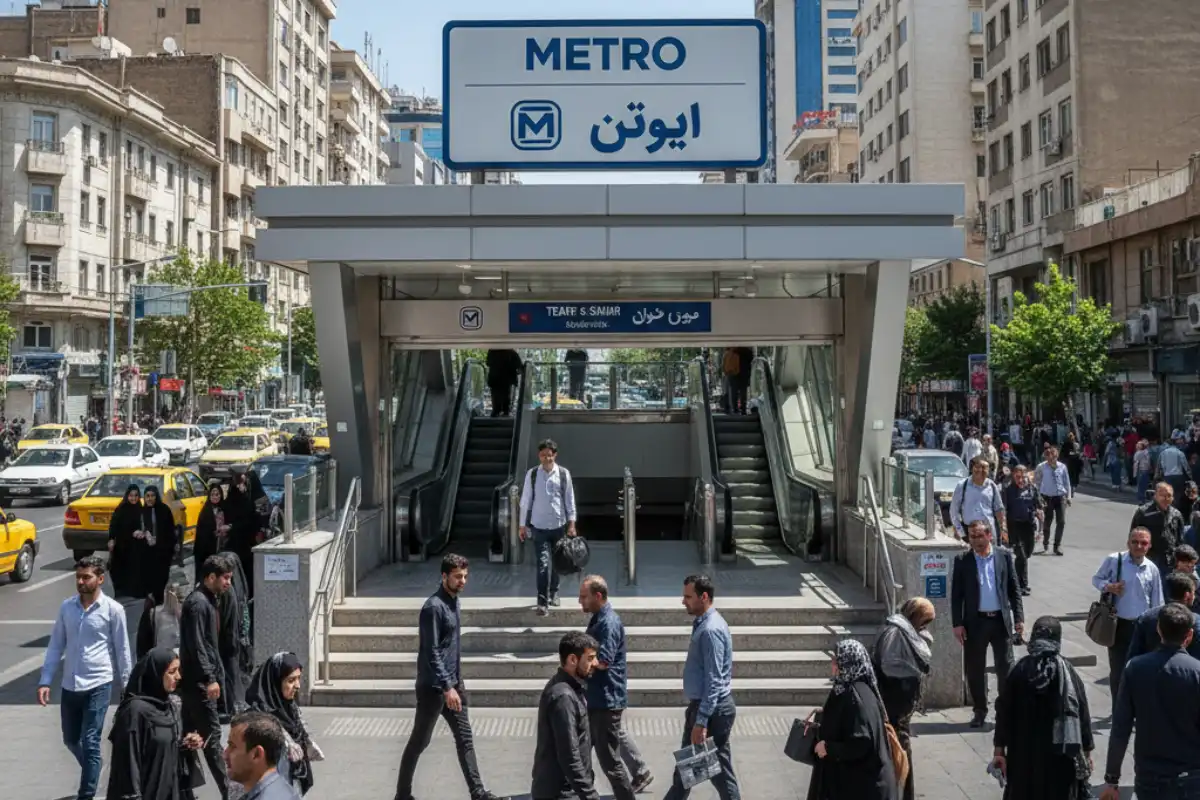
Fares (As of October 2025):
- Metro & BRT (Bus): **The budget essential.** Fares are based on distance but are incredibly cheap. A single trip costs approximately **2,000 – 5,000 Toman ($0.04 – $0.10 USD)**, paid using a rechargeable Metro Card.
- Tehran Metro Card: **A must-buy.** A reusable card (costing around 50,000 Toman) can be loaded with credit and used on both the Metro and BRT.
- Ride-Sharing (Snapp/Tapsi): **Recommended for non-Metro destinations and safety.** Snapp (Iran’s version of Uber/Careem) is incredibly cheap. A 15-minute ride might cost **50,000 – 150,000 Toman ($1 – $3 USD)**. Always use these apps for taxis.
- Long Distance Bus (Day Trips): Tehran’s bus terminals (like Azadi or Jonoub) offer cheap, comfortable trips. For example, a bus to Kashan might cost **200,000 – 400,000 Toman ($4 – $8 USD)**.
Tips for Transportation:
- Use the Metro/BRT: Use the Metro to cover long distances quickly. Be mindful of the segregated carriages on the Metro (women-only carriages at the front and end).
- Snapp is King: For late-night travel, or any destination off the Metro line (like Darband), use Snapp. It eliminates the need to negotiate with traditional taxi drivers.
4. Staying Safe: Security, Common Scams, and Caution Zones
Iran is generally considered safe for tourists, who often report exceptional levels of hospitality. However, like any major capital, Tehran has areas and scams to be aware of.
Common Security & Scams:
- The Money Exchange Scam: Be extremely wary of anyone on the street offering to exchange currency. Use **official exchange offices (*Sarrafi*)** in reputable areas like Ferdowsi Square. The parallel market offers a much better rate than banks, but use a reliable office.
- The “Official” Inspection: Very rarely, individuals may pose as police or officials, asking to see your passport or money. **Always decline politely and offer to walk to the nearest police station or hotel lobby**; never hand over documents or cash on the street.
- Taxi Overcharging: Traditional taxis without meters will try to overcharge foreigners. **Never take an un-booked taxi off the street; use Snapp or Tapsi exclusively.**
- Political Sensitivities: Avoid any public photography of government buildings, military sites, or political demonstrations. Keep a low profile near political centers.
Areas to Be Cautious Of:
- Grand Bazaar (Crowded Areas): Like any large, busy market, the Grand Bazaar and its immediate surroundings are prone to **petty theft (pickpocketing)**. Keep your wallet and phone secure and out of sight.
- South Tehran (Late Night): While not inherently dangerous, the southern districts (below Imam Khomeini Square) become less tourist-friendly and more challenging to navigate after dark. Stick to well-lit, central areas like Valiasr Street.
General Safety Advice:
- Dress Code (Hejab): All female travelers **must** wear a headscarf (hijab) and loose-fitting clothing that covers the arms and legs in public. Men should avoid shorts. This is a non-negotiable legal requirement.
- Connect with Locals: Iranians are incredibly friendly. Don’t be afraid of the common **”T’arof”** (a form of polite ritual politeness where an offer is made, which should often be declined once or twice).
5. Ensuring a Positive & Rewarding Tehran Journey
Tehran is a city of surprises, culture, and extreme kindness. Embrace the contrasts and the energy for an unforgettable experience.

- Hike Early: For Darband or Tochal, start your trip early in the morning to beat the crowds, the heat, and to fully enjoy the mountain air.
- Master the ‘Toman’: Since prices are usually quoted in Toman (even though the currency is Rial), always clarify: “Is that Toman or Rial?” before paying. This prevents major misunderstandings.
- Buy a Local SIM Card: Purchase an Iranian SIM (like Irancell or MCI) at the airport or a city office. This allows you to use local apps (Snapp, Telegram) and navigate using a local map.
- Plan for Friday: Friday is the weekend in Iran. Expect more crowds at tourist sites and day trip destinations (like Darband) and shorter opening hours for some businesses.
6. Tehran Day Trip FAQs (October 2025)
How do I pay for my day trips (e.g., Masouleh)?
Due to sanctions, foreign credit/debit cards (Visa/Mastercard) do not work in Iran. You must pay for everything including buses, hotels, and tours with **cash (Rials/Toman)**. It is highly recommended to get an Iranian prepaid debit card (like a Tourist Card) upon arrival to manage your funds easily.
Is it feasible to do Abyaneh or Masouleh as a true day trip?
**Abyaneh** (4-5 hours each way) is feasible as an extremely long day trip, but an overnight stay in the village or Kashan is highly recommended. **Masouleh** (7-8 hours each way) is generally too far for a comfortable day trip and requires a minimum of one night in the Gilan region.
Can I reach Darband or Tochal using the Tehran Metro?
Yes. Take Metro Line 1 (Red) to **Tajrish Station** (the last stop north). From there, you must take a short, cheap shuttle taxi or Snapp for the remaining 5-10 minutes uphill to the base of Darband or Tochal.
Is the Metro segregated by gender?
The first and last carriages of every Metro train are designated as ‘women-only,’ though women are free to ride in the mixed central carriages as well. This is a common feature on Tehran’s public transport.
What’s the best local food to try on a mountain day trip like Darband?
In Darband, you must try **Ab-Doogh Khiar** (a cold, savory yogurt soup/drink) in the summer or **Aash** (thick bean and herb soup) in the winter. The famous **Gheymeh** (lamb stew with split peas) and **Chai** (tea) are served in every tea house.
Ready to Explore Tehran’s Surroundings?
From the towering Alborz peaks to the ancient red alleys of Abyaneh, your adventure awaits. Plan your logistics and embrace the legendary Iranian hospitality!
Read Our Ultimate Iran Travel Guide