Tips for traveling with winter sports gear
Traveling with winter sports equipment, whether it's skis, snowboards, or bulky gear, presents unique logistical challenges. The goal is always the same: **get your gear to the mountain safely, intact, and affordably.** The difference between a smooth journey and an expensive headache often comes down to knowing airline policies and mastering the art of the multi-functional gear bag.
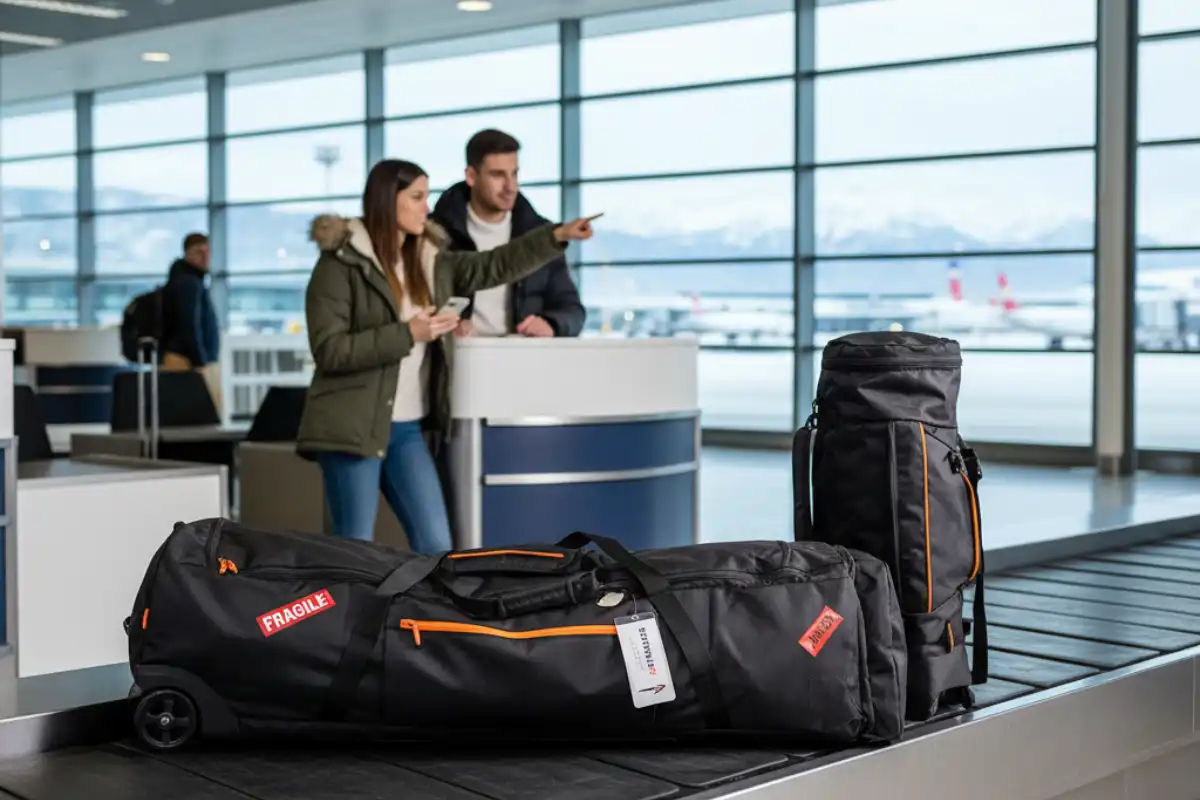
Flying Smart: Airline Rules and Fees ✈️
The rules for transporting winter sports gear vary widely, but general principles can save you money.
1. Exploit the ‘Ski Bag Exception’
Most major airlines (especially those serving winter destinations) consider a ski or snowboard bag and a separate boot bag as **one single piece of checked luggage.**
- **The Hack:** Since your ski/board bag is likely under the 50 lb (23 kg) limit without other clothing, use the extra space! Fill the voids around your equipment with soft, heavy items like sweaters, pants, and jackets. This effectively makes your gear bag a free, second checked bag.
- **Traveler Advice:** “Always print out the airline’s specific policy on ‘Ski Equipment’ and keep it handy. I once had an agent try to charge me for two separate bags until I showed them the rule clearly stating the ski bag and boot bag count as one item.” (Source: Frequent Flyer Forum)
2. Pack Boots in Carry-On or Checked Luggage
Your **ski or snowboard boots** are the most crucial piece of equipment and should be protected at all costs. If your gear bag is counted as one item with the boot bag, check the boot bag. If not, pack your boots in a separate bag or a dedicated pocket of your primary suitcase.
- **The Ultimate Safety Net:** If the airline loses your checked ski/board bag, you can rent skis/boards, but finding comfortable, well-fitting boots is nearly impossible. Many experts recommend packing boots in your **carry-on bag** for peace of mind.
Gear Protection and Packing Hacks 🛠️
A well-packed bag protects your investment and maximizes space.
1. Invest in a Quality Padded Bag
A padded bag with wheels is essential. Skis and boards, especially the tips and tails, are vulnerable to damage from baggage handlers. Consider a hard-shell case if traveling internationally or with high-end equipment.
- **Protect the Bindings:** Remove non-fixed parts and store them separately. Wrap the bindings or critical areas with towels, ski socks, or mid-layers for extra padding.
- **Prevent Rust:** After waxing your skis or board, wipe down the edges thoroughly. **Place a silica gel packet or a small, unused dryer sheet** inside the bag to absorb moisture and prevent rust buildup during transit.
2. Organizing Your Clothing
Winter clothing is bulky. Use compression sacks for your waterproof outerwear and base layers. This frees up space in your regular suitcase for boots or other items.
- **Electronics and Batteries:** Batteries for heated gear (jackets, gloves) must be packed in your **carry-on luggage** (not checked baggage) due to FAA safety rules regarding lithium-ion batteries.
Mountain Travel Expert’s Tip: Maximize the Boot Bag
“The boot bag (often counting as part of the one-item rule) is usually under-utilized. Beyond boots, pack your **helmet, goggles, gloves, and primary base layers** in this bag. These items are light but bulky, and it ensures that if your main suitcase is delayed, you still have the core comfort gear to ski immediately.” (Source: Winter Sports Travel Agent Newsletter)
Road Trips and Non-Air Travel 🚗
Traveling by car offers flexibility but requires attention to vehicle security and organization.
- **Roof Boxes (Thule/Yakima):** If driving long distances, a secure, locked roof box is the best option. It keeps wet gear outside the vehicle and frees up interior space, but it will impact fuel economy.
- **Interior Protection:** If traveling inside the car, use a waterproof, padded sleeve for your skis/board and lay down rubber mats or thick tarps to protect your car’s interior from sharp edges and melted snow/wax.
Frequently Asked Questions About Traveling with Gear
What is the weight limit for a ski or snowboard bag?
For most airlines, the weight limit for a ski/snowboard bag is the standard checked baggage limit: **50 lbs (23 kg)**. The length is usually exempt from standard restrictions, but the weight limit is strictly enforced and can result in costly overweight fees.
Should I put two pairs of skis in one bag?
If the bag is rated for multiple pairs and the combined weight stays under the 50 lb limit, yes. Many families or couples intentionally pack two sets of skis/boards in one large bag to reduce the number of checked items and save money on fees.
Is it better to rent gear or bring my own?
For beginners or those traveling briefly, **renting** can save hassle and money. For intermediate to expert skiers, bringing your own gear is usually worth the effort. Familiar, personalized equipment significantly enhances performance and comfort.
How do I prevent my gear bag from being lost during transfers?
Use bright, distinctive luggage tags on both ends of the bag. Place a detailed contact card **inside** the bag. If possible, book direct flights to avoid transfers, as connecting flights are the most common time for luggage to be mishandled.
Do I need to check my helmet separately?
No. A helmet can be packed inside your ski bag, boot bag, or regular checked suitcase. Alternatively, it is often bulky enough to be clipped onto your carry-on backpack or simply carried separately, which usually does not count as a personal item.
Conclusion: Protect Your Investment and Your Wallet ✨
Traveling with winter sports gear is manageable with the right strategy. By understanding the airline’s ‘ski bag exception,’ prioritizing the safety of your boots in your carry-on, and using your gear bag to smartly carry clothes, you can significantly reduce costs and stress. Proper gear protection ensures your equipment arrives ready for the slopes, guaranteeing a perfect start to your winter adventure.