The Art of Rolling Clothes: Master Space-Saving and Wrinkle Prevention for Your Next Trip
Every seasoned traveler knows the packing struggle: fitting all your essentials into limited luggage space while desperately trying to avoid a wrinkled mess upon arrival. For decades, folding was the go-to method. However, a superior technique has emerged and gained immense popularity among savvy travelers and organization gurus alike: **rolling clothes**.
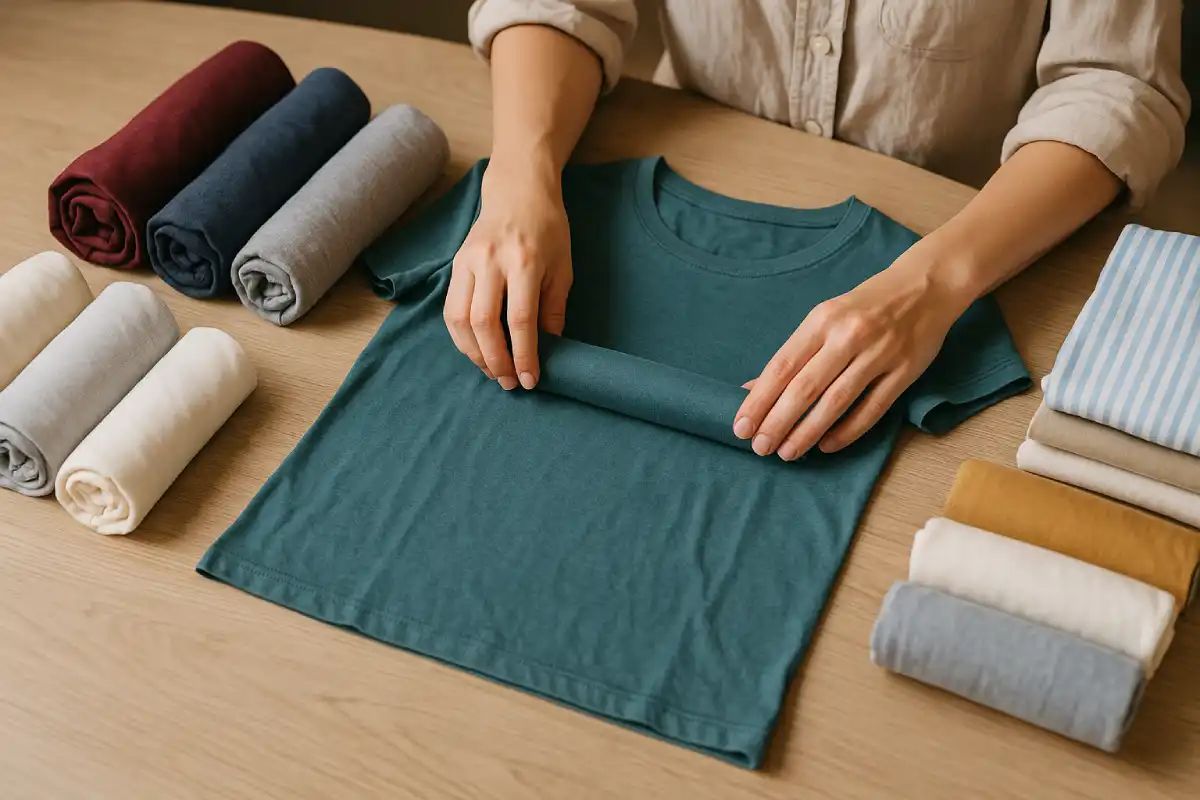
Beyond simply saving space, rolling offers a surprising and powerful advantage in the battle against wrinkles. Let’s delve into why mastering the art of rolling your clothes is a game-changer for your next adventure.
Why Rolling Beats Folding: The Core Advantages
While folding seems intuitive for clothes storage at home, for travel, it often creates harsh creases, consumes more volume, and makes finding specific items a hassle. Rolling directly tackles these common packing frustrations:
1. Unmatched Space Efficiency 🚀
When you fold clothes, you create distinct layers of fabric, often trapping air between them. This adds unnecessary bulk to your luggage. Rolling, conversely, compresses the fabric into a dense, cylindrical shape, expelling excess air and creating a more compact form.
- Folding: Imagine stacking several fluffy sweaters. They create a tall, unstable pile that takes up significant vertical space.
- Rolling: Now, visualize those same sweaters rolled tightly. They become compact, solid “logs” that can be neatly arranged side-by-side, fitting snugly into every available gap in your suitcase or backpack.
This difference is crucial for maximizing every inch, especially in carry-on bags or backpacks where space is at a premium. Rolling allows you to utilize irregular spaces and creates a more stable, less shifting pack.
Expert Traveler Insight: Sarah, Long-Term Backpacker
“For years, I stubbornly folded my clothes, convinced it was neater. Then, before a three-month backpacking trip through Southeast Asia, a friend showed me the rolling technique. It was a revelation! I fit a week’s more clothing into my 40L backpack than I ever could before. Plus, my backpack felt more stable and less lumpy on my back because everything was so tightly packed.”
2. Superior Wrinkle Prevention ✨
This is often the most surprising benefit. Traditional folding creates sharp, angular creases along the fold lines. These creases are then pressed and reinforced by the weight and movement within your luggage, leading to deep, stubborn wrinkles. Rolling distributes the fabric’s tension more evenly, preventing these hard-set lines.
- With folding, you’re essentially bending the fabric at 90-degree angles, creating distinct pressure points.
- With rolling, the fabric forms a gentle, continuous curve. This gradual curvature is far less likely to produce sharp, permanent creases.
While no packing method can guarantee a completely wrinkle-free outcome for every single fabric (delicate silks or crisp linens might still need a quick touch-up), rolling significantly minimizes wrinkles. This often means you can pull out a t-shirt or a pair of jeans and wear them immediately, saving you precious time and hassle on your trip.
Expert Traveler Insight: David, Business Traveler
“As someone who frequently travels for work, arriving with presentable clothes is a must. I switched from folding my dress shirts to rolling them a few years ago. While not perfectly pressed, they emerge from my carry-on with significantly fewer wrinkles than when I folded them. It’s often just a quick hang in the bathroom steam or a few minutes of wearing, and they look good to go. It’s saved me countless trips to hotel irons.”
3. Easier Access & Enhanced Organization 🧐
With folded clothes, finding an item often involves digging through a stacked pile, potentially dislodging and disorganizing other garments. Rolled clothes, when packed vertically or snugly side-by-side, allow you to see almost everything at a glance. This ‘filing system’ approach means you can grab what you need without disturbing the rest of your meticulously packed bag.
How to Roll Clothes Effectively: A Step-by-Step Guide
The technique is straightforward, but a little practice will perfect your roll:
- Lay Flat & Smooth: Place your garment face-down on a clean, flat surface. Ensure it’s as flat and smooth as possible, removing any major wrinkles.
- Fold in Sleeves/Sides (if applicable): For shirts, fold the sleeves inwards towards the center. For pants or wider items, fold the sides inwards to create a roughly rectangular shape that matches the desired width of your roll. The goal is to eliminate any hanging bits that would make the roll uneven.
- Start Rolling from the Bottom: Beginning at the hem (for shirts/pants) or the widest part of the garment, start rolling tightly and evenly. Maintain consistent tension throughout the roll to create a firm, compact cylinder. Avoid rolling too loosely, as this defeats the purpose of both space-saving and wrinkle prevention.
- Secure (Optional but Recommended): For bulkier items like sweaters or if you want extra security to prevent unraveling, a small rubber band can be used to secure the roll. Even better, use packing cubes – they compress your rolls further and keep them neatly organized.
Pro-Tip for Advanced Rollers (KonMari Method Inspired): For maximum compactness and stability, particularly with t-shirts or thin tops, try the KonMari fold before rolling. Fold one side in by about a third, then the other side over that. Then, fold the shirt in half lengthwise before rolling from the bottom. This creates an even more structured and small roll.
Best Items to Roll & When to Consider Folding (Still)
- Excellent for Rolling: T-shirts, jeans, shorts, casual pants, leggings, activewear, socks, underwear, pajamas, casual dresses, light sweaters.
- Good for Rolling (with care): Dress shirts (especially effective if rolled around a central core like a belt to prevent the collar from flattening), thin blouses, light jackets.
- Better to Fold (or Use Garment Bag): Very delicate fabrics (e.g., silk, chiffon), formal wear prone to wrinkling (e.g., certain linens, tailored suits/blazers), heavily starched items, or highly structured garments that might lose their shape when compressed. For these, a flat fold with tissue paper, a packing folder, or a dedicated garment bag might still be preferable.
Maximize Your Packing: Beyond Just Rolling
Rolling is a powerful tool, but its effectiveness multiplies when combined with other smart packing strategies:
- Packing Cubes: These zippered fabric containers are the ultimate companions for rolled clothes. Use them to categorize your items (e.g., tops in one cube, bottoms in another) and further compress your rolls. This makes your luggage incredibly neat and allows for easy access without disrupting your entire bag.
- Layering Strategy: Once your items are rolled, arrange them snugly side-by-side in your suitcase. Place heavier rolls (jeans, sweaters) at the bottom (near the wheels if using a trolley suitcase) and fill in any gaps with smaller, softer rolls (socks, underwear). This creates a flat, stable base.
- Wear Your Bulkiest Items: Always wear your heaviest shoes and bulkiest jacket or sweater on the plane. This frees up significant space and weight in your luggage.
- Utilize Empty Space: Stuff socks, underwear, or small accessories inside shoes. Fill hats with softer items. Every bit of unused space is wasted potential!
- Digitalize Documents: Reduce paper clutter by keeping confirmations, tickets, and maps on your phone or in a cloud storage service. Only print essentials if absolutely necessary.
Frequently Asked Questions About Rolling Clothes for Travel
Will rolling clothes really save more space than folding?
Yes, absolutely! Rolling compresses garments more effectively by expelling air and creating dense, cylindrical forms that fit snugly into every corner of your luggage. Folding creates bulkier, air-filled layers that take up more discrete blocks of space. Many experienced travelers find they can fit 20-30% more clothing into their bags by rolling.
Does rolling actually prevent wrinkles, or is it just a myth?
It’s not a myth! Rolling distributes tension evenly across the fabric, creating gentle curves rather than sharp creases. With traditional folding, the sharp bends create pressure points that lead to stubborn wrinkles. While some delicate fabrics might still crease, rolling significantly minimizes wrinkles for most clothing items like t-shirts, jeans, and casual wear.
What types of clothes are best suited for rolling?
Most everyday clothing items are excellent for rolling, including t-shirts, jeans, shorts, leggings, activewear, socks, underwear, pajamas, and light sweaters. Even casual dresses and some button-down shirts can be rolled effectively, especially if you roll them around a belt or a central core.
Are there any clothes I shouldn’t roll?
Yes. Very delicate fabrics (like silk, chiffon), heavily starched items, formal wear (e.g., suits, blazers), or structured garments that might lose their shape with compression are generally better off folded flat, placed in a garment bag, or even packed using packing folders with tissue paper to preserve their form.
Should I use packing cubes with rolled clothes?
Definitely! Packing cubes are the perfect complement to rolling. They help organize your rolled items by category, keep them compressed, and prevent them from unraveling in your bag. This combination creates an incredibly efficient and organized packing system.
Does the rolling method work for all types of luggage?
Yes, rolling is versatile! It works well for suitcases (hard-shell or soft-sided), backpacks, duffel bags, and even small overnight bags. Its ability to create compact, self-contained units makes it adaptable to various luggage shapes and sizes, helping you fill every available space efficiently.
Conclusion: Roll Your Way to Stress-Free Travel
The art of rolling clothes isn’t just a quirky packing hack; it’s a **practical, proven method** that delivers tangible benefits for any traveler: significantly more space in your bag, noticeably fewer wrinkles on your clothes, and superior organization overall. It takes only a few minutes to master, but the rewards are well worth the initial effort. So, next time you’re prepping for a trip, ditch the old folding habit and wholeheartedly embrace the roll your luggage (and your freshly unrolled outfits) will undoubtedly thank you! Happy travels! ✈️👕✨