The Art of Picnicking Abroad: Cheap, Scenic, Delicious
Picnicking is perhaps the single most underrated culinary experience for travelers. Beyond the significant cost savings a picnic for two often costs less than a single appetizer at a tourist restaurant it offers authentic cultural immersion. Preparing a picnic forces you to engage with **local markets, interact with vendors, and sample regional staples** in a way that restaurant dining simply cannot replicate. Furthermore, it elevates your meal from a routine necessity to a memorable event set against the backdrop of a world-class view.
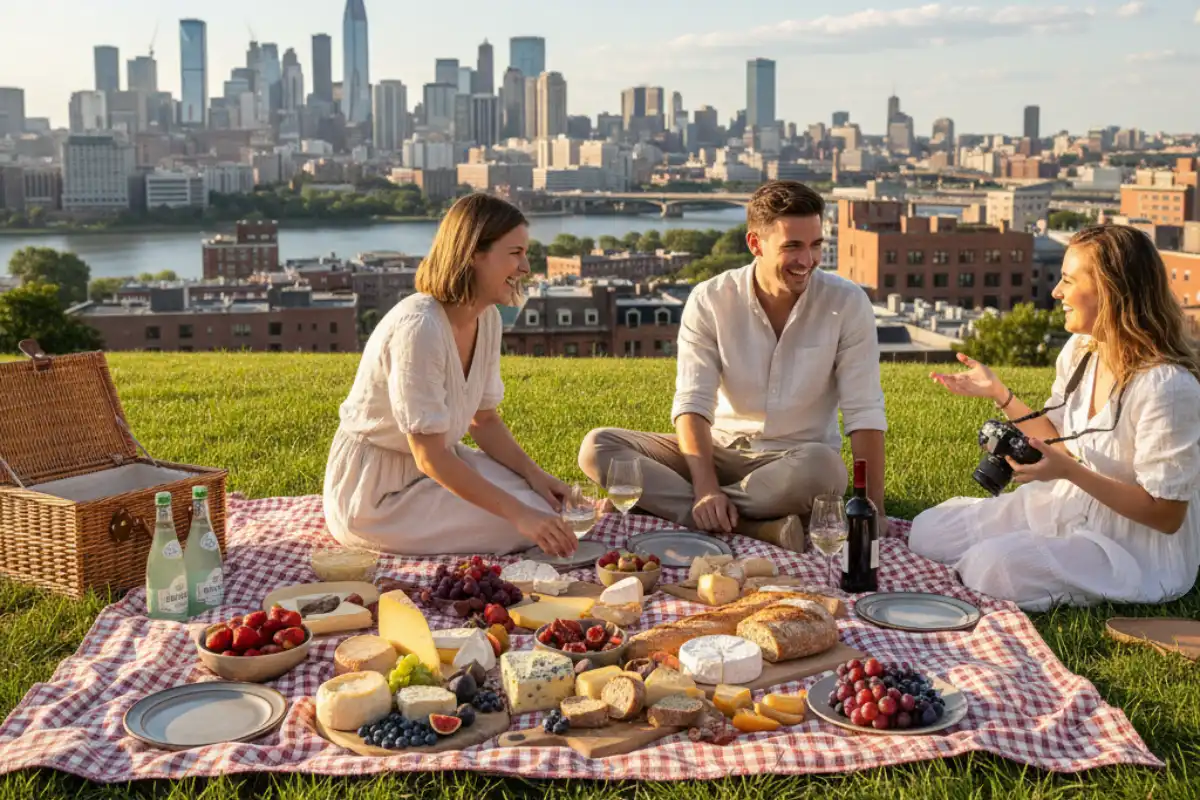
Sourcing Ingredients Like a Local 🥖🍇
The success of your picnic hinges on smart shopping at non-tourist locations.
1. Prioritize Local Markets (Mercados/Marchés)
Markets are the epicenter of local food culture and offer unbeatable value:
- **The Bread and Cheese Hack:** Immediately head to a local bakery (*boulangerie*, *panadería*) for fresh, cheap bread. Pair this with a local deli (*charcuterie*, *salumeria*) for small, manageable portions of regional cheese and cured meats.
- **Seasonal Fruit:** Purchase seasonal fruits and vegetables from dedicated produce stalls. They are always cheaper and fresher than grocery stores and make for easy, no-prep dessert.
- **Timing is Key:** Go to markets about 30 minutes before closing time. Vendors often offer significant discounts on perishable items they don’t want to carry home.
2. Leveraging Supermarket Deli Sections
For convenience and variety, the local supermarket is your friend:
- **Prepared Foods:** Look for the self-serve or prepared food section. Many European and Asian supermarkets offer cheap, high-quality prepared salads, small quiches, or ready-to-eat pasta dishes that are cheaper than buying the ingredients separately.
- **Bottled Beverages:** Skip expensive tourist kiosks and buy a large, cheap bottle of local wine, beer, or a regional specialty juice from the supermarket.
Budget Traveler’s Review: Michael T., Hostel World Forum
“My favorite trick is to combine market produce with a little something local. In Italy, I buy a $1 loaf of bread, some local tomatoes, and a cheap block of mozzarella. In Vietnam, I buy rice paper wrappers and fresh herbs. This lets me taste the unique local flavors for under $5, rather than paying $20 at a restaurant for the same ingredients.”
Gear, Location, and Etiquette 🧺📍
A successful picnic requires minimal prep but maximum awareness of your surroundings.
1. Essential, Minimalist Picnic Gear
You don’t need a heavy basket. Keep your gear light and efficient:
- **The Multi-Use Item:** Always travel with a **small, sharp multi-tool or pocket knife** (check regulations for checked luggage) for cutting bread, cheese, and fruit.
- **The Picnic Blanket:** Forget a heavy blanket. Use a large, quick-drying travel towel or a simple sarong/scarf. It works as a blanket, shade, or wrap and takes up almost no space in your daypack.
- **Containers:** Carry a lightweight, reusable food container or zipper bag (Ziploc) for transporting leftovers and a reusable water bottle.
2. Finding the Perfect Scenic Spot
Look for spots that are public, safe, and offer maximum viewing pleasure:
- **Park Alternatives:** Avoid the central, overcrowded park areas. Look for **university campuses** (often beautiful and quiet), **city walls**, **public staircases** with views, or the base of large, historic monuments.
- **The “Rooftop” Spot:** If your accommodation has a balcony or rooftop terrace, use it! It’s private, convenient, and often offers an unmatched view, making it the cheapest VIP dining experience.
Travel Journalist’s Insight: Julia K., Travel & Leisure Magazine
“Before sitting down, always observe the local etiquette. In some crowded Japanese or Korean parks, sitting on the ground to eat can be frowned upon. In French parks, sitting on grass is common, but leaving any trash is a major offense. Locals always carry a small bag to **pack out absolutely everything**, even crumbs. Be invisible when you leave.”
Frequently Asked Questions About Picnicking Abroad
Is it safe to eat cold cuts and cheese bought from a market?
Yes, generally it’s safe if consumed within a few hours. Always buy from busy vendors with high turnover, and only purchase what you plan to eat immediately. If you have any concerns about hot weather, prioritize items like bread, hard cheese, cured meats (salami), and fresh fruit, which handle heat better than soft cheeses or prepared sandwiches.
What is the best way to keep food cool without a dedicated cooler?
Use your water bottle! Freeze your reusable water bottle the night before (if possible) and place it inside your backpack next to perishable items. Wrap the items in a newspaper or a scarf for insulation. The frozen bottle acts as a temporary ice pack while keeping your water cold as it thaws.
What should I do with food scraps and waste?
Follow the **”Pack It In, Pack It Out”** rule. All wrappers, napkins, and plastic should go into a dedicated trash bag you carry. Avoid burying food scraps, as they can attract pests and take a long time to decompose. Dispose of all waste properly in the first large, secure trash receptacle you find after the picnic.
Is it acceptable to drink wine or beer in a public park abroad?
This varies wildly by country and city. In many European countries (France, Italy, Germany), discreet consumption of wine/beer in public parks is common and legal. In the US, most parks strictly prohibit public alcohol consumption. **Always check local ordinances** or observe what locals are doing before opening a bottle.
How can I easily carry everything I need without a bulky bag?
Use a single, small, foldable **reusable shopping bag** (the kind used for groceries) inside your daypack. It’s strong, takes up zero space, and can be used to carry all your market purchases and post-picnic waste, consolidating everything neatly.
Conclusion: Dine Outside, Live Inside the Culture
The travel picnic is a masterclass in efficiency, culture, and enjoyment. By swapping expensive restaurant tables for scenic park benches or cobblestone steps, you cut costs dramatically while simultaneously deepening your engagement with the local environment. Embrace the markets, pack minimal gear, and observe local customs. The simple act of eating a meal sourced from the heart of your destination is the cheapest, most authentic form of luxury travel.