Tegucigalpa’s Colonial Core: Churches, Plazas, and Local Life
Tegucigalpa, the mountainous capital of Honduras, offers a rich, if sometimes challenging, experience centered on its historic colonial core. The city is a vibrant blend of the old and new, featuring beautiful historic churches, busy plazas, and the unique energy of Honduran local life. While renowned for its low travel costs, **safety vigilance is paramount**. This 2025 guide provides the essential framework for budget travelers, advising on the safest and most affordable areas to stay (Colonia Palmira), how to eat cheap (the glorious *baleada*), the best transport options, and, most importantly, critical safety measures for exploring the historic heart during the day.
Exploring the Twin City
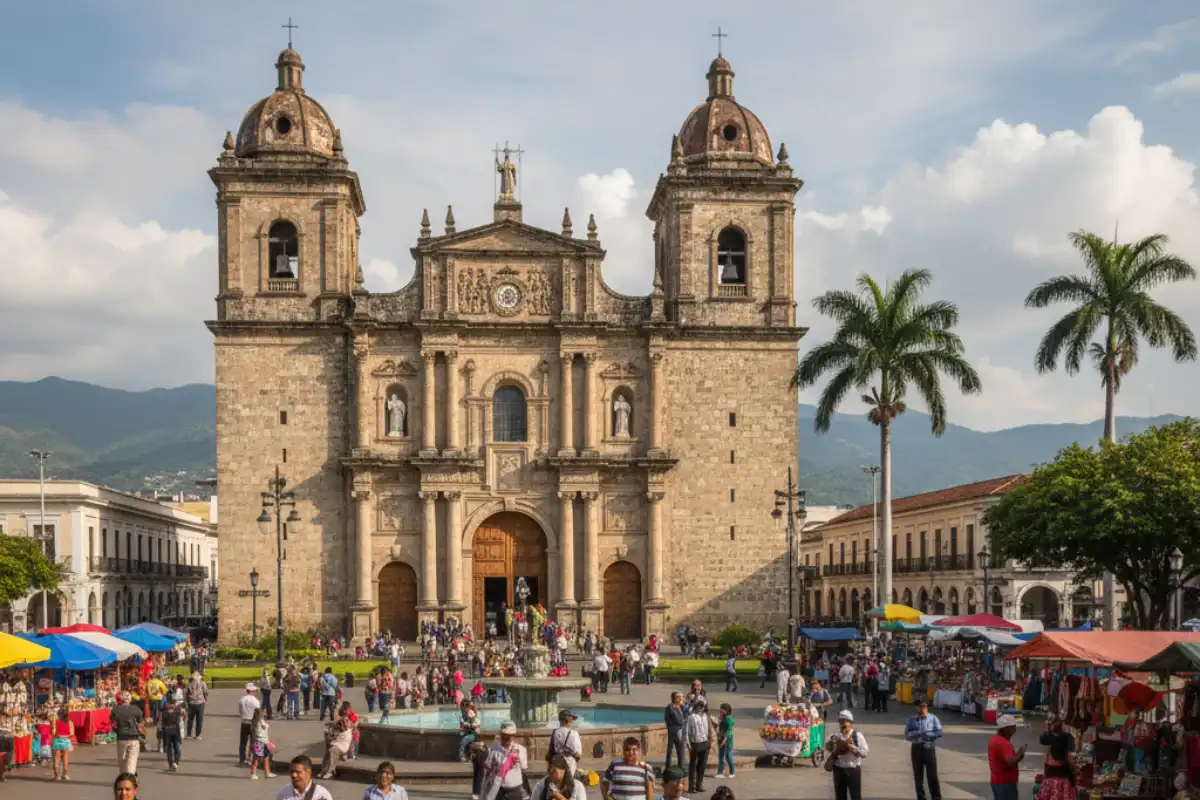
Tegucigalpa (often simply “Tegus”) and its twin city, Comayagüela, sit divided by the Choluteca River. While Comayagüela is primarily commercial and generally unsafe for tourists, the historic core of Tegucigalpa contains beautiful colonial architecture, including the **Metropolitan Cathedral** and the Presidential House. Honduras is one of the most budget-friendly destinations in Central America, meaning your main cost concerns will be safety, not dollars.
Tegucigalpa’s Essential Sights for Daylight Hours
Iconic Sights:
- Central Plaza (Plaza Morazán): The heart of the city, surrounded by the Metropolitan Cathedral, the National Congress, and historic buildings. **Only visit between 9:00 AM and 4:00 PM.**
- Basílica de Suyapa: Visit the enormous basilica dedicated to the patron saint of Honduras (requires a taxi ride out of the center).
- Museo para la Identidad Nacional (MIN): A highly-regarded museum located in a beautifully restored building, offering a look at Honduran culture and history.
- Valle de Ángeles Day Trip: Escape the city smog with a short, cheap bus trip to the charming colonial artisan town of **Valle de Ángeles** a much safer and more relaxing destination.
Budget-Friendly Tip: Entrance to the Metropolitan Cathedral is free. Walking the historic core is free, but always use a minimal amount of cash and keep your phone secured.
1. The Cost of a Bed: Budget-Friendly Accommodation
Honduras offers extremely low budget accommodation prices. However, due to safety concerns, most tourist-friendly hostels and B&Bs are situated in the affluent, secure neighborhoods, which raises the price slightly.
Hostel & Budget Accommodation Prices by Area (Average per night for a dorm bed, November 2025)
| Area (Colonia/Zone) | Description | Average Price (USD/night) | Pros for Budget Travelers |
|---|---|---|---|
| Colonia Palmira / Lomas del Mayab | Safest, modern, diplomatic zone; highest quality hostels. | $15 – $25 | Highest security, easiest access to nightlife/restaurants. |
| Centro (Historic Core) | Cheapest area, closest to historic sights. | $10 – $18 | Lowest prices, but extremely high-risk, especially at night. Not recommended for lodging. |
| Near Bus Terminal (Transit Only) | Functional area for transit; limited options. | $12 – $20 | Convenient for early morning departures, but requires constant vigilance. |
Note: Prices are estimated for a standard dorm bed. The official currency is the Honduran Lempira (HNL).
Tips for Saving on Accommodation:
- **Splurge on Safety:** The small extra cost for a hostel in **Colonia Palmira** or **Lomas del Mayab** is an essential investment in safety. Factor in the cost of Ubers needed to get into the city center daily.
- **Guesthouses over Hostels:** Due to limited hostel supply, look for budget guesthouses (*hospedajes*) in the safer zones for comparable prices.
2. Eating on a Dime: Honduras’s Budget Food Scene
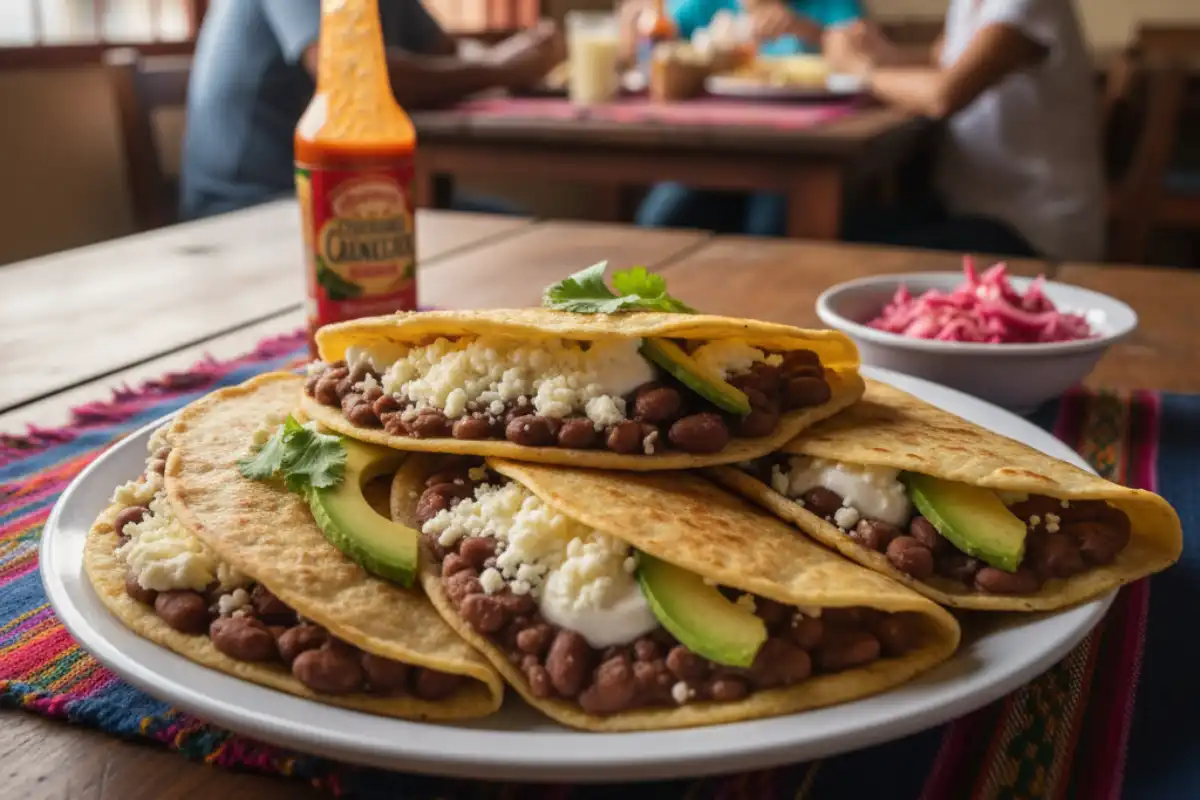
Honduran food is incredibly cheap, hearty, and relies heavily on beans, rice, and the national favorite: the *baleada*.
Estimated Budget Food Costs (November 2025):
- Baleada (Simple): 15 – 30 HNL ($0.60 – $1.20 USD) per piece. A filling wheat flour tortilla folded with beans and cheese; the ultimate cheap meal.
- Comida Corriente (Set Lunch): 60 – 100 HNL ($2.40 – $4.00 USD). A large plate of rice, beans, plantains, and meat from a *comedor* (local eatery).
- Street Snacks (*Tajadas* / Empanadas): 20 – 40 HNL ($0.80 – $1.60 USD).
- Daily Budget for Food: 350 – 500 HNL ($14 – $20 USD) is a generous budget, ensuring three substantial meals entirely through local eateries and street food.
Budget Eating Tips:
- **Embrace the Baleada:** You can easily live on *baleadas* for breakfast and dinner. They are delicious, filling, and found everywhere.
- **Find the Comedores:** Stick to *comedores* offering *Comida Corriente* during lunch hours for the best value and authenticity.
3. Getting Around: The Cost of Public Transit
Public transport is extremely cheap, but safety is a major concern. Tourists should **avoid the “rapiditos” (local buses)** and rely on secure alternatives.
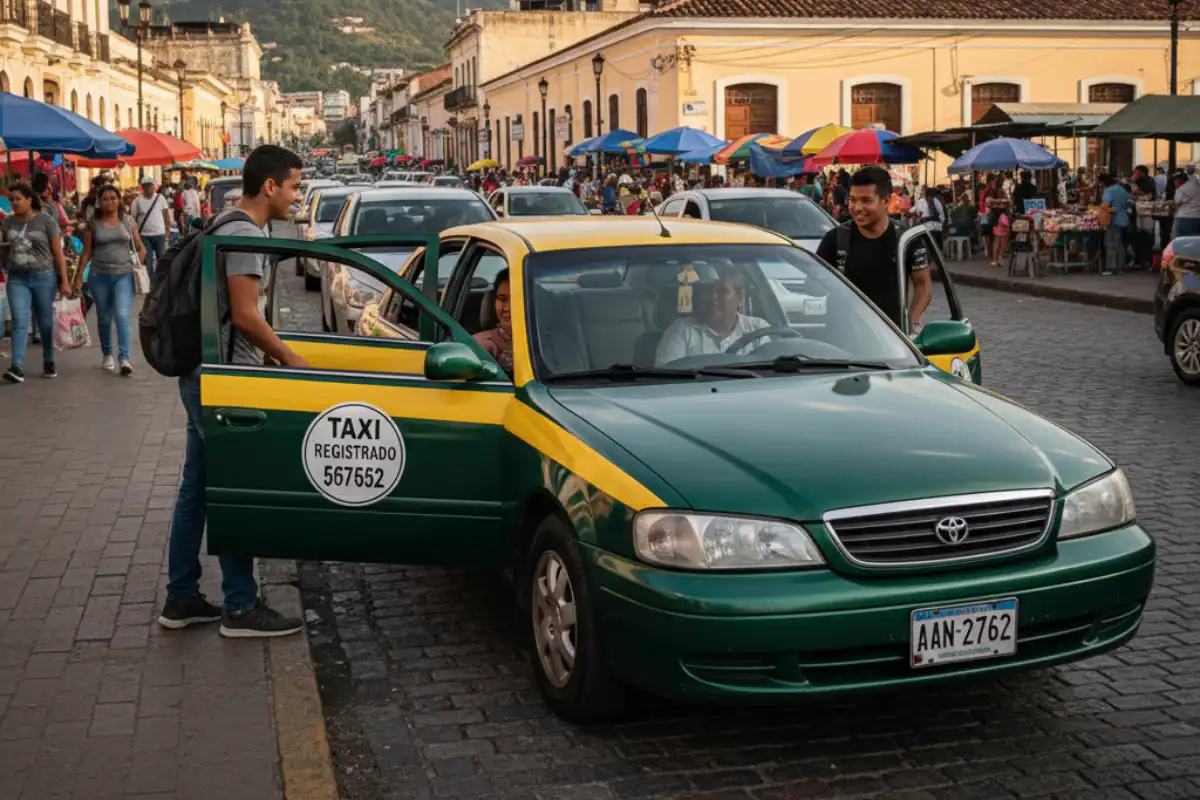
Fares (As of November 2025):
- Local Bus (*Rapidito*): Approximately **13 – 18 HNL** ($0.53 – $0.73 USD). **AVOID** due to high risk of robbery/pickpocketing.
- Taxis/Ride-Sharing: Essential for safety. **Uber (or local alternatives like InDriver)** are strongly recommended. A ride between Palmira and the Historic Center is typically 80 – 150 HNL ($3.25 – $6.10 USD). **Always negotiate the fare upfront with standard taxis.**
Tips for Transportation:
- **Use Ride-Sharing Apps:** These apps offer tracking and fixed prices, providing the highest safety level for tourists. This is the single most important travel expenditure in Tegucigalpa.
- **Daylight Travel Only:** Limit all movement, especially between zones, to daylight hours (9 AM to 5 PM).
4. Staying Safe: Dangers, Scams, and High-Risk Zones
Tegucigalpa requires extreme situational awareness. While you can safely enjoy the colonial core during the day, the risk drops dramatically outside of daylight hours and the affluent areas.
Common Tourist Dangers:
- **Mugging and Armed Robbery:** High risk in the Historic Center and Comayagüela. **Do not carry valuables, jewelry, or expensive cameras.** If mugged, surrender items immediately.
- **Express Kidnapping (Taxi Scam):** Unlicensed street taxis can be used by criminals. **NEVER hail a taxi on the street.** Use only app-based services (Uber/InDriver) or radio-dispatched taxis ordered by your hotel.
- **Phone Snatching:** Keep your phone secured in an internal pocket, especially in the Historic Center and when using transport apps.
Areas to Be Cautious Of (and Zones to AVOID):
- **Comayagüela:** The twin city across the river. **AVOID entirely**, especially the main market and bus terminal areas.
- **Historic Center (Centro) after 5 PM:** The streets become deserted and are extremely risky for pedestrians. Leave the area by late afternoon.
- **Local Buses (*Rapiditos*):** Should be avoided completely by tourists due to the high risk of robbery.
5. Ensuring a Positive & Unforgettable Tegucigalpa Trip
Focus on the cultural highlights during safe hours and embrace the incredible natural beauty and low costs that Honduras offers.
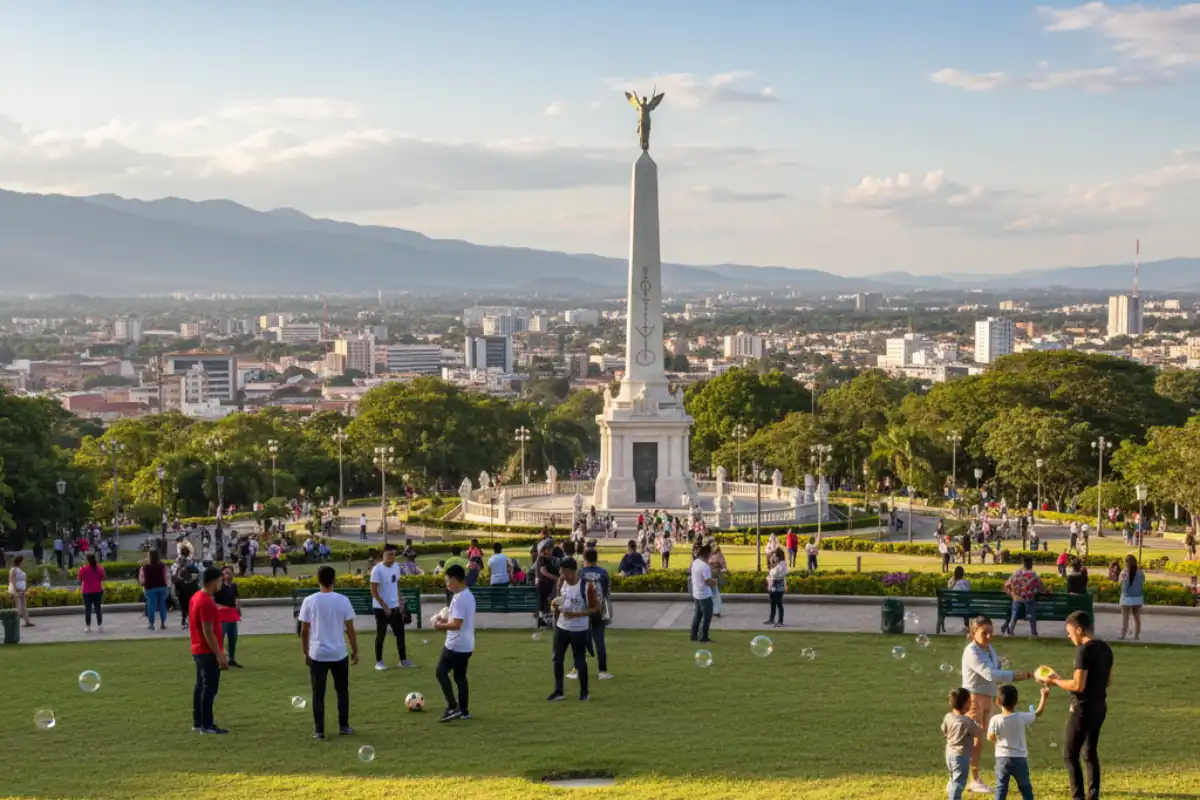
- **Go Day-Time Only for Centro:** Treat the colonial core like a daytime attraction. Plan your visit for the busiest hours (10 AM – 3 PM) and use Uber/Taxi directly to and from your destination.
- **Valle de Ángeles Escape:** Use a day trip to the nearby mountain town of Valle de Ángeles for a safer, more relaxing cultural experience and better shopping.
- **Carry Only Minimal Cash:** When exploring the Historic Center, carry only the cash needed for that excursion (small Lempira notes) and leave cards/ID secured at your hostel.
- **The Lempira (HNL):** The local currency is the Lempira. US Dollars are sometimes accepted but often at a poor exchange rate; use ATMs or official exchange houses for the best rates.
6. Tegucigalpa Travel FAQs (November 2025)
What is the safest neighborhood to stay in Tegucigalpa?
**Colonia Palmira** or **Lomas del Mayab** are the safest areas for tourists, offering better security, infrastructure, and a higher concentration of quality hostels/hotels.
Is the tap water safe to drink?
No, the tap water is **not safe** to drink. Use only bottled water, even for brushing your teeth, and be cautious of ice and unpeeled fruits.
What is the absolute cheapest food item?
The **baleada** (a folded wheat flour tortilla with beans and cheese) is the cheapest and most quintessential Honduran street food, costing around 15–30 HNL.
Is it safe to visit the Historic Center?
Yes, but **only during peak daylight hours** (roughly 10 AM to 3 PM) and always by secure taxi/Uber. Do not walk in the area at night or carry valuables.
Is Uber available in Tegucigalpa?
Yes, app-based services like **Uber and InDriver** are available and are the **safest method of transportation** for tourists.
Plan Your Safe and Affordable Trip to Tegucigalpa!
Tegucigalpa rewards the cautious traveler with unique history and incredibly low costs. Prioritize safety, embrace the local culture, and enjoy your time in the Honduran capital.
Plan Your Honduras Backpacking Route