Sustainable winter packing tips
Sustainable travel often focuses on transport and accommodation, but what you pack has a direct and lasting impact on the environment. **Winter packing** poses unique challenges because cold-weather gear is inherently bulky, leading to higher luggage weight, increased fuel consumption, and the temptation to buy cheap, disposable clothing. An eco-conscious approach to winter packing emphasizes **quality, multi-functionality, ethical materials, and a commitment to minimal waste**.
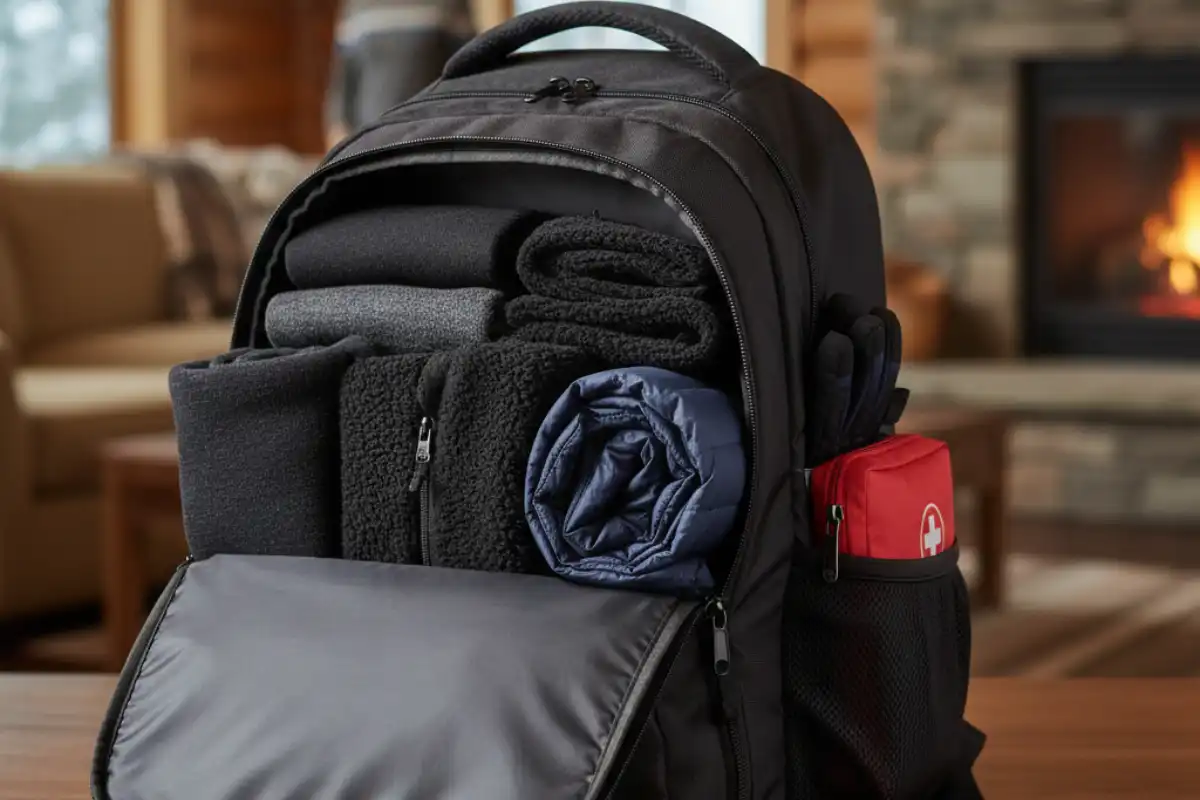
The Sustainable Layering Strategy
The **layering system** is crucial for warmth and is the cornerstone of sustainable winter packing. Instead of one bulky, specialized coat, you pack several thin, interchangeable pieces.
1. Ethical Base and Mid-Layers
- **Merino Wool:** An excellent natural, biodegradable, and renewable material. Merino wool is highly prized for its temperature regulation and, most importantly for travelers, its **natural antimicrobial properties**. This means you can wear shirts and socks multiple times before they need washing, drastically reducing laundry and water use.
- **Recycled Synthetics:** For high-intensity activities where quick-drying is essential, choose mid-layers made from **recycled polyester** or nylon. This diverts plastic waste (like bottles) from landfills.
- **Traveler Tip:** “The best switch I made was to merino wool socks. I used to pack seven pairs; now I pack three. I wash one in the sink every third day, and they never smell. It cut down my sock space by more than half.” (Source: Minimalist Travel Blog)
2. Durability Over Fashion (The Outer Shell)
Invest in one high-quality, durable, and repairable outer shell. A jacket designed to last a decade, often made by brands with strong environmental commitments, is always more sustainable than buying a new fast-fashion jacket every season.
Minimalism and Multi-functional Gear 🎒
Reducing luggage weight is arguably the biggest sustainability win, as lighter planes and vehicles consume less fuel.
1. Embrace the Multi-Use Item
- **Buff/Neck Gaiter:** Use a single wool or recycled fleece neck gaiter as a scarf, hat, ear warmer, and face covering.
- **The Black/Grey Rule:** Choose clothes in a single, neutral color palette (black, grey, navy). This ensures every item can be paired with every other item, maximizing outfit permutations while minimizing the number of clothes packed.
- **The Shoe Dilemma:** Limit footwear to two pairs: one waterproof, insulated boot for outdoor activity, and one pair of smart, flat, neutral-colored sneakers/boots suitable for indoor dining.
2. Say No to Mini-Plastics
Avoid single-use toiletries. Bring your own **reusable, TSA-approved containers** and fill them from large bottles at home. Better yet, switch to solid toiletries:
- **Solid Products:** Bar shampoo, bar conditioner, and solid moisturizers eliminate plastic packaging and prevent messy leaks.
Eco-Blogger’s Tip: Borrowing Heavy Gear
“If you only ski once a year, don’t buy a brand-new high-performance jacket and trousers. The most sustainable option is to **rent or borrow** high-bulk gear like ski pants, heavy boots, or specialized mountaineering equipment either locally or at your destination. This keeps your suitcase light and reduces consumption of items you rarely use.” (Source: Ethical Consumer Magazine)
Waste Reduction on the Go
- **Reusable Hot Drink Cup:** Cold weather means hot drinks. Pack your own reusable coffee cup to refuse disposable cups, lids, and stirrers.
- **Cutlery Kit:** Carry a small reusable cutlery set (bamboo or steel) and cloth napkin to avoid plastic utensils when grabbing snacks or takeout.
Frequently Asked Questions About Sustainable Winter Packing
Is down filling (in jackets) sustainable?
It depends. Down is natural and highly efficient, but ethical sourcing is key. Look for jackets certified by the **Responsible Down Standard (RDS)**, which ensures the down comes from ducks and geese that have not been subjected to unnecessary harm, such as force-feeding or live-plucking.
How can I safely pack rechargeable batteries for cold weather without damaging them?
Always pack spare batteries (for phones, cameras) in your **carry-on baggage** (never checked luggage) and keep them warm, ideally in an inner pocket close to your body heat. Cold temperatures drastically drain battery life, but keeping them insulated helps maintain charge until needed.
Are chemical hand warmers considered sustainable?
No, standard single-use chemical warmers are not sustainable as they are non-recyclable. A better eco-alternative is a **rechargeable electronic hand warmer**. While they require charging, they are reusable hundreds of times, eliminating waste.
How many socks should I pack for a week-long sustainable trip?
If you choose high-quality **merino wool socks**, you can comfortably pack three pairs for a week. Plan to wear each pair for two days and hand-wash the third pair in the sink to dry (wool dries faster than cotton).
What is the most sustainable luggage to use for winter travel?
The most sustainable luggage is the bag you already own! If you need a new bag, look for models made from **recycled nylon or polyester** (check for GRS certification) and choose a versatile backpack over multiple rolling bags to encourage lighter packing and easier maneuverability.
Conclusion: Traveling Light, Treading Lightly ✨
Sustainable winter packing is a commitment to quality over quantity. By adopting a smart layering system based on natural or recycled fibers, choosing durable gear, and actively minimizing single-use plastics, you tackle the bulk and waste challenges inherent in cold-weather travel. This mindful approach ensures your winter journey is not only comfortable and stylish but also truly responsible.