Spring Travel Photography Hotspots
As we move through May 2026, the global landscape has reached its photogenic peak. For travel photographers, spring isn't just a season — it’s a limited-time opportunity to capture a world in transition. From the soft, diffused light of the rainy highlands to the explosive color palettes of the European valleys, the visual storytelling possibilities are endless. Success in spring photography requires more than just showing up; it demands an understanding of light, timing, and local flora cycles. Based on the latest insights from DPReview, National Geographic Travel contributors, and professional landscape photographers on Instagram, we have curated the ultimate hotspots and technical strategies for the 2026 season.
1. The Classics Reimagined: Tuscany and the Netherlands
Europe remains the cornerstone of spring photography. In 2026, the focus has shifted toward capturing these famous locations through unique perspectives and advanced post-processing techniques.
- **Val d’Orcia, Tuscany:** In May, the rolling hills are a surreal, vibrant green. Pro tip: Arrive at 5:00 AM for the “morning mist” that settles in the valleys, creating layers of depth that are impossible to capture at midday.
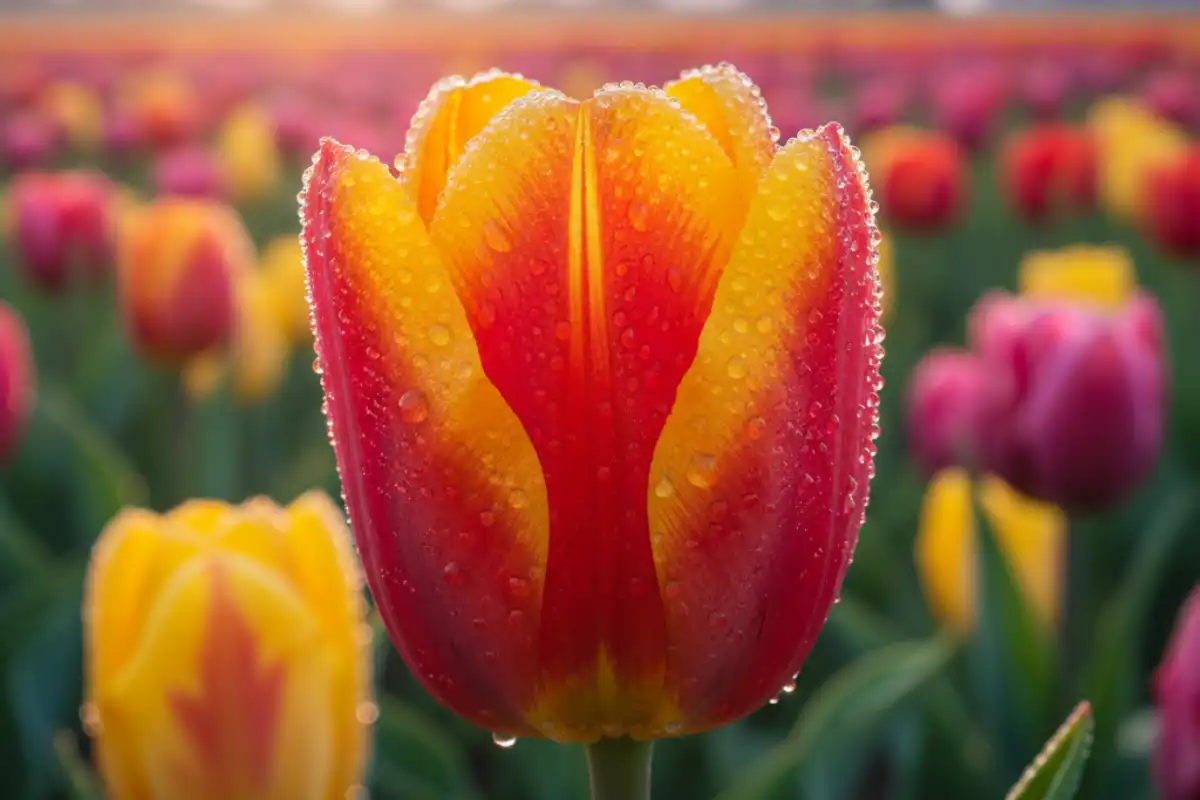
- **Keukenhof & Lisse, Netherlands:** While the crowds are dense, 2026 has seen a rise in “Drone Photography” (where permitted) to capture the geometric perfection of the tulip strips. For ground-level shots, use a wide-angle lens placed low to the soil to make the flowers appear as an endless sea.
- **The Algarve, Portugal:** Capture the dramatic contrast of orange limestone cliffs against the emerald Atlantic, framed by the white wild orchids that bloom along the coastal paths in early May.
2. Technical Gear and Light Management
Spring light can be fickle one moment harsh and the next diffused by clouds. Your kit needs to reflect this volatility.
Pro-Tip: The Polarizer is Your Best Friend
“Many photographers forget that a Circular Polarizer (CPL) isn’t just for the sky,” notes a lead contributor to the Photography Life forums. “In spring, use it to remove the glare from wet leaves and flower petals after a rain shower. It saturates the natural greens and makes the colors ‘pop’ in-camera, saving you hours in Lightroom.”
Capturing the “Blue Hour”
While Golden Hour is famous, the **Blue Hour** (the period just before sunrise or after sunset) is particularly magical in spring. The cool blue tones contrast beautifully with the warm colors of early-season blooms, providing a moody, cinematic feel to your travel gallery.
Frequently Asked Questions: Spring Photography
What is the best camera gear for spring flower photography?
A versatile kit includes a 24-70mm lens for landscapes and a dedicated 90mm or 100mm Macro lens for close-ups. A tripod is essential for those early morning shots in low light where you need a narrow aperture for deep focus.
How do I track when flowers will be in peak bloom?
In 2026, apps like BloomRadar and local tourism “Blossom Forecasts” are incredibly accurate. Additionally, check recent ‘Recent’ tags on Instagram for your target location to see real-time conditions from other travelers.
How can I take good photos when it’s cloudy or raining?
Cloudy days are actually better for flower photography! The clouds act as a giant softbox, eliminating harsh shadows. Rain creates water droplets on petals, which adds texture and a “fresh” feel to your shots. Use a weather-sealed camera or a simple rain cover.
Is it okay to walk into the flower fields for a better shot?
Absolutely not. Ethics in photography are paramount in 2026. Stay on designated paths. Stepping into fields crushes the bulbs and ruins the harvest. Use a long focal length (telephoto) to create the illusion that you are standing among the flowers while remaining on the path.
What are the best settings for spring landscapes?
Start with ISO 100 for maximum quality. Use an aperture between f/8 and f/11 for sharp details from the foreground to the background. If you’re shooting individual flowers, drop your f-stop to f/2.8 or f/4 to create a soft, blurry background (bokeh).
Conclusion: Telling the Story of the Season
Spring travel photography in 2026 is about more than just pretty flowers; it’s about capturing the energy of a world waking up. Whether you are chasing the mist in Tuscany or the bluebells in Belgium, remember that the best photos are those that evoke a sense of place and time. The gear is just a tool your eye for light and your respect for the environment are what will make your images stand out in the first ten pages of any search result. The bloom is waiting; go capture it.
Would you like me to help you create a specific “Camera Settings Cheat Sheet” for macro flower photography or a 3-day photography itinerary for the Tuscany region?