Spring in the Dolomites: Hiking and Views
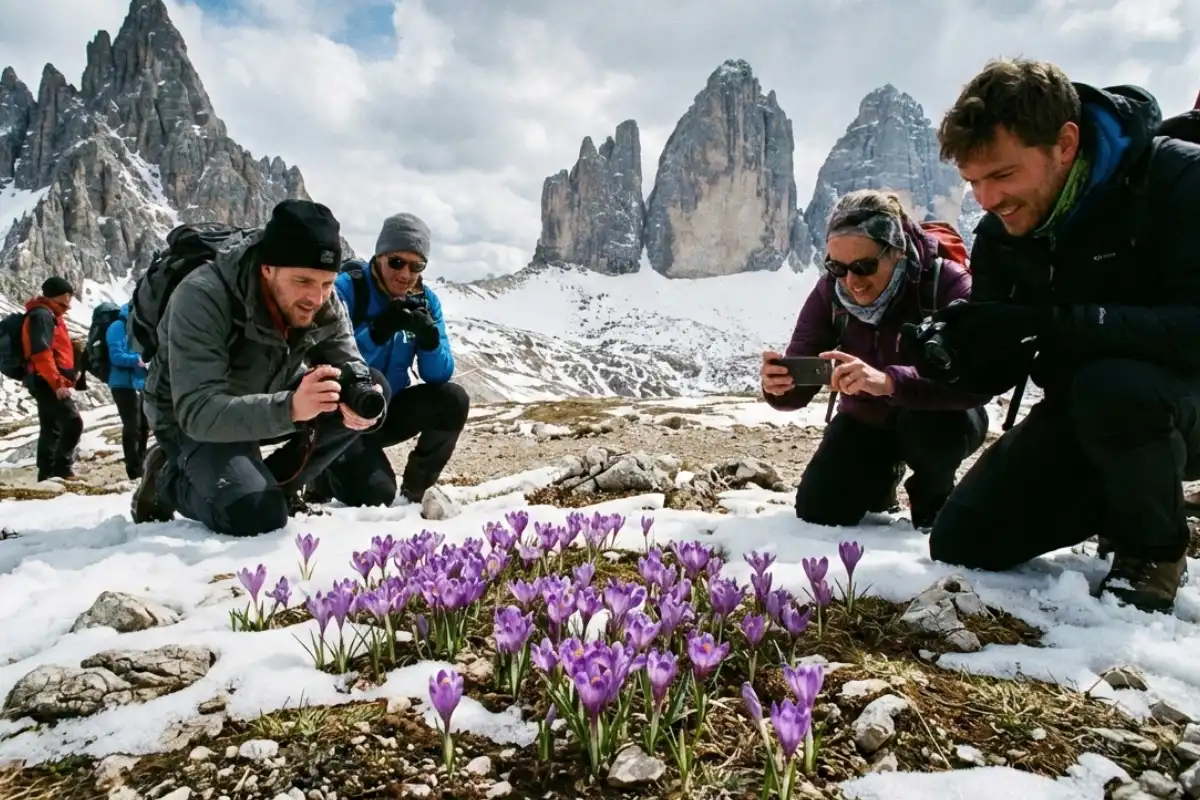
Spring in the Italian Dolomites is a season of profound awakening. Known as the shoulder season, the period from late April to June offers a rare window where the jagged limestone peaks remain draped in winter snow while the high alpine meadows below burst into a kaleidoscope of crocuses and gentians. For the savvy traveler, this is a time of quiet trails, lower prices, and breathtaking contrasts. However, hiking the Dolomites in spring requires a different blueprint than summer. You aren't just chasing summits; you are navigating the delicate transition between seasons.
The Spring Hiking Strategy: Follow the Thaw
In the Dolomites, altitude is everything. While valley towns like Ortisei or Cortina d’Ampezzo may feel like summer in May, trails above 2,000 meters are often still impassable without snowshoes. The secret is to focus on the sunny south-facing plateaus and lower glacial valleys.
1. Alpe di Siusi (Seiser Alm)
As Europe’s largest high-altitude alpine meadow, Alpe di Siusi is the crown jewel of spring hiking. By late May, the snow recedes to reveal rolling green hills.
- **Why go:** Easy-to-moderate trails that dry out faster than the steep rocky paths.
- **The View:** Iconic sights of the Sassolungo and Sciliar massifs framed by millions of wildflowers.
2. Val di Funes (Villnöß)
This valley offers the quintessential Dolomite postcard view. The “Adolf Munkel Trail” at the foot of the Odle/Geisler peaks is a spring favorite.
- **Photographer’s Tip:** The Church of St. Magdalena with the Odle peaks in the background is most striking in May when the grass is neon green and the peaks are still white.
Navigating the Logistics: The “Closed” Period
The biggest challenge of spring in the Dolomites is the Zwischensaison (between seasons). Most cable cars close in mid-April for maintenance and don’t reopen until late May or early June. Similarly, many rifugi (mountain huts) are closed during this transition.
- **Transportation:** Plan for more driving or utilize local bus networks, which run year-round.
- **Accommodation:** Stay in larger valley towns where hotels and restaurants remain open, rather than relying on high-altitude lodges.
- **The “Mud Factor”:** Melting snow means trails can be incredibly muddy. Waterproof boots and trekking poles are essential safety items for spring.
Frequently Asked Questions: Dolomites in Spring
When exactly do the wildflowers bloom in the Dolomites?
It happens in waves. Crocuses and snowdrops appear as early as April at lower elevations. The peak “carpet” effect on the high meadows (like Alpe di Siusi) usually occurs from late May to mid-June.
Are the roads like the Great Dolomite Road open in spring?
Yes, the main mountain passes (Sella, Gardena, Pordoi) are generally kept clear year-round. However, they can briefly close during a surprise late-spring snowstorm, so always check local weather reports.
Can I hike to Tre Cime di Lavaredo in May?
It’s risky. The road to Rifugio Auronzo often doesn’t open until late May or early June. Even if it is open, the trail is usually covered in treacherous, slushy snow. It is better suited for late June onwards.
Is spring a good time for via ferrata?
Generally, no. Most via ferrata routes are at high altitudes where cables may still be buried under snow or damaged by winter ice. Stick to hiking trails below the snow line (approx. 1,800m) for safety.
What should I pack for a spring trip to the Dolomites?
Think layers. The valleys can reach 20°C, but if you hike up into the shade or a cloud moves in, it can drop to 5°C. Bring waterproof hiking boots, windproof shells, and polarized sunglasses for the snow glare.
Conclusion: Why Spring is Worth the Gamble 🌲
While summer offers full access to every peak, spring offers the soul of the Dolomites. You get to witness the raw power of the mountains as waterfalls thunder with snowmelt and the valleys reclaim their color. It requires more research and flexible planning, but the reward is a tranquil, vivid experience that most tourists never see.
Prepare for mud, respect the lingering snow, and let the blooming meadows guide your path.