Solo Travel Safety
Discover how to travel solo with confidence using smart safety strategies and practical tips. This guide covers everything from planning and choosing safe accommodations to staying aware on the road, protecting your belongings, and handling unexpected situations helping you enjoy freedom, independence, and peace of mind on every journey.
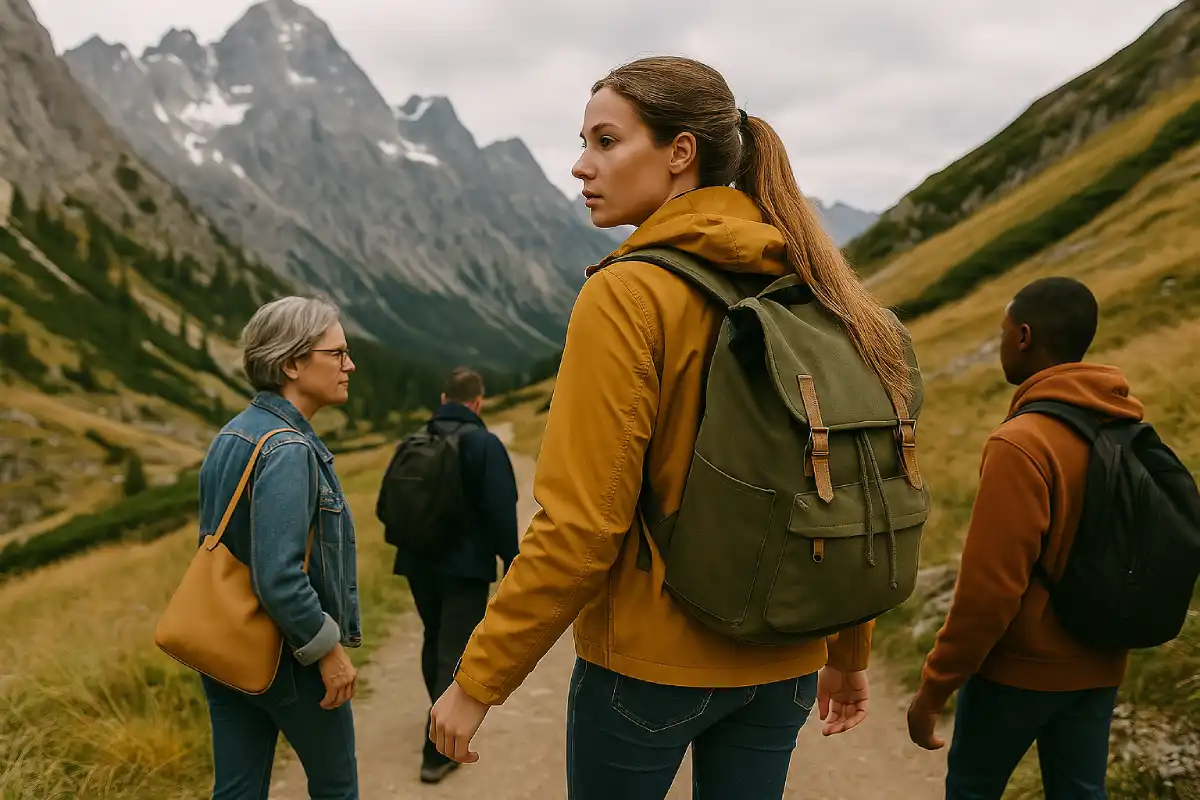
The allure of solo travel is undeniable: complete freedom to craft your own itinerary, immerse yourself in new cultures, and grow through introspection. It’s an empowering experience, but it also comes with unique safety considerations, especially for lone travelers. The good news is that with smart planning and a vigilant mindset, the vast majority of solo journeys are incredibly safe and rewarding.
This comprehensive guide is designed to equip you with the specific knowledge and practical tips needed to embark on your solo adventures with confidence and security. From choosing your destination to handling unexpected situations, we’ll cover the essentials for staying safe, trusting your instincts, and maximizing the joy of traveling alone. (Updated for 2025).
The Solo Traveler’s Mindset: Empowerment Through Awareness
Safety starts before you even book your flight. Cultivate these mental habits:
1. Trust Your Gut Instincts 🧠
This is your most powerful safety tool. If a person or situation feels “off” even if you can’t logically explain why remove yourself. Don’t worry about being polite or hurting feelings; your safety comes first.
2. Project Confidence, Not Vulnerability 😎
Walk with purpose, head up, and avoid looking lost or overly absorbed in your phone. Predators often target those who appear disoriented or unassertive. Even if you’re internally a little nervous, project an aura of confidence.
3. Research Thoroughly 📚
Knowledge is power. Before you go, research:
- Destination Safety: Current political climate, common scams, safe/unsafe neighborhoods, local laws and customs.
- Accommodation Reviews: Focus on reviews mentioning safety, especially for solo travelers (e.g., secure doors, good lighting, helpful staff).
- Local Transport: Safe options for getting around, especially at night.
Experienced Traveler Insight: Chloe, Solo Female Traveler (South America & Asia)
“My cardinal rule is ‘if it feels weird, it is weird.’ I’ve walked away from taxis, left restaurants, and changed hostels purely because of a bad feeling. Most times, it was probably nothing, but that one time it might have been something serious is why I never ignore that gut reaction. It’s your subconscious telling you something is wrong.”
Pre-Trip Planning for Solo Security
Smart preparation minimizes risks once you’re on the ground:
1. Share Your Itinerary 📧
- Leave a detailed itinerary with a trusted family member or friend. Include flight numbers, accommodation names/addresses, and expected dates in each location.
- Check in regularly (daily or every few days) to let them know you’re safe.
- Consider using a travel safety app that allows loved ones to track your location.
2. Digital & Physical Copies of Documents 📂
- Have photocopies and digital copies (stored securely in cloud storage and/or emailed to yourself) of your passport, visa, flight tickets, and accommodation bookings.
- Leave a set of copies with your emergency contact.
3. Financial Safeguards 💰
- Notify Banks: Inform your bank and credit card companies of your travel dates to avoid card freezes.
- Diversify Funds: Carry multiple credit/debit cards from different banks, keeping them in separate, secure locations. Always have some local cash.
- No Foreign Transaction Fees: Opt for cards with no foreign transaction fees.
- Emergency Numbers: Have international emergency numbers for your banks and credit card companies written down and saved on your phone.
4. Communication Plan 📱
- Local SIM Card/eSIM: Purchase a local SIM or eSIM upon arrival for reliable data and calls. This is crucial for navigation, ride-sharing, and emergencies.
- Power Bank: Always carry a fully charged power bank to ensure your phone doesn’t die.
On the Ground: Staying Safe and Aware
1. Secure Accommodation Choices 🏨
- Read Reviews: Prioritize reviews mentioning security, especially from other solo travelers. Look for 24/7 reception, good locks, and well-lit common areas.
- Private Rooms: Consider private rooms in hostels or guesthouses for added privacy and security.
- Door Security: Carry a portable door lock or door stop for extra peace of mind, especially in older accommodations.
- Don’t Announce You’re Alone: When checking in, avoid verbally confirming you’re solo if other guests are present.
2. Smart Transportation 🚕
- Official Taxis/Ride-Shares: Use official airport taxis or reputable ride-sharing apps (Uber, Grab, Bolt) that track your journey. Confirm the driver and vehicle match the app.
- Public Transport Savvy: Research routes, avoid looking lost, and be extra vigilant with your belongings in crowded areas (backpack worn on front). Avoid public transport late at night if alternatives are available.
- Avoid Unlicensed Transport: Never accept rides from unofficial taxis or strangers.
3. Blending In & Minimizing Targets 👕
- Dress Appropriately: Observe local dress codes and try to blend in. Avoid flashy jewelry or clothing that screams ‘tourist.’
- Be Discreet with Valuables: Don’t display expensive phones, cameras, or large wads of cash.
- Avoid Drunkenness: Being intoxicated impairs judgment and makes you an easy target. Drink responsibly, watch your drink, and never accept drinks from strangers.
Experienced Traveler Insight: David, Male Solo Traveler (Europe & SE Asia)
“I learned early on that looking confident, even if I’m not, makes a huge difference. If I’m lost, I don’t stand in the middle of a street staring at a map. I duck into a cafe or a shop, look at my phone, and then walk out with purpose. And I always, always use official taxis or Grab/Uber. Never take a random offer for a ride.”
4. Communication & Socializing Safely 🤝
- Meet Others Safely: Hostels with social common areas, walking tours, and cooking classes are great ways to meet people in a relatively safe environment.
- Group Activities: For potentially risky activities (e.g., certain hikes, nightlife), join organized tours or go with newfound friends you’ve vetted.
- No Location Disclosure: Avoid telling strangers where you’re staying or your full itinerary.
- Inform Others: If you’re going out with new friends, subtly let your trusted contact know your plans.
5. Emergency Preparedness 🆘
- Local Emergency Numbers: Know the local police, ambulance, and fire numbers.
- Embassy/Consulate Info: Have your country’s embassy or consulate contact details handy.
- Offline Maps: Download offline maps to avoid looking lost and for navigation in areas with no signal.
- Personal Safety Alarm: A small, loud personal safety alarm can deter attackers.
Frequently Asked Questions About Solo Travel Safety
Is solo travel safe for women?
Yes, solo travel can be very safe for women, and millions do it confidently every year. The key is to be more prepared, more aware of your surroundings, and to trust your instincts. Research destinations specifically for solo female traveler safety, choose accommodations wisely, and avoid risky situations (like walking alone at night in unlit areas or excessive drinking with strangers).
What are the safest destinations for first-time solo travelers?
Generally, countries with low crime rates, good tourism infrastructure, and welcoming cultures are good choices. Examples often include Iceland, New Zealand, Switzerland, Costa Rica, Ireland, Finland, and many countries in Southeast Asia (like Singapore or Thailand) known for their well-trodden tourist trails. Research specific regions within these countries.
Should I tell people I meet that I’m traveling alone?
Use your judgment. While it’s great to connect with locals and other travelers, you don’t need to volunteer that you’re completely alone or where you’re staying to everyone. If you feel uneasy, you can imply you’re meeting someone, or that friends are back at the accommodation without lying outright. Discretion is often the best policy.
What if I get lost or feel unsafe while solo traveling?
If lost, duck into a public place like a cafe, shop, or hotel to reorient yourself using your phone or a map. Avoid looking flustered on the street. If you feel unsafe, immediately head towards a well-lit, populated area, a police station, or a secure establishment like a hotel lobby. Don’t hesitate to ask for help.
How can I avoid loneliness while traveling solo?
Solo travel doesn’t mean you’re always alone! Stay in social hostels (if that’s your vibe), join walking tours, cooking classes, or day trips. Use apps like Meetup or Couchsurfing for local events. Be open to chatting with people you meet in cafes or on tours. Finding common ground with fellow travelers or friendly locals is part of the solo travel magic.
Should I carry a personal safety alarm?
A personal safety alarm is a small, inexpensive device that emits a loud piercing sound. It can be a great deterrent in an uncomfortable situation and attract attention. It’s a useful addition to your safety toolkit, particularly for solo female travelers, giving an extra layer of confidence.
Conclusion: Embrace the Solo Journey with Confidence
Solo travel is an incredibly transformative experience, fostering independence, resilience, and a deeper connection with the world around you. By embracing smart safety practices, from meticulous planning and strategic resource management to honing your awareness and trusting your intuition, you can confidently navigate any destination. Your solo journey awaits prepare well, stay vigilant, and let the adventures unfold securely and gloriously!