Skiing in the Pyrenees: Spain, France and Andorra’s Hidden Gem Slopes
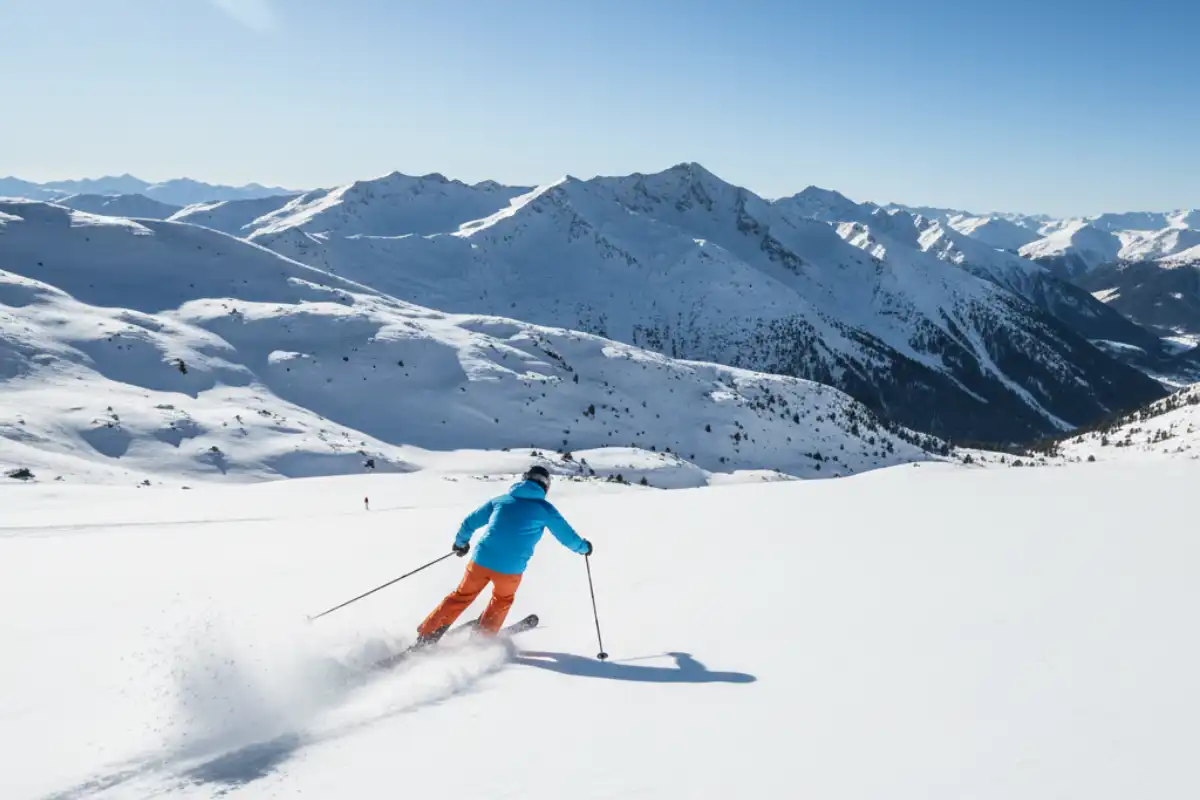
Often overshadowed by the towering Alps, the **Pyrenees mountains** straddling the border of France, Spain, and encompassing the microstate of Andorra offer a fantastic alternative for a winter sports holiday. They are known for sunnier weather, excellent value, shorter lift queues, and a distinct cultural flavor, offering a more relaxed atmosphere than their northern neighbors.
The Three Pyrenean Ski Zones: Where to Go
The range is divided into three distinct regions, each with its own character and best-suited traveler.
1. Andorra: The Interconnected Giant (Grandvalira & Vallnord)
Andorra, the tiny independent principality, punches well above its weight in terms of skiable terrain, driven by strong investment.
- **Grandvalira:** The largest ski area in the Pyrenees (and one of the biggest in Europe), offering 210 km of interconnected slopes. It’s highly modern, with fast lifts and extensive snowmaking.
- **The Vibe:** Excellent for mixed-ability groups and families. The après-ski scene is lively, and the duty-free status of the country makes shopping a draw.
- **Journalist Take:** “Andorra is the perfect blend of Alpine efficiency and Mediterranean warmth. They invest heavily in modern infrastructure; you rarely encounter slow lifts, and the ski schools are world-class, often multilingual.” (Source: European Ski Guide Review)
2. Spanish Pyrenees: Luxury and Heritage (Baqueira Beret)
The Spanish side, particularly the resorts in Catalonia and Aragón, are often preferred by advanced skiers and those seeking top-tier amenities.
- **Baqueira Beret:** Considered the premier resort in Spain, popular with the Spanish royal family. It boasts excellent off-piste opportunities and high-altitude slopes that generally hold snow well.
- **Alternative: Formigal-Panticosa:** A large, modern resort in Aragón, known for its extensive network of slopes and fantastic mountain restaurants (refugios).
3. French Pyrenees: Powder and Authentic Villages
The French side is typically less developed and focuses more on natural terrain, often getting slightly more snowfall and appealing to free-riders.
- **Cauterets:** Known for reliable snow depth and its high-altitude Cirque du Lys bowl, making it a favorite for powder days.
- **St. Lary Soulan:** Offers a charming village atmosphere below a large, varied ski area.
Practical Tips for a Pyrenean Ski Trip 📝
1. Lift Pass Strategy
Unlike the multi-resort mega-passes of the Alps (like the Epic Pass), the Pyrenees often require localized passes. **The Pyrénées2Vallées** pass in France or the **Grandvalira** pass in Andorra offer multi-day value within their specific zones.
2. Snow Conditions and Timing
The Pyrenees receive a large amount of snow, but the Mediterranean climate means the snowpack can be more volatile than in the Alps, particularly at lower elevations.
- **Best Months:** **Late January and February** offer the highest likelihood of deep base and fresh powder. March is also excellent, often bringing sunny skies and good spring snow.
3. Culinary Focus
Do not miss the on-mountain food. Spanish resorts feature excellent *tapas* and traditional mountain stews, while French resorts offer the classic *raclette* and *tartiflette*.
Ski Forum Wisdom: Traveling Between Countries
“If you’re driving, plan a multi-country trip. It’s surprisingly easy to drive from the French side to the Spanish side via tunnel in a few hours. This lets you experience the cultural contrast, from French high-mountain cuisine to Spanish après-ski nightlife, all in one vacation.” (Source: International Skiing Community Forum)
Frequently Asked Questions About Pyrenees Skiing
How does the Pyrenees snow compare to the Alps?
The snow is generally heavier and wetter than the drier, colder snow often found in the high Alps, due to the proximity to the ocean. However, high-altitude Pyrenean resorts often receive massive snow dumps, and excellent snowmaking systems cover any shortcomings.
Are the Pyrenees suitable for expert skiers?
Yes. Resorts like Baqueira Beret (Spain) and Ax 3 Domaines (France) offer challenging black runs and extensive, easily accessible off-piste areas, often with deep powder stashes after a fresh snowfall. Andorra’s sectors also feature dedicated free-ride zones.
Is the Pyrenees cheaper than the Alps?
Generally, yes. While the lift tickets in Andorra are competitive with the Alps, the cost of lodging, food, and dining out in both the Spanish and French Pyrenees is usually lower, offering significantly better overall value for your holiday budget.
Which airport is best for skiing in the Pyrenees?
For the Spanish side and Andorra, **Barcelona (BCN)** or **Toulouse (TLS)** offer the best connections, usually requiring a 2.5 to 3.5-hour transfer. For the French side, Toulouse is often the most convenient international hub.
Is English widely spoken in Pyrenean resorts?
In major international resorts like Grandvalira (Andorra) and Baqueira Beret (Spain), English is widely spoken by hotel staff, ski schools, and service workers. In smaller, traditional French villages, basic French or Spanish may be more helpful.
Conclusion: Discover the Difference 🌄
Skiing in the Pyrenees offers a captivating mix of challenging slopes, reliable sunshine, and distinct European culture often missed in the Alps. By choosing a resort based on your priorities be it the vast terrain of Andorra, the quality powder of Spain, or the intimate French village charm you are guaranteed a memorable, high-value winter sports vacation that stands proudly in its own right.