Seoul for First-Timers: What to See, Eat, and Experience
Seoul, the dynamic capital of South Korea, is a city of stunning contrasts, where ancient palaces sit next to gleaming skyscrapers, and traditional markets thrive alongside cutting-edge technology districts. For first-time visitors in 2025, navigating this massive metropolis can seem daunting, but it is surprisingly budget-friendly if you follow local customs and transport. This guide details the **must-see landmarks**, the **best budget food**, and provides essential tips on accommodation costs, public transport efficiency, and staying safe for an unforgettable, affordable journey.
What to See: Palaces, Towers, and Villages
Essential First-Timer Attractions:
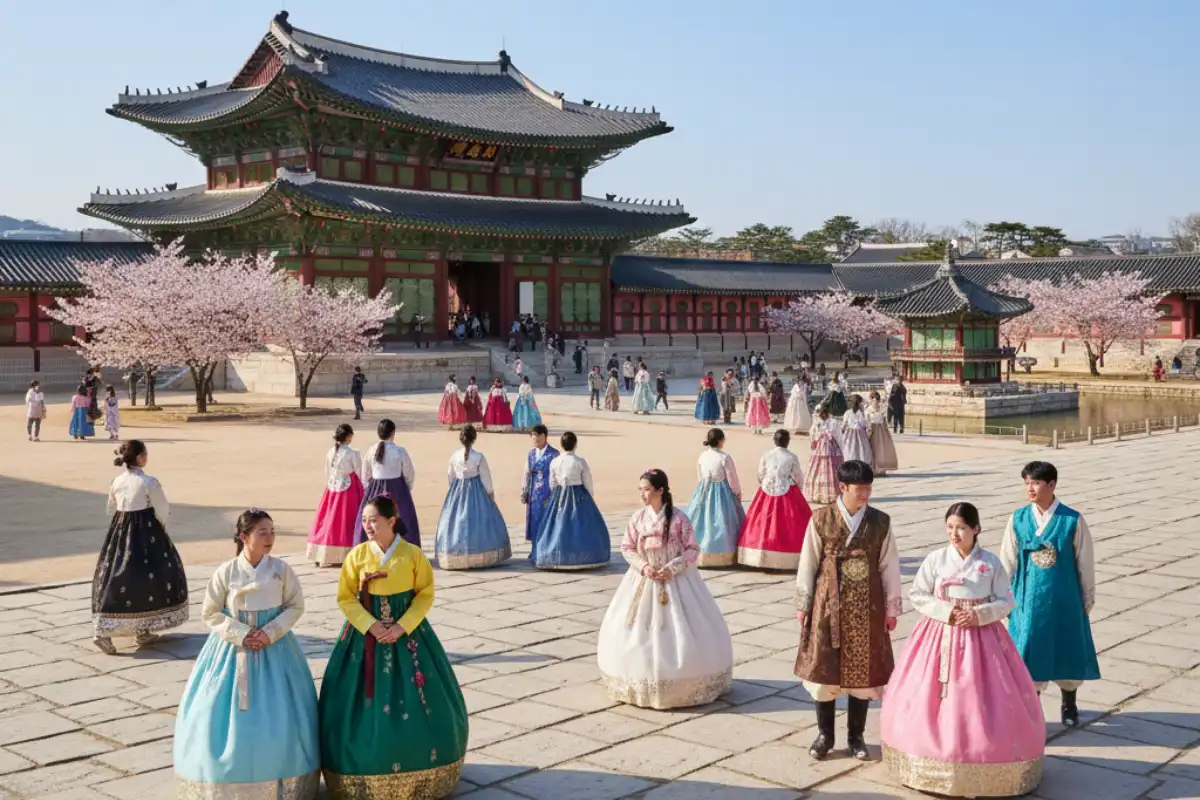
- Gyeongbokgung Palace: The largest and most beautiful of Seoul’s Five Grand Palaces. **Budget Tip:** Entrance is free if you wear a traditional *Hanbok*!
- Bukhansan National Park: Easily accessible via the subway, this park offers world-class hiking and stunning views over the city a perfect free activity.
- N Seoul Tower (Namsan Tower): Take the cable car or hike up Namsan Mountain for 360-degree views of the cityscape. The area around the base is free to explore.
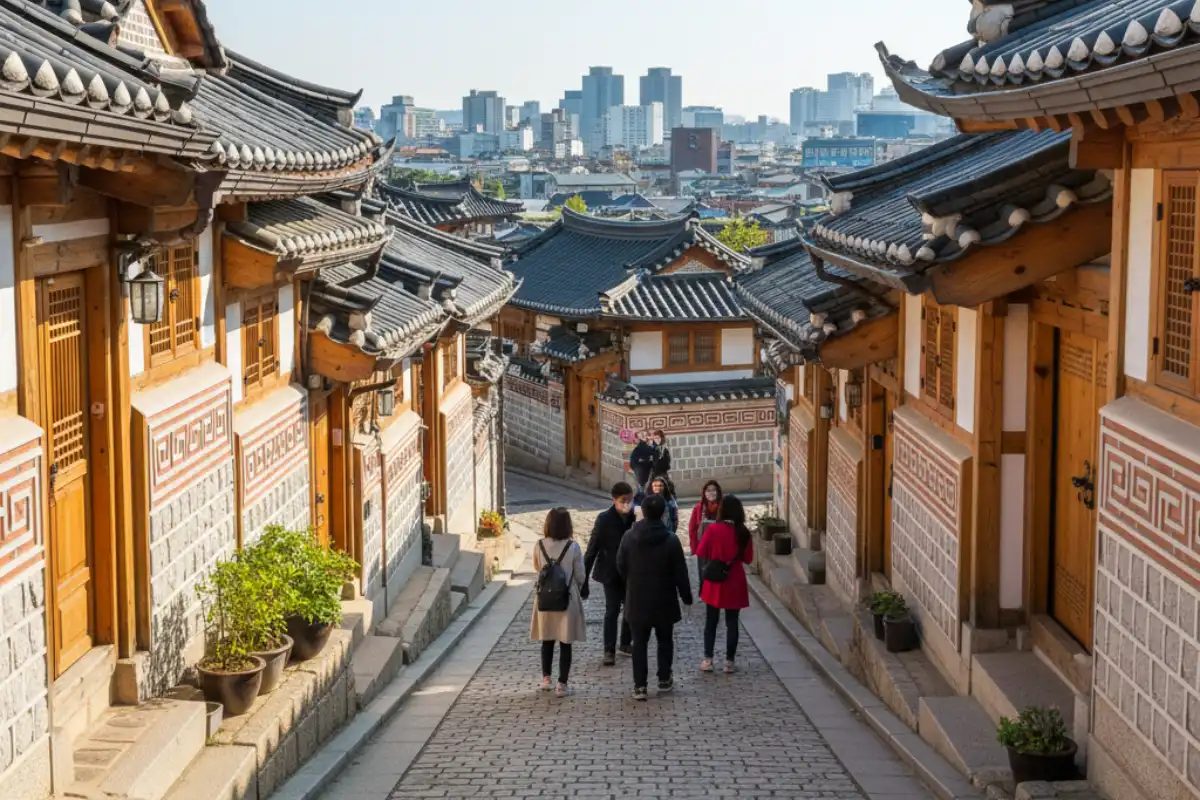
- Bukchon Hanok Village: Explore this charming area of traditional Korean houses (*Hanok*) nestled between Gyeongbokgung and Changdeokgung Palaces.
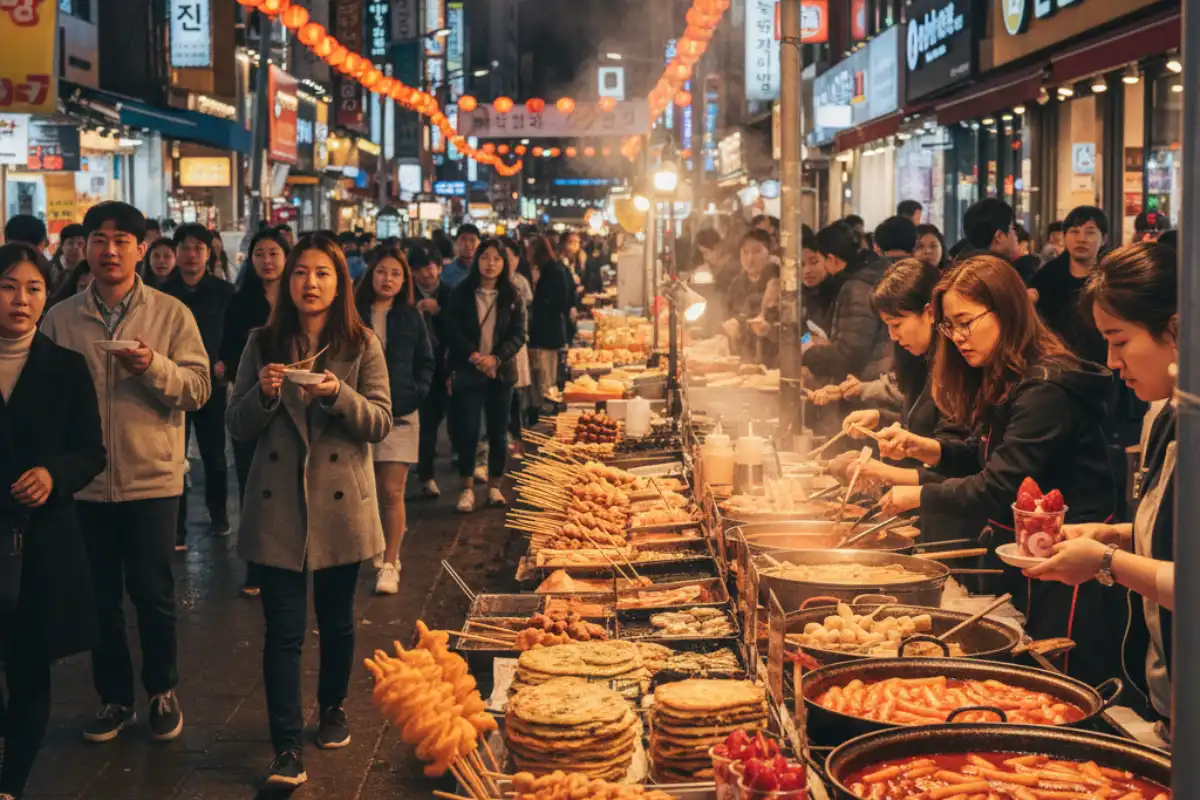
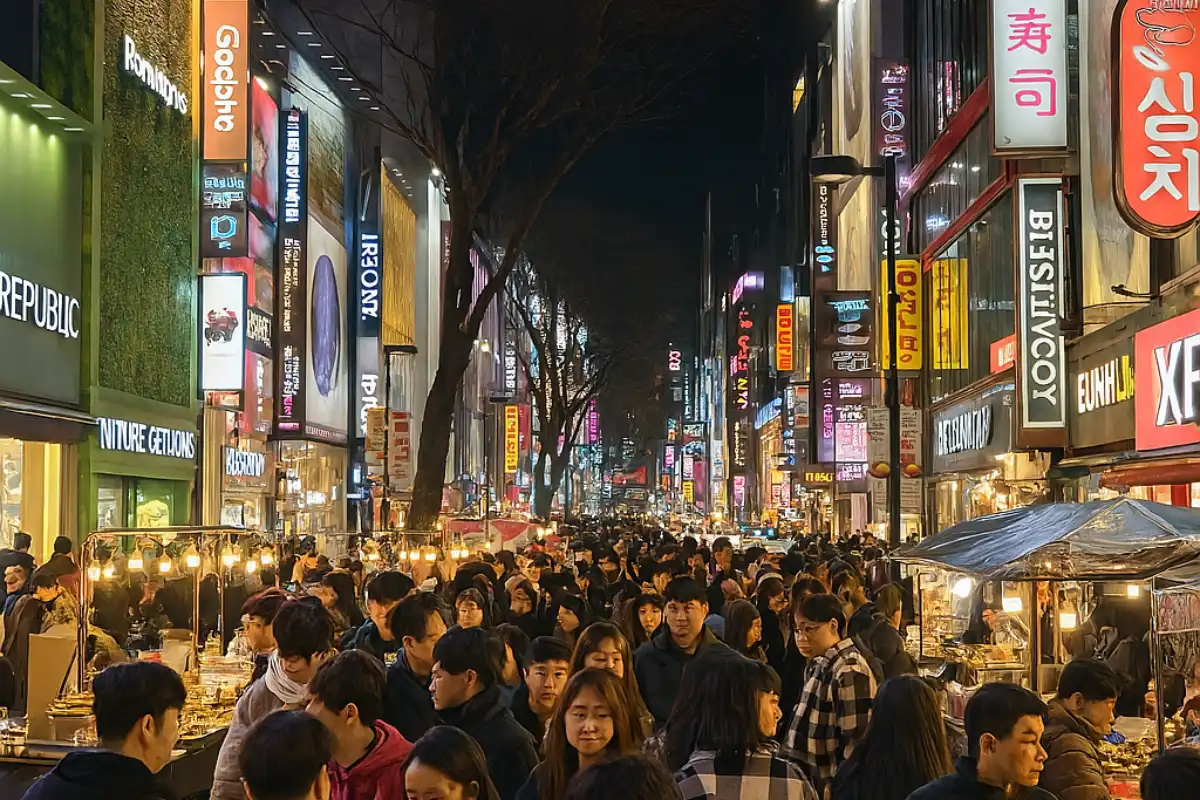
- Myeongdong: Famous for shopping and, more importantly, its vibrant evening **street food market** a must-experience for foodies.
1. The Cost of a Bed: Budget-Friendly Accommodation
Accommodation in Seoul is highly varied, from expensive hotels to *guesthouses* and *jjimjilbangs* (public bathhouses that allow overnight stays for around $8-$15). Hostels and guesthouses offer the best value for budget travelers.
Hostel & Budget Accommodation Prices by Area (Average per night for a dorm bed, October 2025)
| Area | Description | Average Price (USD/night) | Pros for Budget Travelers |
|---|---|---|---|
| Hongdae / Sinchon | University districts, very lively, best nightlife, excellent budget food and shopping. | $18 – $30+ | Best for young travelers, easy subway access, non-stop energy. |
| Jongno-gu (Insadong/Anguk) | Historical center, close to palaces and traditional villages. | $20 – $35 | Convenient for sightseeing, traditional atmosphere, slightly higher rates due to location. |
| Itaewon | International hub, known for diverse cuisine and nightlife. | $15 – $25 | Cheaper options available, good transport, excellent for international dining. |
Note: Prices are estimates for a quality dorm bed. Look for *Goshiwons* (small, private rooms) for slightly cheaper, no-frills accommodation.
Tips for Saving on Accommodation:
- Stay North of the River (Gangbuk): Areas like Hongdae, Sinchon, and Jongno are generally more affordable than the high-end districts south of the Han River (like Gangnam).
- Utilize Hostel Kitchens: While dining out is cheap, some meals can be prepared using local supermarket ingredients.
2. Eating on a Dime: Seoul’s Budget Food Scene
Korean food is universally praised, and luckily, it’s highly affordable. Street food and local joints are your best bet for budget-friendly dining.
Estimated Budget Food Costs (October 2025):
- Breakfast (Bakery/Convenience Store): 3,000 – 6,000 KRW ($2.20 – $4.40 USD).
- Lunch (Kimbap/Noodle Shop): 7,000 – 12,000 KRW ($5.10 – $8.80 USD) for a bowl of *Ramyeon* or *Kimchi Jjigae*.
- Dinner (Street Food/Casual BBQ): 10,000 – 25,000 KRW ($7.40 – $18.40 USD) for a casual meal or shared Korean BBQ.
- Daily Budget for Food: 25,000 – 40,000 KRW ($18.40 – $29.50 USD) is comfortable for a full day of great eating.
Budget Eating Tips:
- Eat Street Food: Myeongdong, Gwangjang Market, and Namdaemun Market offer delicious, filling snacks like *Tteokbokki* (spicy rice cakes) and *Hotteok* (sweet pancakes) for under $5.
- Try Kimbap: The Korean equivalent of a sushi roll, Kimbap is cheap, filling, and found everywhere.
- Water: Tap water is generally safe to drink in Seoul, but many travelers prefer bottled water. Carry a reusable bottle.
3. Getting Around: The Cost of Public Transit
Seoul’s subway and bus systems are world-class, easy to use (all signs are in Korean and English), and very cheap. This is the absolute best way to navigate the city.
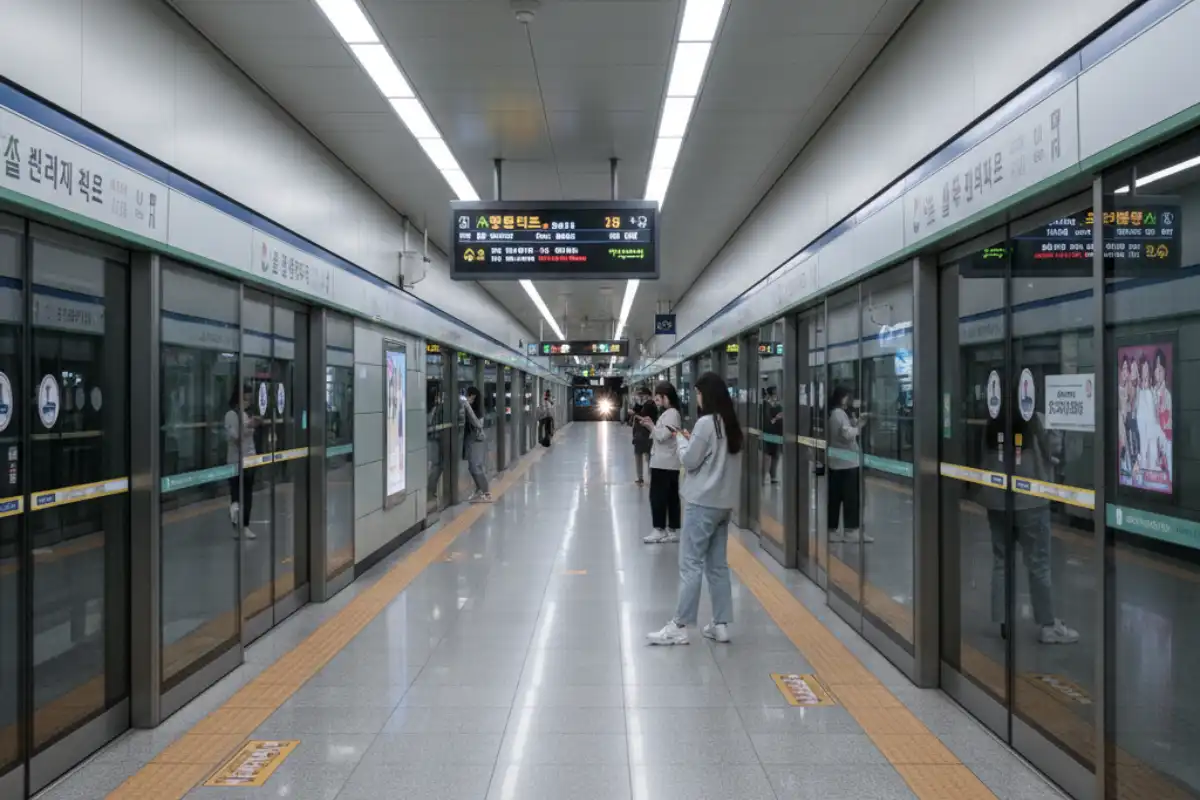
Fares (As of October 2025, subject to minor changes):
- Base Fare (Subway/Bus): Approximately 1,250 KRW ($0.92 USD). Fares increase slightly with distance.
- T-money Card: **Absolutely essential.** This reusable, rechargeable card is used for the subway, buses, and taxis. It costs about 3,000 KRW and provides a 100 KRW discount on every ride, plus free transfers between subway and bus within a certain time limit.
- Incheon Airport Express (AREX): A direct line to Seoul Station. The express train is faster and more expensive (around 10,000 KRW), but the All Stop Train is cheaper and only slightly slower.
Tips for Transportation:
- Buy the T-money Card: Get one at any convenience store (7-Eleven, GS25, CU) or at the airport immediately.
- Mind the Transfer: Make sure you tap your T-money card when exiting one mode of transport and entering another to qualify for the free or discounted transfer.
- Taxis: Taxis are cheap compared to Western cities, but still more expensive than the subway. Use them late at night or when carrying luggage.
4. Staying Safe: Dangers, Scams, and Areas to Avoid
South Korea is one of the safest countries globally. Violent crime is extremely rare. Tourists should primarily be concerned with petty theft and minor scams.
Common Dangers & Scams:
- Petty Theft/Pickpocketing: While rare, it can occur in extremely crowded spots like the Myeongdong street market or the busy nightlife areas of Gangnam and Hongdae. Standard vigilance is enough.
- Taxi Scams: Tourists may occasionally be overcharged by non-metered taxis, especially outside major transport hubs. Always insist on the meter or use the **Kakao T** app (local version of Uber) for transparent pricing.
- Nightlife: Be careful of overly friendly strangers offering drinks in nightlife areas. Never leave a drink unattended.
Areas to Be Cautious Of:
- Seoul generally has no “no-go” zones. The city is safe everywhere. However, the areas outside train stations (especially late at night) require basic caution, as in any large city.
General Safety Advice:
- Be Respectful: Korean culture highly values respect. Always use two hands when giving or receiving objects (especially money/cards).
- Follow Transit Etiquette: Always allow people to exit the subway before boarding. Give up your seat to the elderly or pregnant on public transport.
- Emergency Numbers: Police 112, Ambulance/Fire 119.
5. Ensuring a Positive & Unforgettable Seoul Trip
Seoul is a city that rewards those who dive headfirst into the culture and technology. Use these tips to make the most of your first visit.
- Rent a Hanbok: Renting the traditional Korean dress is a fun, inexpensive activity, and it grants you free entry to all five major palaces.
- Explore a Market: Visit Gwangjang Market or Namdaemun Market to experience authentic Korean life, cheap eats, and great photo opportunities.
- Use the Free WiFi: Seoul offers some of the fastest internet in the world. Utilize the widespread public Wi-Fi access points to save on data costs.
- Discover Cafes: Seoul’s cafe culture is incredible. Find a unique concept cafe in the Hongdae or Gangnam areas for a fun break.
6. Seoul Travel FAQs (October 2025)
What is the currency in South Korea?
The currency is the South Korean Won (KRW). While cards are widely accepted, cash is necessary for street food vendors, some local markets, and small purchases.
Do I need to speak Korean to visit Seoul?
No, English is commonly used in major tourist areas, on public transport (signs and announcements), and in hotels. However, downloading a translation app is recommended for local, non-touristy restaurants.
How should I travel from Incheon Airport (ICN) to Seoul?
The cheapest and most convenient way is the AREX (Airport Railroad Express) All Stop Train, which takes you directly to Seoul Station for a very reasonable price using your T-money card.
What is a *Jjimjilbang*?
A Jjimjilbang is a large, public bathhouse with various themed saunas, relaxation areas, and a communal sleeping hall. They are a unique cultural experience and an incredibly cheap option for an overnight stay (approx. 8,000-15,000 KRW).
Is Seoul expensive compared to other Asian cities?
Compared to Tokyo or Singapore, Seoul is generally more affordable, especially when it comes to food and public transportation. Accommodation is the main expense, but budget options are high quality.
Your Seoul Adventure Starts Now!
From ancient history to modern K-Pop culture, Seoul offers an exhilarating experience for first-timers. Use these budget tips to enjoy the best of the city!
Plan Your Perfect Seoul Itinerary