Scottish Highlands in Springtime: The Golden Window for Travelers
The Scottish Highlands in springtime (March to May) are often described by locals and seasoned travelers as the "Golden Window." It is a season of profound contrast where you can experience snow-dusted Munros reflected in lochs framed by budding yellow gorse. While the rest of the world waits for summer, the Highlands offer a unique blend of solitude, dramatic weather, and the first stirrings of Atlantic wildlife. Choosing spring over summer isn't just about avoiding the crowds it's about witnessing the rawest, most vibrant version of the Scottish landscape before the haze of heat and insects descends.
The Greatest Advantage: A Midge-Free Experience
If you search any Scottish travel forum like r/Scotland or TripAdvisor, the number one piece of advice for hikers is to beware the midge. These tiny biting insects can turn a summer sunset into a trial of endurance.
- **The Spring Benefit:** Midges typically don’t emerge until late May or early June. In March and April, you can stand by a loch at dusk or hike through a glen in total peace.
- **The Visuals:** Without the summer “haze,” the air is often crisper, providing unparalleled clarity for photography across Glencoe or the Quiraing.
Wildlife and the Burst of Color
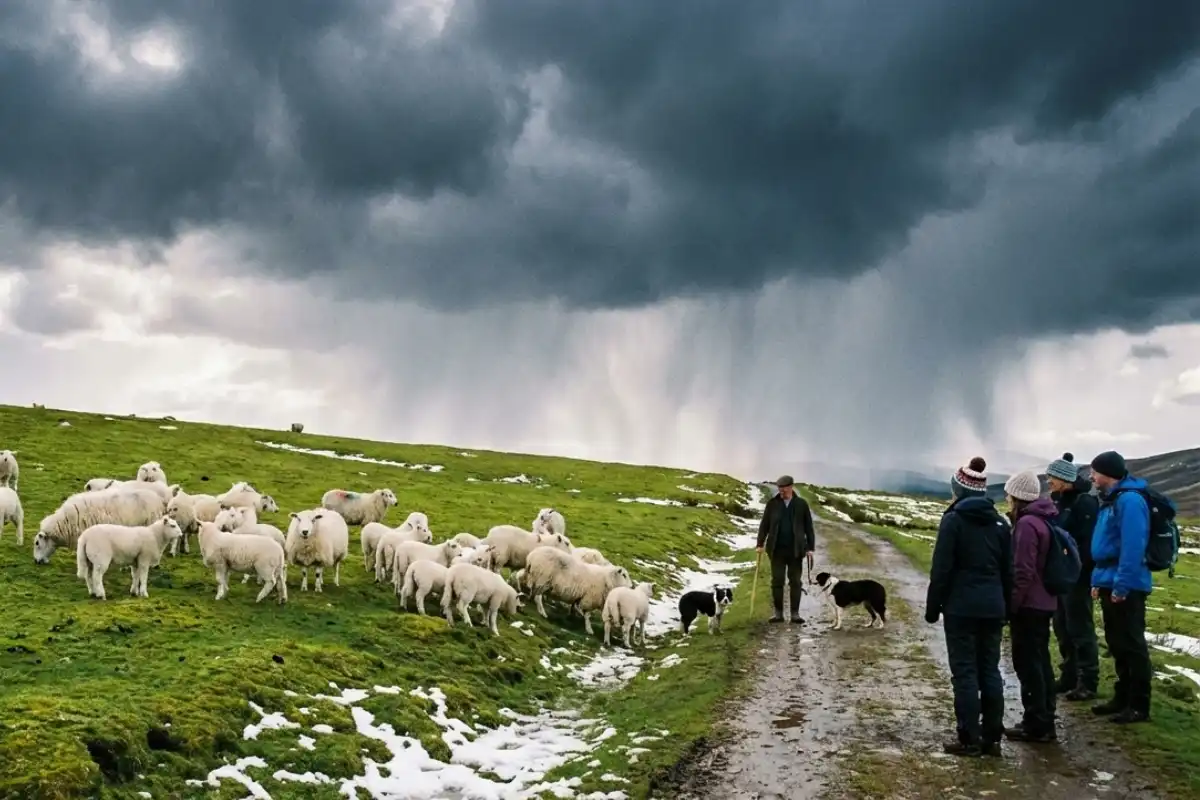
Spring is the season of birth and rebirth in the north. The hills echo with the calls of returning osprey and the bleating of new lambs.
- The Floral Carpet: Bluebells begin to carpet the oak woods in May, while the bright yellow gorse bushes give off a distinctive coconut scent that defines the Highland air in spring.
- Lambing Season: Be mindful when driving the single-track roads of the North Coast 500 or the Isle of Skye; lambs are curious and frequently wander onto the warm asphalt.
“I’ve walked the West Highland Way in both July and May. May wins every single time. The colors are more varied greens, golds, and remaining winter browns and you don’t have to wear a head-net to eat your lunch.” — Insights from a long-distance hiker on the WalkHighlands forum.
Weather Realities: Four Seasons in a Day
The phrase “unpredictable weather” is an understatement in the Highlands. In spring, you must be prepared for everything. It is common to experience a snow squall in the morning followed by t-shirt weather by mid-afternoon.
Strategic Packing
Layering is your best defense. A high-quality waterproof shell is essential, as is a warm mid-layer (down or fleece). Don’t forget polarized sunglasses; the sun reflecting off lingering snow on the peaks can be blinding.
Road Trip Planning
Spring is the perfect time for the **North Coast 500 (NC500)**. The traffic is significantly lighter than in July, making the narrow, winding roads of the west coast much more manageable for those not used to driving on the left.
Frequently Asked Questions: Highlands in Spring
Is May a good month for hiking the Munros?
Yes, but with caution. While valleys are green, many peaks above 900m will still have significant snow and ice. You should have winter walking experience or stick to lower-level glen walks unless you are carrying an ice axe and crampons.
Are the ferries to the islands reliable in spring?
Ferries (CalMac) run on a winter schedule until late March and then switch to summer frequency. While spring storms can cause occasional cancellations, they are generally reliable. It is highly recommended to book your car space in advance for popular routes like Mallaig to Armadale.
When do the puffins return to the coast?
Puffins typically return to their nesting sites on cliffs and islands (like Lunga or Handa) in mid-April. May is one of the best months to see them before they head back to sea in August.
Will everything be open in March and April?
Most seasonal attractions, castles, and visitor centers open their doors around Easter. Some smaller remote cafes might still be on restricted hours, so it’s always worth checking their social media pages before a long drive.
How cold does it actually get?
Average daytime temperatures range from 7°C to 13°C. However, the “wind chill” factor near the coast can make it feel much colder. Nighttime temperatures can still drop to freezing, especially in inland glens like Braemar.
Conclusion: The Soul of Scotland 🦌
The Scottish Highlands in spring are for the traveler who appreciates the raw, atmospheric beauty of nature. It is a time when you can have a world-class viewpoint all to yourself, where the air smells of gorse and salt, and where the mountains seem to breathe as the snow retreats. If you can handle a bit of rain and a gust of wind, the spring Highlands will reward you with a clarity and peace that the summer months simply cannot match.
Pack your layers, respect the wildlife, and get ready for a landscape that feels truly alive.