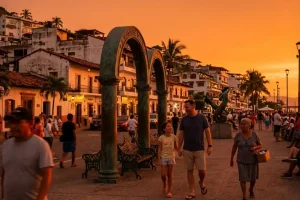
San José in 24 Hours: Museums, Markets, and Coffee Culture
Discover San José in just 24 hours with this budget-friendly guide. Explore key sights like the Central Market, museums, and Avenida Central while saving money with local Sodas and cheap buses. Learn where to stay, how to eat well for less, and how to stay safe while enjoying Costa Rica’s vibrant capital.
Pura Vida in the Metropolis
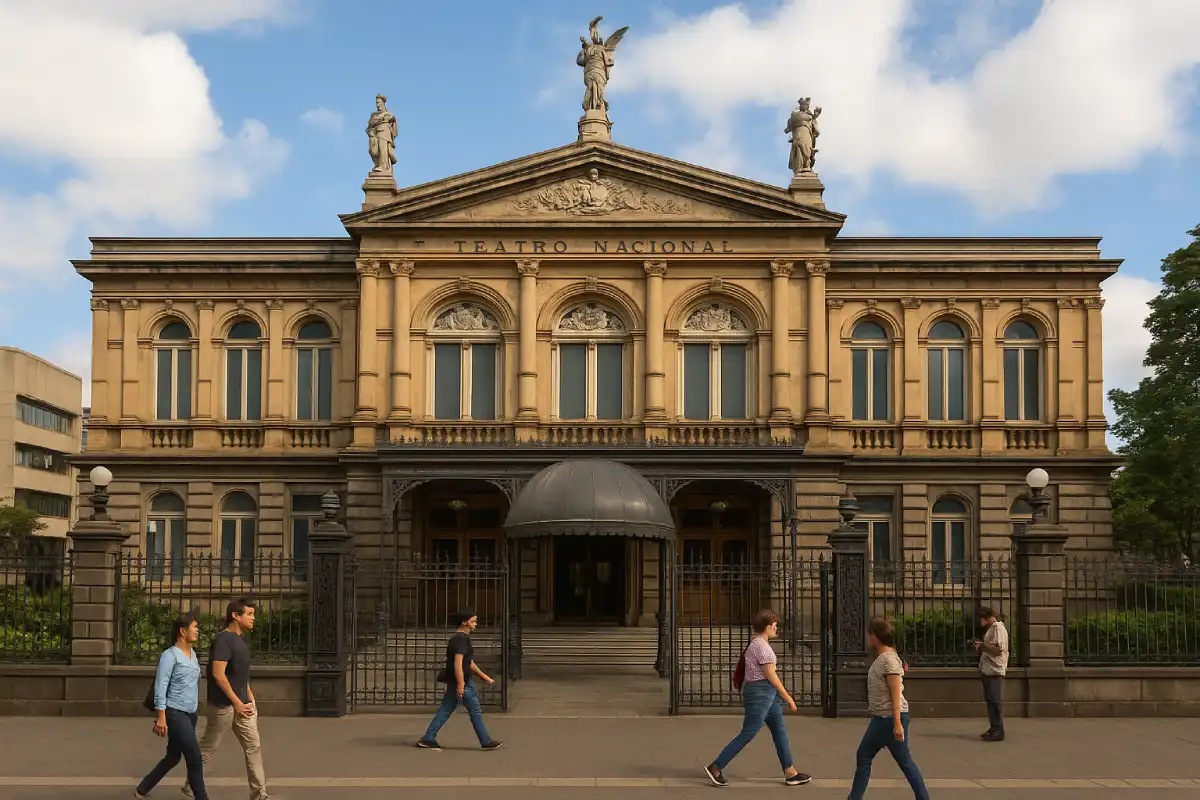
San José’s charm is concentrated in its central core, making a 24-hour exploration feasible. The main sights the National Theater, museums, and Central Market are all easily walkable along the pedestrian-only Central Avenue (Avenida Central). While prices are higher than in neighboring countries, embracing local *Sodas* for food and relying on the excellent bus system keeps costs manageable. Safety here means being constantly aware of your surroundings, especially in crowded, busy areas.
The 24-Hour San José Itinerary
Iconic Experiences:
- Morning: Central Market (Mercado Central): Experience the energy of the local market. Try cheap local snacks, find a *Sodas* for breakfast (*Gallo Pinto*), and buy coffee beans.
- Mid-Day: Museums: Visit the **Pre-Columbian Gold Museum** and the **Museo Nacional** (National Museum), housed in the historic Bellavista Fortress.
- Afternoon: Coffee Culture: Take a break at the **Teatro Nacional** (National Theater). While tours cost money, the elegant lobby cafe is affordable and perfect for people-watching and a high-quality local coffee.
- Evening: Barrio Escalante: Head east to the safe, trendy neighborhood of **Barrio Escalante** for dinner, known for its creative food and craft beer scene.
Budget-Friendly Tip: Walk the entire length of **Avenida Central**. This pedestrian street is free, vibrant, and takes you past most of the key architectural sights, saving on transport costs.
1. The Cost of a Bed: Budget-Friendly Accommodation
San José is the most expensive city in Central America. Budget accommodation here is mid-range by international standards. Prioritize staying in secure, well-patrolled areas like Barrio Amón, even if it adds a few dollars to the nightly rate.
Hostel & Budget Accommodation Prices by Area (Average per night for a dorm bed, November 2025)
| Area (Barrio) | Description | Average Price (USD/night) | Pros for Budget Travelers |
|---|---|---|---|
| Barrio Amón (Historic/Safe) | Safest, beautiful Victorian architecture, quiet. | $20 – $30 | Highest security, walking distance to museums. |
| Barrio Escalante (Trendy/Food) | Best nightlife and food scene; higher quality hostels. | $22 – $35 | Great atmosphere, but further from the city center core. |
| Downtown / Near Terminal (Central/Budget) | Cheapest hostels, closest to transport hubs. | $18 – $25 | Best for quick transit; requires high vigilance. |
Note: Prices are estimated for a standard dorm bed. Costa Rica’s currency is the Colón (CRC), but USD is widely accepted.
Tips for Saving on Accommodation:
- **Book Early:** San José hostels fill up, especially those near the airport transit routes. Booking well in advance secures the best prices.
- **Self-Catering:** Choose a hostel with a good, usable kitchen. Groceries here are expensive, but self-catering is still cheaper than dining out three times a day.
2. Eating on a Dime: San José’s Budget Food Scene
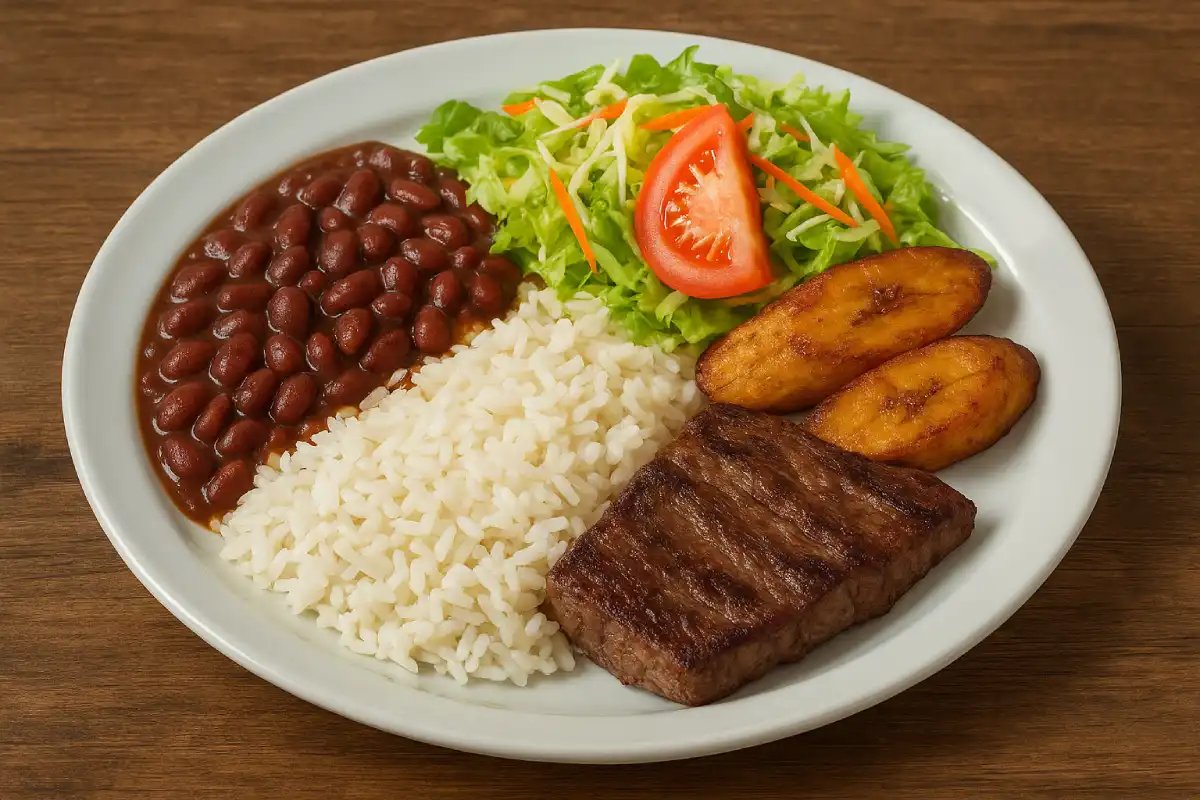
Dining is the biggest budget drain in Costa Rica. The solution is simple: eat exclusively at **Sodas** (small, local diners) and order the **Casado** (the national set plate).
Budget Food Costs (November 2025):
- Breakfast (Gallo Pinto at a Soda): 2,000 – 3,500 CRC ($3.85 – $6.75 USD). Rice and beans with eggs and plantain.
- Casado (Lunch/Dinner at a Soda): 3,500 – 5,500 CRC ($6.75 – $10.60 USD). A generous plate including meat, rice, beans, salad, and plantain. The best value meal.
- Street Snacks (Empanadas/Eclairs): 500 – 1,500 CRC ($0.95 – $2.90 USD).
- Daily Budget for Food: $30 – $45 USD is a realistic budget for three *Soda*-based meals and coffee high for Central America, but necessary here.
Budget Eating Tips:
- **Find the Sodas:** These local joints offer the best prices. Look for ones slightly off the main tourist streets.
- **Order the Casado:** This set menu is the cheapest, most filling, and most authentic meal you can get.
- **Avoid Alcohol:** Imported and local beer/cocktails are relatively expensive in bars. Drink at your hostel to save money.
3. Getting Around: The Cost of Public Transit
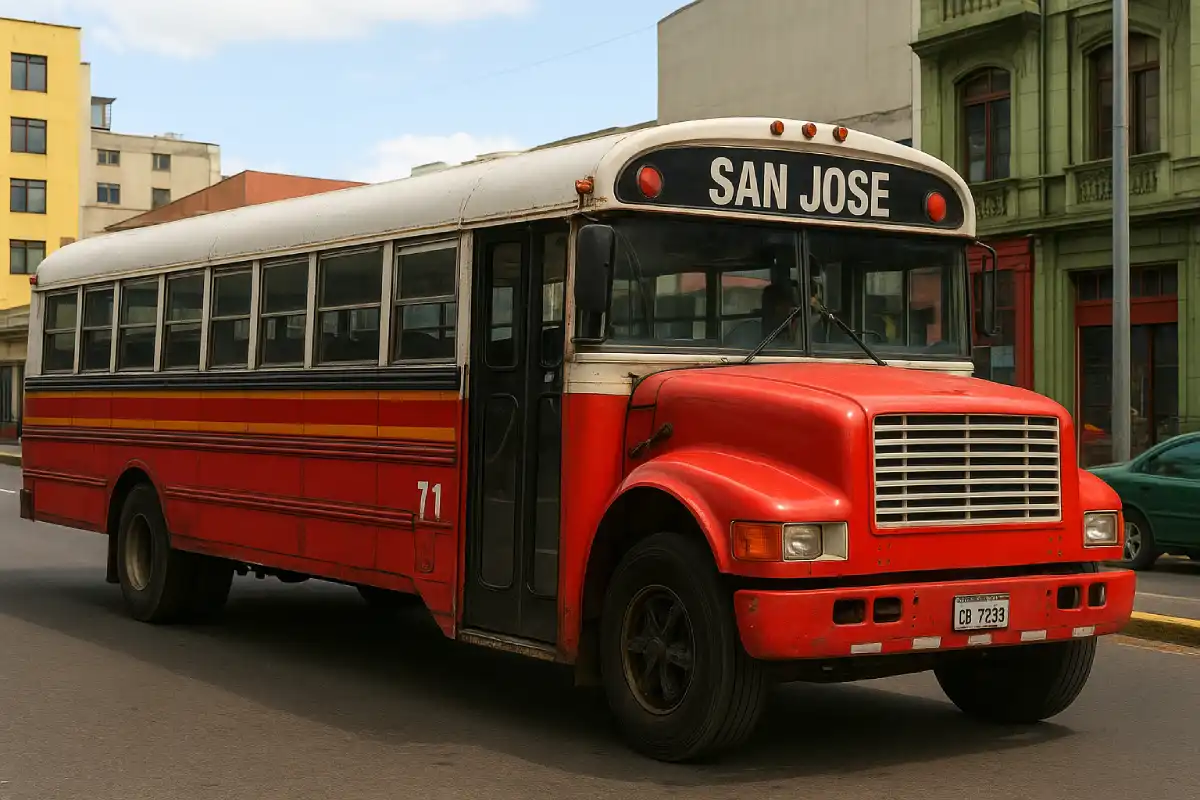
San José has an efficient, comprehensive, and remarkably cheap public bus network. This is your number one tool for budget travel, especially since Uber is not as cheap as in neighboring countries.
Fares (As of November 2025):
- Single City Bus Ride: Approximately **350 – 450 CRC** ($0.67 – $0.87 USD). Pay cash directly to the driver upon boarding.
- Uber/Taxi: Convenient for late nights or trips to the airport/bus terminals. A typical short ride (e.g., Downtown to Barrio Escalante) is $4 – $8 USD.
- Long-Distance Buses: The cheapest way to travel out of San José. Tickets must be bought in advance from the respective terminal.
Tips for Transportation:
- **Walk the Center:** The 24-hour itinerary focuses on the core, which is best explored on foot.
- **Use Buses for Transit:** Use the local bus to get between your safe residential area (Barrio Amón) and the downtown core, saving on taxi fees. Always have small coins (Colón) ready.
4. Staying Safe: Dangers, Scams, and Areas to Avoid
San José is safer than many Latin American capitals, but its dense, busy downtown core is a prime target for opportunistic thieves. Tourists must be extremely aware, especially in crowded spots.
Common Tourist Dangers:
- **Pickpocketing/Phone Snatching:** High risk, particularly in the **Central Market** and on the **Avenida Central Pedestrian Mall**. Leave all non-essential items and electronics at your lodging.
- **Distraction Scams:** Thieves may use tactics like “spilling” a drink on you or asking complex directions to distract you while an accomplice steals your bag or phone.
- **Unlicensed Taxis:** **Avoid unmarked street taxis** offering unsolicited rides. Use official red taxis (with the yellow triangle/meter) or app-based services (Uber).
Areas to Be Cautious Of (and Zones to AVOID):
- **Central Market:** Extremely crowded; keep bags secure and hidden.
- **Bus Terminals (e.g., Terminal 7-10/Coca-Cola):** High-risk areas, especially late at night. Only arrive/depart here using Uber/Official Taxi.
- **Downtown side streets:** Areas directly off the main Avenida Central become deserted and poorly lit quickly; stick to the main avenue.
5. Ensuring a Positive & Unforgettable San José Trip
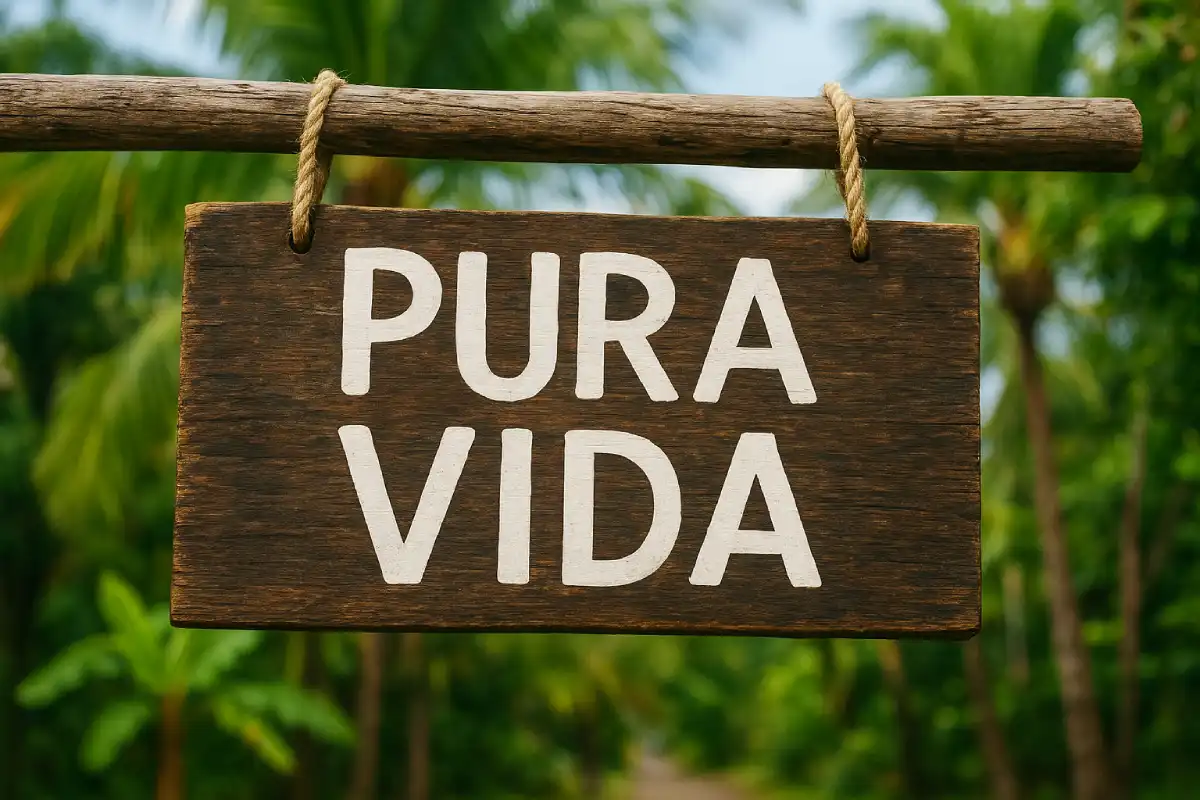
Embrace the easygoing national motto (*Pura Vida*) and use the city as a gateway to the rest of the country’s natural wonders.
- **Currency Strategy:** USD is accepted almost everywhere, but always use **Colones (CRC)** at local *Sodas* and on buses to get the exact local price without relying on potentially poor vendor exchange rates.
- **Stay Hydrated:** San José is high-altitude, but the tropical sun is intense. Carry water, especially while walking the downtown core.
- **Embrace the Coffee:** Use the city as a base for experiencing Costa Rica’s world-famous coffee culture, either through a downtown cafe or a day trip to a nearby plantation.
- **Pura Vida:** Don’t stress the small things. The relaxed national mindset permeates the city breathe, smile, and enjoy the pace.
6. San José Travel FAQs (November 2025)
What is the national budget meal called?
The national set meal is the **Casado**. It is offered by local diners (*Sodas*) and is the cheapest, most filling way to eat lunch or dinner.
Is the tap water safe to drink in San José?
Yes, the tap water in San José and most of the central valley of Costa Rica is generally **safe to drink**.
Are US Dollars (USD) widely accepted?
Yes, USD is widely accepted, especially in tourist areas. However, paying in the local currency, the Colón (CRC), is always best at local *Sodas* and for bus fares.
Is it safe to walk along Avenida Central?
Yes, during the day. Avenida Central is a pedestrian mall and is well-patrolled, but maintain constant vigilance against pickpockets and keep your phone secured.
What is the cheapest way to get to the airport (SJO)?
The cheapest way is the local public bus (Tuasa or Station Wagon) which runs frequently between downtown and the airport for a few hundred Colones.
Experience the Pura Vida of San José!
Discover San José’s museums, markets, and coffee culture in a rapid, budget-conscious 24 hours. Start planning your Costa Rican adventure today!
Plan Your Costa Rica Backpacking Route