Safety tips for renting a car overseas
Renting a car abroad offers unparalleled freedom, allowing you to venture far beyond public transport routes and tourist crowds. However, navigating a rental process in a foreign language, dealing with unfamiliar road laws, and worrying about hidden damage fees can introduce stress. The key to a safe and enjoyable international road trip lies in **meticulous preparation and disciplined safety practices** from the moment you sign the contract until you hand back the keys.
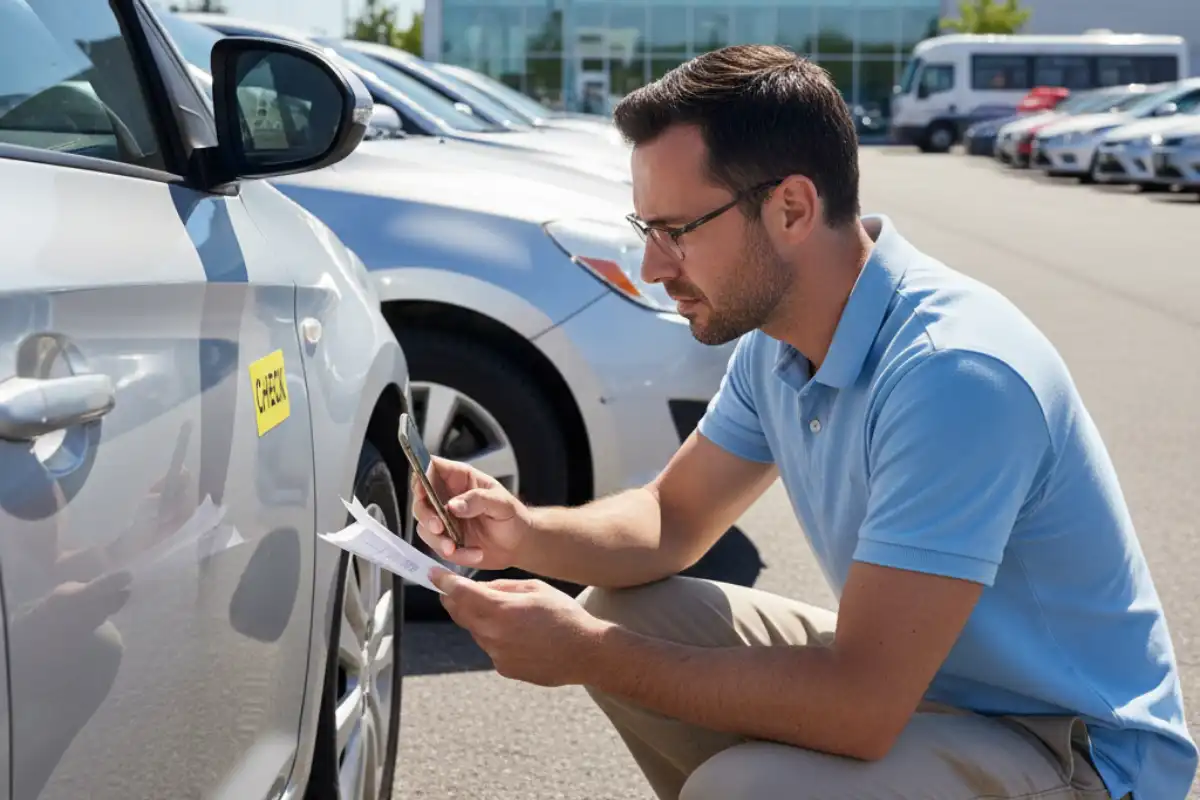
Pre-Rental Inspection and Insurance Protocol 🛡️
Before you accept the keys, a thorough inspection and a clear understanding of your coverage are your best defenses against disputes and accidents.
1. The 360-Degree Damage Inspection 📸
Rental agencies are notorious for charging travelers for pre-existing damage. To protect yourself, conduct a complete vehicle inspection and document everything:
- **Take Photos and Video:** Use your phone to take high-resolution photos and a continuous video walk-around of the car’s exterior, including the roof, wheel rims, and under the bumpers. **Capture close-ups of all existing scratches, dents, and scuffs.**
- **Check the Interior and Functionality:** Verify that the air conditioning, lights (headlights, turn signals, brake lights), windshield wipers, and spare tire kit are fully functional. Ensure the fuel level matches the contract.
- **Alert the Agent:** Point out all damage to the rental agent and ensure it is explicitly marked on the **checkout sheet** before you drive away.
2. Insurance Clarity: Don’t Assume Coverage 📝
Never assume your home insurance or credit card offers sufficient international coverage.
- **Understand the Mandatory:** In many countries, **Third-Party Liability (TPL)** is mandatory and often included. This covers damage to the *other* person/vehicle.
- **Protect Yourself:** Carefully review the **Collision Damage Waiver (CDW)** or **Loss Damage Waiver (LDW)**. This waives the rental company’s right to pursue you for damage to the rental car, but it often carries a high deductible (excess fee).
- **Know Your Credit Card:** If using credit card insurance, confirm it covers the specific country and vehicle type, and understand the precise documentation required if a claim is necessary.
Consumer Advocate’s Tip: Michael, Travel Insurance Specialist
“If you are renting a car for more than a week, consider purchasing a **standalone, third-party excess reimbursement policy**. These policies are often significantly cheaper than the rental desk’s CDW and will cover the deductible amount (excess) that you would otherwise have to pay out-of-pocket if the car gets damaged. Read the fine print, but this can save hundreds.”
On-the-Road Security and Awareness 🚨
Driving in a foreign country requires heightened awareness of local laws, road customs, and crime prevention.
1. Driving and Navigation Safety 🗺️
Familiarize yourself with key differences before you start the engine:
- **Road Rules:** Confirm which side of the road they drive on (left or right) and the local speed limit standards. Note the rules for passing and yielding (especially at roundabouts).
- **International Driving Permit (IDP):** Carry an IDP if required. Even where not legally mandatory, it often helps when dealing with police or rental agents.
- **Offline Maps:** Do not rely on having cell service. Download your entire route (via Google Maps or a dedicated GPS app) for **offline navigation** before you leave Wi-Fi.
2. Theft and Personal Security 🔒
Rental cars, particularly recognizable ones, can be targets for theft, especially in tourist areas.
- **Hide Belongings:** Never leave bags, phones, or gear visible on seats, even when parked briefly. Keep everything in the trunk.
- **”De-Branding”:** If your rental car has large, obvious agency stickers (e.g., Hertz or Avis branding), ask the agent if they can be removed, or try to cover them. Blending in is key to security.
- **Stay Alert at Stops:** In some areas, thieves target cars stuck in traffic or stopped at lights. Keep windows up and doors locked, and be wary of people trying to distract you near your vehicle.
Experienced Renter’s Wisdom: Clara, Travel Magazine Contributor
“My safety routine starts with the car model. I always ask for a mid-range, common local car model, not a flashy imported vehicle. The less your car stands out in a parking lot or looks like a typical tourist rental the lower your risk of being targeted by petty criminals looking for easy pickings.”
Frequently Asked Questions About Car Rental Safety
What should I do immediately if I get into a minor accident?
Prioritize safety first: move the car to the side of the road if possible. If anyone is injured, call the local emergency number immediately. Exchange insurance information with the other party (if applicable), and **call the rental company** and the **local police** immediately, even for minor damage, to file an official report required by insurance.
Is it safe to pay the premium for a GPS unit from the rental company?
No. Most modern smartphones with downloaded **offline map applications** are superior, more current, and far cheaper than renting a dedicated GPS unit. Use your phone mount, and ensure you have a portable charger or car adapter to keep it powered throughout the drive.
Should I fully refuel the tank myself or pay the rental company’s refueling fee?
**Always refuel yourself.** The rental company’s refueling rate is almost always a significant markup on local fuel prices, often doubling the cost of a full tank. Find a petrol station close to the airport and refuel right before returning the vehicle to avoid the unnecessary fee.
What is a good strategy to avoid getting lost in a city center immediately after pickup?
Pull over immediately after leaving the pickup lot to program your GPS (using offline maps) and review the first few turns. If the rental agency is in a chaotic downtown area, drive a few extra miles out to a quieter, safe parking lot to review your route before attempting complex city navigation.
Do I need a credit card, or can I use a debit card for the deposit?
Most major international rental agencies **require a credit card** in the driver’s name for the deposit (hold). This is because they need to be able to place a large hold without relying on funds being present in a bank account. Debit cards are often accepted only for the final payment, not the initial safety deposit.
Conclusion: Drive Confidently, Drive Prepared
Renting a car overseas is a fantastic way to unlock new travel experiences, but the underlying safety and financial risks are real. By dedicating time to a detailed **pre-rental inspection**, securing the right **insurance coverage** that protects your deductible, and maintaining strict **on-road security awareness**, you effectively transfer control from chance to preparation. Drive within local rules, trust your GPS (but have a backup), and enjoy the profound freedom that comes with navigating the world on your own four wheels.