Rome on a Budget: Your Essential Guide to Affordable & Safe Travel in the Eternal City
Step back in time without emptying your pockets. This comprehensive guide, updated for **July 2025**, will help you explore Rome's ancient wonders, vibrant culture, and delicious cuisine affordably and safely, ensuring an unforgettable journey.
Uncover Rome’s Timeless Beauty, Smartly
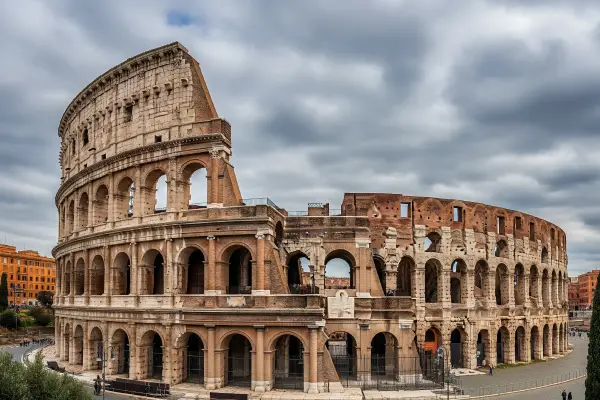
Rome, the Eternal City, captivates with its unparalleled history, stunning architecture, and mouth-watering food. While it’s a major European capital, experiencing Rome on a budget is entirely possible with savvy planning. As of July 2025, Italy, like much of Europe, continues to navigate economic shifts, making strategic choices even more important for budget-conscious travelers. This guide will provide practical tips on affordable accommodation, authentic cheap eats, efficient public transportation, and crucial safety advice to ensure your Roman holiday is both economical and truly memorable.
1. Cost of Accommodation in Rome: Budget Options
Finding budget-friendly accommodation in Rome often means looking beyond the immediate vicinity of major landmarks. Hostels and guesthouses are your best bet for significant savings. Prices can fluctuate greatly by location, season (July is peak!), and how far in advance you book.
Hostel & Budget Hotel Prices by Area (Average per night for a dorm bed/budget private, July 2025)
| Area | Description | Average Price (EUR/night) | Pros for Budget Travelers |
|---|---|---|---|
| **Termini Station Area** | Main transport hub, good connections. Mixed reputation. | €30 – €55 (Dorm) €60 – €100 (Budget Private) |
Excellent transport links, many hostels & budget hotels, direct airport train. |
| **San Lorenzo** | University district, vibrant, student-friendly prices. | €28 – €48 (Dorm) €55 – €90 (Budget Private) |
Lively nightlife, cheap eateries, authentic local feel, good bus/tram connections. |
| **Trastevere (Outer parts)** | Charming, picturesque, but can be pricier. Seek outer areas. | €35 – €60 (Dorm) €70 – €120 (Budget Private) |
Beautiful, great restaurants, vibrant evenings, walking distance to some sights. |
| **Esquilino / Vittorio Emanuele** | Multicultural, close to Termini, vibrant market. | €25 – €45 (Dorm) €50 – €85 (Budget Private) |
Very budget-friendly, diverse food options, central location. |
| **Vatican City Area (Prati / Borgo)** | Close to Vatican, quieter, more residential. | €38 – €65 (Dorm) €75 – €130 (Budget Private) |
Convenient for Vatican, safe, good Metro access (Line A). |
Note: Prices are estimates and can fluctuate significantly, especially in July. Booking several months in advance is crucial for the best rates.
Tips for Saving on Accommodation:
- **Book Well in Advance:** Rome is popular, particularly in summer. Secure your stay as early as possible.
- **Hostels with Private Rooms:** Sometimes a private twin or double room in a highly-rated hostel can be more affordable than a cheap hotel, often with better amenities and social atmosphere.
- **Guesthouses (Affittacamere/B&Bs):** These can offer excellent value, especially smaller, family-run establishments slightly off the main tourist routes.
- **Use Public Transport:** Don’t limit yourself to walking distance from the Colosseum. Areas slightly further out but well-connected by Metro or bus often offer better value.
- **Check Reviews:** Always read recent reviews for cleanliness, safety, and atmosphere, especially in the Termini area.
2. Cost of Food in Rome: Eating on a Budget
Eating well in Rome is easy, even on a budget. Avoid tourist trap restaurants near major attractions; venture a few streets away for authentic, delicious, and affordable food.
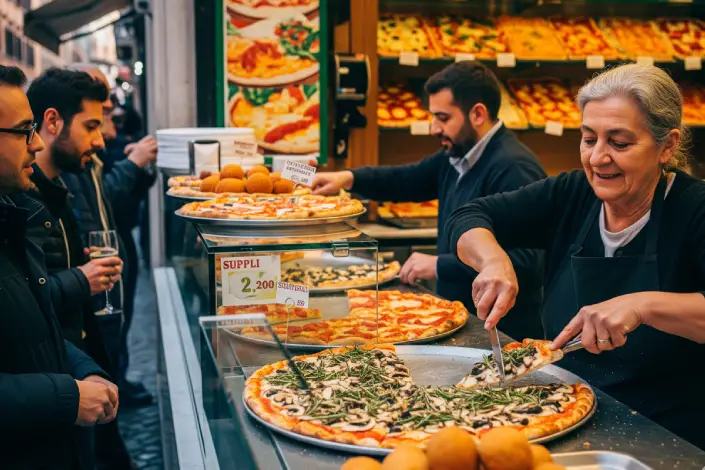
Rome offers incredible food experiences that are easy on your wallet.
Estimated Budget Food Costs (July 2025):
- **Breakfast:** €3 – €7 (Cornetto + coffee at a bar: €3-5; simple breakfast at a café: €5-7)
- **Lunch:** €8 – €15 (Pizza al taglio: €5-8; Panini/Tramezzino: €4-7; pasta at a casual trattoria: €10-15)
- **Dinner:** €15 – €30 (Casual trattoria/pizzeria meal: €15-25; street food/supermarket meal: €5-10)
- **Daily Budget for Food:** €30 – €50 if you mix and match, utilize supermarkets, and avoid sit-down meals for every course.
Budget Eating Tips:
- **Bars for Breakfast:** In Italy, “bar” means coffee shop. Start your day with an espresso (€1.20-€1.50) and a cornetto (croissant, €1.50-€2) standing at the counter like a local. Sit-down service costs more.
- **Pizza al Taglio:** Pizza by the slice, sold by weight. A fantastic, cheap, and quick lunch or snack. Look for shops with a good variety and fresh ingredients.
- **Panini/Tramezzini:** Italian sandwiches are perfect for a quick, inexpensive meal.
- **Supermarkets (Coop, Carrefour Express, Conad, etc.):** Buy fresh bread, cheese, cured meats, olives, fruit, and wine for picnic lunches or simple dinners. Essential for saving money.
- **Local Markets:** Visit markets like Mercato di Testaccio or Campo de’ Fiori (though the latter is more touristy now) for fresh produce and sometimes prepared foods.
- **Trattorias & Osterias:** Look for small, family-run places away from the main squares. They often offer authentic, hearty Roman dishes at reasonable prices. Check for a “Menu Turistico” (tourist menu) but also compare it with the regular menu; sometimes the regular menu offers better value or more authentic choices.
- **Aperitivo:** Some bars offer aperitivo, where you pay for a drink (usually €8-€12) and get access to a free buffet of snacks/light bites. This can sometimes double as a light dinner.
- **Gelato:** A must-try! Stick to artisanal gelaterias that list ingredients and keep gelato covered or flat in trays (not piled high). Prices typically €2-€5 for a cone.
- **Drink Tap Water:** Rome’s tap water is safe and delicious. Many public fountains (“nasoni”) provide fresh, cold water for free. Carry a reusable bottle.
3. Cost of Public Transportation in Rome
Rome’s public transport network (ATAC) consists of buses, trams, and a metro system. While the Metro is limited, buses and trams cover the city extensively. Walking is often the best way to see the city, but public transport helps cover longer distances and save time.
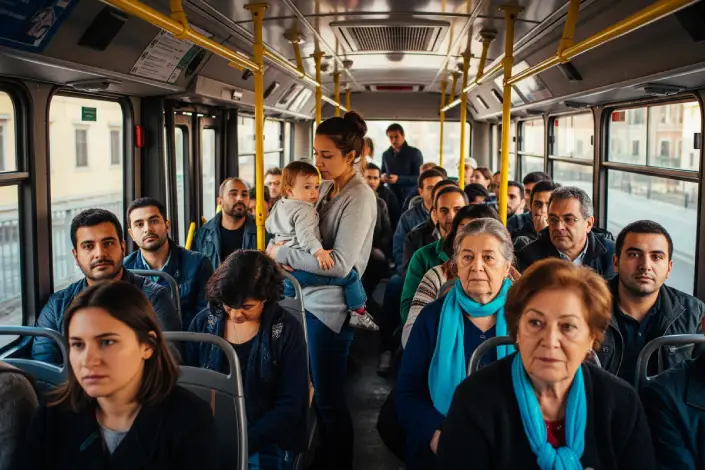
Rome’s public transport system can get you to most places, but walking is key.
Fares (As of July 2025, subject to minor changes):
- **BIT (Biglietto Integrato a Tempo):** Single ticket, valid for 100 minutes from first validation, allows one Metro/train ride and unlimited bus/tram rides within that time. Approximately €1.50.
- **ROMA 24/48/72 Hour Tickets:** Unlimited rides on all ATAC public transport (Metro, buses, trams, urban trains) within the validity period.
- **24-hour:** Around €7.00
- **48-hour:** Around €12.50
- **72-hour:** Around €18.00
- **CIS (Carta Integrata Settimanale):** Weekly ticket, valid for 7 days. Around €24.00. Good if you’re staying a full week and using transport frequently.
- **Roma Pass / Omnia Card:** These tourist passes include transport and museum entry. Generally **NOT recommended for budget travelers** unless you plan to visit many expensive museums quickly, as their cost often outweighs the savings.
Tips for Transportation:
- **Validate Your Ticket:** ALWAYS validate your ticket when you get on a bus/tram or before entering a Metro station. Plain-clothes inspectors are common, and fines are hefty.
- **Walk, Walk, Walk:** Rome is a city best explored on foot. Many major attractions are relatively close, and you’ll discover charming streets and hidden gems.
- **Google Maps/Moovit:** Use these apps for real-time public transport information and route planning.
- **Metro for Major Connections:** Metro Line A and B are useful for quickly connecting major points like Termini, Colosseum (Colosseo), Spanish Steps (Spagna), Vatican (Ottaviano/Cipro), and Barberini.
- **Bus/Tram for Shorter Distances/Specific Areas:** Buses and trams fill in the gaps where the Metro doesn’t reach, especially in areas like Trastevere.
- **Consider a Day Pass:** If you plan more than 4-5 rides in a day, a 24-hour pass is likely worth it.
4. Safety in Rome: Dangers, Scams, and Areas to Be Cautious
Rome is generally a safe city, but like any major tourist destination, it’s notorious for petty crime, especially pickpocketing and various scams targeting tourists. Awareness and caution are your best defenses.
Common Dangers & Scams:
- **Pickpockets:** This is the most prevalent issue. They operate in highly crowded tourist areas, on crowded buses (especially 64 and 40, which go to major sights), trams, and Metro lines. They are often highly skilled and work in teams.
- **Scenarios:** Distraction tactics (someone “accidentally” bumps into you, “drops” something, fake petition signers, gypsies distracting with children).
- **”Friendly” Strangers at ATMs:** People who offer “help” at ATMs or ticket machines are often trying to skim your card or distract you.
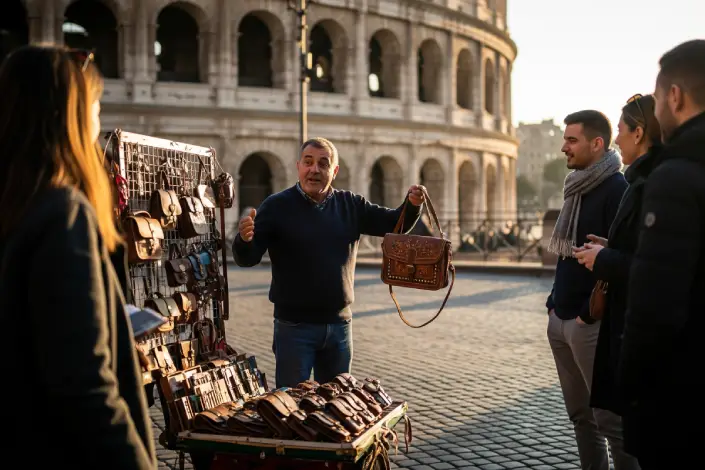
- **Bracelet & Rose Sellers:** Near major attractions (Colosseum, Spanish Steps), individuals might try to tie a “friendship bracelet” on your wrist or hand you a rose, then demand money. Firmly say “No” and keep walking. Do not let them put anything on you.
- **Fake Gladiators/Roman Centurions:** Outside the Colosseum, these individuals will pose for photos, then demand exorbitant fees, sometimes aggressively. Clarify the price *before* taking a photo, or avoid them altogether.
- **Overpriced Taxis/Fake Taxis:** At airports or train stations, use only official white metered taxis from designated stands. Do not accept rides from touts.
- **Restaurant Bill Scams:** Always check your bill carefully, especially for “cover charges” (coperto) or unrequested items. Some places might add extra items or charge more for sitting outside (“servizio al tavolo”).
- **Beggars:** While generally harmless, be aware that some may be part of organized groups. It’s best to politely decline engagement.
Areas Where Caution is Advised (mainly due to pickpockets and crowds):
- **Termini Train Station:** Especially inside and around the station, including the buses directly outside. High pickpocket activity.
- **Colosseum/Roman Forum Area:** Very crowded, a prime target for pickpockets and aggressive street vendors/scammers.
- **Vatican City / St. Peter’s Square:** Extremely crowded, especially during papal events. High risk of pickpocketing.
- **Trevi Fountain & Spanish Steps:** Constantly packed with tourists; pickpockets thrive here.
- **Buses #64 and #40:** These popular tourist bus routes are notorious for pickpockets. Be extra vigilant.
- **Crowded Metro Lines:** Especially during rush hour.
General Safety Advice:
- **Secure Your Belongings:**
- Use a cross-body bag worn in front, or an anti-theft backpack.
- Never put wallets in back pockets.
- Keep phones out of sight unless actively using them.
- Be especially careful when reaching into your bag.
- **Be Aware of Surroundings:** Avoid walking with headphones in or being constantly glued to your phone in crowded areas.
- **Copies of Documents:** Keep digital and physical copies of your passport, visa, and important numbers separate from the originals.
- **Emergency Numbers:** 112 (European emergency number – police, ambulance, fire).
- **Trust Your Gut:** If a situation feels off, remove yourself from it.
- **Night Safety:** Stick to well-lit, busy streets. If taking a taxi, use official white ones with meters, or ride-hailing apps (like Free Now or Uber Black, where available).
- **Dress Down:** Avoid flashy jewelry or overt displays of wealth. Blend in.
5. Tips for a Positive Roman Experience
Beyond budgeting and safety, these insights will help you truly connect with the Eternal City and make your trip unforgettable.
- **Wear Comfortable Shoes:** Rome is built on seven hills, and you’ll do a lot of walking on cobblestones.
- **Learn Basic Italian Phrases:** “Ciao,” “Grazie,” “Per favore,” “Scusi,” “Buongiorno” go a very long way. Italians appreciate the effort.
- **Embrace the “Dolce Vita”:** Don’t rush! Sit at a piazza, enjoy a long meal, people-watch. Rome’s charm is in its atmosphere.
- **Explore Beyond the Big Sights:** While the Colosseum and Vatican are must-sees, venture into neighborhoods like Trastevere, Monti, or Testaccio for a more local feel.
- **Utilize Free Attractions:** Many churches (like Pantheon, St. Peter’s Basilica – security check but no entry fee) are free and offer incredible art and history. Stroll through Villa Borghese gardens, walk along the Tiber.
- **Pre-book Popular Attractions:** Even if you’re on a budget, pre-booking tickets for places like the Colosseum/Roman Forum and Vatican Museums saves immense time standing in lines, which can be hours long in July.
- **Stay Hydrated:** Roman summers are hot. Use the “nasoni” (public drinking fountains) to refill your water bottle.
- **Understand Meal Times:** Italians eat dinner later (typically 7:30 PM onwards). Many restaurants might be closed between lunch and dinner.
- **Check for Closures/Holidays:** Many museums and businesses close on Mondays. Be aware of national holidays.
6. Rome Travel FAQs (July 2025)
Is Rome safe for solo female travelers in 2025?
Generally, yes. Rome is safe for solo female travelers, but vigilance against petty theft is crucial, especially in crowded areas and on public transport. Avoid walking alone in poorly lit or deserted areas late at night.
What’s the best time to visit Rome on a budget?
The best budget times are usually the shoulder seasons: **late March-April** (avoiding Easter) and **late September-October**. The weather is pleasant, and crowds are manageable. Winter (November-February, excluding Christmas/New Year’s) can offer very low prices and fewer tourists, but it’s cold.
Can I use credit cards everywhere in Rome?
Major credit cards (Visa, Mastercard) are widely accepted in most hotels, larger restaurants, and shops. However, it’s essential to carry some cash (€20-€50) for smaller purchases at bars, local markets, small shops, and for public transport tickets from machines.
Is English widely spoken in Rome?
In major tourist areas, hotels, and larger shops, you’ll find many English speakers. However, outside these areas, and particularly with older generations, English proficiency can be limited. Knowing basic Italian phrases will be very helpful and appreciated.
Are there free attractions in Rome?
Yes, many! Walking through the city itself is like an open-air museum. Enjoy the Pantheon, St. Peter’s Basilica, Trevi Fountain, Spanish Steps, Piazza Navona, and many other beautiful churches and piazzas for free. The Imperial Fora are visible from the street, and many parks offer free entry. Some state museums are free on the first Sunday of the month.
What is the best way to get from Fiumicino Airport (FCO) to central Rome on a budget?
The **Leonardo Express train** to Termini Station (€14) is fast (32 min) and direct. For a slightly cheaper option, regional FL1 trains (€8) go to other stations (Trastevere, Ostiense, Tiburtina) and require a transfer, or use one of the several **airport bus services** (e.g., Terravision, SIT Bus Shuttle) which cost around €6-€8 and also go to Termini.
Should I tip in Rome?
Tipping is not mandatory in Italy as a service charge (servizio) is often included, or a cover charge (coperto) is applied. For good service, rounding up the bill or leaving a few euros (€2-€5) for exceptional service at a sit-down restaurant is a nice gesture but not expected. For bars/cafes, a small coin is sometimes left.
Your Roman Adventure Awaits!
Rome is a city that touches the soul, blending millennia of history with a vibrant modern rhythm. With these practical tips, you’re ready to explore its wonders, savor its flavors, and create unforgettable memories, all while keeping your budget in check.
Start Planning Your Rome Trip