Panama City Essentials: From Casco Viejo to the Canal
Panama City is a dynamic hub where North and South America meet, a vibrant metropolis defined by its futuristic skyscrapers, the colonial charm of **Casco Viejo**, and the engineering marvel of the **Panama Canal**. It's the most modern capital in Central America, offering a sophisticated blend of history and commerce. This 2025 guide provides the essential lowdown for budget travelers, detailing affordable lodging, cheap eats (especially local *fondas*), efficient and safe public transport, and crucial safety advice to navigate the city's contrasts seamlessly.
The Crossroads of the World
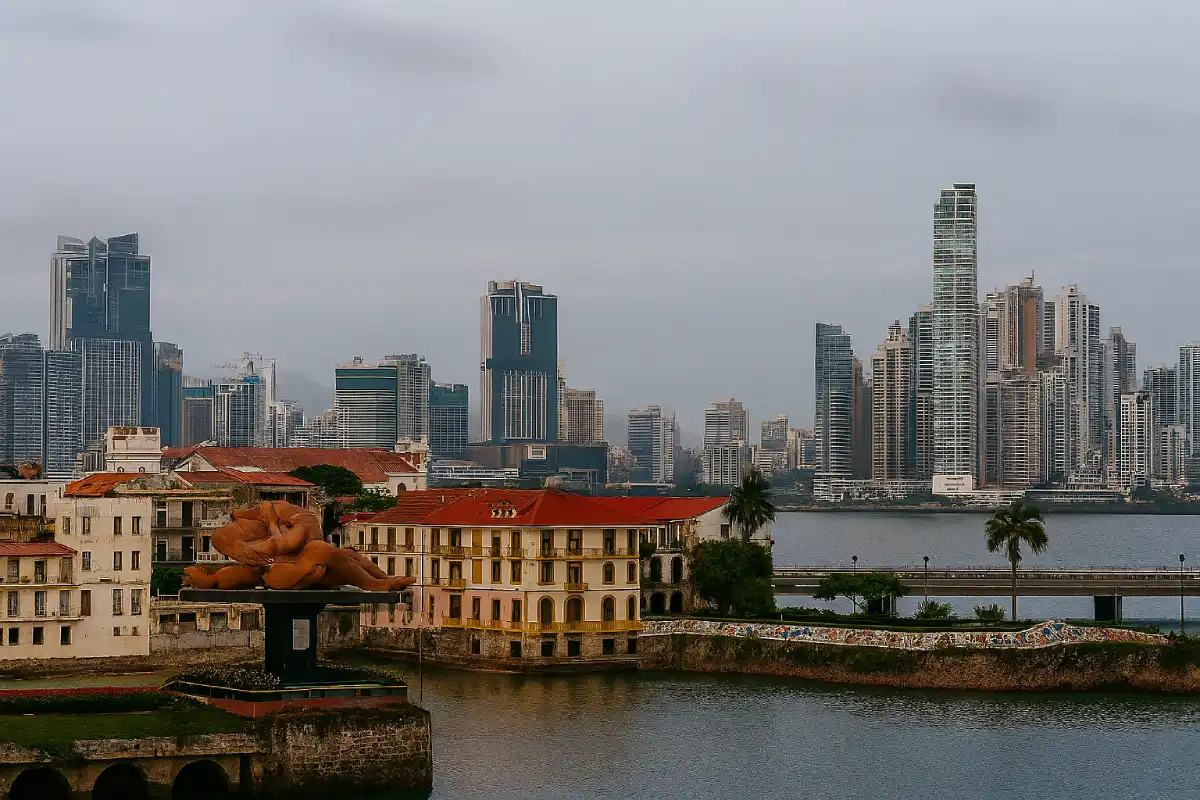
Panama City is truly a city of contrasts. The pristine, walled streets of Casco Viejo (the UNESCO World Heritage Site) stand moments away from gleaming high-rises and the bustling financial district. No trip is complete without witnessing the colossal ships passing through the Canal. While Panama City can be expensive, the excellent infrastructure and ubiquitous use of the US Dollar make it a straightforward destination for budget travelers armed with local knowledge.
Panama City’s Essential Sights
Iconic Experiences:
- Panama Canal (Miraflores Locks): Visit the viewing deck to watch massive ships traverse the locks. Take the affordable public bus to the Visitor Center.
- Casco Viejo: Spend hours wandering the cobblestone streets, admiring colonial architecture, and stopping for cheap street coffee.
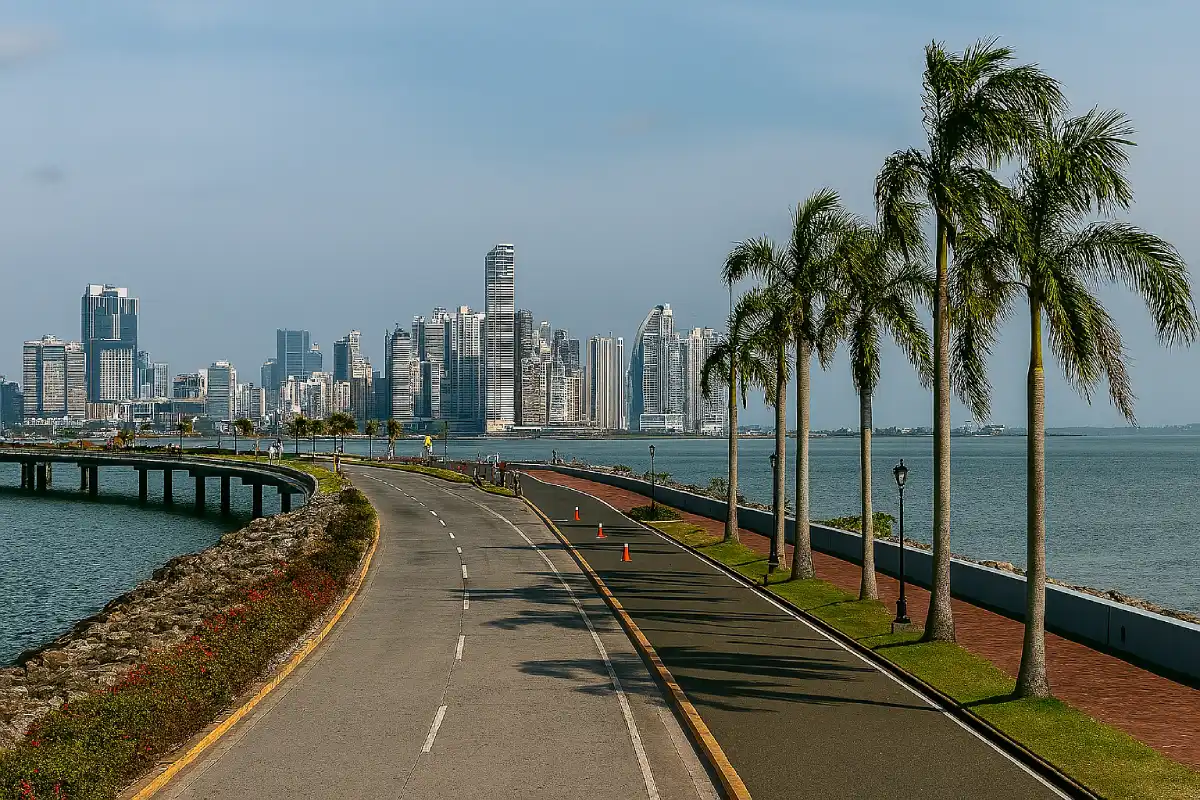
- Cinta Costera: Walk, jog, or bike the long, oceanfront parkway connecting the modern city to Casco Viejo (safest during the day).
- Amador Causeway: A scenic drive or bike ride built with Canal excavation rock, offering fantastic views of the city skyline and the Bridge of the Americas.
Budget-Friendly Tip: Entrance to the **Miraflores Locks Visitor Center** costs around $20 USD, but the experience is essential and well worth the splurge. The best time to visit is early morning or mid-afternoon for guaranteed ship traffic.
1. The Cost of a Bed: Budget-Friendly Accommodation
Accommodation in Panama City is generally higher priced than in neighboring Central American countries. Hostels are concentrated in areas popular with tourists, where safety and convenience often add a premium to the cost.
Hostel & Budget Accommodation Prices by Area (Average per night for a dorm bed, October 2025)
| Area | Description | Average Price (USD/night) | Pros for Budget Travelers |
|---|---|---|---|
| Casco Viejo | Historic center, best atmosphere, highest security and nightlife. | $18 – $30 | Best location and atmosphere, but premium pricing. |
| El Cangrejo / Bella Vista | Mid-range residential/tourist area, great metro access, decent nightlife. | $15 – $25 | Good value, central location, easy transit to all areas. |
| Via España / Calidonia | Cheaper, more functional/local area, near main transport lines. | $12 – $20 | Lowest prices, but less walkability and charm. |
Note: Prices are estimated for a standard dorm bed. Panama uses the US Dollar (USD) as its official currency, alongside the Panamanian Balboa (PAB), which is pegged 1:1.
Tips for Saving on Accommodation:
- Choose El Cangrejo: This neighborhood offers a great balance of affordability, safety, and excellent access to the Metro system for exploring cheaply.
- Book Early: Panama City is a business and transit hub; high demand keeps prices firm. Book hostels weeks in advance, especially during the dry season (Jan-Apr).
2. Eating on a Dime: Panama’s Budget Food Scene
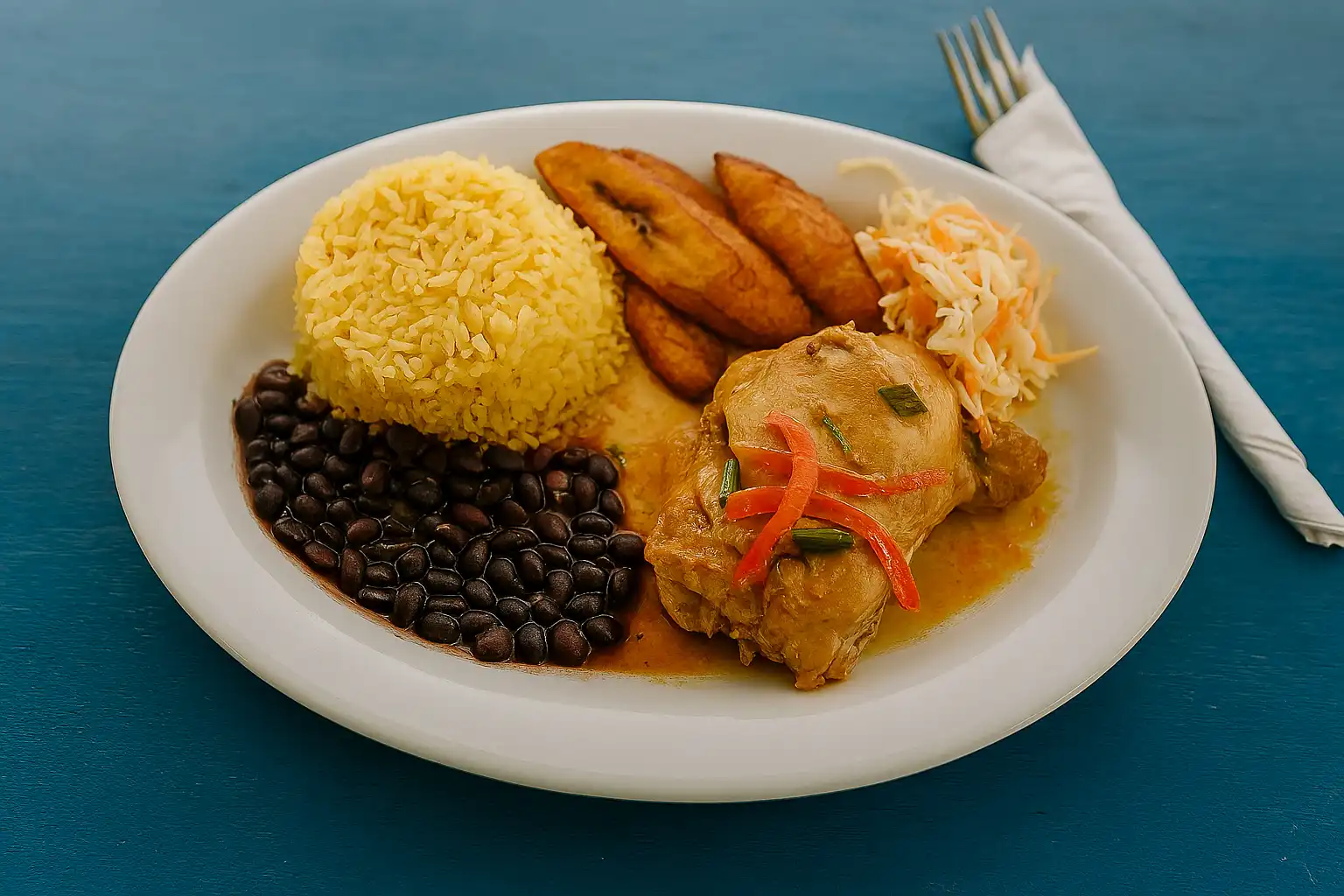
To eat affordably in Panama, you must seek out **fondas**. These small, often family-run local eateries serve delicious, hearty Panamanian staples at fantastic prices, usually offering a set lunch menu.
Estimated Budget Food Costs (October 2025):
- Comida Corriente (*Fonda* Lunch): $4.00 – $7.00 USD. A set meal including a portion of rice, meat (chicken/beef), and a side.
- Street Food (Empanadas/Hojaldre): $0.50 – $1.50 USD. Great for quick, cheap snacks and breakfast.
- Dinner (Inexpensive Restaurant): $8.00 – $15.00 USD for a main dish in a local restaurant outside the Casco Viejo center.
- Daily Budget for Food: $25 – $40 USD is comfortable for budget travelers relying on *fondas* for lunch and simple meals elsewhere.
Budget Eating Tips:
- Find the Fondas: These are your best friend. Look for signs advertising *Menú del Día* or *Comida Corriente*. They offer huge portions for minimal cost.
- Mercado de Mariscos: While the restaurants here can be expensive, the small, informal seafood stalls outside the main building offer fresh ceviche for as little as $3-$5 USD.
- Avoid Tourist Traps: Restaurants directly on the main squares of Casco Viejo have significantly inflated prices. Walk a block or two away.
3. Getting Around: The Cost of Public Transit
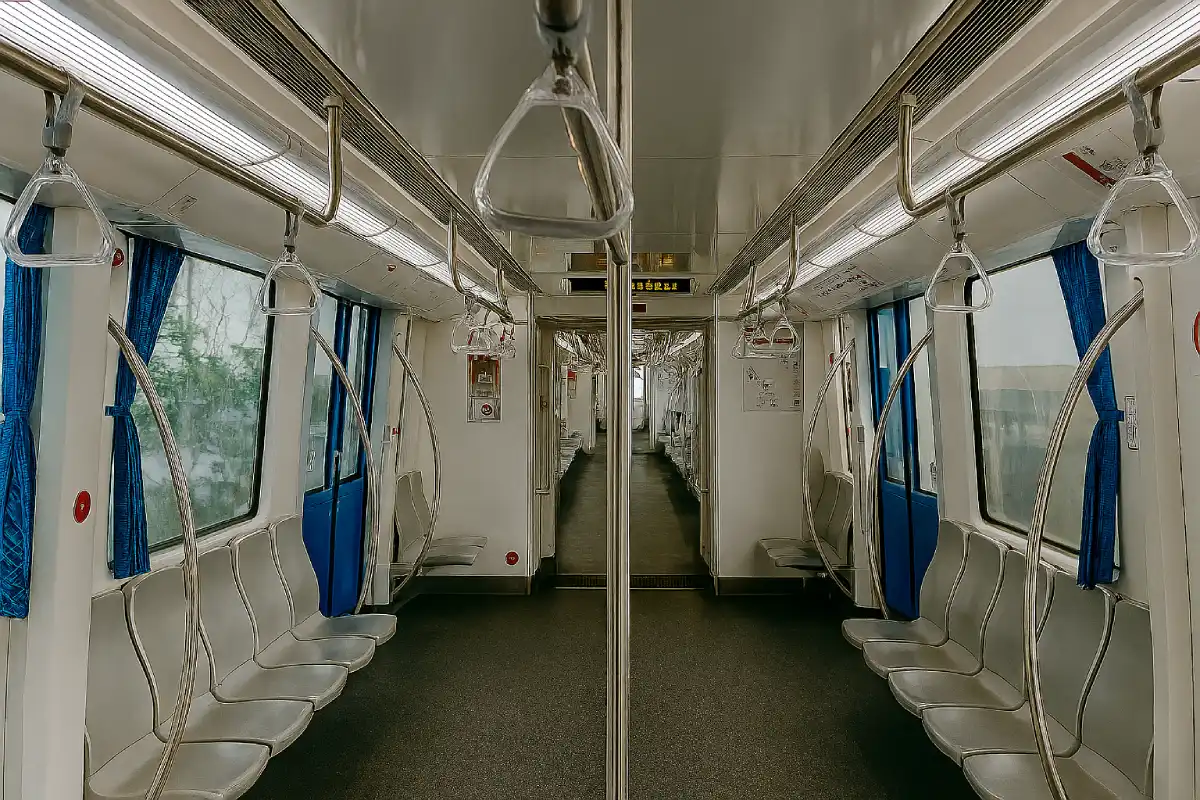
Panama City boasts the only Metro system in Central America, which, along with the Metrobus, makes in-city travel highly efficient and extremely cheap. Using public transport is the easiest way to save money here.
Fares (As of October 2025, estimated):
- Single Metro/Metrobus Ride: **$0.35 USD**. Requires a rechargeable **Metro card**.
- Metro Card Purchase: Approximately $2.00 USD (one-time fee). Load it up immediately.
- Airport Transfer (Tocumen Int. Airport): The cheapest way is the Metrobus to the Albrook terminal (approx. $1.25 USD, requires Metro card).
- Taxis/Ride-Sharing: Essential for night travel. **Uber** or **Cabify** are recommended for safety and fixed pricing (e.g., Casco Viejo to El Cangrejo $4-$7 USD).
Tips for Transportation:
- Get the Metro Card Immediately: It is mandatory for both the Metro and Metrobus and saves you significant cash compared to taxis.
- Know the Metro: It is clean, safe, and air-conditioned. Use it to get close to all major sights, including Albrook Terminal (for the Canal bus).
4. Staying Safe: Dangers, Scams, and Areas to Avoid
While the modern and historic centers of Panama City are well-policed, the proximity of high-risk neighborhoods means vigilance is crucial, particularly regarding boundaries and transportation.
Common Tourist Scams & Dangers:
- Snatch-and-Grab: High risk, especially in Casco Viejo and crowded bus stations. Cell phones are the primary target. **Never walk with your phone out or visible.**
- Unlicensed Taxis & Express Kidnapping: **Never hail a street taxi.** While rare, there have been incidents of tourists being driven to ATMs and forced to withdraw cash (express kidnapping). **Use Uber/Cabify exclusively.**
- Pickpocketing: Be wary in crowded areas, especially the main bus terminals and during rush hour on the Metrobus.
Areas to Be Cautious Of:
- **The Border of Casco Viejo:** Casco Viejo is separated from the extremely dangerous neighborhood of **Chorrillo** by only a few blocks. **Do NOT walk out of Casco Viejo, especially towards the West.** Use a taxi/Uber even for short distances near the border.
- **El Marañón and San Miguelito:** These are high-crime, non-touristy areas and should be avoided entirely by visitors.
- **Night Travel:** Use ride-sharing apps for all travel after dark, even short distances between Casco Viejo and Bella Vista.
5. Ensuring a Positive & Unforgettable Panama Trip
Embrace the fusion of cultures, enjoy the tropical climate, and rely on the excellent infrastructure to make your trip memorable.
- **Hydrate Constantly:** Panama City is hot and extremely humid year-round. Carry a refillable water bottle.
- **Use the US Dollar:** Having the USD as the primary currency simplifies transactions greatly, but ensure you carry small bills ($1, $5) for small vendors and bus fare purchases.
- **Walk the Cinta Costera Safely:** This beautiful boardwalk is safe during the day and early evening (until around 8 PM) but exercise caution near connecting areas after dark.
- **Learn Basic Spanish:** While English is common in tourist hotels and the financial district, most local interactions (buses, fondas) require basic Spanish.
6. Panama City Travel FAQs (October 2025)
What currency should I use in Panama City?
The **US Dollar (USD)** is the official currency. You will encounter Panamanian coins (Balboas), which are used alongside US coins (pennies, quarters) at a 1:1 ratio.
Is the tap water safe to drink in Panama City?
Yes, the tap water in Panama City is generally considered safe to drink and is often chlorinated and purified. However, travelers with sensitive stomachs may opt for bottled water.
What is the cheapest way to see the Panama Canal?
Take the Metro to the Albrook Terminal, then catch a cheap local bus (marked “Miraflores”) directly to the Miraflores Locks Visitor Center. Pay the $20 USD entry fee and enjoy the museum and viewing deck.
Should I stay in Casco Viejo or the modern center?
For atmosphere, nightlife, and culture, Casco Viejo is better. For value and access to the Metro/financial districts, El Cangrejo is a great budget base.
Are PAB and USD interchangeable?
For coins, yes. Panamanian Balboa coins are used alongside US coins. Panama does not issue paper currency; all paper bills are US Dollars.
Experience the Crossroads of the World!
From the historic colonial streets to the sight of giant vessels navigating the Canal, Panama City is a rewarding and unique adventure. With these essentials, you’re ready to explore!
Plan Your Panama Adventure