Nature Journaling a Creative Way to Connect with the Outdoors
In our hyper-digital world, the act of sitting quietly with a piece of paper and a pencil has become a radical form of self-care. Nature journaling is not just about making pretty pictures; it is a tool for deep observation, a bridge between scientific inquiry and artistic expression. In 2026, as "slow travel" and mindfulness become mainstream, journaling has emerged as the ultimate way to truly *see* the landscapes we visit. Whether you are in your backyard or a remote national park, a nature journal helps you document the subtle shifts in the seasons, the behavior of local wildlife, and your own internal reflections. We’ve gathered insights from the Wild Wonder Foundation, environmental educators, and dedicated hobbyists on Instagram’s #NatureJournaling community to show you how to start.
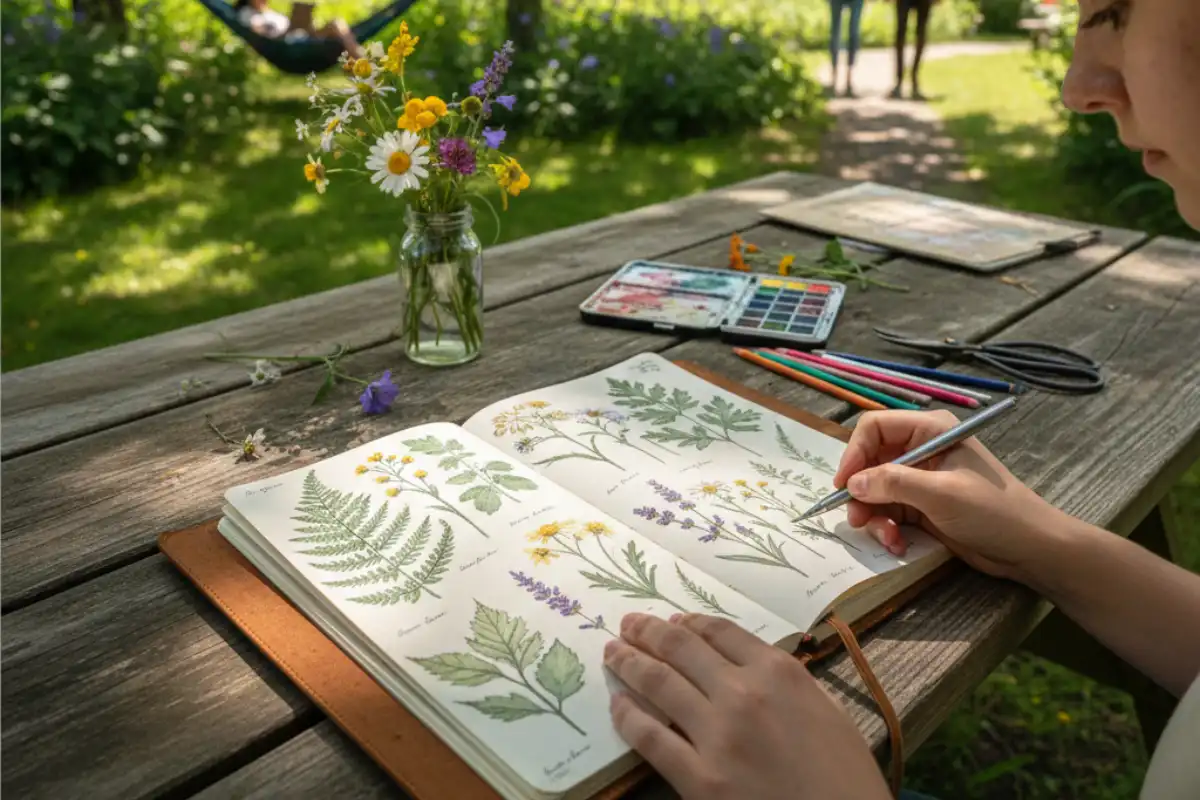
1. The Philosophy: “I Notice, I Wonder, It Reminds Me Of”
Expert nature journalers like John Muir Laws advocate for a simple three-step prompt to overcome “blank page syndrome.” This method transforms a simple walk into a detective story.
- I Notice: Write down objective observations. “The leaf has five points,” or “The bird has a yellow patch under its wing.”
- I Wonder: Ask questions. “Why are these flowers blooming later than the ones in the valley?” This fuels curiosity.
- It Reminds Me Of: Make personal connections. “The texture of this bark reminds me of an old topographical map.”
“I used to think I couldn’t nature journal because I wasn’t an ‘artist.’ Then I realized the journal is a place for my brain to park its curiosities, not a gallery. Once I stopped trying to be perfect, I started seeing details in my garden I’d missed for ten years.” — Member of a popular outdoor enthusiast forum.
2. Building Your Field Toolkit
The best kit is the one you actually carry. For 2026, the trend is toward ultralight and waterproof gear that can handle the elements.
Essential Nature Journaling Gear:
- Mixed Media Paper: Choose a sketchbook that can handle both ink and light watercolor washes (at least 140gsm).
- Water Brushes: These self-contained brushes eliminate the need for a separate water jar—perfect for hiking.
- Waterproof Fineliners: Ensure your ink won’t smear if it rains or if you add color later.
- A Small Ruler: Adding measurements to your sketches adds a scientific “field note” feel to the page.
3. Beyond Drawing: Multi-Sensory Journaling
A nature journal doesn’t have to be 100% sketches. Some of the most compelling entries use a variety of media to capture the essence of a place.
- Data Tracking: Record the temperature, wind direction, and time of day. This turns your journal into a valuable historical record of a specific ecosystem.
- Sound Maps: Close your eyes and mark your position in the center of the page. Use symbols to represent sounds (a zigzag for a cricket, a wavy line for the wind) in the direction you hear them.
- Pressed Specimens: Where legal and ethical, taping a fallen leaf or a bit of lichen into your book provides a tactile connection to the day.
Nature Journaling: Common Questions Answered
What if I can’t draw well?
Nature journaling is about observation, not art. You can use diagrams with labels, “stick figure” animals, or even just written descriptions. The goal is to record information that helps you remember the experience vividly.
Is it better to journal in the field or at home?
Doing it “in the field” captures the raw energy and immediate details. However, many journalers take photos and quick notes outside, then do the “finishing touches” or color work at home with a cup of tea. Both are valid!
How do I journal ethically?
Follow ‘Leave No Trace’ principles. Never pick rare flowers, disturb nesting birds, or remove items from protected National Parks. Sketching something allows you to “take it with you” without removing it from its home.
What are the mental health benefits?
Studies show that nature journaling lowers cortisol levels, improves memory retention, and fosters a sense of gratitude. It forces you into a “flow state” where the distractions of modern life fade away.
Can children participate in nature journaling?
Absolutely! It is one of the best ways to build “nature literacy” in kids. Give them a dedicated book and a magnifying glass. Focus on their “I Wonders” rather than the quality of their drawings.
Conclusion: A Lifelong Conversation with Earth 🌿
Nature journaling is a practice that grows with you. Over time, your journals become a tapestry of your life’s journeys a quiet, ink-stained testimony to the beauty you’ve witnessed. It’s not about the end result; it’s about the person you become while you’re paying attention. Grab a pen, step outside, and start the conversation.