Montevideo’s Historic Center: Architecture, Markets, and Music
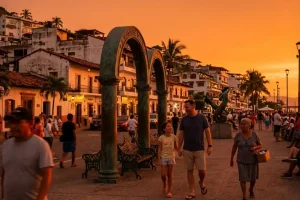
Montevideo, the relaxed and cultured capital of Uruguay, centers much of its charm around the **Ciudad Vieja** (Historic Center). This area, defined by grand architecture and the famous **Mercado del Puerto**, is also the birthplace of **Candombe**, the city’s powerful Afro-Uruguayan rhythm. While Uruguay is one of the pricier destinations in South America, savvy budget planning makes it accessible. This 2025 guide provides essential advice for budget travelers, covering affordable lodging, cheap transport, strategies for dining economically, and critical safety tips for enjoying Montevideo’s unique blend of culture and architecture.

The Quiet Charm of the Río de la Plata
Montevideo feels distinct from its massive neighbors (Buenos Aires, Rio de Janeiro); it’s quieter, cleaner, and possesses a unique European atmosphere mixed with Uruguayan laid-back culture. The city is best explored on foot, especially the *Ciudad Vieja* and the adjacent *Rambla* (coastal promenade). Budget travel here requires careful planning, mainly due to high food and alcohol costs, but the rich cultural experiences especially the historic architecture and the infectious rhythms of Candombe are priceless.
Montevideo’s Essential Sights for Culture and Budget
Iconic Experiences:
- Mercado del Puerto: Visit this historic market hall. While the main *parrilla* (grill) restaurants are pricey, the atmosphere and architecture are worth the visit. Grab a cheap *Medio y Medio* (wine spritzer).
- Candombe Rhythms: Head to the streets of **Barrio Sur or Palermo** on Sunday evenings to witness the drumming processions a UNESCO-recognized cultural expression. This is free and highly authentic.
- Walk the Rambla: Join locals for a walk or bike ride along the 22km coastal promenade, offering excellent ocean views and free entertainment.
- Plaza Independencia: See the convergence of the historic gate, the modern Palacio Salvo, and the statue of national hero José Artigas.
Budget-Friendly Tip: Plan to visit the **Mercado del Puerto** mid-morning and bring your own picnic to enjoy by the water, skipping the high-cost restaurants inside.
1. The Cost of a Bed: Budget-Friendly Accommodation
Uruguay’s cost of living is notably high, impacting hostel prices. Safety and walkability are key factors determining prices. The best areas for budget travelers offer a mix of good access and security, though expect prices to be higher than in Bolivia or Peru.
Hostel & Budget Accommodation Prices by Area (Average per night for a dorm bed, October 2025)
| Area | Description | Average Price (USD/night) | Pros for Budget Travelers |
|---|---|---|---|
| Ciudad Vieja (Historic) | Best for sightseeing and architecture; close to the port and markets. | $18 – $30 | Central location, easy access to cheap lunch spots; deserted at night. |
| Centro (Functional) | More residential and commercial; good transport links; quieter vibe. | $15 – $25 | Better value for money; easier access to city buses. |
| Pocitos / Punta Carretas | Modern, safe, coastal areas; near beaches and shopping. | $20 – $35 | Highest safety and comfort; furthest from historic sights. |
Note: Prices are estimated for a standard dorm bed. Uruguay’s currency is the Uruguayan Peso (UYU).
Tips for Saving on Accommodation:
- **Stay in Centro:** This area provides better pricing and reliable access to bus lines (especially near Avenida 18 de Julio), keeping transport costs down.
- **Self-Catering:** Choose a hostel with good kitchen facilities. Cooking your own meals is the most effective way to combat Uruguay’s high food prices.
2. Eating on a Dime: Montevideo’s Budget Food Scene
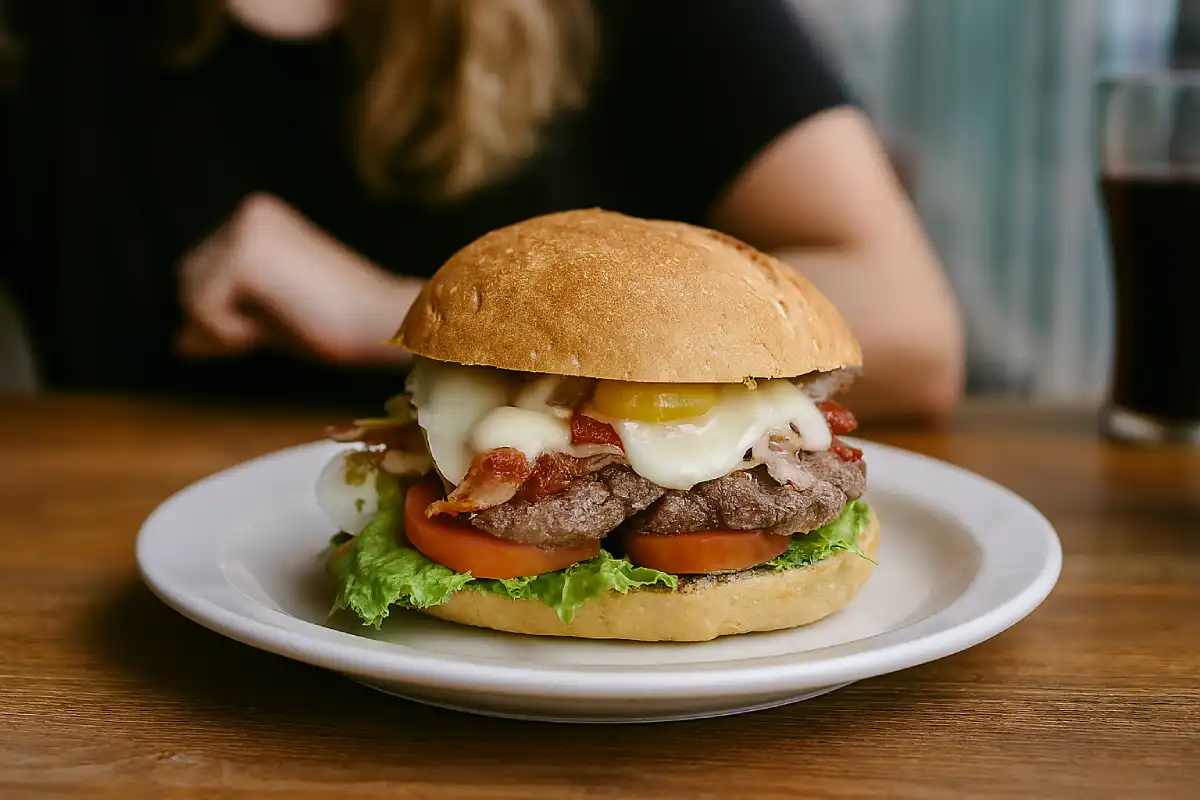
Uruguayan food is dominated by beef and *parrilla* (grill). While this is delicious, it’s expensive. Budget travelers must seek out local **chivito** stands and use supermarkets to their advantage.
Estimated Budget Food Costs (October 2025):
- Almuerzo (Set Lunch): 350 – 550 UYU ($8.75 – $13.75 USD). Available at *restaurants* in Centro, but less common/cheap than in neighboring countries.
- Street Food (*Chivito* / Empanada): 200 – 400 UYU ($5.00 – $10.00 USD). A *chivito* (giant steak sandwich) is a filling, if pricey, budget meal.
- Dinner (Inexpensive): 600 – 1,000 UYU ($15.00 – $25.00 USD). Uruguay’s high meat prices make budget dinner difficult. Focus on cheap pizza or self-catering.
- Daily Budget for Food: 1,200 – 2,000 UYU ($30 – $50 USD). Be prepared for higher daily food costs than elsewhere in South America.
Budget Eating Tips:
- **Self-Cater:** Buy high-quality local produce and meat at supermarkets to cook at your hostel. This is the biggest money-saver.
- **Avoid Mercado del Puerto Restaurants:** They are expensive tourist traps. Visit for the atmosphere and buy food elsewhere.
- **Buy Cheap Wine/Beer:** Unlike food, Uruguay offers inexpensive, good quality local beer and wine in supermarkets.
3. Getting Around: The Cost of Public Transit
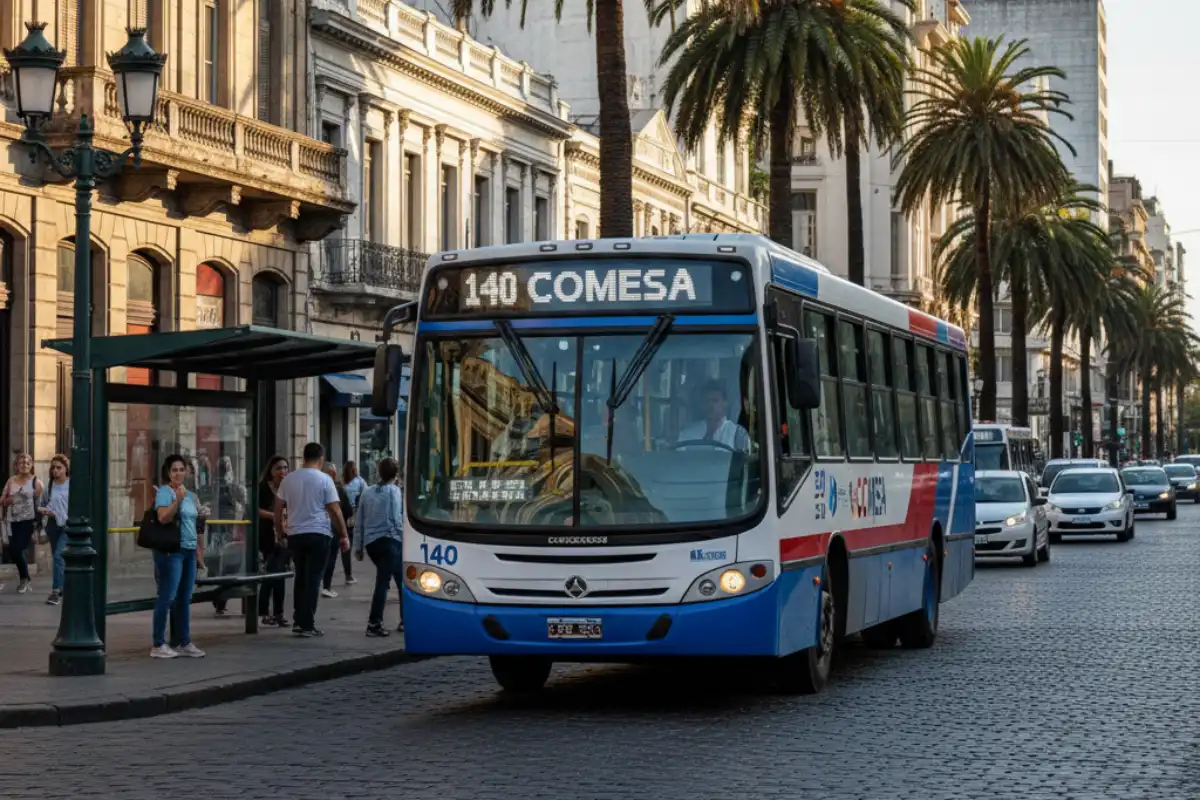
Montevideo has an excellent, extensive, and reliable public bus system that covers the entire city and coastline, making it the most cost-effective way to get around.
Fares (As of October 2025, estimated):
- Single Bus Ride (Common Fare): Approximately **50 UYU** ($1.25 USD). The price is fixed for a 1-hour time window.
- STM Card: Highly recommended. Purchasing and loading the **STM card** (Tarjeta STM) at main stations/kiosks provides a slight discount and makes boarding quicker. You can often pay with cash directly to the driver, but the STM card is easiest.
- Taxis/Ride-Sharing: Essential at night. **Uber and Cabify** are reliable and safe options. A short ride usually costs 150 – 300 UYU.
Tips for Transportation:
- **Use the Bus System:** The bus system is logical and covers everything from the Ciudad Vieja to the far reaches of the Rambla and beaches. Google Maps is excellent for tracking routes.
- **Night Safety:** After dark, especially in and out of Ciudad Vieja, use an app-based ride service instead of walking, even for moderate distances.
4. Staying Safe: Dangers, Scams, and Areas to Avoid
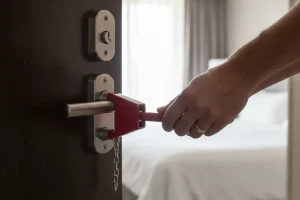
Montevideo is generally quite safe during the day, especially in Pocitos and Punta Carretas. However, its safety dramatically declines in the historic zones after business hours.
Common Tourist Scams & Dangers:
- **Mugging & Snatch-and-Grab:** The primary risk. In Ciudad Vieja, thieves target phones and small bags, especially in deserted areas. **Never walk with your phone out.**
- **Ciudad Vieja After Hours:** After 6 PM on weekdays and especially after lunch on weekends, the area becomes completely deserted as businesses close. This makes it a high-risk area for mugging. **Take a taxi/Uber out.**
- **Pickpocketing:** Common in crowded areas like the Tres Cruces bus terminal and the popular parts of the Mercado del Puerto.
Areas to Be Cautious Of:
- **Ciudad Vieja (Night):** As noted, the area is safe during the day but risky at night. Treat it like a large museum that closes at sunset.
- **Tres Cruces Bus Terminal:** Exercise extra vigilance here, especially when waiting for buses or carrying luggage.
- **”El Bajo” (The Lowlands):** Some areas immediately outside the Ciudad Vieja (towards the port) can be problematic. Stick to the main, well-lit thoroughfares.
5. Ensuring a Positive & Unforgettable Montevideo Trip
Embrace the unique Uruguayan culture the slow pace, the *mate* ritual, and the Candombe drumming to ensure a rewarding visit.
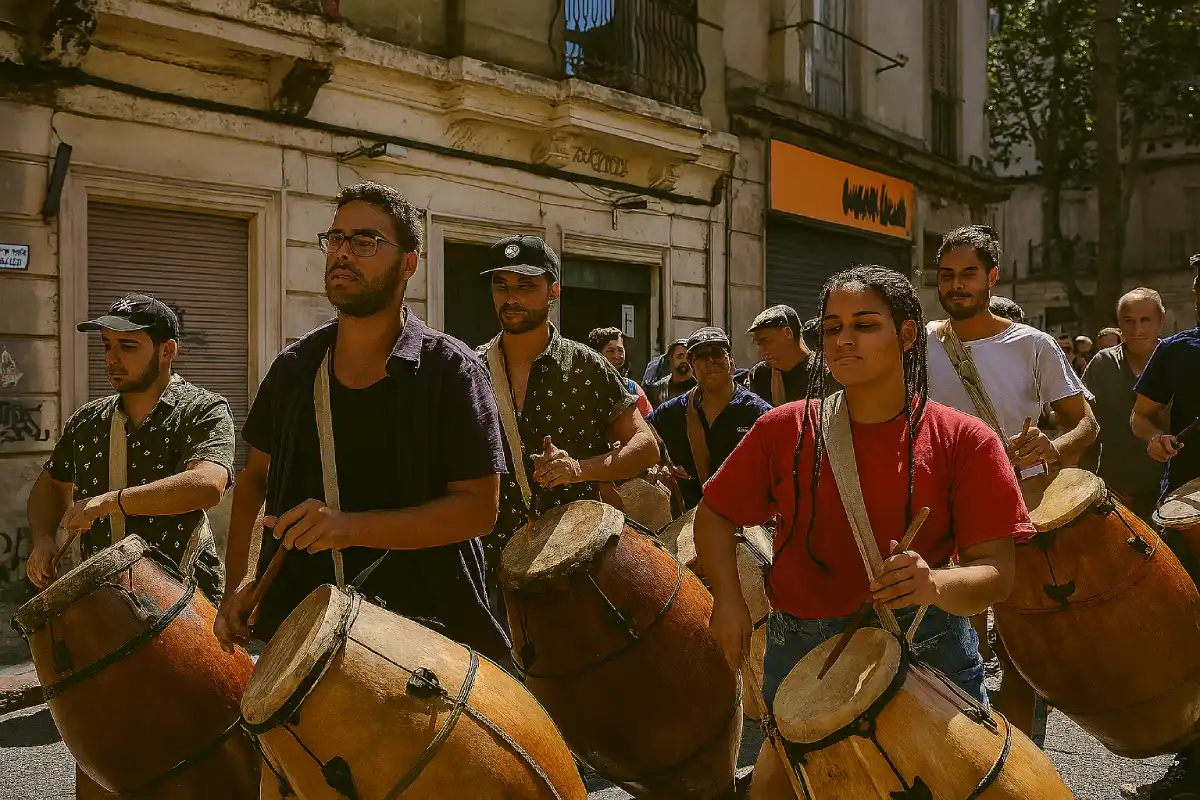
- **Witness Candombe:** Make sure your trip includes a Sunday. Head to the Barrio Sur or Palermo districts around 5 PM to see the spontaneous drumming parades—it’s a powerful cultural highlight.
- **Embrace the *Mate*:** Locals constantly carry their thermos and *mate* gourd. It’s a social ritual. While you don’t have to drink it, respect the tradition.
- **Change Money Wisely:** Exchange rates can be volatile. Change money only at official *casas de cambio* (exchange houses) and avoid airport exchanges.
- **Tap Water is Safe:** Unlike many South American cities, **Montevideo’s tap water is safe to drink** (though quality can vary slightly).
6. Montevideo Travel FAQs (October 2025)
What currency should I use in Montevideo?
The **Uruguayan Peso (UYU)** is the official currency. While some large hotels may accept USD, all daily transactions should be conducted in Pesos.
Is it safe to walk around Ciudad Vieja at night?
No. Ciudad Vieja is generally **not safe to walk at night** due to it becoming deserted. Use Uber, Cabify, or a radio taxi for all trips in and out of the historic center after 7 PM.
What is the most cost-effective way to eat?
Self-catering (buying ingredients from the supermarket and cooking at your hostel) is the biggest budget saver, as Uruguayan restaurants are expensive compared to other countries in the region.
Where can I see Candombe drumming?
The best places are the Palermo and Barrio Sur neighborhoods, particularly on **Sunday afternoons/evenings**. The drumming troupes gather and parade through the streets.
Is Montevideo expensive for a backpacker?
Relative to its neighbors (Argentina, Brazil), yes, Montevideo is more expensive. Expect hostel costs to be moderate and food costs to be high.
Discover Uruguay’s Quiet Charm!
Montevideo awaits with its historic plazas, delicious *chivitos*, and the hypnotic sounds of Candombe. Plan your budget carefully and enjoy one of South America’s most unique capitals!
Plan Your Uruguay Backpacking Route