Maximize Your Personal Item: Unlock Hidden Space in Your Backpack or Tote for Fee-Free Travel
In today's travel landscape, where airline baggage fees seem to pop up at every turn, mastering the art of the personal item has become a superpower. That small backpack, tote bag, or laptop bag you can bring on board for free isn't just for your essentials; it's a hidden compartment of potential packing space. Unlock its full capabilities, and you can significantly reduce or even eliminate checked bag fees, making your travels cheaper and more efficient.
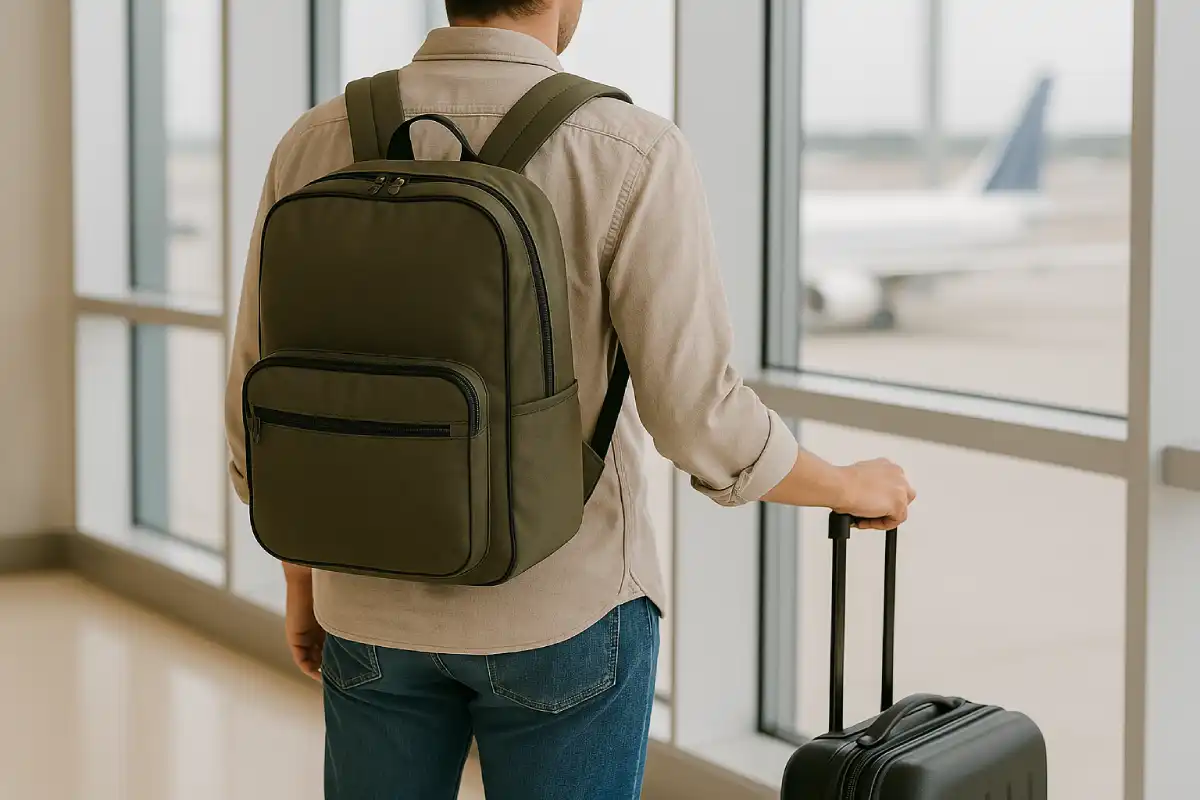
This guide will show you how to maximize your personal item, transforming it from a mere accessory into a strategic packing tool. Let’s dive into the expert strategies that seasoned travelers use to fit more without paying more.
Understanding Personal Item Rules: Know Before You Go
Before you start packing, it’s crucial to understand what a personal item truly is, according to airlines. Unlike a carry-on (which goes in the overhead bin), a personal item must fit under the seat in front of you. Dimensions vary slightly by airline, but generally, they fall around:
- Common Size Range: 18 x 14 x 8 inches (45 x 35 x 20 cm) or similar.
- Typical Items: Small backpacks, laptop bags, briefcases, large purses, or tote bags.
Expert Traveler Insight: Lisa, Budget Travel Hacker
“My cardinal rule? Always check the exact personal item dimensions for the specific airline I’m flying. Low-cost carriers like Ryanair or Spirit are notoriously strict. I even have a soft-sided backpack that I know fits their smallest allowance, so I never get caught off guard with an unexpected fee at the gate. A little research saves big money!”
Key takeaway: Soft-sided bags are often more forgiving than rigid ones, as they can be squished to fit the sizer if needed.
Strategic Packing Techniques for Your Personal Item
It’s not just about what you pack, but how. These techniques will help you utilize every cubic inch:
1. The “Heavy Items First” Rule 🏋️
Start with your densest and heaviest items. This keeps the bag’s weight balanced and often helps compress other items around them.
- What to Pack: Electronics (laptop, tablet, e-reader), camera gear, books, travel-sized liquids.
- How: Place these items at the bottom or against the back panel (if it’s a backpack) for stability.
2. The Art of Rolling (Still King!) 👕
Just like with your main carry-on, rolling clothes is paramount for your personal item. It creates compact, dense cylinders that fill space efficiently and minimize wrinkles.
- What to Pack: Change of underwear, a spare t-shirt, a swimsuit, light pajamas essentials for an overnight stay or in case your main luggage is delayed.
- How: Roll them tightly and use them to fill small gaps around your heavier items.
Experienced Traveler Insight: Alex, Minimalist Traveler
“Even for just a weekend trip, my personal item backpack carries almost half my clothes. I roll all my shirts and shorts. It’s surprising how much you can fit. I once got 3 t-shirts, 2 pairs of shorts, socks, underwear, and a lightweight jacket into a small personal item backpack, alongside my laptop and toiletries. It felt like magic!”
3. Utilize Every Nook and Cranny 🧩
Think of your personal item as a puzzle. Every small void is an opportunity.
- Inside Shoes: Stuff socks, underwear, small toiletries, or charging cables inside any shoes you pack.
- Pockets & Compartments: Use internal and external pockets for smaller, frequently accessed items like passports, boarding passes, pens, tissues, and snacks.
- Pouches for Small Items: Use small zippered pouches for headphones, chargers, adapters, or makeup. This prevents them from scattering.
4. Wear Your Bulkiest Items 🧥
This classic hack never gets old. Don’t pack what you can wear.
- On the Plane: Wear your heaviest shoes, bulkiest jacket, and any layered clothing like sweaters or hoodies. You can always take them off once you’re on board.
5. The “Layering” Trick 🧅
If you’re really pushing the limits, especially with a tote bag, use layers. Place flat, large items at the bottom (like a laptop), then layer rolled clothes, then smaller essentials on top. The goal is to keep the bag’s profile within the airline’s dimensions. For backpacks, ensure the heaviest items are closest to your back for comfort.
What to Prioritize in Your Personal Item: Beyond the Basics
Your personal item isn’t just overflow for your main bag; it’s a survival kit for various travel scenarios.
- Essentials & Valuables: Passport, wallet, medications, keys, phone, power bank, charging cables. These should ALWAYS be with you.
- In-Flight Comfort: Headphones, neck pillow (inflatable ones save space), eye mask, a light scarf or sweater (even if worn, easy to put back in if needed).
- Entertainment: Book, e-reader, tablet, headphones.
- “Just in Case” Outfit: A full change of clothes (underwear, socks, top, bottom) in case your checked bag is delayed or lost.
- Toiletries (TSA-compliant): Travel-sized toothbrush, toothpaste, deodorant, essential medications.
- Snacks: Saves money and keeps hunger at bay during delays.
Frequently Asked Questions About Maximizing Your Personal Item
What’s the difference between a personal item and a carry-on?
A personal item is typically a smaller bag (like a backpack, tote, or laptop bag) that fits under the seat in front of you and is usually free. A carry-on (or cabin bag) is a larger bag (often a small wheeled suitcase) that goes in the overhead bin, and depending on the airline and ticket type, may incur a fee.
How can I check the exact personal item size for my airline?
Always check the specific airline’s official website under their “Baggage” or “Carry-on Policy” section. Sizes vary, especially between full-service and low-cost carriers. Some airlines even provide diagrams or visual guides.
Can I use a normal backpack as a personal item?
Yes, many standard daypacks or school backpacks fit within typical personal item dimensions. The key is that it shouldn’t be overstuffed to the point where it won’t fit comfortably under the seat. Soft-sided backpacks are often more versatile for this purpose.
Will airlines weigh my personal item?
While airlines almost always weigh carry-on bags, it’s less common for them to weigh personal items. However, they may ask you to place it in a size-check sizer at the gate. If it looks excessively large or heavy, an agent might intervene. The priority is usually fitting it under the seat.
What if my personal item is too big?
If your personal item exceeds the airline’s size or weight limits, you may be forced to check it as a regular checked bag (often at a significantly higher gate fee) or pay a carry-on fee if you’re only allowed a personal item. It’s best to under-pack slightly or choose a bag that clearly meets the criteria.
Can I bring a neck pillow and a personal item?
Generally, yes. Many airlines consider items like neck pillows, coats, and umbrellas as “approved personal exceptions” that don’t count towards your personal item allowance. However, to be safe, if space allows, it’s always best to try and tuck them into your personal item after boarding if they are too bulky to carry separately.
Conclusion: Travel Smarter, Lighter, and for Less
Your personal item is more than just a convenience; it’s a powerful tool in your travel arsenal. By understanding airline rules, employing smart packing techniques like rolling, and prioritizing essentials, you can transform that small backpack or tote into a surprisingly spacious companion. This not only helps you avoid pesky baggage fees but also ensures you have everything vital within reach, making for a smoother, less stressful, and more enjoyable journey. Master your personal item, and travel will never be the same again!