Lima for Foodies: A Guide to Peruvian Cuisine and Top Restaurants
Lima, the sprawling capital of Peru, is now internationally recognized as the culinary heart of South America. Famous for its perfect blend of indigenous, Spanish, African, and Asian flavors (Nikkei and Chifa), Lima offers a foodie paradise that caters to all budgets. While home to world-renowned establishments like Central and Maido, travelers can taste exquisite Peruvian cuisine without breaking the bank. This 2025 budget guide focuses on affordable lodging, incredibly cheap dining hacks, safe transport, and essential security advice to enjoy Lima’s gastronomic excellence.
The Culinary Capital of the Americas
Lima sits on the Pacific coast, giving it unparalleled access to fresh seafood, a cornerstone of its cuisine. The city is a mosaic of neighborhoods, with **Miraflores** and **Barranco** serving as the safest, most scenic, and most concentrated areas for high-quality hostels and vibrant food scenes. Whether you are seeking a cheap, filling *menú del día* or hunting down the best street *anticuchos*, Lima rewards the adventurous eater at every price point.
Lima’s Essential Food & Cultural Sights
Iconic Culinary Experiences:
- Eat a *Menú del Día*: Experience a traditional, cheap, three-course set lunch menu at any local *comedor* (small eatery).
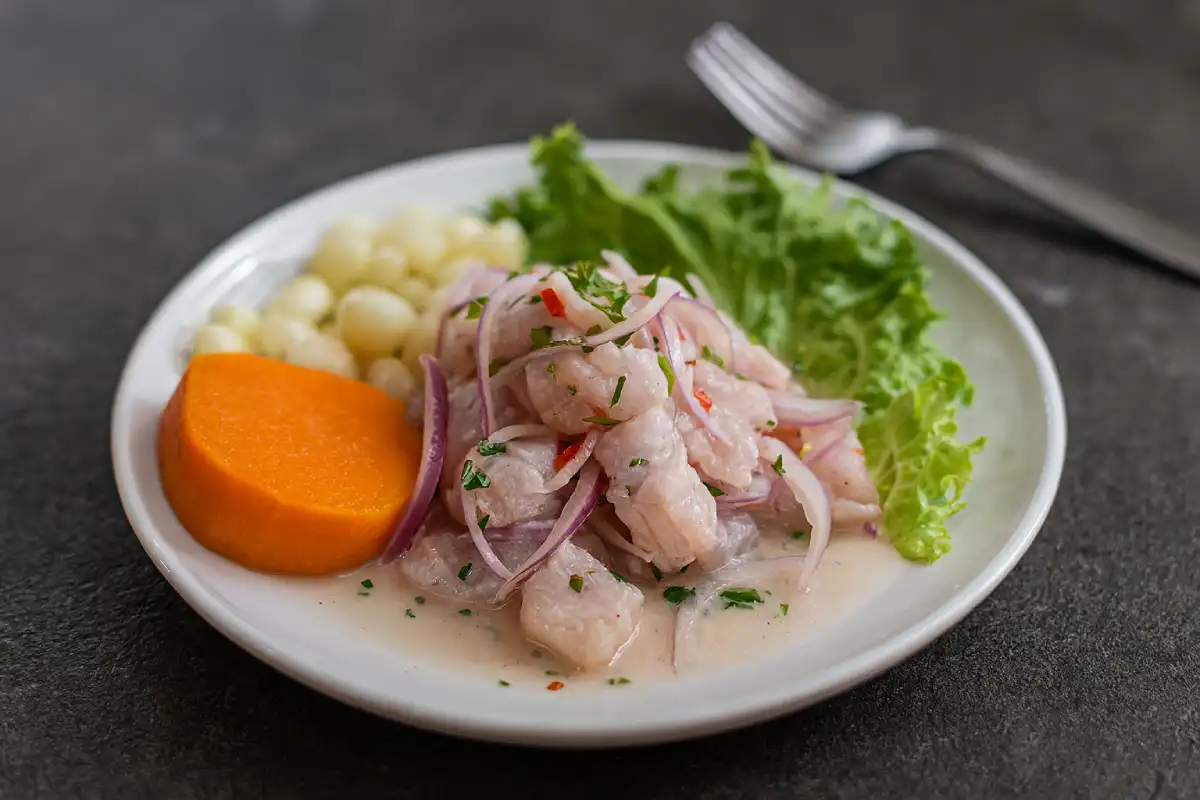
- Visit a *Cevicheria*: Try fresh Ceviche and *Leche de Tigre* (the marinade) at a local, specialized spot, preferably for lunch.
- Walk the Barranco Food Hub: Explore the bohemian district of Barranco for local bars, street food vendors, and hip cafes.
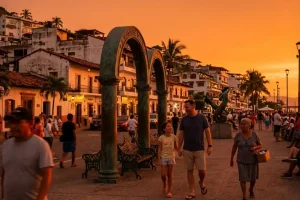
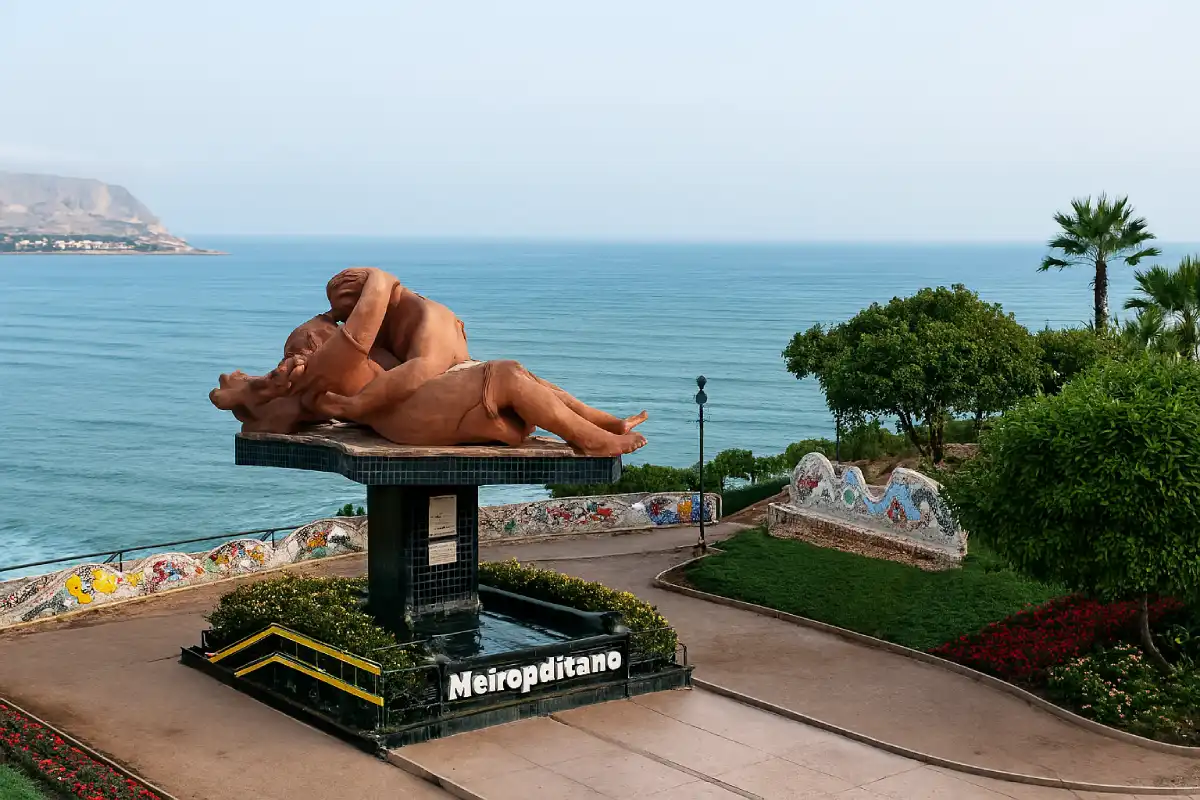
- Stroll Miraflores Boardwalk: Walk along the cliffside parks (like Parque del Amor) overlooking the Pacific Ocean for great views and photo opportunities.
Budget-Friendly Tip: Visit a local *mercado* (market) like **Mercado de Surquillo** for the freshest produce, low-cost juices, and authentic budget food counters.
1. The Cost of a Bed: Budget-Friendly Accommodation
Hostel prices in Lima are very reasonable, though safety heavily dictates pricing. Staying in the tourist-friendly districts of Miraflores and Barranco is highly recommended, as the extra cost is worthwhile for the security and convenience.
Hostel & Budget Accommodation Prices by Area (Average per night for a dorm bed, October 2025)
| Area | Description | Average Price (USD/night) | Pros for Budget Travelers |
|---|---|---|---|
| Miraflores | Safest, most central, excellent amenities, high tourist density. | $12 – $20 | Best security, walking distance to many sights. |
| Barranco | Bohemian, artistic hub, great independent cafes and nightlife. | $10 – $18 | Excellent atmosphere, slightly cheaper than Miraflores, great food scene. |
| Cercado de Lima (Historic Center edge) | Closer to historical sites, but high-risk after dark. | $8 – $15 | Lowest prices, but severely compromises safety and night mobility. |
Note: Prices are estimated for a standard dorm bed. Peru’s currency is the Sol (PEN), but USD estimates are provided for convenience.
Tips for Saving on Accommodation:
- Stay in Barranco: Often offers the best combination of artistic vibe, safe walking, and slightly lower prices than its neighbor, Miraflores.
- Check for Freebies: Many hostels offer free breakfast, Pisco Sour tasting nights, or free walking tours, which add significant value.
2. Eating on a Dime: Lima’s Budget Food Scene
The beauty of Lima is that its most iconic dishes are often found at their best, and cheapest, in local establishments. The *menú del día* is the ultimate budget traveler’s best friend.
Estimated Budget Food Costs (October 2025):
- Menú del Día (Set Lunch): 10 – 18 PEN ($2.60 – $4.70 USD). Includes soup, main dish, and a drink.
- Street Food (*Anticuchos*/Tamales): 3 – 8 PEN ($0.80 – $2.10 USD). Perfect for cheap evening snacks.
- Ceviche at a local *Cevicheria*: 20 – 35 PEN ($5.20 – $9.20 USD). High quality, far cheaper than tourist restaurants.
- Dinner (*Pollo a la Brasa*): 30 – 50 PEN ($7.90 – $13.10 USD) for a quarter chicken, fries, and salad at a rotisserie joint (a great option for groups).
- Daily Budget for Food: 50 – 90 PEN ($13 – $24 USD) is enough for a true culinary tour using local haunts.
Budget Eating Tips:
- Lunch is King: Always prioritize the *menú del día* for lunch. Dinner menus are almost always à la carte and much more expensive.
- Go for *Pollo a la Brasa*: This roast chicken is a national favorite, cheap, and consistently good at any local *Pollería*.
- Drink Inca Kola: Try the iconic, oddly yellow, sweet Peruvian soft drink—it’s cheap and culturally necessary.
3. Getting Around: The Cost of Public Transit
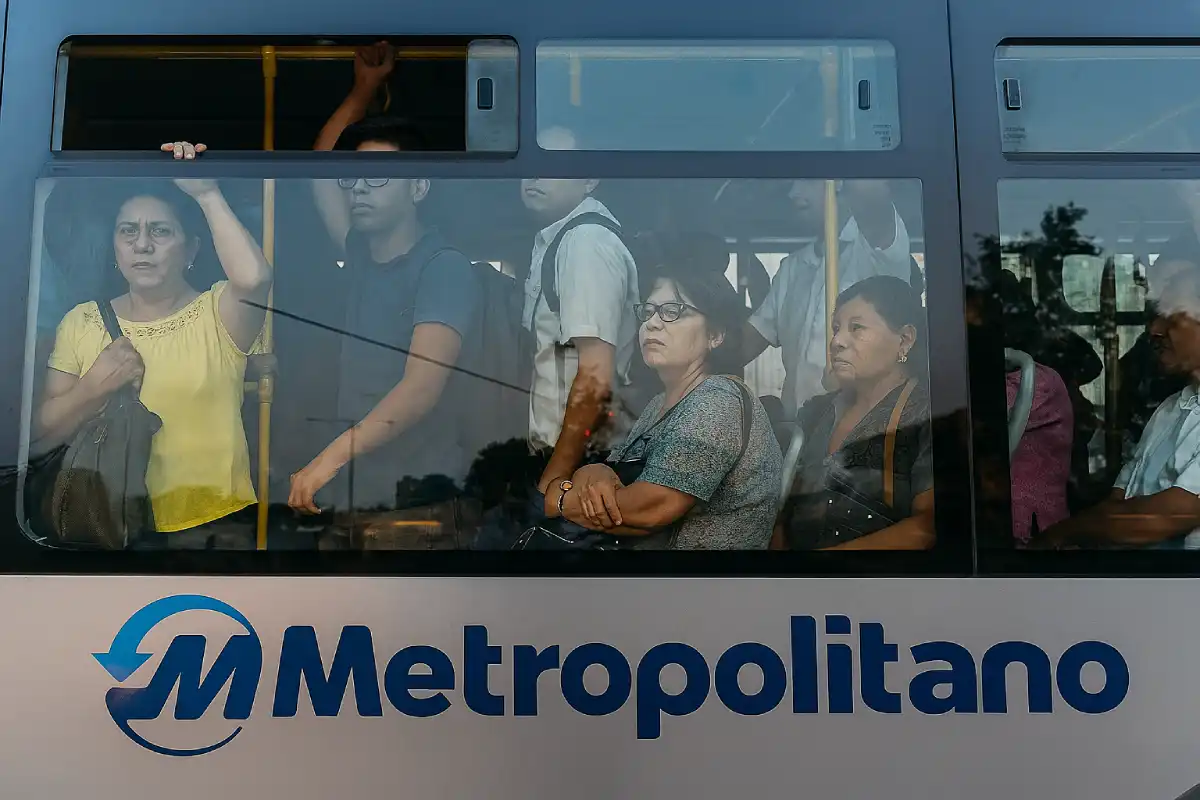
Public transport is extremely cheap but can be crowded and unsafe for the uninitiated. The **Metropolitano** bus system is the fastest way to connect Miraflores/Barranco with the Historic Center, but safety vigilance is paramount.
Fares (As of October 2025, estimated):
- Single Metropolitano Ride: Approximately **2.50 PEN** ($0.66 USD). Requires a rechargeable **Metropolitano card** (available at stations).
- Local Bus (*Combis*): **1.00 – 2.00 PEN** ($0.26 – $0.53 USD). Pay cash to the collector, but these are notoriously crowded and high-risk for pickpockets.
- Taxis/Ride-Sharing: A short ride between Miraflores and Barranco costs around **10 – 18 PEN** ($2.60 – $4.70 USD). This is the safest option.
Tips for Transportation:
- **Use Ride-Sharing Apps:** For all travel outside of short daytime walks in Miraflores or Barranco, **Uber, Cabify, or InDriver** are strongly recommended for safety and fixed pricing.
- **Avoid Traveling at Rush Hour:** Transit is extremely crowded, increasing the risk of distraction theft.
4. Staying Safe: Dangers, Scams, and Areas to Avoid
Lima is safer than many other megacities, but security must be taken seriously. The concentration of tourists in Miraflores and Barranco makes them targets for opportunistic crime.
Common Tourist Scams & Dangers:
- **Cellphone Snatching:** The most common crime. Never use your phone near a road or open window. Keep it concealed and only use it indoors or in a safe area.
- **Distraction Theft:** Be hyper-vigilant on crowded transport. Thieves often work in teams to create a distraction (e.g., bumping you, spilling a drink) while they steal from your pockets or bag.
- **Unlicensed Taxis:** Never negotiate a fare with a street taxi. They will overcharge, and some pose security risks. **Only use apps or pre-booked radio taxis.**
Areas to Be Cautious Of:
- **Historic Center (Cercado de Lima):** Relatively safe during the day, but **extremely dangerous after 6 PM**. Limit time here and take a taxi/Uber directly to and from your destination.
- **La Victoria and El Callao:** These are high-crime, non-touristy districts and should be avoided entirely, even during the day, unless traveling to the airport (which is in Callao, but the terminal itself is safe).
- **Bus Terminals (Terrapuertos):** Be extremely careful of luggage, bags, and phones around the main long-distance bus terminals.
5. Ensuring a Positive & Unforgettable Lima Trip
Focusing on the food and coastal scenery, coupled with safety awareness, will guarantee a fantastic time in Peru’s dynamic capital.
- Embrace the *Menú* Culture: Eating the *menú del día* is not just cheap, it’s a social and cultural experience. It is the best way to try traditional Peruvian dishes daily.
- **Sun Protection is Crucial:** Lima is a coastal desert with high UV exposure, even on cloudy days (which are common). Use sunscreen and wear a hat, especially near the ocean.
- **No Altitude Issues:** Unlike Cusco or Huaraz, Lima is at sea level. Use your first days here to acclimatize before heading up to the mountains.
- **Tipping:** Tipping 10% is customary in mid-range and fine dining restaurants. Rounding up or leaving 1-2 soles is fine at local *comedoras*.
6. Lima Travel FAQs (October 2025)
What is the currency in Lima?
The currency is the **Peruvian Sol (PEN)**. While some major hotels and tourist agencies accept USD, all daily purchases require the Sol.
Is the tap water safe to drink in Lima?
No, it is **not safe** to drink the tap water in Lima. Use bottled water for drinking and brushing your teeth.
What is the cheapest way to travel from the airport (LIM) to Miraflores?
The cheapest, safest way is to book the **Airport Express Bus**. It costs around $8 USD and drops you directly at a central point in Miraflores/Barranco. Taxis/Uber are much more expensive ($15-$25 USD).
What food should I prioritize if I only have one day?
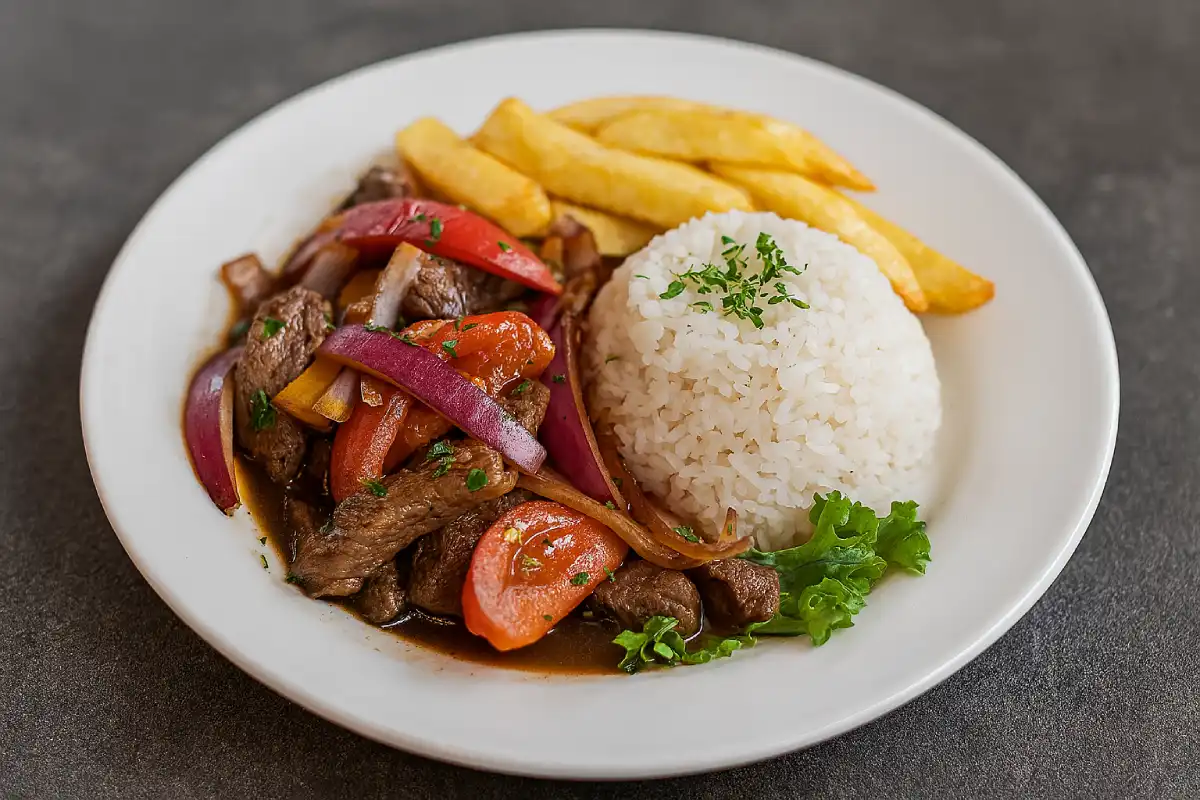
You must eat **Ceviche** (for lunch) and **Lomo Saltado** or **Aji de Gallina** (for dinner) at a local *comedor* or specialized restaurant.
Is it easy to get vegetarian food in Lima?
Yes, especially due to the large presence of vegetarian *menú del día* options. Look for *comedoras* advertising *vegetariano* or *menú vegetariano*.
Ready to Taste the Best of Peru?
Lima is waiting to surprise you with its world-class flavors and budget-friendly street food. With these tips, you can eat like royalty without the royal bill!
Plan Your Peru Culinary Journey