Is Mexico City Safe for Tourists? Neighborhood Guide 2025
Mexico City is a world-class destination, a vibrant metropolis that offers a rich blend of history, culture, and culinary delights. While the city has a reputation for being unsafe, most of the risks are concentrated in specific areas and can be easily avoided with basic precautions. This 2025 guide provides an in-depth look at staying safe in Mexico City, with practical advice on everything from which neighborhoods to explore to how to handle common scams.
Navigating a City of Contrasts: A Guide to Staying Safe
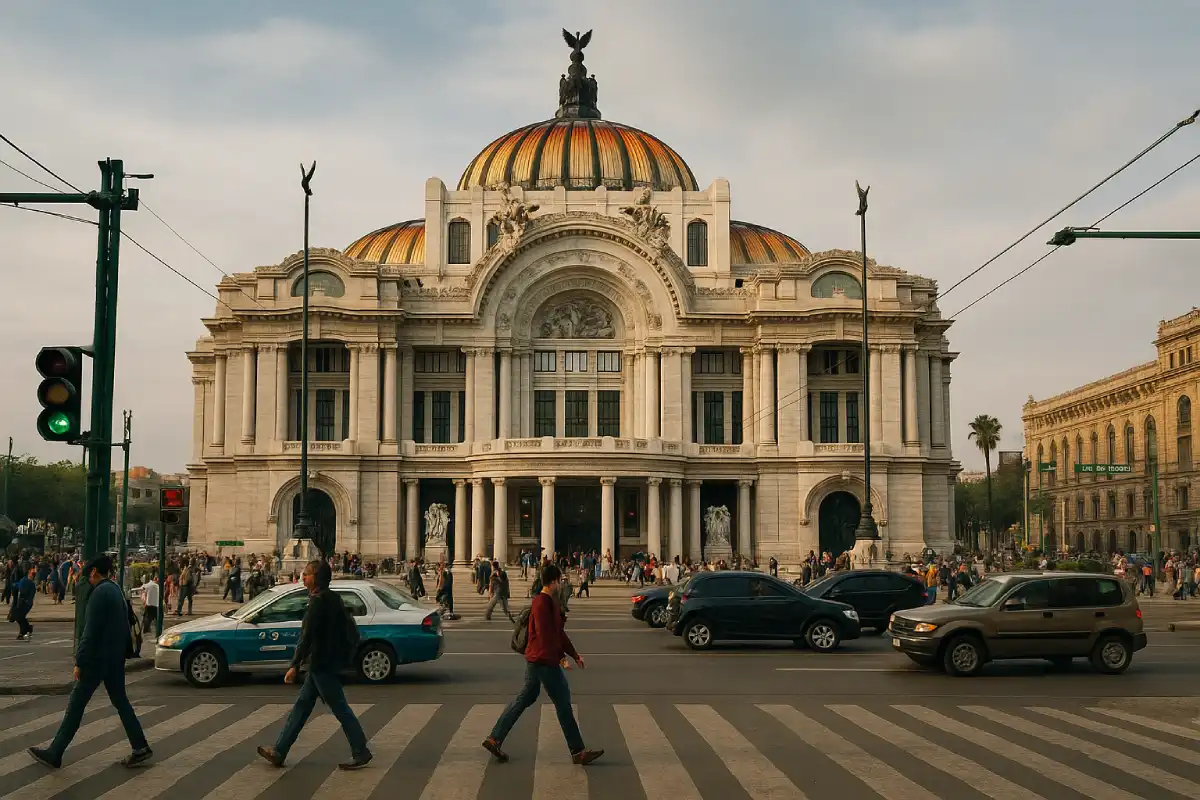
Mexico City is a sprawling, energetic city of over 20 million people. Its sheer size means that safety varies dramatically from one neighborhood to the next. The tourist-friendly districts are generally very safe, but being aware of potential dangers is key to a stress-free trip. This guide will help you understand the lay of the land, so you can explore with confidence and focus on the incredible experiences the city has to offer.
4. Staying Safe: Dangers, Scams, and Areas to Avoid
The vast majority of tourists visit Mexico City without incident. Most crime is concentrated in specific, non-tourist areas. The most common issues for visitors are petty theft and scams. The key to staying safe is to be discreet, aware, and prepared.
Common Dangers & Scams:
- The Fake Taxi Scam: This is a serious risk. Unlicensed taxis on the street can overcharge you, or in rare cases, participate in “express kidnapping” where they take you to ATMs to withdraw money. Always use an official taxi from a “sitio” (a taxi stand) or, better yet, a ride-hailing app like Uber or Didi.
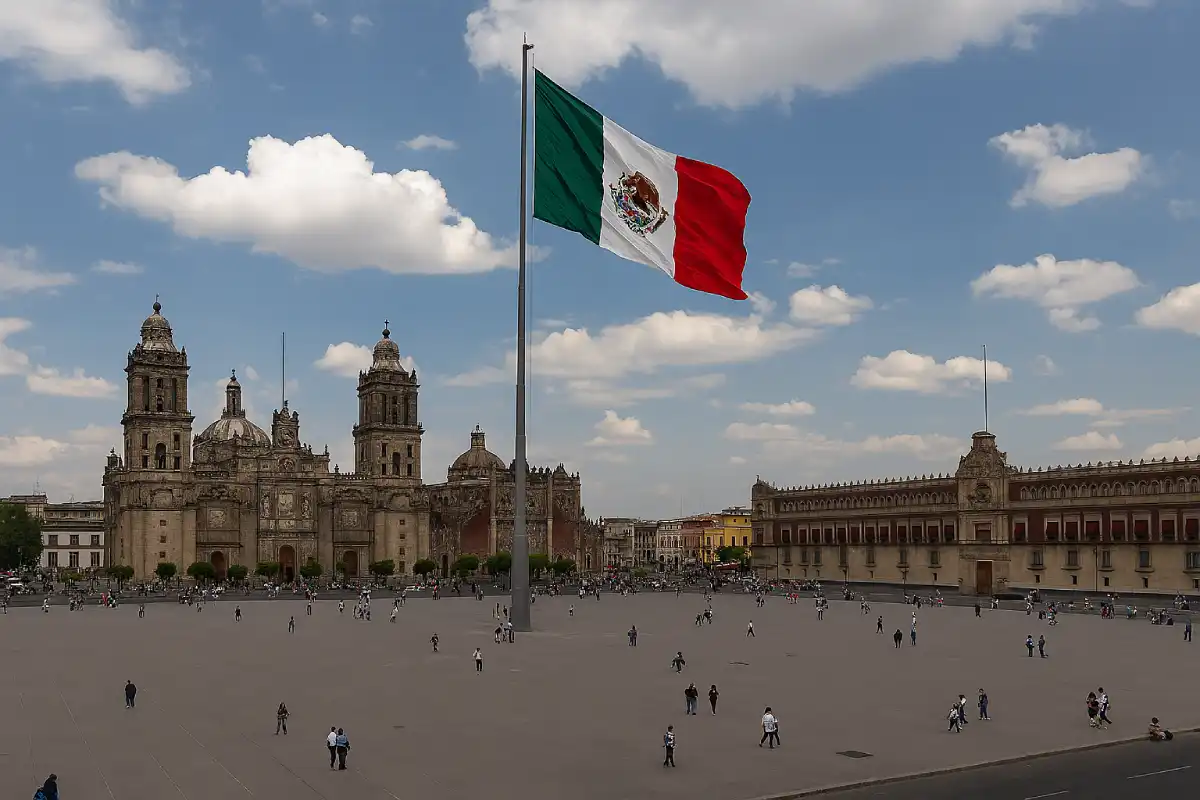
- Pickpocketing: Be extremely vigilant in crowded areas, especially on the metro, at tourist sites like the Zócalo, and in large markets. Keep your phone and wallet in a secure, front pocket or a cross-body bag.
- ATM Skimming: Be cautious when using ATMs, especially in less secure locations. Check for any devices on the card reader or keypad. It’s often safer to use an ATM inside a bank during business hours.
- Fake Police: While rare, a person might pose as a police officer and demand to see your passport or wallet. Legitimate police officers will not demand cash. Politely decline and offer to go to a police station.
Areas to Be Cautious Of:
- Tepito & Iztapalapa: These neighborhoods are known for higher crime rates and are generally not recommended for tourists. Avoid venturing into them.
- The Historic Center (Centro Histórico) at night: While the area is bustling and safe during the day, it can become deserted and less safe after dark. It’s best to take a taxi or Uber back to your accommodation after sunset.
- The Metro at Night: The Mexico City Metro is generally safe and efficient during the day. However, it’s advisable to use a ride-hailing app after 9 PM.
General Safety Advice:
- Don’t Flash Valuables: Avoid wearing expensive jewelry, watches, or designer clothing. Keep your phone and camera put away unless you are actively using them.
- Trust Your Gut: If a situation feels off, it probably is. Don’t feel obligated to be polite if you feel unsafe.
- Learn Basic Spanish: Knowing a few phrases like “No, gracias” (no, thank you) will help you navigate daily interactions and decline unwanted offers.
- Stay Hydrated: Mexico City’s high altitude and dry air can lead to dehydration. Drink plenty of bottled water.
- Emergency Numbers: Police 911.
1. The Cost of a Bed: Budget-Friendly Accommodation
Mexico City has a huge number of excellent hostels and budget hotels. The best way to save money is to stay in a well-located neighborhood that allows you to walk to many of the main attractions.
Hostel & Budget Accommodation Prices by Area (Average per night for a dorm bed, August 2025)
| Area | Description | Average Price (USD/night) | Pros for Budget Travelers |
|---|---|---|---|
| Centro Histórico (Historic Center) | The heart of the city, with major historical sites. | $10 – $20 | Central, walkable to key sights like the Zócalo and museums, bustling atmosphere. |
| Roma Norte & La Condesa | Hip, artistic neighborhoods with leafy streets and a great food scene. | $15 – $30 | Very safe, trendy cafes, art galleries, and a relaxed vibe. |
| Coyoacán | A charming, colonial-era neighborhood, home to the Frida Kahlo Museum. | $12 – $25 | Quieter, picturesque, and very safe, with a unique village-like feel. Requires a metro ride to the center. |
Note: Prices are estimates for a dorm bed and are subject to significant fluctuation based on season and demand. Private rooms will be 2-3x more expensive.
Tips for Saving on Accommodation:
- Book Early: Mexico City is a popular destination. Booking your hostel well in advance, especially for peak seasons, will save you money.
- Look for Freebies: Many hostels, especially in Roma and La Condesa, offer free breakfast and social activities, which are great for meeting other travelers.
2. Eating on a Dime: Mexico City’s Budget Food Scene
Mexican street food is world-renowned and incredibly affordable. You can eat delicious and filling meals for just a few dollars, and it’s often more economical than cooking yourself.
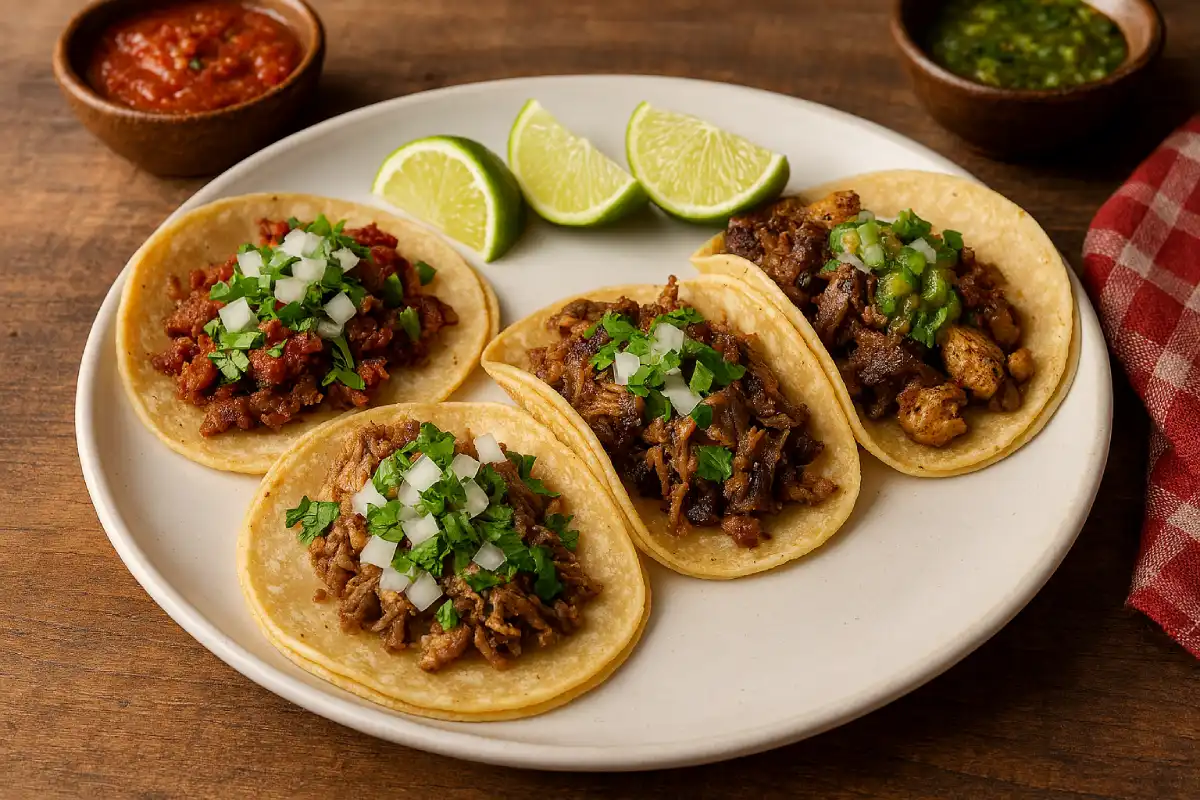
Estimated Budget Food Costs (August 2025):
- Breakfast: MXN 30 – MXN 60 ($1.70 – $3.40 USD) for a “taco de canasta” or “tamales” from a street vendor.
- Lunch: MXN 50 – MXN 100 ($2.80 – $5.70 USD) for a fixed-price “comida corrida” at a local restaurant, which typically includes soup, a main course, and a drink.
- Dinner: MXN 80 – MXN 150 ($4.50 – $8.50 USD) for a “taco al pastor” meal from a popular stand or a casual sit-down meal.
- Daily Budget for Food: MXN 150 – MXN 300 ($8.50 – $17 USD) if you stick to street food and local eateries.
Budget Eating Tips:
- Look for “Comida Corrida”: This is a fixed-price, multi-course lunch menu offered by many small restaurants. It’s the best value meal you will find.
- Eat Street Food Where Locals Are: The most popular and safest street food stalls are those with a line of locals. This indicates freshness and good quality.
- Carry Small Bills: Most street vendors will not have change for large bills, so it’s best to have smaller denominations (MXN 20, 50, 100).
3. Getting Around: The Cost of Public Transit
Mexico City has an extensive and very affordable public transport system. The Metro and Metrobus are the best ways to get around, especially to avoid the city’s infamous traffic.
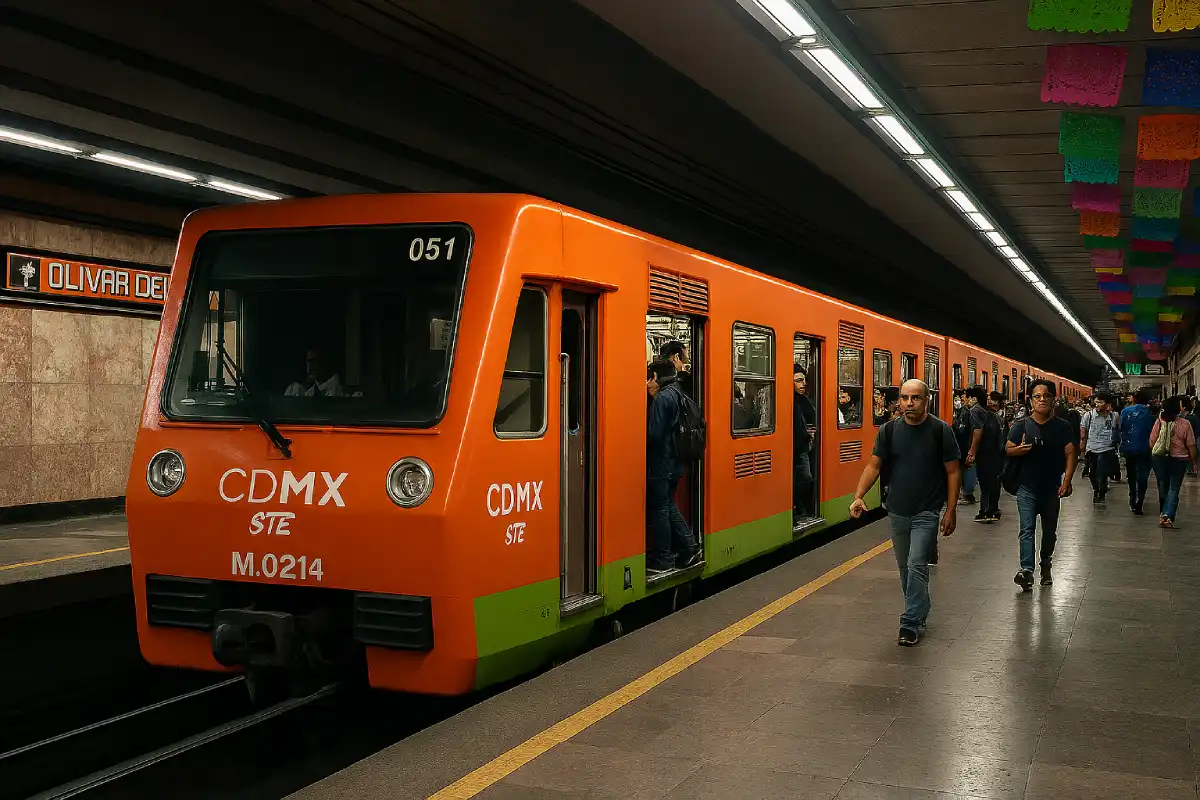
Fares (As of August 2025, subject to minor changes):
- Metro Fare: A single ride on the Metro costs just MXN 5 ($0.28 USD), regardless of the distance. You need to buy a rechargeable card to use the system.
- Metrobus Fare: A single ride on the Metrobus (Bus Rapid Transit) costs around MXN 6 ($0.34 USD).
- Uber/Didi: These apps are very cheap and the most convenient way to travel, especially at night or with luggage. A typical trip within the central areas will cost between MXN 50 – MXN 150 ($2.80 – $8.50 USD).
Tips for Transportation:
- Use Ride-Hailing Apps at Night: For safety and convenience, especially after dark, always use Uber or Didi.
- Avoid Rush Hour: The metro can be incredibly crowded during rush hour (7-9 AM and 5-7 PM). If possible, plan your travel outside of these times. The metro also has women-only carriages during peak hours.
5. Ensuring a Positive & Unforgettable Mexico City Trip
With an open mind and these tips, you’ll be ready to enjoy all the magic Mexico City has to offer.
- Stay Hydrated: The altitude can be a factor. Drink plenty of bottled water.
- Be Flexible: Traffic and crowds are a part of life in Mexico City. Be patient and allow for extra time.
- Explore a Variety of Neighborhoods: From the ancient history of Centro Histórico to the artistic vibes of Roma and Condesa, each neighborhood has a unique character.
- Visit a Local Market: Markets like Mercado de San Juan or Mercado de Artesanías de La Ciudadela are a feast for the senses and offer authentic experiences.
- Don’t Be Afraid to Talk to People: Mexicans are known for their warmth and hospitality. A friendly “hola” can lead to a great conversation.
6. Mexico City Travel FAQs (August 2025)
Is it safe to drink the tap water in Mexico City?
No, it is not recommended to drink tap water in Mexico City. Stick to bottled water, which is widely available and cheap. Use bottled water for brushing your teeth as well.
What is the currency in Mexico City?
The currency is the Mexican Peso (MXN). It’s a good idea to carry some cash (small bills) for street food, public transport, and tips, as many small vendors do not accept cards.
Is it safe for solo female travelers in Mexico City?
Yes, Mexico City is generally safe for solo female travelers with common-sense precautions. Stay in well-known tourist areas like Roma, La Condesa, or Coyoacán. Use reputable ride-hailing apps, and avoid walking alone in deserted areas after dark.
What is the best way to get from the airport to my accommodation?
The safest and most convenient way is to use an official airport taxi (buy a ticket from the counter inside the terminal) or a ride-hailing app like Uber or Didi. The Metro is also an option but can be confusing and crowded with luggage.
Is it rude to not tip in Mexico City?
Tipping is customary in Mexico. A tip of 10-15% is expected in restaurants. For street food vendors, it’s not required but a small tip is appreciated. For tour guides, tip based on the quality of the tour.
Your Mexico City Adventure Awaits!
With a bit of preparation and these tips on hand, you can confidently explore Mexico City’s incredible culture, food, and history. Enjoy your trip to this vibrant and unforgettable capital!
Start Planning Your Mexico City Trip