Is it Safe to Travel During a Flu Outbreak?
The thought of traveling during a flu outbreak can be unsettling. Airports, buses, and public spaces are crowded, making them ideal environments for viruses to spread. The good news is that with a proactive approach and a few simple precautions, you can significantly reduce your risk of getting sick and still enjoy your trip. A safe journey isn't just about avoiding a cold or the flu; it's about giving yourself the peace of mind to fully experience your destination. This guide will provide an honest look at **how to stay safe and healthy while traveling during a flu outbreak**, sharing practical advice from health experts and seasoned travelers who know how to protect themselves on the go.
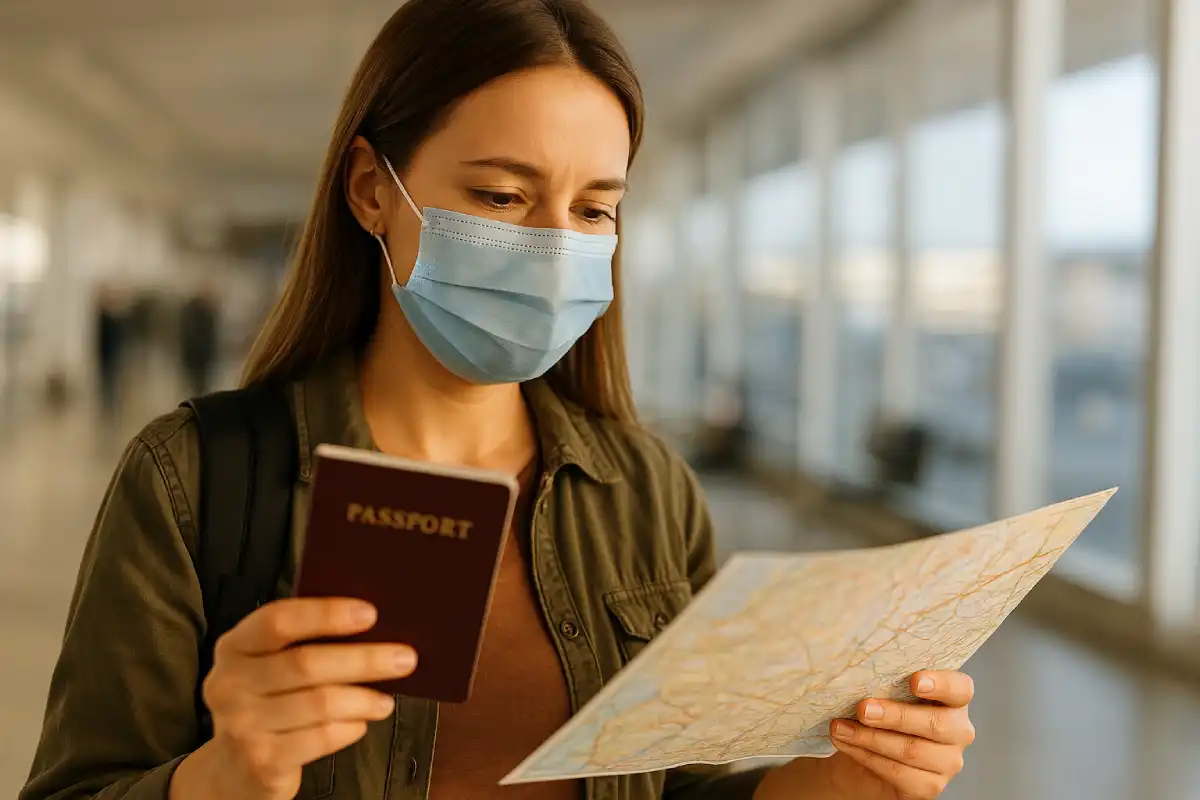
The Pre-Trip Checklist: Get Ready to Go 🩺
A safe trip begins before you even leave home. These steps can make a big difference in your overall health and well-being.
1. Get Vaccinated 💉
The single most important step you can take is to get your flu shot at least two weeks before your trip. This gives your body enough time to build up immunity. Even if the vaccine doesn’t prevent you from getting sick, it can significantly reduce the severity of the illness and the risk of complications. It’s the most effective defense you have.
2. Pack a “Health Kit” 💊
Instead of hoping to find what you need on the road, bring a small personal health kit. It should include hand sanitizer (at least 60% alcohol), disinfectant wipes for wiping down surfaces on planes and in hotel rooms, pain relievers, cold and flu medication, and any personal medications you take. Also, consider packing a few high-quality face masks for use in crowded areas.
Experienced Traveler Insight: John, from a Travel Forum
“I always travel with a small bottle of hand sanitizer and a pack of disinfectant wipes. The first thing I do when I get on a plane is wipe down my seat, armrests, and tray table. It takes 30 seconds and has kept me healthy on many a trip.”
On the Road: Staying Vigilant and Healthy 🛡️
Once you’re traveling, a few key habits can help you stay healthy and avoid getting sick.
1. Practice Excellent Hygiene 🧼
Wash your hands frequently with soap and water for at least 20 seconds. If a sink isn’t available, use hand sanitizer. Avoid touching your face especially your eyes, nose, and mouth as this is a primary way that viruses enter your body. This simple habit is your most powerful tool against germs.
2. Choose Your Travel Times Wisely ✈️
If you can, try to travel during off-peak times. Airports and public transportation are less crowded during the week and in the middle of the day. A less crowded environment means less exposure to germs. If a plane or train is crowded, consider wearing a mask for an added layer of protection.
3. Prioritize Your Immune System 💪
Your immune system is your first line of defense. Be sure to get enough sleep, drink plenty of water, and eat a balanced diet. It can be tempting to stay up late and overindulge on the road, but a well-rested and hydrated body is much more equipped to fight off a virus. Consider taking a daily vitamin C or a similar supplement to give your body an extra boost.
Health Expert Insight: Dr. Jane Smith, “The Wellness Journal”
“When you’re flying, the air quality is actually quite good because it is constantly being filtered. The real risk comes from touching contaminated surfaces. Focus on keeping your hands clean and you’ll dramatically reduce your chances of getting sick.”
Frequently Asked Questions About Traveling and Health
What if I start to feel sick while traveling?
If you start to feel unwell, the first step is to isolate yourself to prevent spreading the illness. Inform your travel companions or hotel staff. Rest, drink plenty of fluids, and consider consulting a local doctor or a telemedicine service if your symptoms worsen. It’s also wise to have a basic travel insurance policy that covers medical emergencies.
Should I wear a face mask on a plane?
While most airlines no longer require masks, it’s a good idea to wear one on a plane, especially if you have a compromised immune system or are concerned about a flu outbreak. It’s a simple and effective way to protect yourself and others in a confined space.
How do I find out about local health advisories?
Before and during your trip, check the World Health Organization (WHO) and the Centers for Disease Control and Prevention (CDC) websites for global health news. You can also check your home country’s travel advisories and a local news website for information specific to your destination.
Conclusion: Travel with Confidence, Not Fear
Traveling during a flu outbreak doesn’t have to be a scary experience. By taking a few simple, proactive steps, you can significantly reduce your risk of getting sick and ensure that you enjoy your trip. Remember to get vaccinated, pack smart, and practice good hygiene on the road. With these tips, you’ll be well-prepared to travel with confidence, and your memories will be about the places you saw, not the germs you encountered.