How to travel sustainably in winter
Winter travel, while beautiful, presents unique sustainability challenges. Ski resorts consume vast amounts of energy for snowmaking and lift operation, and the common reliance on flights and private car transfers often results in a high carbon footprint. However, a conscious approach to planning can turn your winter getaway into a force for good, preserving the delicate alpine and northern environments you seek to enjoy.
Low-Carbon Transportation: The Biggest Impact 🚆
Transportation is typically the largest contributor to a holiday’s carbon footprint. Choosing low-emission methods is the primary step toward sustainable winter travel.
1. Prioritize Trains Over Planes and Cars
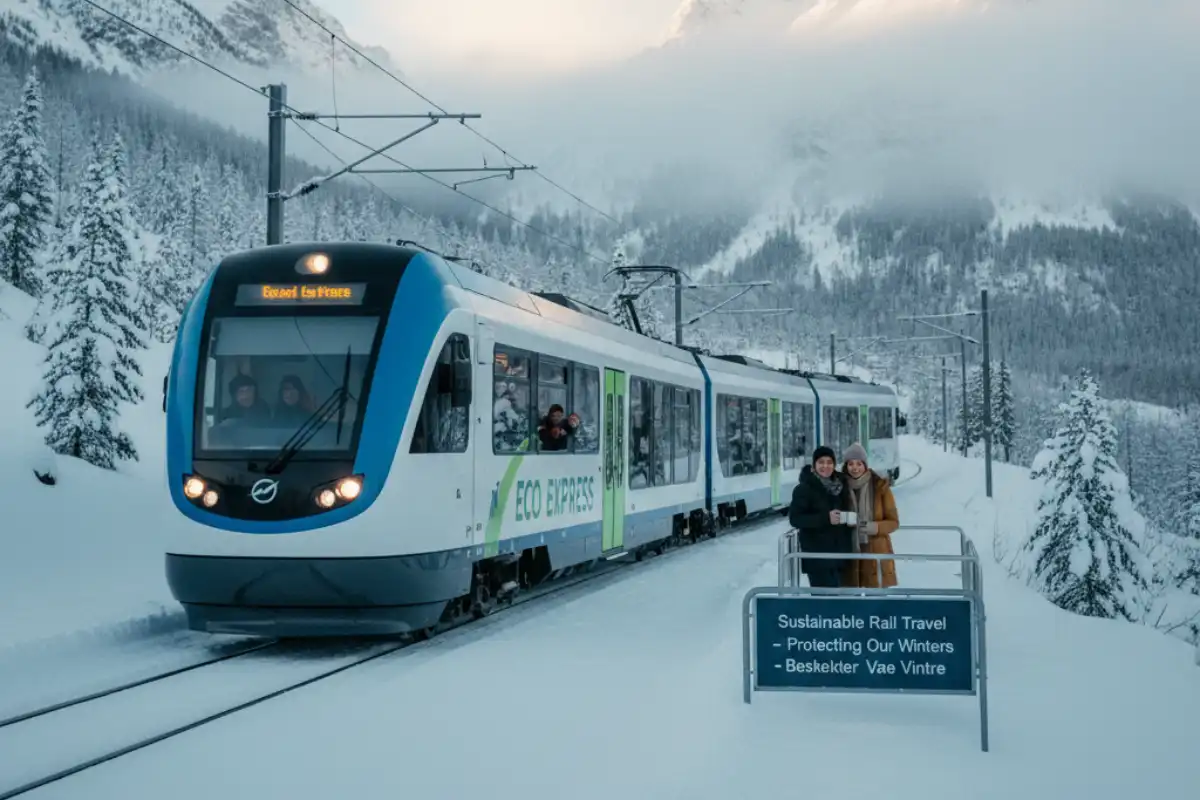
The single most impactful choice is opting for rail travel. High-speed and scenic winter train routes across Europe (e.g., the Swiss Alps, Austrian rail networks) are comfortable and dramatically reduce emissions compared to flying or driving solo.
- **Slow Travel Advantage:** Consider overnight sleeper trains. They maximize efficiency by doubling as accommodation, saving you a night’s hotel stay while you travel.
- **Connecting Transfers:** Once you reach a major hub, look for resorts that are easily accessible via **local bus networks** or funiculars, avoiding the need for a private taxi or rental car.
Eco-Traveler Tip: Compensate and Consolidate
“If a flight is unavoidable for long-haul travel, always purchase high-quality carbon offsets from a reputable source, but consider it the last resort. More importantly, travelers should aim to **take fewer trips but stay longer** (the Slow Travel model) to make the emission cost of the journey worthwhile.” (Source: Sustainable Travel Blogs & Scientific Journals)
Eco-Friendly Accommodation and Energy Use ♻️
In cold climates, heating and lighting can consume enormous amounts of energy. Choosing the right place to stay and mindful consumption are key.
1. Selecting Truly Green Stays
Don’t fall for “greenwashing.” Look for accommodations with verifiable certifications:
- **Certifications:** Seek out recognized standards such as **The Nordic Swan Ecolabel, Green Key, or LEED**. These confirm the property meets strict criteria for energy efficiency, waste management, and water conservation.
- **Small and Local:** Prioritize **small, locally-owned guesthouses or independent cabins** over large, international chain hotels. Local businesses often use traditional heating methods and support local supply chains more effectively.
2. Mindful Consumption in Cold Weather
Your actions within your accommodation make a difference:
- **Heating:** Do not leave windows open when the heat is on. Only heat the rooms you are actively using. Setting the thermostat back by just two degrees Celsius can significantly cut energy use.
- **Water:** Winter resorts use vast amounts of water for snowmaking. Minimize your personal water usage take shorter showers and reuse towels.
Responsible Winter Activities and Community Support 🎿
The way you engage with winter landscapes and local businesses directly impacts the sustainability of your destination.
1. Choosing Responsible Skiing and Snow Sports
Not all resorts are equal in their environmental commitment:
- **Resort Vetting:** Research resorts that use **renewable energy** (hydro, solar) for their lifts and snowmaking. Some resorts, particularly in Switzerland and Austria, are leading the charge in this area.
- **Low-Impact Activities:** Favor activities with zero carbon emissions. Spend more time cross-country skiing, snowshoeing, or winter hiking rather than relying solely on mechanized downhill lifts or high-emission snowmobiles.
2. Supporting the Local Economy
Winter tourism can be crucial for seasonal employment. Ensure your money stays in the local community:
- **Eat Local:** Choose local taverns, bakeries, and farmers’ markets. Buy regional specialties and seasonal produce.
- **Buy Authentic:** Purchase handcrafted souvenirs directly from local artisans, avoiding cheap, imported plastic goods common at tourist markets.
Frequently Asked Questions About Sustainable Winter Travel
What is the most environmentally damaging part of a ski holiday?
The most damaging part is typically **long-distance transportation (flights)**, followed by the **energy consumption of the ski resort itself** (snowmaking, lift operation, and accommodation heating). Choosing a resort accessible by train and staying in eco-certified lodgings are the best ways to mitigate this impact.
Are snowmobiles and heli-skiing inherently unsustainable?
Yes, both are generally considered unsustainable due to the **high fuel consumption and noise pollution**. Snowmobiles disrupt wildlife, and heli-skiing requires fossil-fuel-powered helicopters to operate in remote, often pristine wilderness areas. For sustainable adventure, opt for cross-country skiing or ski-touring instead.
Does staying in a car-free resort actually make a difference?
Absolutely. **Car-free resorts (like Zermatt, Switzerland)** significantly reduce local air and noise pollution, which is highly damaging to mountain ecosystems. They rely on clean public transport (often electric) and encourage walking, leading to a much better environmental footprint and a quieter, healthier experience for visitors.
How can I practice ‘Leave No Trace’ principles in the snow?
‘Leave No Trace’ means minimizing your impact. In winter, this includes:
- **Stay on marked trails** to protect delicate alpine vegetation under the snow.
- **Pack out all trash**, including food scraps and tissue paper.
- **Avoid disturbing wildlife**, which are already stressed finding food and conserving energy in the cold.
Can I still be sustainable if I must rent equipment?
Yes. **Renting equipment is far more sustainable than buying new gear**, especially if you only ski occasionally. Look for rental shops that participate in certified gear refurbishment programs, and consider renting from businesses that specialize in high-quality, long-lasting equipment rather than cheap, disposable models.
Conclusion: Protecting the Powder 🏔️
Sustainable winter travel is about making conscious trade-offs: choosing the train over the plane, the local inn over the chain hotel, and the cross-country trail over the snowmobile track. By implementing these practical steps, you not only reduce your environmental footprint but often enjoy a richer, more authentic, and deeply rewarding experience. The small choices we make today ensure that the pristine powder and unique ecosystems of winter destinations remain beautiful for future generations.