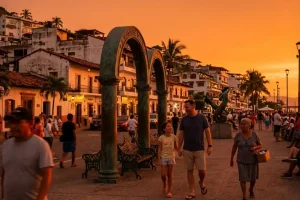
How to travel during peak holiday season
Traveling during peak holiday season, such as the weeks surrounding Christmas, New Year's, or major school breaks, inevitably means **higher prices, larger crowds, and increased logistical stress**. However, for many, this is the only time family and work schedules align. Successful peak-season travel isn't about avoiding the crowds entirely; it’s about strategic planning, embracing flexibility, and employing smart tactics to navigate the chaos of airports and popular attractions.
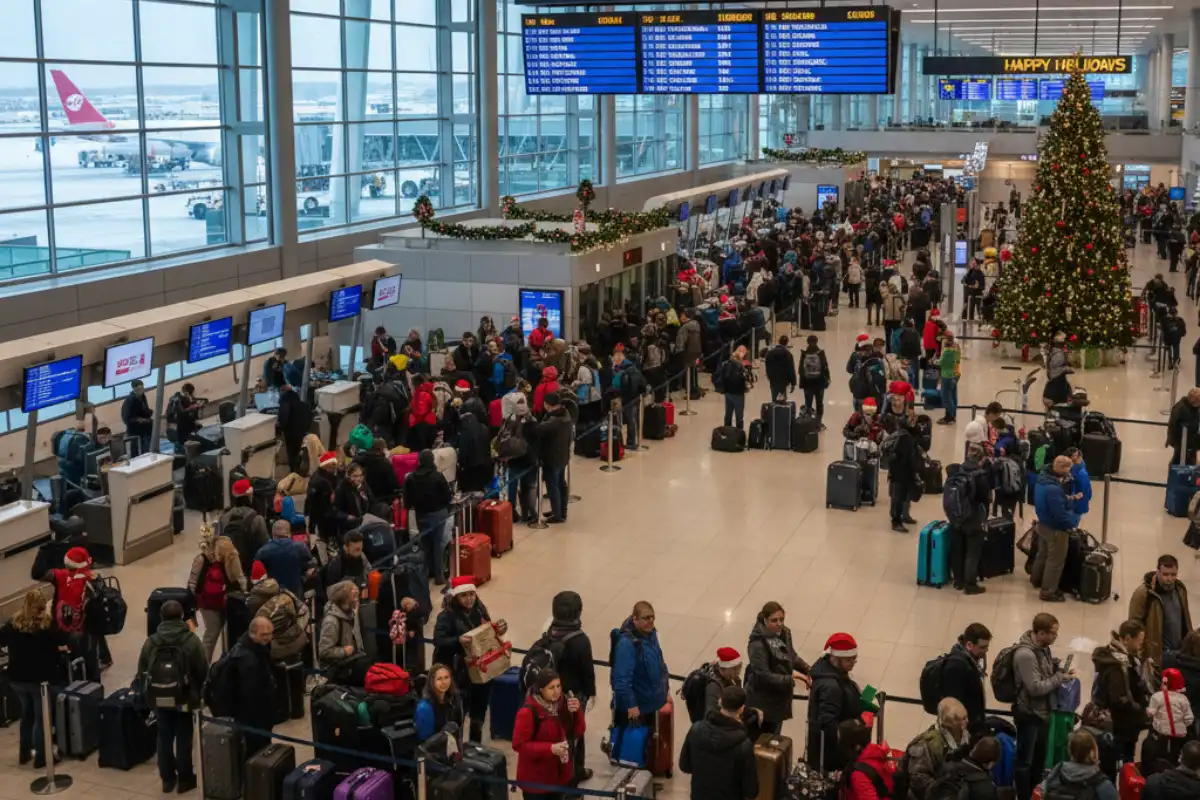
Strategy 1: Mastering the Booking Timeline
1. The Early Bird Gets the Best Deal (and Seats)
For peak travel, procrastination is expensive. Flights and popular accommodation (especially vacation rentals) should be booked **at least 6-9 months in advance**. Waiting for last-minute deals during high season is a recipe for inflated prices and limited availability.
- **Traveler Insight:** “We learned the hard way. For our Christmas trip to Europe, booking flights in February instead of August saved us nearly 40%. The biggest savings come from securing the most expensive components (flights, major hotels) early.” (Source: Budget Travel Forum)
2. Travel on the Least Popular Days
The cost and crowd level fluctuate wildly within the peak season. Avoid the primary travel days:
- **Avoid:** The Saturday or Sunday immediately preceding the holiday, the day before the holiday, and the day after the holiday.
- **Target:** Fly on the actual holiday (e.g., Christmas Day or New Year’s Day) or mid-week (Tuesday/Wednesday) in the weeks surrounding the main holiday. Prices are significantly lower, and airports are notably quieter.
Strategy 3: Finding Respite and Value
- **Travel Off-Peak Within the Destination:** While the city center might be packed during the daytime holiday shopping hours, use the very early morning (pre-9 am) or late evening (post-8 pm) to visit landmarks or major streets when they are quietest.
- **Look for Alternative Destinations:** Instead of targeting the most famous cities (like New York, London, Paris), which see massive tourist surges, choose secondary cities that still celebrate the holidays beautifully but with smaller crowds and lower prices (e.g., Glasgow instead of Edinburgh, Ghent instead of Brussels).
Frequently Asked Questions About Peak Season Travel
How early should I book trains or rental cars during the holidays?
Trains and rental cars, especially in Europe, should be booked immediately after flights ideally **3 to 4 months in advance**. Rental car availability can vanish entirely in smaller, popular destinations, and prices will skyrocket in the last six weeks.
Is it cheaper to fly on Christmas Eve or Christmas Day?
It is almost always **cheaper to fly on Christmas Day or New Year’s Day**. Most people prefer to travel and arrive before the holiday begins, making the actual holiday itself one of the quietest and cheapest travel days of the year.
What if my flight is delayed or cancelled during the holiday rush?
Have a backup plan. Ensure your travel insurance covers delays and cancellations. As soon as you hear of a delay, do not wait in the customer service line. Immediately call the airline’s customer service number or use their app to rebook, as the phone queue often moves faster.
Are hotel prices negotiable during the peak season?
Generally, no. Hotels are running near full capacity and have no incentive to lower prices. Focus instead on finding value: look for hotels that include free breakfast, free parking, or shuttle service, which can save you money on ancillary holiday costs.
How can I cope with the stress of packed public transport?
Plan your travel to avoid rush hour (7–9 am and 4–6 pm). Carry a small backpack instead of bulky luggage on trains and metros. Most importantly, give yourself extra time between connections; knowing you have a buffer reduces stress significantly.
Conclusion: Prioritize Planning, Embrace Patience 🗺️
Traveling during peak holiday season requires diligence, patience, and a healthy budget buffer. By committing to early booking, choosing strategic travel dates, and simplifying logistics (like going carry-on only and pre-booking transfers), you significantly reduce the friction inherent in busy holiday travel. The crowds and chaos are unavoidable, but with a solid plan, you can successfully secure your trip and focus on enjoying your destination.