How to Save on Coffee and Snacks While Exploring
Daily expenses can quickly add up and drain your travel budget faster than you think. While major meals are easy to budget for, those little impulse buys a coffee, a bottle of water, a quick snack can become a hidden financial leak. A few dollars here and there might seem insignificant, but over a week or a month, they can amount to hundreds. The good news is that you can still enjoy your morning caffeine and afternoon pick-me-up without blowing your budget. This guide will walk you through **how to save on coffee and snacks while exploring**, sharing clever hacks and tips from seasoned travelers who have mastered the art of enjoying a city's culinary delights without overspending.
The Smart Traveler’s Kit 🎒
Before you even leave your accommodation, a little preparation can save you a lot of money on the road.
1. Pack Your Own Coffee Kit ☕
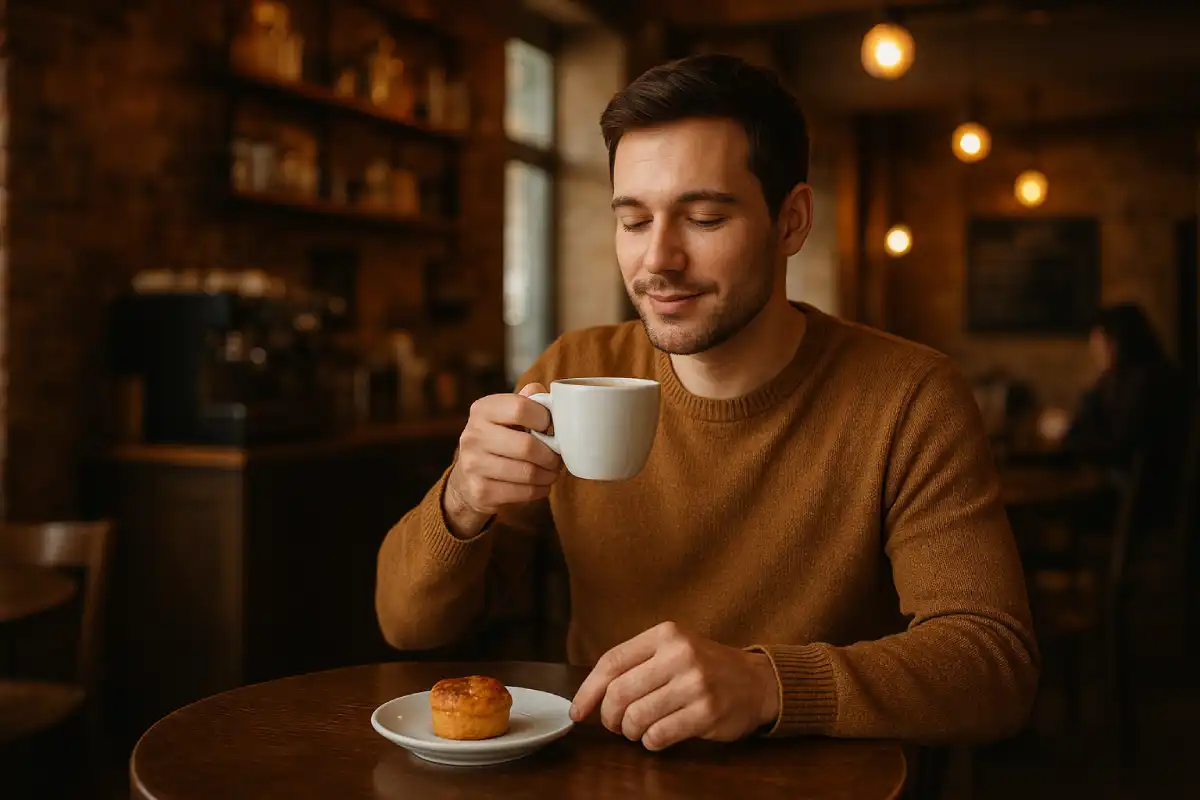
If you’re a coffee lover, this is a game-changer. Bring a simple, reusable mug and a method for making coffee in your room. This could be a small bag of instant coffee, a pack of single-serve pour-over filters, or a small Aeropress. Even if you only use it once a day, it can save you **$5-$10 per cup**. Plus, you can enjoy a hot drink before you even step outside, giving you more energy to explore.
2. Bring a Reusable Water Bottle 💧
Buying bottled water is one of the biggest and most unnecessary expenses for a traveler. In many countries, tap water is safe to drink, and you can refill your bottle for free at your accommodation or at public fountains. If the water isn’t potable, invest in a water bottle with a built-in filter, which will pay for itself in just a few days. This simple habit can save you a significant amount of money and is good for the environment.
Experienced Traveler Insight: Sam, from a Travel Forum
“I never leave the hostel without a full reusable water bottle. I’ve been in cities where a bottle of water costs more than a beer. It’s an easy way to save money and stay hydrated, especially in hot climates.”
Finding the Best and Cheapest Local Eats 🥐
While packing your own snacks is a good strategy, discovering local gems is also part of the fun. The key is to avoid tourist traps.
1. Seek Out Local Bakeries and Patisseries 🥖
Instead of a generic coffee shop, look for small, independent bakeries. In France, a “boulangerie,” or in Italy, a “pasticceria,” will offer delicious pastries and coffee for a fraction of the price of a chain cafe. The quality is often better, and you’ll get a more authentic experience. Look for places with a line of locals it’s a surefire sign that the prices are fair and the food is great.
2. Buy Snacks from a Local Supermarket or Market 🍎
This is a classic budget traveler’s hack. Instead of buying a pre-packaged sandwich or a bag of chips from a convenience store, head to a supermarket. You can buy a fresh loaf of bread, some local cheese, and a piece of fruit for a fraction of the cost. This allows you to create your own delicious picnic and try local products without paying a premium.
3. Avoid the “Sitting Fee” in Europe 🪑
Many cafes and restaurants in Europe have different prices for food and drinks depending on whether you are “standing” or “sitting.” The price for a coffee at a table can be double the price of one at the counter. When you just need a quick espresso to go, always opt for a stand-up coffee. This simple habit can save you a lot of money over the course of a trip.
Travel Journalist Insight: Mark, “Wanderlust Magazine”
“I made a game of finding the best croissants in Paris for the cheapest price. I found a small local bakery on a side street that sold a fresh croissant for less than €1, while the cafes near the Louvre were charging €4. It’s all about getting a few blocks away from the main attractions.”
Frequently Asked Questions About Saving on Snacks
What snacks should I pack from home?
Pack non-perishable items like granola bars, trail mix, or dried fruit. They are lightweight, easy to pack, and can save you from an impulse buy when you get hungry. Just be aware of customs regulations regarding food when crossing international borders.
Are street food stalls a good option?
Yes, absolutely! Street food is often the cheapest and most authentic food you can find. Look for stalls that are popular with locals and have a high turnover of food. This ensures the food is fresh and the prices are fair.
How can I find a good, cheap cafe?
Use an app like Google Maps to search for “cafe” or “bakery.” Look at the photos and reviews. The key is to look for places that have reviews from locals and are a bit off the main tourist path. Also, look for a place that has a clear menu with prices listed outside.
Is it worth carrying a small snack bag?
Yes, absolutely. A small, foldable bag is perfect for carrying a water bottle, a small snack, and a few souvenirs. This simple tool will keep you from feeling hungry and thirsty and stop you from buying overpriced items on the go.
Conclusion: Sip Smart, Snack Smart
Saving money while traveling is about making small, conscious choices throughout the day. By being prepared with your own snacks and drinks and knowing where to find affordable local alternatives, you can significantly cut down on your daily expenses. These small savings add up, allowing you to extend your trip, book a nicer tour, or simply enjoy your travels with more financial freedom. So, next time you feel a craving, remember these tips and enjoy a budget-friendly treat that fuels your adventure.