How to Plan the Perfect Winter Getaway
A winter getaway, whether seeking thrilling ski slopes or a quiet, cozy retreat, requires planning that is fundamentally different from summer travel. Cold weather introduces logistical complexities bulky luggage, unpredictable travel conditions, and a strong need for reliable warmth. The key to a perfect trip lies in **strategic timing, robust preparation for the elements, and choosing amenities that enhance comfort**. By thinking ahead about heat, transportation, and appropriate gear, you can ensure your winter vacation is magical and stress-free.
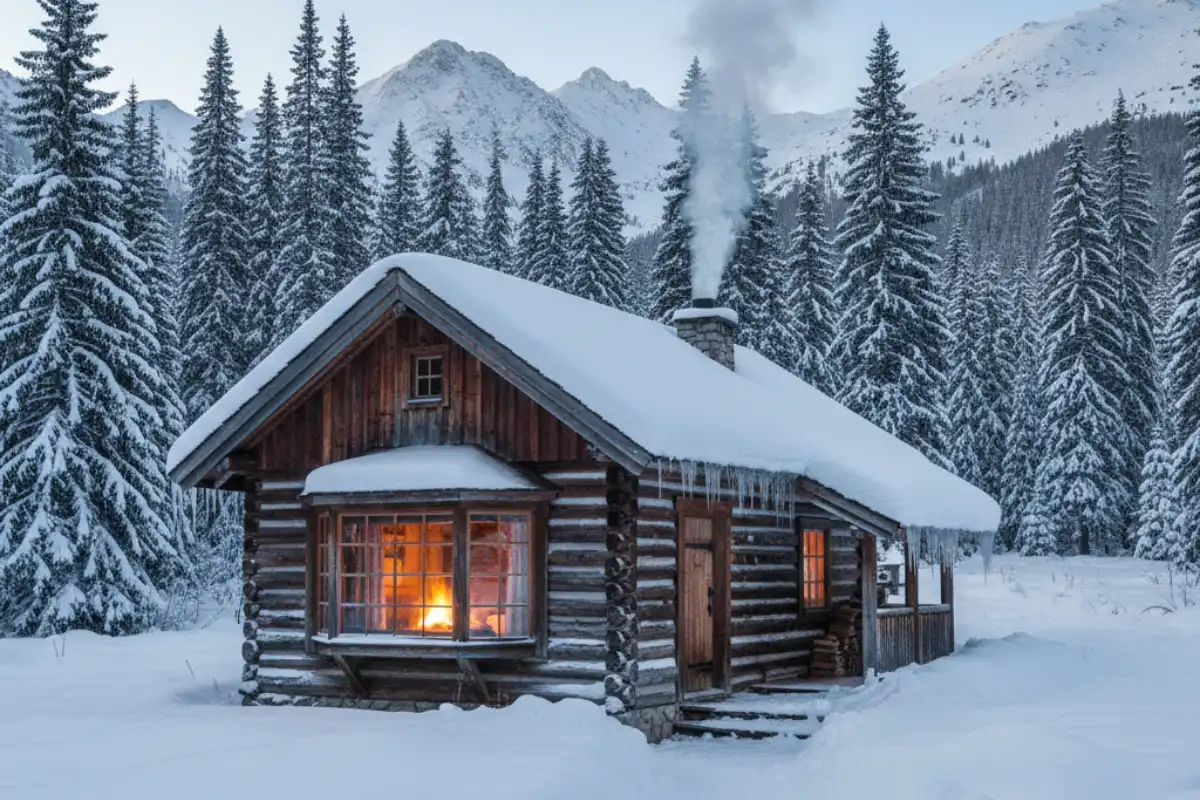
Follow these steps to convert your winter travel dreams into a perfectly executed reality.
Step 1: Define Your Winter Style and Timing
1. Cold vs. Hot Destination
The first decision impacts the entire trip. Do you seek snow, skiing, and Northern Lights (e.g., Norway, Canadian Rockies), or affordable warmth and sun (e.g., Southeast Asia, Canary Islands)? This choice dictates necessary gear and budget.
2. Strategic Booking for Better Value
Avoid the absolute peak window (December 20th – January 5th) unless you must travel then. For the best value:
- **Peak Experience, Lower Price:** Travel in the first two weeks of December (for Christmas Markets) or mid-January through February (after the holiday rush).
- **Expert Advice:** “For ski trips, try to book accommodation and lift passes online **at least two months in advance**. Not only are they cheaper, but they guarantee access, which is crucial during high snow seasons.” (Source: Ski Travel Magazine)
Step 2: Logistics and Gear Preparation
1. The Winter Packing Paradox (Layering)
Winter clothes are bulky, increasing luggage fees. Combat this with smart layering:
- **The Three-Layer System:** Pack only three main layers (base layer, mid-layer, waterproof shell) rather than many thick sweaters. This is more efficient and adaptable to changing temperatures.
- **Traveler Hack:** “I wear my bulkiest items—my winter coat, boots, and heaviest sweater—on the plane. It saves immense space in the suitcase and prevents excess baggage fees, even if I look ridiculous boarding in a blizzard jacket.” (Source: Budget Backpacker Forum)
2. Transportation and Safety Checks
Winter conditions demand reliable transport and safety preparation:
- **Rental Cars:** If driving, ensure the rental company provides **winter tires** or snow chains, especially if traveling to mountainous regions. Verify the car has adequate anti-freeze/de-icer fluid.
- **Technology Check:** Pre-load all necessary maps offline and carry a portable battery bank, as cold weather drains smartphone batteries rapidly.
Accommodation Secret: Seek Comfort Amenities
“When searching for lodging, filter by amenities like ‘fireplace,’ ‘hot tub,’ or, crucially, ‘ski/boot drying room.’ These features elevate the comfort quotient of a winter trip exponentially. Coming in from the cold to a warm, dry area for your gear is often more important than the thread count of the sheets.” (Source: Luxury Cabin Rental Guide)
Step 3: Itinerary and Activity Planning
- **Build in Buffer Time:** Short daylight hours and potentially slow transport due to snow mean everything takes longer. Do not over-schedule your days. Prioritize one main outdoor activity and one cozy indoor activity (e.g., museum, thermal bath, reading by the fire).
- **Check Opening Hours:** Many outdoor activities or seasonal attractions (like specific hiking trails or mountain passes) have reduced hours or close entirely in the winter. Verify their status before relying on them.
- **Food Reservations:** In cozy, popular winter towns, restaurants are smaller and fill up fast. Make dinner reservations well in advance, especially for holiday dates.
Frequently Asked Questions About Winter Getaways
How far in advance should I book flights for a Christmas trip?
For the Christmas and New Year’s peak period, flights should be booked **6 to 9 months in advance** to secure the best prices and times. After the three-month mark, prices typically increase rapidly.
What temperature rating should my sleeping bag have for winter camping/glamping?
For camping or glamping in temperatures near or below freezing, you need a sleeping bag rated at least **-7°C to -12°C (20°F to 10°F)** for safety and comfort. Always choose a rating slightly lower than the coldest temperature you expect.
Should I use hot hands/toe warmers on a winter trip?
Yes, hand and toe warmers are excellent insurance, especially for static activities (like watching the Northern Lights) or for anyone with poor circulation. They are compact, inexpensive, and provide crucial warmth to extremities.
What’s a better hotel feature for warmth: a fireplace or a hot tub?
Both are excellent, but they serve different purposes. A **fireplace** (or a heated common area) provides long-term, interior warmth and atmosphere. A **hot tub/sauna** provides immediate, deep warmth and muscle relaxation after a cold outdoor day.
How can I protect my electronics from the cold?
Keep phones and cameras in an inner jacket pocket, close to your body heat. Limit their exposure to the cold, and when not in use, store them in insulated pouches. Never charge a battery that is below freezing, as this can cause permanent damage.
Conclusion: The Reward of Winter Preparation 🏔️
Planning the perfect winter getaway is an exercise in foresight. By meticulously considering the dual challenges of cold weather logistical delays and physical discomfort and applying strategic solutions like smart layering and advance booking, you remove the friction points. This meticulous preparation is what allows you to truly relax and savor the unique beauty of the winter season, ensuring your trip is filled with warmth, adventure, and comfort.