How to Plan a Safe Travel Itinerary: A Traveler’s Guide
Safety is the foundation of any great travel experience. While spontaneity is a thrilling part of the journey, a well-thought-out plan is your best defense against unexpected challenges, scams, or dangerous situations. A safe travel itinerary isn’t about being paranoid; it's about being prepared, informed, and confident. By taking a few proactive steps, you can minimize risks and focus on what truly matters: making incredible memories. This guide will walk you through **how to plan a safe travel itinerary**, using practical advice from seasoned travelers to help you stay secure from the moment you leave your front door until you return.
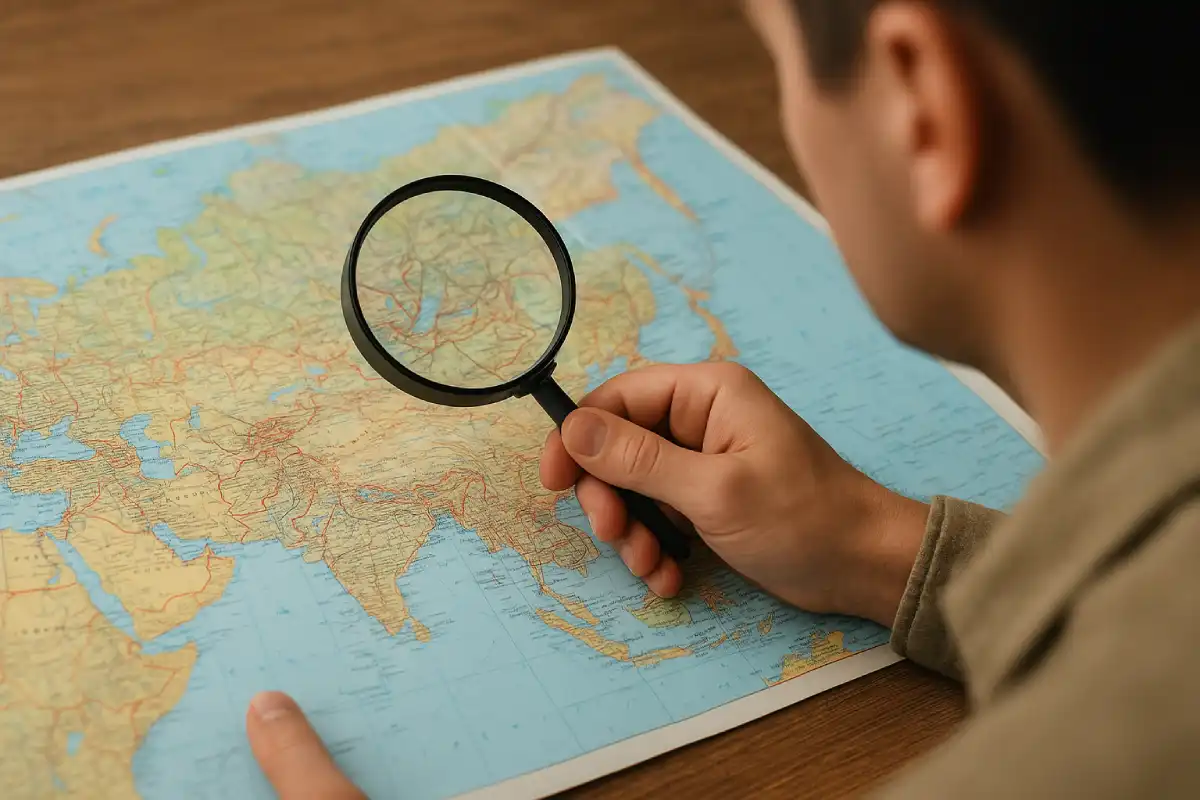
Pre-Trip Research: The Foundation of Safety
Your journey to a safe trip begins long before you pack your bags. Smart research is the single most effective safety tool you have.
1. Vet Your Destination Thoroughly 🔍
Before you commit to a destination, do your due diligence. Check government travel advisories for any warnings or high-risk areas. Read travel blogs, forums, and recent news articles to understand the current social and political climate. Pay close attention to tips from female solo travelers, as their safety concerns often offer a broader perspective on general safety.
2. Understand the Local Culture and Laws ⚖️
Ignorance of local laws and customs is not a valid excuse. Research dress codes, social etiquette, and any legal specifics that could impact you. For example, in some countries, public displays of affection or drinking alcohol are frowned upon or even illegal. Knowing these rules helps you avoid unwanted attention and show respect for your host country.
3. Research Your Accommodation and Neighborhood 🏨
A safe place to sleep is paramount. Look for hotels or hostels with a high number of positive reviews that specifically mention security. Use Google Maps to “walk” around the neighborhood virtually. Is it well-lit at night? Is it close to public transport? Does it look like a safe area? Reading reviews from other travelers about the safety of the area is crucial.
Experienced Traveler Insight: Maria, Solo Traveler
“I always look at recent reviews, not just the overall score. I search for keywords like ‘safe neighborhood,’ ‘secure locks,’ and ’24-hour reception.’ If a place has a lot of positive comments about feeling secure, it’s a huge green flag for me, and I’ll even pay a little extra for that peace of mind.”
On-the-Ground: Staying Safe While Exploring
Once you’re at your destination, your behavior and awareness are your most important assets. A few simple habits can make a big difference.
1. Share Your Itinerary and Important Documents 📧
Before you leave, and especially if you are traveling solo, share a copy of your itinerary, flight information, and accommodation details with a trusted family member or friend. Make digital copies of your passport, visa, and other important documents, and store them securely online or in a separate email account. This ensures you have access to them if your physical documents are lost or stolen.
2. Blend In and Be Aware of Your Surroundings 👀
Avoid looking like a lost tourist with an expensive camera hanging around your neck and a map unfolded in the middle of a busy street. Dress like a local if possible. Walk with confidence, even if you’re unsure of where you’re going. Keep your phone and wallet in a secure, zipped pocket and avoid flashing large amounts of cash. When using a map on your phone, step into a cafe or a quiet corner to avoid drawing attention to yourself.
3. Be Smart About Transport, Especially at Night 🌃
Pre-arranging transport from the airport or train station, especially if you arrive late, is a key safety measure. When using local taxis, use a reputable app or a licensed taxi service recommended by your hotel. Avoid getting into unmarked cars. For public transport, research the routes and timetables beforehand and try to avoid traveling alone late at night in unfamiliar areas.
Expert Insight: Alex, Travel Security Consultant
“The single most common mistake travelers make is having their phone out constantly. Thieves target people who are distracted. Put your phone away and look up. Know where you’re going before you walk, and take a moment to observe your surroundings before you get your phone out again.”
Frequently Asked Questions About Travel Safety
How do I keep my valuables safe?
Use a money belt or a secure bag that you keep close to your body. Don’t put valuables in your back pocket or a backpack that can be easily accessed. When in your room, use the hotel safe for your passport, extra cash, and other important items. A decoy wallet with a small amount of cash can be useful in case you are pickpocketed.
Is solo travel safe?
Yes, solo travel can be very safe and incredibly rewarding with the right precautions. Always trust your intuition. If a situation or person feels off, remove yourself from it immediately. Inform someone of your plans, check in regularly, and choose destinations that are known to be safe for solo travelers.
What about travel insurance?
Travel insurance is not an optional luxury; it is a necessity. It provides a safety net for medical emergencies, canceled flights, and stolen or lost belongings. Always read the policy carefully to understand what is covered and what is not. This is a non-negotiable expense in a safe travel plan.
Should I tell people where I’m going?
Yes, but be selective. It is wise to share your general travel plans and a daily check-in with a trusted family member or close friend. However, be cautious about sharing your exact real-time location or personal details on public social media. It’s best to post about your adventures after you have left the location.
Conclusion: Confident, Not Careless
A great adventure is built on a foundation of safety. By doing your research, being mindful of your surroundings, and implementing a few simple strategies, you can plan an itinerary that allows you to travel with confidence, not fear. Planning a safe trip isn’t about limiting your experiences; it’s about empowering you to fully embrace them. So, take these tips, apply them to your next trip, and get ready to explore the world responsibly and securely.